
Integrating shoe storage into an existing wardrobe is one of the most effective ways to streamline your daily routine and protect your footwear investment. The best shoe organizers for a wardrobe system are those that maximize vertical space, preserve the structural integrity of your closet, and maintain a healthy environment for your shoes. Whether you are dealing with a spacious built-in closet or a compact freestanding wardrobe, finding the right balance between hanging garments, folded clothes, and footwear requires careful planning.
A well-integrated shoe rock system—referring to a highly stable, structured, and non-tipping shoe organizer setup—serves as the foundation of an efficient closet. By selecting organizers that fit your specific wardrobe dimensions and addressing environmental factors like tropical humidity, you can create a seamless storage system. This guide explores the essential features of wardrobe-integrated shoe racks, categorizes the best organizer types for various closet configurations, and provides practical advice for maintaining a balanced, clean closet ecosystem.
Key Features to Look for in a Closet-Integrated Shoe Rock System
Before purchasing any shoe organizer, it is crucial to evaluate how it will interact with your existing wardrobe structure. A mismatched organizer can lead to wasted space, damaged closet walls, or even structural instability.
Products mentioned in this guide
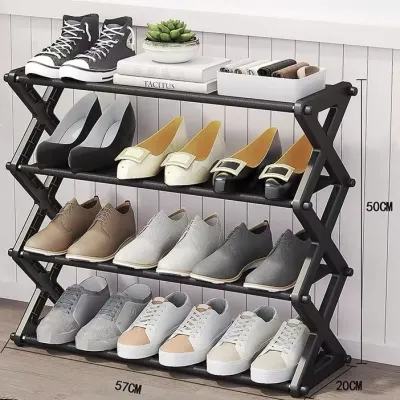
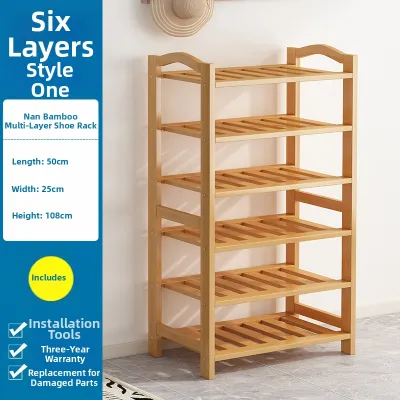
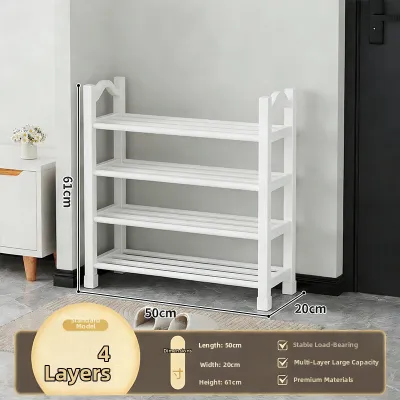
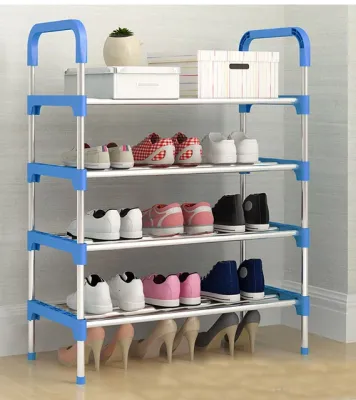
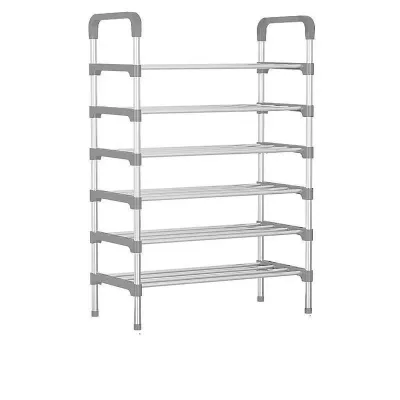
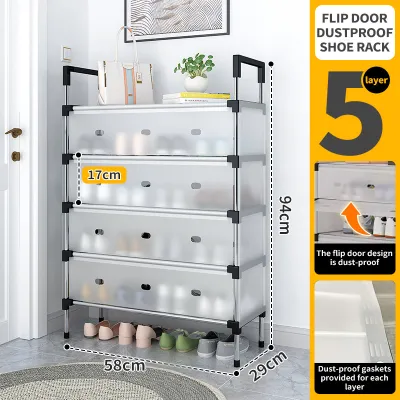
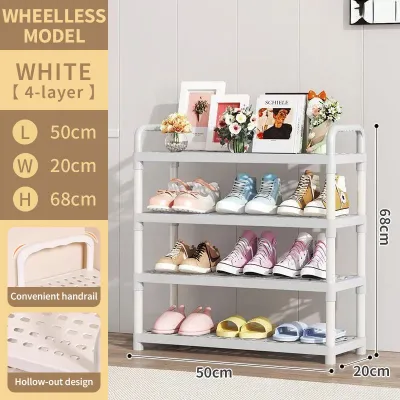
Prices are valid at publication and may change. Please refer to the product page for the latest price.
Dimension and Clearance
The first step in selecting a shoe organizer is taking precise measurements of your wardrobe’s interior. Use a metal measuring tape to record the exact depth, width, and height of the available space. For floor-based racks, measure the vertical clearance between the closet floor and the hems of your hanging garments. If you hang long dresses or trousers, you will have less vertical clearance than under short-hanging shirts or jackets. Additionally, account for wardrobe doors; sliding door tracks or cabinet hinges can obstruct organizers if they are too wide or deep. Standard adult shoes typically require a shelf depth of 30 to 35 centimeters, so ensure your wardrobe shelves can accommodate both the shoes and the organizer’s frame.
Ventilation and Material Quality
In tropical climates like the Philippines, high relative humidity is a constant challenge for closet storage. Enclosed spaces with poor airflow quickly become breeding grounds for mold, mildew, and musty odors. When choosing a shoe organizer, prioritize designs that facilitate natural air circulation. Open-wire grids, slatted wooden shelves, and breathable fabric pockets are excellent choices because they allow air to flow freely around each pair of shoes. Avoid completely sealed plastic containers unless they are paired with active desiccant packs. Furthermore, do not rely solely on manufacturer claims of “anti-mold” materials; instead, inspect the physical quality of the product. Check for rust-resistant powder coatings on metal racks, smooth finishes on wooden slats to prevent snagging, and sturdy, reinforced joints that can withstand daily use.
Adjustability and Modularity
Your shoe collection is rarely static, meaning your storage system must be flexible enough to adapt over time. Modular and adjustable shoe organizers allow you to reconfigure your storage as your footwear needs change. Look for stackable shoe slots that feature adjustable height settings, which let you accommodate flat sandals, sneakers, and high heels within the same shelf space. Expandable horizontal racks are also highly beneficial, as they can stretch to fit the exact width of your wardrobe floor. This adaptability ensures you do not end up with awkward, unusable gaps on either side of the organizer.
Weight Capacity and Stability
Every wardrobe has its structural limits, and overloading shelves or hanging rods can lead to bowing, warping, or total collapse. Before installing an organizer, verify the manufacturer’s specified weight limits for both the organizer and your wardrobe shelves. A sturdy shoe rock setup must have a low center of gravity to prevent tipping when you retrieve a pair of shoes. If you are placing a multi-tier rack on an upper shelf, ensure it is perfectly level and stable. For freestanding floor units, a wide, flat base footprint is essential for maintaining stability, especially if the rack is fully loaded with heavy leather shoes or thick-soled sneakers.
Recommended Shoe Organizers for Different Wardrobe Setups
Different closet layouts require different storage strategies. By matching the organizer type to your wardrobe’s specific configuration, you can maximize every square centimeter of space.

Stackable Shoe Slots for Existing Shelves
If your wardrobe features deep, fixed shelves with generous vertical spacing, you may find that much of the upper space on each shelf goes unused. Stackable shoe slots, often referred to as double-deck shoe space savers, are designed specifically to address this issue by allowing you to store one shoe directly above the other.
These slots feature an adjustable angled top ramp that holds the upper shoe, while the lower shoe slides into the open space underneath. This simple mechanism effectively doubles the storage capacity of a single shelf without requiring any permanent modifications to your wardrobe. They are highly efficient for low-profile footwear such as flats, sandals, loafers, and low-top canvas sneakers.
However, stackable shoe slots have clear limitations. They are generally unsuitable for high-top boots, bulky basketball shoes, or delicate high heels that require lateral support. When using these slots, always perform a pre-purchase check: measure the vertical clearance between your wardrobe shelves and ensure that the maximum height of the slot—with a shoe placed on top—does not scrape or press against the shelf above, which could damage both the shoe and the wardrobe finish.
Hanging Shoe Organizers for Vertical Space
For wardrobes that feature ample hanging rods but lack built-in shelving, hanging shoe organizers offer an excellent way to utilize vertical space. These organizers typically attach to the closet rod using heavy-duty hook-and-loop straps or metal hooks, suspended alongside your hanging garments.
Constructed from breathable non-woven fabrics, canvas, or clear plastic, hanging organizers feature vertical columns of cubbies. They are ideal for storing lightweight, flexible footwear such as slippers, sandals, running shoes, and casual canvas sneakers. Because they keep shoes off the floor, they make cleaning the bottom of your wardrobe much easier.
The primary concern with hanging organizers is weight distribution. Before loading a hanging organizer with multiple pairs of shoes, verify the weight capacity of your closet rod and its supporting brackets. Sharing a single rod with heavy winter coats, dense suits, and a fully loaded shoe organizer can cause the rod to bow or pull away from the wardrobe walls. Additionally, check the depth clearance of the hanging organizer; ensure its physical bulk does not protrude forward and prevent sliding wardrobe doors from closing smoothly.
Slim Freestanding Racks for the Closet Floor
The floor space beneath hanging clothes is often treated as a “dead zone” where shoes are piled haphazardly. A slim, freestanding multi-tier shoe rack is the perfect solution for organizing this area while keeping your footwear easily accessible.
These racks are designed with a narrow depth and low profile, allowing them to sit comfortably underneath hanging shirts, jackets, or skirts without obstructing the hems of your garments. By utilizing a multi-tier design, you can store several pairs of shoes horizontally, keeping them neatly aligned and off the wardrobe floor.
When selecting a floor rack, measure the exact width between your wardrobe’s side panels, built-in drawers, or existing storage bags to ensure a snug fit. Safety is a critical consideration for floor racks; verify that the rack has a stable base footprint and a low center of gravity. This prevents the rack from tipping forward when you pull a pair of shoes from the top tier, especially if the wardrobe floor is carpeted or slightly uneven.
Tension Rod and Under-Shelf Solutions for Dead Space
When every centimeter of space counts, awkward gaps and narrow voids inside your wardrobe can be transformed into functional storage areas using tension rods or under-shelf baskets.
Tension rods are incredibly versatile and require no drilling or permanent fasteners. By installing two parallel tension rods at slightly different heights near the back of a wardrobe compartment, you can create a custom shoe ledge. The heel of a high-heeled shoe hooks over the higher rear rod, while the sole rests on the lower front rod, keeping the shoes securely suspended. This is an exceptional way to store heels that might otherwise tip over on standard flat shelves.
Under-shelf wire baskets are another excellent tool for capturing dead space. These baskets slide onto existing wardrobe shelves, suspended directly underneath them. They provide a perfect, low-profile compartment for lightweight footwear like slippers, flip-flops, or thin sandals. Before installing these solutions, perform a safety and damage prevention check: ensure that tension rods are equipped with soft rubber protective pads on both ends to avoid scratching, denting, or cracking the wardrobe’s interior laminate or wood veneer walls.
How to Balance Shoes, Hanging Clothes, and Storage Bags
An organized wardrobe is a balanced ecosystem where different storage elements coexist without crowding or damaging one another. Achieving this balance requires a thoughtful layout strategy.
Zoning by Frequency of Use
To maintain a functional wardrobe, organize your footwear based on how often you wear each pair. Keep your daily-wear shoes, such as work flats or everyday sneakers, at eye or waist level where they are easiest to reach. Less frequently worn items, such as formal dress shoes, high heels, or seasonal boots, should be placed on the highest shelves or stored in breathable fabric bags on the very bottom of the wardrobe. This zoning strategy ensures that your daily routine is efficient and prevents you from constantly shifting items around to find what you need.
Clearance and Space Management
Ensure there is adequate physical clearance between your shoe organizers and other closet items. Hanging clothes should never drag across the tops of your shoes or shoe racks, as this can transfer dirt, dust, and oils to your garments. Leave a generous gap between the bottom of hanging clothes and the top of any floor-based shoe rack. Additionally, ensure that you have enough physical room to slide out storage bags or access lower shelves without having to move hanging garments aside, which can cause wrinkling and wear on your clothes.
Visual and Physical Balance
Maintaining the physical stability of your wardrobe is essential for safety and longevity. Always place heavier, multi-tier shoe racks on the bottom of the closet or on the sturdiest lower shelves. This keeps the wardrobe’s center of gravity low, reducing the risk of the entire cabinet tipping forward. Avoid placing heavy leather boots or bulky shoes on high shelves or in hanging organizers, as this can strain the wardrobe’s structure. Grouping lighter items like storage bags filled with seasonal linens on upper shelves and heavier items on the bottom creates a visually balanced and physically secure closet.
Maintenance Tips for Shoes Stored Inside a Wardrobe
Storing shoes inside an enclosed wardrobe requires consistent maintenance to prevent odors, mold, and material degradation, especially in humid environments.
Pre-Storage Preparation
Never place dirty or damp shoes directly into your wardrobe. Before storing any pair, wipe off external dirt, mud, or dust with a soft, dry cloth or a brush suitable for the shoe’s material. If your shoes have become damp from rain or perspiration, allow them to air dry completely in a well-ventilated space outside the wardrobe before putting them away. Storing damp footwear in an enclosed closet traps moisture, which rapidly leads to bacterial growth, unpleasant odors, and mold that can easily spread to your clothes.
Moisture and Odor Control
To combat high humidity inside your wardrobe, place standard, easily replaceable moisture absorbers or silica gel packets on your shoe shelves. These products actively draw excess moisture out of the air, protecting both your shoes and the wardrobe interior. Check these moisture absorbers regularly—especially during the monsoon season in the Philippines—and replace them as soon as they become saturated. Additionally, placing natural odor absorbers like activated charcoal bags or cedar blocks near your shoe rack helps neutralize smells without relying on harsh chemical perfumes.
Rotation and Inspection
Regularly inspect your stored footwear to ensure they remain in good condition. At least once a month, take your less-frequently worn shoes out of the wardrobe to air them out in a well-ventilated, shaded area. This rotation helps prevent the materials from drying out or cracking and allows you to check for early signs of mold or glue degradation. If you notice any signs of mildew, clean the affected shoe immediately according to the manufacturer’s care instructions and thoroughly sanitize the wardrobe shelf before returning the shoe to its place.
Frequently Asked Questions (FAQ)
Can I store leather shoes inside a closed wardrobe?
Yes, you can store leather shoes inside a closed wardrobe, but they require strict moisture control and adequate ventilation to prevent mold growth. Avoid sealing leather shoes in non-breathable plastic bags or airtight containers, as these trap humidity and accelerate material degradation. Instead, store them in breathable cotton dust bags and place moisture-absorbing packets nearby. Ensure the wardrobe is opened regularly to allow fresh air to circulate.
How do I prevent shoe odors from transferring to my clothes?
To prevent shoe odors from transferring to your clothes, always clean and thoroughly dry your shoes before placing them in the wardrobe. Utilize ventilated storage boxes or dedicated shoe compartments to physically isolate your footwear. Placing natural odor absorbers, such as activated charcoal bags, baking soda containers, or cedar blocks, directly on the shoe shelves will effectively neutralize odors and keep your closet smelling fresh.
What is the standard depth needed for a wardrobe shoe shelf?
The standard depth required for a wardrobe shoe shelf typically ranges between 30 and 35 centimeters, which accommodates most adult shoe sizes when placed straight. If your wardrobe has shallower shelves, you can store shoes at an angle using adjustable shoe slots or slanted shelves. Always measure your longest pair of shoes and account for any extra depth added by the shoe organizer’s frame or adjustment mechanisms before purchasing.
Community discussion
Share your experience or ask a question. Comments are reviewed before publication.