
Quick Answer: Maximizing Shoe Storage in Small Closets
Maximizing limited closet space in the Philippines requires selecting a shoe stacker organizer that aligns with your specific closet layout, footwear collection, and local climate needs. The most effective approach for tight closets involves utilizing vertical space and reclaiming dead zones. Adjustable shoe slots double the capacity of flat shelves, stackable clear drop-front boxes protect shoes from dust while allowing easy access, hanging fabric organizers maximize unused hanging rod space, and over-the-door racks reclaim the space behind closet doors.
Because the tropical climate in the Philippines presents high humidity levels, choosing organizers with adequate ventilation is essential to prevent mold and odor buildup. Before purchasing any storage system, measuring your closet’s exact dimensions is the critical first step to ensure a perfect fit and seamless daily use.
What to Look for in a Shoe Stacker for Small Closets
Adjustability and Footprint Small closets require high spatial efficiency. Standard fixed shelving often leaves empty vertical space above low-profile shoes like flats, sandals, or slippers (tsinelas), while failing to accommodate taller footwear like high heels or ankle boots. Look for shoe stackers with adjustable height settings or modular configurations. An adjustable two-piece shoe slot, for example, allows you to change the angle of the top tier, matching the height of the shoe and minimizing the overall vertical footprint. This customization ensures that every centimeter of shelf height is actively utilized without crowding.
Products mentioned in this guide
![[COD] PkYeG KITCHEN Double Layered Shoe Rack Shoe Cabinet Layered Partition Space Saving Storage Shoe Rack Organize Place Shoe Storage Holder](https://img.lazcdn.com/g/p/54ed02ad107e74c45a58224bfe264a93.jpg_400x400q80.jpg_.webp)
Prices are valid at publication and may change. Please refer to the product page for the latest price.

Material and Ventilation The tropical climate of the Philippines brings persistent humidity, which can easily trap moisture inside dark, enclosed closets. When evaluating materials, look beyond basic plastic or fabric labels. Check the manufacturer’s product specifications for ventilation features, such as rear air vents, mesh panels, or breathable non-woven fabrics. Non-ventilated plastic boxes can trap residual moisture from rain-soaked or sweaty shoes, creating an environment prone to mold growth and unpleasant odors. If you choose plastic organizers, verify that they feature open slots or perforated patterns that facilitate continuous airflow. For fabric-based organizers, prioritize breathable canvas or non-woven materials over thick, synthetic laminated backings that block air circulation.
Stackability Limits and Stability Stackable organizers are excellent for vertical storage, but they must remain stable under load. Always check the manufacturer’s guidelines for the maximum safe stacking height or weight capacity. Flimsy, low-grade plastic boxes may sag or warp over time when subjected to the weight of heavy leather shoes, sneakers, or formal footwear. Look for stackable boxes that feature interlocking mechanisms, such as nesting grooves or snap-lock tabs on the top and bottom panels. These design elements prevent the stack from sliding or tipping when you open a door or retrieve a pair from the bottom. For freestanding shelves or tall stacks, ensure the base is wide enough to maintain stability on your closet floor or shelf.
Accessibility A compact closet often forces you to store items in deep corners or on high shelves. The mechanism you choose to access your shoes determines how practical the organizer will be in daily life. Top-lift lids require you to unstack the entire column of boxes just to retrieve a pair at the bottom, which quickly becomes tedious. Instead, look for front-drop or side-opening magnetic doors that allow you to slide shoes out without disturbing the stack. If you are placing organizers on high overhead shelves, pull-out drawers or lightweight slots with front-facing pull tabs are much easier to manage safely from a standing position.
Best Types of Shoe Stackers for Tight Spaces
Adjustable Two-Piece Shoe Slots
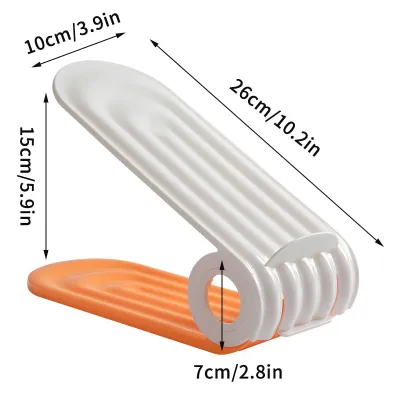
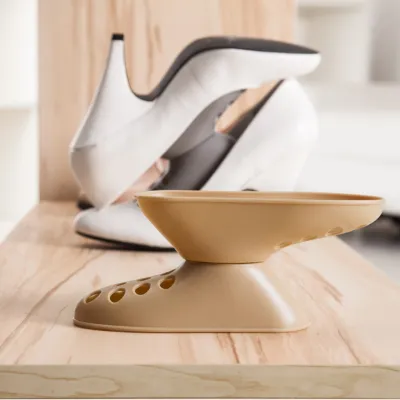
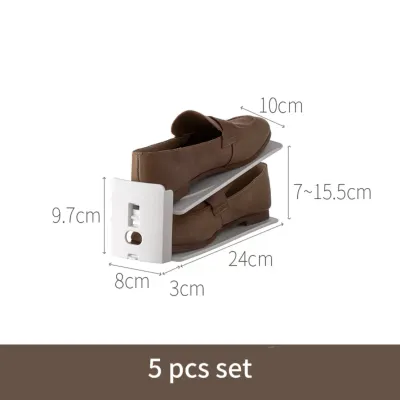
Adjustable two-piece shoe slots are designed to double the storage capacity of standard flat shelves by stacking one shoe directly above its partner. The lower shoe slides into the bottom compartment, while the upper shoe rests on an angled top platform. This configuration reduces the horizontal footprint of a single pair of shoes by half, allowing you to fit twice as many pairs on a single shelf. Most adjustable slots feature an interlocking hinge or a multi-level peg system, allowing you to customize the angle and height to accommodate flat sandals, running sneakers, or low heels. These organizers are highly budget-friendly, with basic plastic slots starting under ₱200 for a multi-pack on most online marketplaces.
Keeping pairs stacked individually prevents shoes from rubbing against each other, reducing the risk of scuffing, scratching, or transferring dirt. However, these slots do have limitations. They are generally unsuitable for high-top boots, tall heels, or bulky platform footwear, as the vertical clearance required would exceed the space between your closet shelves. They also require a completely flat, stable shelf surface to prevent the individual slots from sliding or tipping sideways.
Stackable Clear Drop-Front Boxes
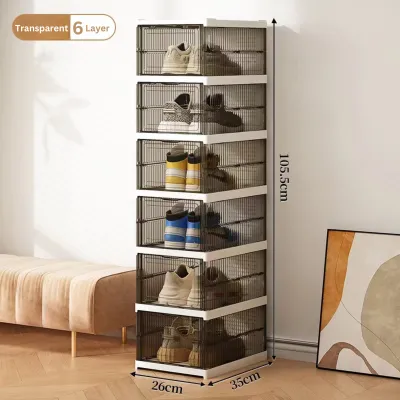
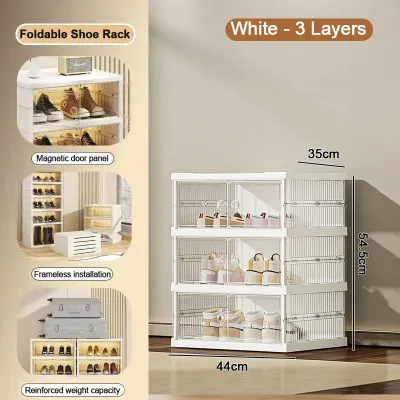
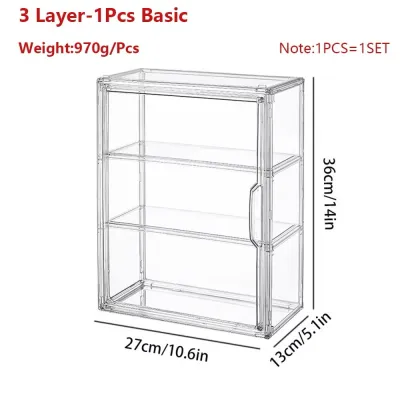
Stackable clear drop-front boxes offer an enclosed, modular storage solution that protects shoes from dust and pests while maintaining full visibility. Constructed from rigid plastic, these boxes can be stacked vertically from the closet floor to the ceiling or arranged neatly on wide shelves. The defining feature of these boxes is the front-opening door, which typically utilizes a magnetic closure or a secure snap-fit latch. This design allows you to open the front panel and retrieve your shoes easily without needing to unstack or rearrange the boxes above. Quality sets of durable, ventilated boxes generally range from ₱500 to ₱1,500 depending on material thickness.
When shopping for drop-front boxes, it is vital to verify the exact exterior dimensions and the depth of the stacking lip. The boxes must fit within your closet’s shelf depth so that the closet doors can close completely. Additionally, because these boxes are enclosed, you must check the product specifications for built-in ventilation holes or rear mesh screens. Adequate airflow is crucial in the Philippines to prevent humid air from becoming trapped inside the box, which can damage delicate shoe glues and synthetic materials over time.
Hanging Fabric or Canvas Shoe Organizers
Hanging fabric or canvas shoe organizers are designed to utilize unused vertical space along your closet’s hanging rod. These organizers suspend vertically, featuring a series of open cubbies or shelves stacked on top of one another. They typically attach to the closet rod using heavy-duty hook-and-loop straps or metal hangers. By moving your shoe storage off the floor and onto the hanging rod, you free up valuable floor space for larger storage bins or drawers.
Before purchasing a hanging organizer, check the weight capacity of both your closet rod and the organizer itself. Look for models with reinforced cardboard or plastic inserts in each shelf to prevent sagging, as well as heavy-duty, double-stitched seams at the top attachment points. These vertical organizers are highly breathable, making them excellent for the Philippine climate, but they are best suited for lightweight footwear such as flats, sandals, slippers, and canvas sneakers. Storing heavy leather boots or bulky basketball shoes in fabric cubbies can cause the organizer to stretch, sag, or pull down on the closet rod excessively.
Over-the-Door or Door-Mounted Racks
Over-the-door or door-mounted racks are highly efficient solutions for small closets because they reclaim the completely unused dead space on the back of your closet door. These racks consist of either a fabric pocket grid or a lightweight metal or plastic frame that hangs over the top edge of the door using flat metal brackets. This arrangement keeps your frequently worn shoes organized, visible, and easily accessible at eye level, without taking up a single centimeter of shelf or floor space inside the closet.
To ensure a successful installation, you must measure your door thickness and check the clearance between the top of the door and the door frame. The over-the-door brackets must be thin enough to allow the closet door to close and latch smoothly without scraping the frame. Additionally, inspect the mounting hardware; some racks include adhesive pads or screw mounts to secure the bottom of the rack, preventing it from swinging or banging against the door when opened. These racks are ideal for everyday footwear, but you should avoid overloading them with heavy items to protect the door hinges from excessive wear.
Which Shoe Stacker Type Fits Your Closet? (Comparison)
To help you select the most effective shoe stacker for your specific layout, the table below compares the four primary organizer types based on shoe suitability, spatial efficiency, accessibility, and key limitations.
| Organizer Type | Best For (Shoe Type) | Space Utilization | Accessibility | Key Limitation |
|---|---|---|---|---|
| Adjustable Slots | Flats, sneakers, low heels | Shelf surface (doubles flat space) | High (individual pull-out) | Not suitable for tall boots or very high heels |
| Clear Drop-Front Boxes | All shoe types (check box size) | Floor or deep shelves (vertical stack) | Very High (front-opening door) | Requires precise shelf depth measurements |
| Hanging Organizers | Lightweight flats, sandals, slippers | Hanging rod (vertical suspension) | High (open-front cubbies) | Can sag under heavy footwear; reduces hanging rod space |
| Door-Mounted Racks | Everyday shoes, slippers, sneakers | Back of closet door (dead space) | High (eye-level access) | Bracket thickness must match door frame clearance |
For the most efficient closet setup, consider mixing and matching these organizer types to suit different zones. For example, you can hang a fabric organizer on the rod for lightweight sandals and slippers, place adjustable slots on your lower shelves for sneakers, and use a few stackable clear boxes on the top shelf to protect seasonal or formal footwear. This multi-zone approach ensures that every type of shoe in your collection has a dedicated, space-efficient home.
How to Measure Your Closet Before Buying an Organizer
Shelf Depth and Width Begin by measuring the exact depth and width of your closet shelves using a standard tape measure. When measuring depth, do not just measure the wood shelf itself; measure the distance from the back wall to the inside face of the closed closet door. This is especially important for sliding doors or doors with protruding hinges, as organizers that sit too far forward will prevent the doors from closing. Account for any support brackets, vertical dividers, or light fixtures that might obstruct the placement of your shoe stackers.
Vertical Clearance Measure the vertical height between each shelf. If you are planning to use adjustable shoe slots, you need to ensure that the combined height of the slot and the shoes on both tiers is less than the shelf clearance. For stackable clear boxes, divide the total shelf height by the height of a single box to determine how many units you can safely stack. Always leave a clearance margin of at least 2 to 3 centimeters at the top of the shelf so you can easily reach in, open doors, or slide the organizers out without scraping your knuckles.
Door and Rod Clearances For over-the-door racks, measure the thickness of your closet door to ensure the hanging brackets will fit snugly over the top edge. Check the gap between the top of the door and the frame; if it is less than 2 millimeters, a standard over-the-door bracket may prevent the door from closing properly. For hanging fabric organizers, measure the distance from the hanging rod to the closet floor or the shelf below. Ensure the organizer’s total length does not cause it to bunch up at the bottom, and check that there is enough horizontal space along the rod so it does not crowd your hanging clothes.
Accounting for a Margin of Error Never buy organizers that match your closet measurements exactly to the millimeter. Always subtract a small margin of error (approximately 2 to 3 centimeters) from your total width and depth measurements. This safety margin accounts for slight wall irregularities, door hinges, or minor manufacturing variances in the organizers themselves, ensuring a smooth installation and hassle-free daily use.
Frequently Asked Questions (FAQ)
Can shoe stackers damage delicate footwear?
Yes, improper use of hard plastic shoe stackers can cause physical damage to delicate footwear. Rigid plastic slots with tight tolerances can press against soft leather, suede, or embellished shoes, leading to permanent creasing, scuffing, or deformation of the shoe’s structure. To protect delicate footwear, check the manufacturer’s care instructions for your shoes first. Consider using fabric-lined slots, wrapping the shoes in acid-free tissue paper before stacking, or opting for spacious, individual clear drop-front boxes where the shoes can rest flat without any physical pressure or contact with other surfaces.
How do I prevent moisture buildup in enclosed shoe boxes?
Preventing moisture buildup in enclosed plastic shoe boxes is essential in the humid climate of the Philippines to avoid mold, mildew, and material degradation. First, always ensure your shoes are completely clean and dry before placing them inside any closed organizer; never store shoes immediately after wearing them on a rainy day or during a sweaty commute. Second, check the product specifications of your stackable boxes to ensure they have built-in ventilation holes or mesh vents to promote airflow. Finally, place small silica gel packets or renewable moisture absorbers inside each box. Remember to check and replace these absorbers regularly according to the manufacturer’s instructions to maintain a dry environment for your footwear.
Community discussion
Share your experience or ask a question. Comments are reviewed before publication.