
In compact Philippine homes—such as urban condominiums in Metro Manila or cozy townhouses—choosing the right side table requires a careful balance of scale, shape, and functional clearance. To maximize a small living room, the ideal side table should have a narrow footprint (typically 30 to 40 centimeters in width or depth), stand within 5 centimeters of your sofa’s armrest or seat cushion height, and feature an open or curved silhouette. These proportions keep the room feeling airy, ensure your daily essentials remain within easy reach, and prevent the furniture from blocking busy household pathways.
How to Measure Your Living Room for a Side Table
Before purchasing any new furniture, taking precise measurements of your actual floor space is the most critical step to avoid an overcrowded layout. Begin by measuring the exact gap between your sofa and the adjacent walls, nearby columns, or sliding balcony doors. In many compact Philippine apartments, balcony access is located right next to the main seating area, making it essential to ensure a side table will not obstruct the door’s opening path or block natural light. Before ordering, also verify the finished dimensions of the table and ensure it can easily pass through your building’s doorways and passenger lifts, as high-rise condo deliveries often have strict size restrictions.
Preserving comfortable pathways is vital for a functional home. Interior designers recommend maintaining a minimum clearance of 45 to 60 centimeters for walkways. This open space allows family members to move freely through the living room without having to squeeze past furniture or turn sideways. If your side table encroaches on this clearance, it will quickly become a daily frustration rather than a helpful convenience.
Products mentioned in this guide
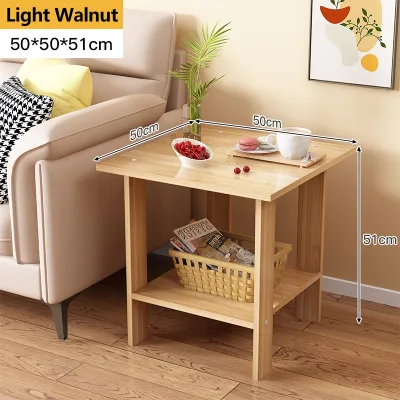
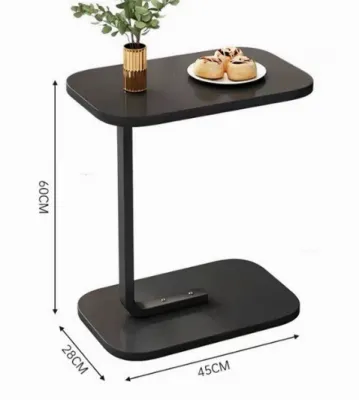
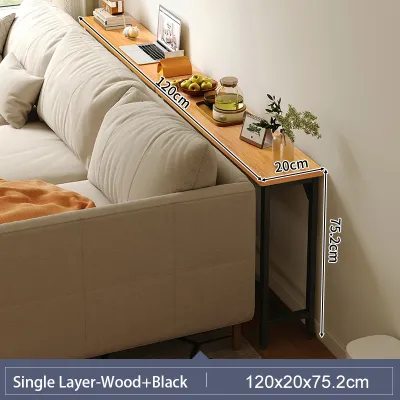
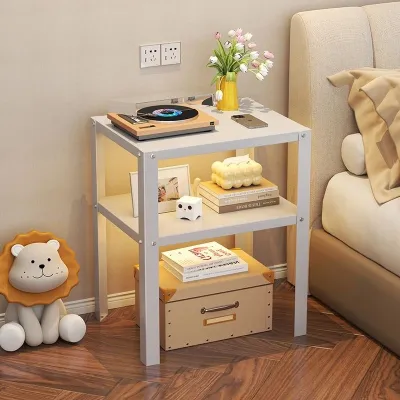
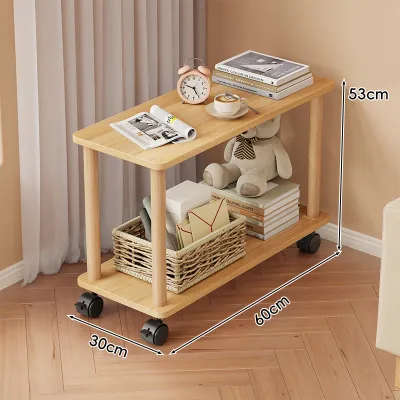
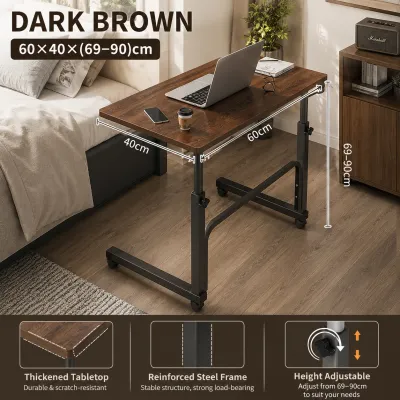
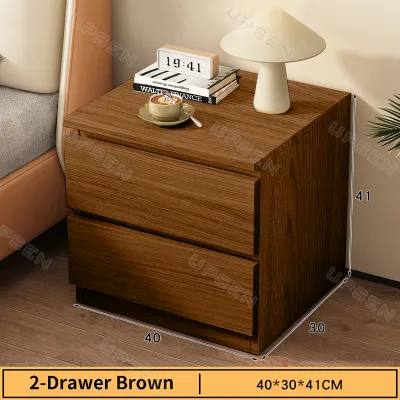
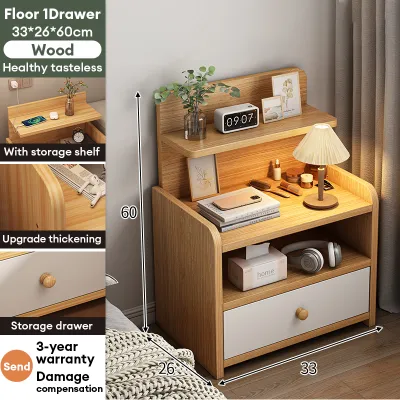
Prices are valid at publication and may change. Please refer to the product page for the latest price.
You must also account for dynamic spatial constraints that change when furniture is in use. For example, if you have a mechanical reclining sofa or a sofa bed, measure the full reclining radius and fold-out path to ensure the table does not collide with the footrest or frame. Additionally, check the height of nearby window sills and the swing path of adjacent room doors or cabinet drawers to prevent structural interference.
Finally, evaluate the visual scale of your main sofa before deciding on a table size. A side table should complement your seating rather than overpower it. A bulky, solid wood table placed next to a sleek, low-profile loveseat will look visually jarring and make the entire room feel smaller. Conversely, an ultra-thin, delicate wire table next to a massive, plush sectional sofa will look disproportionate and physically unstable.
Ideal Side Table Dimensions for Compact Layouts
Finding the right dimensions involves understanding how the table relates ergonomically to your existing seating. Instead of choosing arbitrary measurements, focus on proportions that align with the height and depth of your sofa.

Height Guidelines
For comfortable daily use, the height of your side table should closely match the height of your sofa’s armrest. If your sofa has a track arm or a rolled arm, aim for a table surface that sits within 5 centimeters above or below the armrest. If you have an armless sofa, match the table height to the top of the seat cushion instead. This alignment creates a clean, continuous horizontal line that is pleasing to the eye and makes it easy to set down a glass of water or pick up a remote control.
Avoid tables that are significantly taller than the sofa arm, as they block sightlines across the room and make the seating area feel enclosed and cramped. On the other hand, a table that is too low forces you to bend down awkwardly to reach your items. This awkward angle increases the risk of accidental spills, which can damage your flooring or upholstery.
Width and Depth Proportions
To maintain a streamlined look, choose a side table with a depth that is shallower than the depth of your sofa’s seat cushion. Keeping the table depth shorter than the sofa seat ensures that the table does not protrude into the room’s main walking path, reducing the likelihood of bumped knees. For tight gaps between a sofa and a wall, a narrow profile of 30 to 40 centimeters deep is highly effective.
The width of the table should also remain modest. Ensure the table’s front edge does not extend past the front of the sofa arm. Keeping the width compact ensures the table stays tucked neatly to the side, preserving the visual boundaries of your seating arrangement and keeping the center of the living room open.
Best Table Shapes to Maximize Floor Space
The shape of your side table plays a major role in how traffic flows through your living room and how spacious the area feels. Different silhouettes offer distinct advantages for tight layouts.
Round and Oval Profiles
Round and oval side tables are exceptionally well-suited for small, high-traffic living rooms. By eliminating sharp corners, these curved profiles allow family members to navigate tight walkways safely without the risk of painful bumps or bruises. The absence of corners also makes it easier to angle the table into tight spots between angled walls or irregular corners.
Visually, curved shapes soften the rigid, boxy lines common in compact rectangular rooms. A round table breaks up the hard angles of the sofa, television console, and walls, creating a smoother visual transition. This softening effect tricks the eye into perceiving the space as more fluid and less restricted.
C-Shaped and Nesting Designs
For homes where floor space is at an absolute premium, C-shaped tables offer an ingenious solution. These tables feature an asymmetrical frame that allows the base to slide completely under the sofa, while the tabletop hovers directly over the seat cushion or armrest. This design brings the surface right to you without occupying any additional floor space in front of or beside the sofa. Before buying, verify that your sofa has at least 2 to 3 centimeters of clearance underneath to accommodate the table’s bottom frame.
Nesting tables are another highly versatile option for small spaces. These sets consist of two or three tables of graduating sizes that slide completely underneath one another when not in use. During daily life, they occupy the footprint of a single small table. When you host guests for weekend gatherings, you can easily pull the smaller tables out to provide extra surfaces for drinks and snacks, then tuck them away neatly once your visitors leave.
Design Features That Reduce Visual Clutter
Beyond physical dimensions, the visual weight of a side table determines how spacious your living room feels. Certain design features can make a small room feel physically and visually larger by allowing light and sightlines to pass through unobstructed.
Selecting tables with slender legs, hairpin bases, or a single central pedestal is an excellent way to minimize visual clutter. These open base structures expose more of the floor beneath the table. In interior design, the more floor area that remains visible to the eye, the larger and airier the room will appear. Avoid heavy, solid-block side tables that sit flat on the floor, as they act as visual anchors that make the room feel dense and dark.
Material choice also plays a significant role in managing visual weight. Transparent or reflective materials, such as tempered glass or clear acrylic, are highly effective because they maintain uninterrupted sightlines. In the warm and humid climate of the Philippines, these breezy, light-reflective materials help homes feel cooler and more open. If you choose a metal frame, verify that it features a rust-resistant powder coating to withstand tropical humidity, and ensure any wooden elements have been treated with a moisture-resistant sealant to prevent warping or mold.
If you require storage, opt for open-shelf, wireframe, or slatted designs rather than solid, bulky wooden cabinets. Open shelves allow light to filter through, keeping the space bright while still providing a dedicated spot for books, coasters, or small storage baskets. Slatted wooden designs offer a warm, natural aesthetic without the heavy visual weight of solid panels.
For extremely tight corners where there is absolutely no floor space to spare, consider wall-mounted or floating side shelves. These fixtures mount directly to the wall next to your sofa, leaving the floor completely clear. Before installing a floating shelf, check your wall construction. Concrete or hollow block walls, which are standard in many Philippine homes, require sturdy masonry plugs and screws for secure mounting, whereas drywall partitions require specialized toggle bolts to support the weight safely. Always verify the manufacturer’s specified load capacity before placing heavy objects on a floating shelf.
Common Sizing and Placement Mistakes to Avoid
Avoiding common layout errors is just as important as choosing the right table. One frequent mistake is purchasing a side table that is too deep, which forces people to squeeze past it or press their legs against the sofa when sitting down. Always prioritize the recommended 45 to 60 centimeters of clearance for comfortable movement.
Another common error is ignoring the operational paths of household fixtures. Ensure your side table does not block the swing radius of nearby bedroom doors, balcony doors, or low-profile cabinet drawers. Additionally, verify that the table height does not interfere with the breeze path of low-hanging ceiling fans or portable pedestal fans, which are essential for air circulation in tropical climates.
Be cautious about placing heavy, dark, solid-wood tables in tiny, poorly lit nooks. Dark furniture absorbs light, making a small corner feel oppressive and visually cramped. If you prefer wood, look for lighter finishes like ash, rubberwood, or light oak, and opt for open leg designs that allow light to circulate.
Finally, avoid mismatching the scale of your furniture. Pairing an ultra-delicate, lightweight wire side table with a massive, overstuffed sectional sofa creates a highly unbalanced look. Not only does it look visually awkward, but a lightweight table can also easily tip over if bumped by a heavy sofa cushion or a passing pet. Always match the visual weight of your table to the scale of your seating to maintain stability and balance.
Frequently Asked Questions (FAQ)
How much space should I leave between the sofa and the side table?
You should leave a small gap of approximately 5 to 10 centimeters between the edge of your sofa and the side table. This gap prevents the table from rubbing against and damaging the sofa fabric or leather when someone sits down or moves. It also keeps the table close enough so you can easily reach your drinks, phone, or reading materials without having to stretch or strain.
Can I use a stool or a small bench as a side table?
Yes, a sturdy stool or a small wooden bench can serve as an excellent alternative to a traditional side table in a small living room. To ensure it functions well, verify that the stool’s height aligns within 5 centimeters of your sofa armrest or seat cushion. A stool is highly versatile; it provides a stable surface for a decorative tray or books during daily use, and it can quickly be cleared and repositioned to offer extra seating when you have guests visiting.
Community discussion
Share your experience or ask a question. Comments are reviewed before publication.