
When furnishing a compact condominium or a cozy townhouse in the Philippines, finding a balance between style and storage is a constant challenge. A well-designed side drawer table serves as an elegant solution to this dilemma, offering a functional surface for daily essentials while keeping clutter out of sight. In dense urban areas like Metro Manila, Cebu, or Davao, where living spaces are increasingly streamlined, every piece of furniture must earn its place by serving multiple purposes.
Maximizing hidden storage without encroaching on limited floor space requires a strategic approach to selecting your living room furniture. The ideal side table should feature a slim profile that tucks neatly next to your seating, smooth drawer glides that operate effortlessly, and a finish capable of withstanding local environmental factors. Rather than focusing on fleeting retail inventories, this guide equips you with the fundamental design principles, spatial measurements, and material considerations needed to choose a high-quality piece that matches your home’s layout.
By focusing on structural integrity and smart spatial planning, you can transform a simple corner into an organized, highly functional zone. Let us look at how to evaluate these compact storage solutions to find the perfect fit for your living space.
Products mentioned in this guide
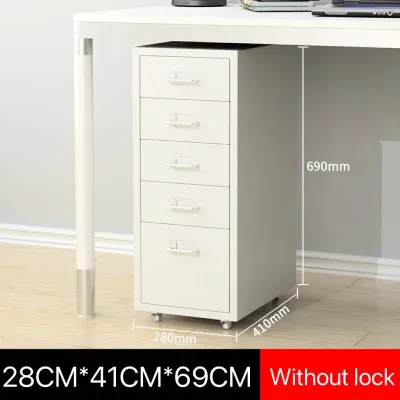
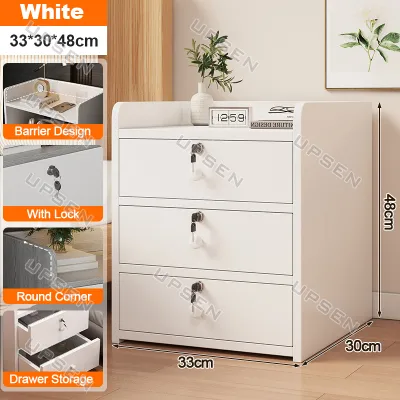
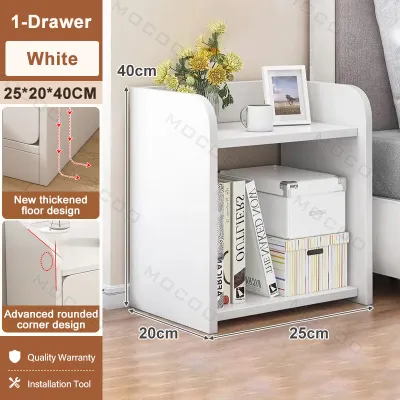
![[On Hand] Bamboo Bedside Table with drawer side table bedroom Storage Cabinet](https://img.lazcdn.com/g/p/3dc049f64c8ef21e9b6614f04e563ce4.jpg_400x400q80.jpg_.webp)
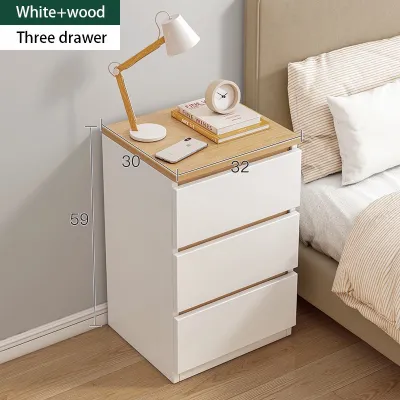
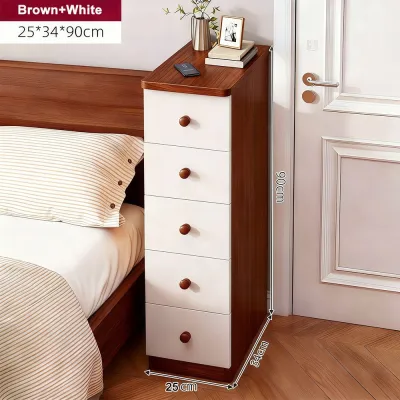
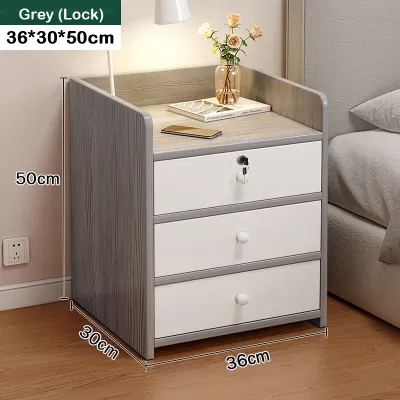
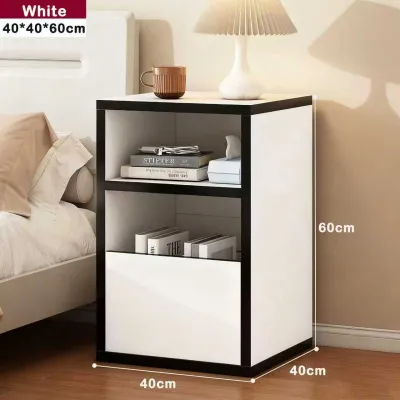
Prices are valid at publication and may change. Please refer to the product page for the latest price.
How to Measure and Choose the Right Side Drawer Table
Selecting a side table with a built-in side drawer involves much more than finding an attractive design. Because small spaces have very little margin for error, you must carefully evaluate physical dimensions, clearance zones, mechanical components, and material durability before making a purchase.
Dimensions and Clearances
Before browsing online marketplaces or visiting local showrooms, grab a measuring tape and map out your available floor space. Measure the exact gap between your sofa armrest and the adjacent wall, doorway, or other furniture pieces. To maintain a comfortable and safe environment, ensure there is at least 5 to 10 centimeters of clearance between the table and surrounding items to prevent friction and fabric wear.
For tight pathways and narrow living rooms, look for tables with a depth of 30 to 40 centimeters. This depth provides sufficient surface area for a cup or a book without protruding into your walking paths. Additionally, measure the height of your sofa’s armrest; your side table should sit relatively flush with this point for easy physical access.
Drawer Mechanisms
The longevity of your side table depends heavily on its moving parts. In compact layouts, how a drawer opens and closes can impact both convenience and safety. Compare the two primary drawer mechanisms available:
- Soft-Close Metal Glides: These modern mechanisms utilize ball bearings and dampening systems to ensure the drawer closes quietly and smoothly. In tight spaces, soft-close glides are highly recommended because they prevent the table from shifting, sliding, or tipping over when a drawer is pulled open quickly. They also eliminate the disruptive noise of slamming drawers in quiet condo environments.
- Traditional Wooden Runners: Common in classic and rustic furniture, these rely on wood sliding against wood. While visually seamless, they lack built-in stops, meaning a drawer can easily be pulled completely out of the frame, risking foot injuries or damage to the table's contents.
Material and Climate Suitability
The tropical, highly humid climate of the Philippines presents unique challenges for wooden furniture. High relative humidity can cause unsealed wood to absorb moisture, leading to warping, swelling, and sticky drawers that are difficult to open.
- Check the Finish: When evaluating solid wood or engineered wood (such as MDF or plywood) tables, verify that the piece has been treated with a moisture-resistant protective coating. Look for product specifications that list polyurethane, lacquer, or high-pressure melamine laminates, which seal the wood fibers against atmospheric moisture.
- Inspect the Joints: Examine how the drawer boxes are constructed. Dovetail or dowel joints offer superior structural integrity compared to simple glued or stapled corners, which can degrade rapidly under humid conditions.
- Verify Assembly Conditions: If the table requires home assembly, check if the manufacturer provides clear instructions, pre-drilled holes, and high-quality hardware. Poorly assembled joints can compromise the stability of the entire unit.
Visual Weight and Base Design
In small rooms, the visual weight of your furniture affects how spacious the area feels. Solid, blocky side tables that sit flat on the floor can make a room feel dark and cramped because they obstruct light and floor visibility.
To create an illusion of spaciousness, opt for tables with raised legs, such as Scandinavian tapered legs or mid-century modern metal frames. Allowing light to pass underneath the table makes the floor area appear larger and more open. Furthermore, raised bases make daily cleaning and vacuuming much easier, preventing dust from accumulating in hard-to-reach corners.
Access and Delivery Considerations
Do not overlook the logistics of bringing the furniture into your home. If you live in a high-rise condominium, check the finished dimensions of the table’s packaging against your building’s service elevator, stairwells, and front door frame. Choosing a flat-packed model that you assemble inside your unit can bypass transport issues, provided you follow the manufacturer’s assembly steps carefully.
Best Side Table Styles with Drawers for Condos and Small Rooms
To find the best side table for your specific layout, you must evaluate different structural styles based on their footprint efficiency, storage capacity, and aesthetic integration. Different designs solve distinct space constraints, so matching the style to your daily habits is key.

Slim Rectangular Console Side Tables
Slim rectangular side tables are designed specifically to utilize narrow gaps that would otherwise go wasted. These units feature a long, shallow footprint that sits flush against the side of a sofa or a flat wall.
- Pros: They fit into incredibly narrow spaces, often requiring as little as 25 to 30 centimeters of width. The shallow drawer is perfect for organizing small, easily misplaced items such as television remotes, reading glasses, coasters, and charging cables.
- Cons: Because the top surface is narrow, it cannot accommodate large, wide-base table lamps, bulky decor, or multiple large items at once.
- Best Use Case: Ideal for placing between a sofa and a wall, or in narrow entryways where floor space is extremely limited.
- Stability Check: Because of their high center of gravity and narrow base, check the table's stability. Ensure the manufacturer specifies a solid, weighted lower shelf or base, and avoid placing heavy items on the very edge of the table.
C-Shaped Tables with Hidden Storage
C-shaped tables represent the pinnacle of space-saving engineering for modern living rooms. The unique frame features a cantilevered top supported by a recessed base, allowing the bottom of the table to slide completely under your sofa.
- Pros: By sliding under the furniture, the tabletop and integrated drawer are brought directly over your lap or sofa arm. This eliminates the need for dedicated floor space next to the couch, making it an excellent temporary desk for working from home or a stable surface for dining.
- Cons: These tables generally have a lower weight capacity compared to traditional four-legged designs. The drawer built into a C-shaped table is typically very shallow to maintain a slim profile.
- Best Use Case: Perfect for studio apartments and ultra-compact living rooms where there is zero clearance space on either side of the sofa.
- Pre-Purchase Check: You must measure your sofa's ground clearance. Ensure there is at least 2 to 5 centimeters of clear space beneath the sofa frame for the table's bottom metal base to slide in smoothly. Also, check that the height of the cantilevered top clears your sofa's seat cushions.
Drop-Leaf or Expandable Side Tables
Drop-leaf side tables offer a highly flexible surface area that can adapt to changing daily needs. These tables feature a compact central base containing one or more drawers, flanked by foldable wooden panels (leaves) supported by hinges or sliding brackets.
- Pros: When guests visit or when you need extra workspace, you can lift the leaves to double or triple the surface area. When not in use, the leaves fold flat against the sides of the table, restoring its compact footprint.
- Cons: The mechanical hinges and support brackets introduce moving parts that require periodic inspection and maintenance. Overloading the extended leaves can put strain on the hinges, potentially causing sagging over time.
- Best Use Case: Excellent for multi-functional living rooms where you occasionally need extra serving space for entertaining or a larger surface for hobbies.
- Maintenance Check: Regularly inspect the hinge screws and support arms to ensure they remain tight and aligned. Always follow the manufacturer's maximum load limits for both the main tabletop and the extended leaves.
Layout and Placement Tips for Tight Spaces
Once you have selected the right style of side table, proper placement is essential to maintain a comfortable, functional, and safe living room layout. Poor positioning can create physical bottlenecks and disrupt the flow of your home.
Traffic Flow and Clearances
To keep your living room easy to navigate, prioritize clear walking pathways. Maintain a minimum of 60 centimeters of open space along primary walkways so that family members can move through the room without having to turn sideways or bump into furniture. If your side table is placed near a high-traffic doorway, ensure the drawer can be fully extended without blocking the door’s swing path or forcing someone to step backward.
Power Access and Cable Management
In modern homes, side tables often host charging stations for phones, tablets, and laptops. Before positioning your table, locate your wall outlets. Avoid pushing the back of the side table directly against a wall outlet, as this can bend and damage power cords.
Look for side tables that feature built-in cable management grommets or recessed back panels. When placing the table, ensure the drawer’s depth does not block access to wall sockets when it is fully extended. If you must run extension cords, secure them along the baseboards to prevent tripping hazards.
Visual Balance and Proportions
Pairing furniture of mismatched scales can make a small room look cluttered and disorganized. If you have a bulky, plush sofa, a tiny, ultra-thin side table might look visually lost and physically unstable. Conversely, a solid, heavy wooden block table next to a delicate, low-profile sofa will overwhelm the space.
To achieve visual balance, pair a leggy, delicate side table with a substantial sofa to introduce light and contrast. If you plan to use a table lamp, select a model with a slim, vertical base and a narrow shade. A bulky lamp will consume all your usable surface area and make the seating zone look top-heavy.
Frequently Asked Questions (FAQ)
What is the ideal height for a side table next to a sofa?
Your side table should ideally sit level with, or slightly below, the armrest of your sofa, with an acceptable range of 2 to 5 centimeters below the arm height. This relative positioning ensures that you can comfortably reach for a glass, book, or remote control without straining your arm or shoulder. Keeping the table surface slightly below the armrest also acts as a physical barrier, preventing items from easily being knocked off the table and onto the sofa cushions.
How do I prevent wood drawers from sticking in humid weather?
To prevent wooden drawers from binding or sticking during the humid monsoon season in the Philippines, maintain a stable indoor climate by utilizing an air conditioner or a dehumidifier in your living area. For a quick and low-risk physical remedy, apply a thin layer of plain, unscented candle wax, paraffin wax, or a specialized dry silicone lubricant along the drawer’s wooden runners to reduce friction. Always check the manufacturer’s care instructions before applying any chemical lubricants, and avoid placing the table directly against damp exterior walls where moisture transfer is highest.
Community discussion
Share your experience or ask a question. Comments are reviewed before publication.