
Finding the perfect balance between functionality and style is a common challenge when furnishing a compact breakfast nook. In many Philippine homes, where condominiums, townhouses, and open-plan studio apartments are increasingly popular, maximizing every square inch of dining space is essential. A side table with a secret drawer offers an ingenious solution to this spatial puzzle, providing a practical surface for your morning coffee while keeping clutter completely out of sight.
These specialized tables serve a dual purpose: they act as convenient landing pads for cups, plates, and decor, while their concealed compartments offer a secure, invisible storage zone. Whether you need a place to tuck away daily essentials, keep digital devices close but clean, or secure personal items, a hidden drawer table optimizes your layout without sacrificing style. By choosing the right piece, you can transform a cramped corner into a highly efficient, organized, and inviting breakfast retreat.
Why Add a Secret Drawer Side Table to a Compact Breakfast Nook?
Compact dining areas and breakfast nooks are highly susceptible to visual clutter. Because these spaces are often used for multiple activities—such as quick morning meals, remote work, or reading the news—items like charging cables, tablets, mail, and writing utensils quickly accumulate on the tabletop. A side table with a secret drawer helps maintain a clean, minimalist aesthetic by providing an immediate, dedicated home for these items, ensuring your dining surface remains clear and welcoming.
Products mentioned in this guide

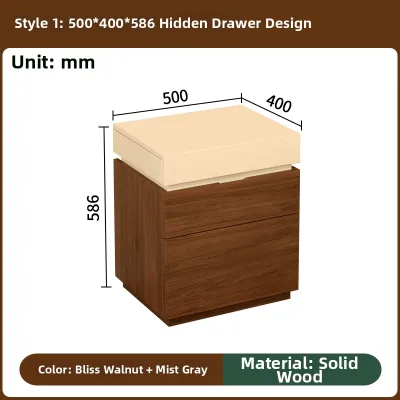
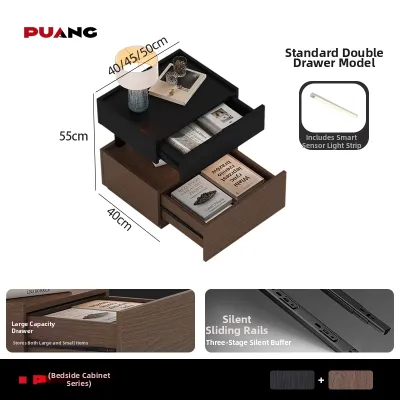

Prices are valid at publication and may change. Please refer to the product page for the latest price.
From a layout perspective, a side table utilizes tight corners or the small gaps between dining benches and walls that might otherwise go to waste. Standard storage cabinets or bulky sideboards often overwhelm a small nook, blocking natural light and restricting movement. A compact side table maintains an open, airy feel while delivering the exact amount of storage needed for daily routines, making the entire dining area feel larger and more organized.
Beyond simple organization, the concealed nature of a secret drawer adds an extra layer of security and privacy. It is the ideal spot to store items you want to keep close at hand but out of plain sight, such as spare household keys, emergency cash, personal diaries, or prescription medications. Because the drawer is integrated seamlessly into the table’s design without obvious handles or hardware, casual visitors will not even realize a storage compartment exists, keeping your valuables discreetly protected.
Measuring Your Space: Dimensions and Clearance Requirements
Before shopping for a side table, taking precise measurements of your breakfast nook is critical to ensure a comfortable fit and smooth traffic flow. Start by measuring the footprint of the area where the table will stand. You must account for the clearance required by your existing seating, whether you use standard dining chairs, stools, or a built-in corner bench. As a general rule, allow at least 60 centimeters of clearance behind chairs to pull them out comfortably, and at least 90 centimeters of clear walkway space in high-traffic paths.

Next, verify the height of your existing breakfast nook seating to choose a table with compatible proportions. If your nook features standard dining chairs, look for a side table that stands around 75 centimeters tall, which aligns comfortably with standard dining heights. If you use counter-height stools, a taller side table measuring approximately 90 centimeters will prevent you from having to bend down constantly to reach the surface. The tabletop should ideally sit level with or slightly below the armrests of your seating for optimal ergonomics.
Finally, do not forget to measure the delivery route to your breakfast nook. In many urban residential buildings, navigating narrow hallways, tight stairwells, low door frames, and small elevator cabins can be a major obstacle. Measure the width and height of every doorway and passage the packaged table must pass through. Choosing a flat-packed model or a compact, fully assembled piece that fits easily through your building’s entryways will save you significant frustration on delivery day.
Choosing Materials and Finishes for Dining Environments
Because your side table will reside in a dining environment, the materials and finishes you select must be durable enough to withstand daily exposure to food, liquids, and heat. The tropical climate of the Philippines, characterized by high humidity and warm temperatures, also plays a major role in material longevity. High humidity can cause poorly sealed wood to warp, swell, or crack over time, which can easily jam a tightly fitted secret drawer mechanism.
When evaluating wood options, look for kiln-dried solid hardwoods or high-grade plywood with water-resistant veneers, as these materials offer superior structural stability under changing moisture levels. Avoid low-quality, unsealed particle board or medium-density fiberboard (MDF), which can absorb moisture from condensation or spills and swell permanently. If you prefer a modern look, powder-coated metal frames paired with tempered glass or stone tops provide excellent durability and are completely unaffected by humidity.
Spills are inevitable in any breakfast nook, so the table’s finish must be easy to clean and maintain. Check the manufacturer’s specifications for protective coatings such as polyurethane, lacquer, or melamine laminates, which create a non-porous barrier against water, coffee stains, and oils. A quick wipe with a damp microfiber cloth should be all that is required to clean the surface. Additionally, inspect the quality of the joints; look for sturdy construction methods like mortise-and-tenon joints, dowels, or heavy-duty metal corner brackets rather than simple glue and staples to ensure the table remains stable under daily use.
Evaluating Hidden Drawer Mechanisms and Accessibility
The functionality of a secret drawer relies entirely on the design and quality of its hidden mechanism. There are several common styles of concealed openings, each offering a different balance of security and ease of access. Push-to-open systems are highly popular because they require no external handles or pulls; a gentle press on the drawer front activates a spring-loaded latch that pops the drawer open. This design keeps the table’s exterior completely flush and seamless.
Another option is a magnetic lock system, which uses a separate magnetic key to release an internal latch. This provides a higher level of security, making it nearly impossible for anyone without the key to open the drawer. Alternatively, some tables feature hidden finger pulls tucked under the bottom edge of the table frame, or slide-out false bottoms that reveal a shallow compartment beneath the main drawer. When choosing a mechanism, consider how often you will need to access the drawer and whether you prioritize quick convenience or maximum security.
Regardless of the mechanism type, check the quality and smoothness of the drawer glides. High-quality, full-extension ball-bearing slides ensure the drawer opens smoothly without sticking or sagging, even when fully extended. Verify the manufacturer’s specified weight limit for the drawer to avoid overloading the mechanism. Lastly, ensure that the hidden compartment does not extend too far downward beneath the tabletop; a bulky drawer box can severely restrict legroom, making it uncomfortable to sit close to the table.
Building Your Shortlist: Matching Storage to Your Breakfast Routine
To find the best side table for your specific needs, start by defining exactly what you plan to store in the secret drawer. If your goal is to keep your breakfast routine organized, you might want to store cloth napkins, placemats, extra cutlery, or coaster sets. If your breakfast nook doubles as a morning workspace, you will likely need space for a tablet, e-reader, charging cables, and notebooks. Measuring the physical dimensions of these target items will help you determine the minimum internal width, depth, and height required of the drawer.
Once you have a clear idea of your storage requirements, look for tables that offer helpful internal organization features. Some secret drawers come with built-in dividers or shallow trays, which are excellent for keeping small items like pens, keys, or cutlery from sliding around when the drawer is opened. If the table you like does not include dividers, check if the internal dimensions allow you to add aftermarket drawer organizers or felt lining to protect delicate items like screens or jewelry.
Consider whether supplementary features would enhance your daily routine. For instance, a side table with a lower open shelf provides a great spot to stack morning newspapers, magazines, or cookbooks, keeping them off the main dining surface. Some modern side tables also feature integrated charging ports or cable management slots. If you choose a model with electrical features, ensure the power cords are routed neatly and do not interfere with the smooth operation of the hidden drawer mechanism.
Assembly, Placement, and Safety Checks
Once your side table arrives, proper assembly and placement are crucial to ensure its long-term safety and stability in a busy household. Always follow the manufacturer’s assembly instructions step-by-step, using the exact hardware provided. Avoid using power tools unless specified, as over-tightening screws can strip the threads in wood or damage delicate hidden latch mechanisms. Take your time to align the drawer tracks perfectly during assembly; even a slight misalignment can cause a push-to-open or magnetic latch to stick or fail to lock.
After assembling the table, place it in its designated spot in the breakfast nook and check for any wobble. Uneven tile or wooden floors, which are common in many homes, can cause a table to rock. Use a bubble level to verify that the tabletop is perfectly flat. If the table wobbles, adjust the leveling feet if provided, or use discreet furniture pads under the legs to stabilize it. A stable, level surface is essential to prevent hot coffee, tea, or food from spilling during your morning meals.
Finally, perform a safety check on the table’s placement within the room. Ensure that the table does not block high-traffic pathways, doorways, or emergency exit routes in your home. If you have placed the table next to a walkway, make sure its corners are rounded or positioned in a way that minimizes the risk of painful bumps. If the table is tall, narrow, or top-heavy, and you plan to store heavier items in it, consider using an anti-tip wall anchor to secure it firmly, ensuring a safe environment for everyone in the household.
Frequently Asked Questions (FAQ)
Can a secret drawer support heavy items like ceramic dishware?
Secret drawers are generally designed for lightweight daily essentials rather than heavy ceramic plates or serving bowls. Because these drawers rely on specialized, concealed hardware—such as push-to-open latches, magnetic locks, or hidden undermount glides—their load-bearing capacity is typically lower than that of standard kitchen cabinet drawers. Overloading a secret drawer can strain the tracks, misalign the locking mechanism, or cause the drawer to sag, preventing it from opening or closing properly. Always check the manufacturer’s specified weight limit, which is often under 5 kilograms, and stick to lightweight items like napkins, cutlery, tablets, or documents.
How do I maintain the hidden drawer mechanism over time?
To ensure the long-term functionality of a concealed drawer, regular maintenance of the moving parts is essential. Because the table is located in a dining area, crumbs, dust, and food particles can easily find their way into the drawer tracks. Periodically open the drawer fully and use a soft brush or a vacuum cleaner attachment to remove any debris from the glides and latches. Avoid spraying harsh chemical cleaners or heavy oils directly onto the tracks, as these can attract dust and create a sticky buildup that jams the mechanism. If the drawer begins to stick, check the alignment of the tracks and apply a small amount of dry silicone lubricant if recommended by the manufacturer.
Are side tables with secret drawers suitable for homes with young children?
Side tables with secret drawers can be used in homes with young children, but they require careful safety considerations. Push-to-open mechanisms and spring-loaded latches can pose a minor pinch hazard for small, curious fingers if children attempt to play with them. Additionally, because these tables are often compact and lightweight, they can pose a tip-over risk if a child attempts to climb on them or pull down on an open drawer. To ensure safety, always verify the overall stability of the table, use anti-tip wall anchors if necessary, and avoid storing any items inside the secret drawer that could be hazardous to children, such as medications, sharp objects, or small choking hazards.
Community discussion
Share your experience or ask a question. Comments are reviewed before publication.