
Finding the right seating for a compact condominium, studio apartment, or bedroom corner in the Philippines requires balancing comfort, functionality, and floor space. A single lazy sofa couch offers a dedicated spot for relaxation without the overwhelming footprint of a traditional multi-seater. To maximize a small living room or study, the ideal choice is a piece that provides adequate ergonomic support, matches the room’s visual scale, and stands up to the local tropical climate. Selecting the best model involves understanding how different designs function in tight layouts and verifying their dimensions against your actual living space.
By focusing on structural types, precise measurements, and smart material choices, you can find a comfortable seating solution that enhances your home. This guide breaks down the essential criteria for evaluating these compact loungers, compares the most popular designs available, and provides practical tips for space planning and tropical furniture maintenance.
How to Evaluate Single Lazy Sofas for Small Spaces
To find a lazy sofa couch single setup that works in a restricted area, you must look beyond aesthetic appeal and evaluate how the piece physically and visually interacts with the room. The first critical factor is the difference between the resting footprint and the fully expanded or reclined footprint. Many single loungers feature adjustable backrests, slide-out bases, or pull-out footrests that require significantly more floor area when in use than when upright. Failing to account for this extended state can block doorways, press the furniture too close to other items, or disrupt the room’s flow.
Products mentioned in this guide

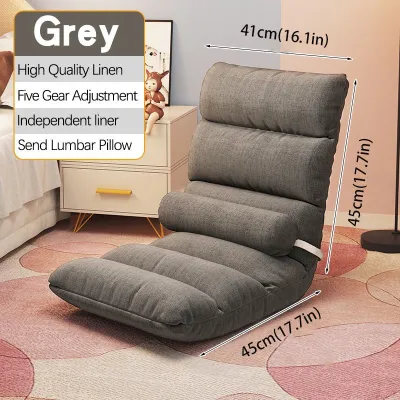
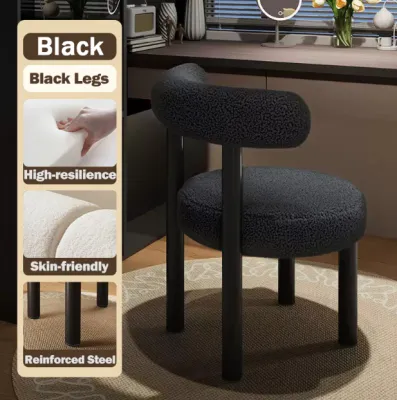
Prices are valid at publication and may change. Please refer to the product page for the latest price.
Visual weight is another major consideration in small-space design. Bulky, skirted bases that sit flush against the floor tend to block light and make a room feel cramped. In contrast, low-profile designs or sofas with exposed, slender legs allow light to pass underneath and around the frame. This open space creates an optical illusion of a larger room, keeping your living area or bedroom feeling airy despite the addition of substantial seating.
Portability is highly valuable for renters or individuals who frequently rearrange their living spaces. A lightweight single lazy sofa can easily be shifted from the living room to the bedroom, or pushed aside when hosting guests or cleaning. Before purchasing, verify the total weight of the unit and check if it has built-in handles, lightweight foam cores, or a modular structure that simplifies transport.
Finally, compact size should not come at the expense of basic ergonomics. A supportive lazy sofa must feature adequate seat depth and sufficient back support to prevent discomfort during extended sitting. Look for models that offer structured lumbar support, dense cushioning, or adjustable headrests. Testing or verifying the seat height and depth ensures that the sofa remains a comfortable retreat rather than an awkward, unsupportive seat.
Best Types of Single Lazy Sofas for Compact Living
When shopping for a lazy sofa couch single option in the Philippines, you will encounter several distinct designs. Each type offers unique structural advantages and trade-offs tailored to specific compact layouts and user preferences.

Bean Bag Chairs and Structured Loungers
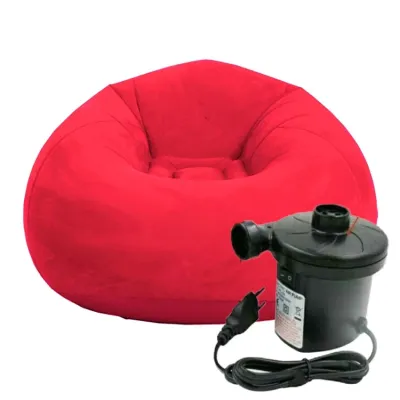
Modern structured bean bags and foam-filled loungers have evolved far beyond the shapeless sacks of the past. These contemporary versions utilize internal panels, baffled chambers, or high-density shredded foam cores to maintain a defined chair-like shape. This structure provides consistent back and neck support, making them highly suitable for reading, gaming, or watching television.
The primary benefit of these structured loungers is their remarkable flexibility and light weight. Because they lack heavy wooden or metal frames, they can be lifted effortlessly and tucked into a corner or closet when you need to reclaim floor space. They conform gently to the body, distributing weight evenly and reducing pressure points.
However, these models do have notable limitations:
- Low Seating Height: Their low-profile height can make sitting down and standing up difficult, particularly for elderly family members or individuals with joint sensitivity.
- Maintenance Needs: Foam and bead fillings compress over time; you must be prepared to occasionally fluff the lounger or purchase refill beads to restore its original loft and support level.
- Heat Retention: Dense foam fillings can trap body heat, requiring breathable outer covers to remain comfortable in warm weather.
Foldable Floor Sofas and Mattress Chairs
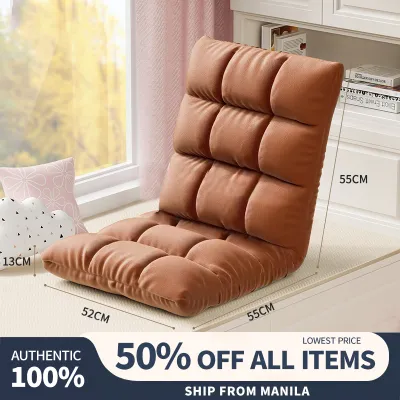
Foldable floor sofas and multi-functional mattress chairs are excellent space-saving solutions for studio apartments. These versatile pieces typically feature an internal metal frame with an adjustable click-clack mechanism, allowing the backrest to lock into multiple angles from upright sitting to completely flat. When fully unfolded, they transition seamlessly into a temporary sleeping surface.
When selecting a floor sofa, it is essential to check the thickness and density of the internal foam. Low-quality, thin foam will quickly compress under weight, causing you to bottom out against the hard floor. Look for high-density polyurethane foam or multi-layered cushioning that offers a firm, supportive barrier.
Keep in mind that these sofas sit directly on the floor, meaning they require clear, clean floor space to operate. Because they lack legs, they do not offer under-sofa storage and can be challenging to use for anyone who struggles with low-to-the-ground seating. They are best suited for younger adults, children’s playrooms, or casual study corners.
Compact Recliners and Push-Back Chairs
For those who prefer traditional living room comfort without the massive bulk of standard armchairs, compact recliners and push-back chairs are excellent choices. Push-back recliners eliminate the need for bulky side levers, operating instead via body weight when you lean back. This design results in a much sleeker, cleaner silhouette that blends easily into modern decor.
When planning for a recliner, you must differentiate between traditional push-back designs and zero-wall-clearance (or wall-hugger) models:
- Traditional Push-Back: Requires substantial space behind the chair to allow the backrest to tilt backward.
- Zero-Wall-Clearance: Slides forward on an internal track as it reclines, requiring only a few centimeters of space between the back of the chair and the wall.
The trade-offs of choosing a compact recliner include a narrower seat width and a shorter footrest, which might not fully accommodate taller individuals. Always verify the manufacturer’s specified wall clearance and fully extended length before placing a recliner in a tight corner or narrow hallway.
Space Planning and Clearance Requirements
Successful placement of a single lazy sofa relies on precise space planning. Before browsing online marketplaces or visiting local showrooms, take physical measurements of your designated area. Use a tape measure to record the width, depth, and height of the space, taking care to account for baseboards, wall moldings, and the swing path of nearby doors or cabinets.
Do not overlook the locations of power outlets, light switches, and air conditioning units. Placing a tall-backed sofa directly under a low-hanging split-type air conditioner or blocking a vital wall outlet can disrupt your room’s functionality. If you choose an electric recliner, you will need to position it within safe reach of an outlet without stretching cords across walking paths.
Equally important is measuring the delivery path. Many apartment and condominium dwellers face the frustrating challenge of purchasing furniture that cannot fit through the building’s elevator, narrow stairwells, or front door. Measure the height and width of all entryways, hallways, and elevator doors, and compare these to the sofa’s shipping box dimensions. If access is tight, look for flat-packed models or those with removable legs and backrests.
When positioning the sofa, plan for adequate traffic flow. A comfortable room requires at least 60 to 75 centimeters of clear walking space around furniture. Ensure that when the sofa is fully reclined or unfolded, it does not obstruct the primary path through the room or block access to balconies and wardrobes. Always rely on the manufacturer’s official dimension sheets rather than guessing based on product photographs.
Material and Upholstery Checks for Humid Environments
The tropical climate of the Philippines introduces unique challenges for furniture maintenance, particularly high humidity and heat. When selecting upholstery for your single lazy sofa, prioritize breathability and moisture resistance. Heavy, tightly woven synthetic fabrics can trap heat and sweat, leading to an uncomfortable sitting experience and creating a breeding ground for mold, mildew, and musty odors.
Woven linen blends, breathable cotton canvas, and treated performance fabrics are excellent choices for warm climates. If you prefer the look of leather, opt for high-quality, breathable polyurethane (PU) synthetic leather over cheap PVC, which tends to stick to bare skin and crack quickly under heat.
Given that many lazy sofas—especially floor-level models—sit close to the ground, they are highly susceptible to collecting dust, pet hair, and floor spills. Choosing a model with a removable, machine-washable cover simplifies maintenance significantly. This feature allows you to keep the seating clean and fresh without the need for expensive professional upholstery cleaning services.
Remember that material names alone do not guarantee durability or performance. Always check the manufacturer’s care labels and specific fabric treatment ratings, such as water-repellent or stain-resistant coatings. To protect your investment, establish a basic maintenance routine:
- Weekly Vacuuming: Remove dust mites, pet dander, and loose dirt from seams and crevices.
- Immediate Spot Cleaning: Wipe down spills immediately using a clean, damp cloth and mild soap, following the manufacturer's care instructions.
- Adequate Ventilation: Ensure your room remains well-ventilated, using ceiling fans, open windows, or air conditioning to prevent moisture buildup inside the foam cushions.
Frequently Asked Questions (FAQ)
Can a single lazy sofa replace a regular bed for guests?
While some foldable floor sofas and mattress chairs can unfold into a flat sleeping surface, they are generally designed for temporary, short-term use rather than replacing a standard bed. Their internal metal frames and high-density foam layers may lack the progressive support and pressure relief required for long-term spinal alignment. If you plan to use one for overnight guests, verify that the unfolded length accommodates an adult’s height comfortably and check that the foam density is high enough to prevent the sleeper from feeling the hard floor underneath.
How do I prevent a floor sofa from sliding on smooth tiles?
Floor-level sofas often slide backward when you sit down or lean back, especially on smooth ceramic, marble, or polished concrete tiles common in Philippine homes. To secure the sofa, place a high-quality non-slip rug pad or self-adhesive silicone grippers directly beneath the base. Before applying any adhesive or high-friction material, check both the sofa’s bottom fabric and your flooring manufacturer’s care guidelines to ensure the gripper will not cause discoloration, staining, or surface damage over time.
Community discussion
Share your experience or ask a question. Comments are reviewed before publication.