
Why a Single-Size Sofa Bed is Ideal for Compact Spaces
Living in major urban hubs across the Philippines often means adapting to compact spaces. With studio apartments and micro-condos in Metro Manila, Cebu, and Davao frequently ranging from 18 to 28 square meters, maximizing every square inch of floor area is a daily necessity. A sofa bed single size configuration offers an elegant, dual-purpose solution to this spatial challenge. It serves as comfortable daytime seating for working or relaxing and transitions into a dedicated sleeping surface for one adult at night, eliminating the need for a separate, bulky bed frame.
In the context of Philippine furniture standards, a “single-size” sofa bed typically accommodates a mattress footprint of approximately 36 inches wide by 75 inches long (91 cm x 190 cm). This compact footprint is highly efficient because it fits easily into tight corners, narrow study rooms, or alongside living room walls without blocking essential walkways. By consolidating your sleeping and seating areas into a single piece of furniture, you free up valuable floor space for other daily activities, storage units, or home office setups.
Selecting the right model requires evaluating more than just visual appeal. To find a reliable single-size sofa bed, you must assess the durability of its conversion mechanism, its overall space efficiency when fully extended, the comfort and density of its mattress, and its structural stability. Our evaluation process relies on verified manufacturer specifications, material standards, and real-world user feedback to ensure that your chosen sofa bed stands up to daily use in a tropical environment.
Products mentioned in this guide
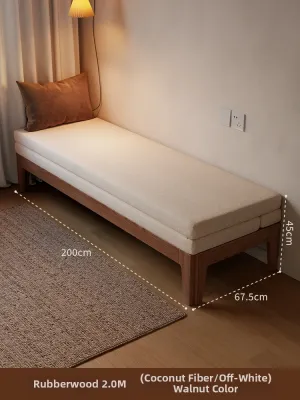


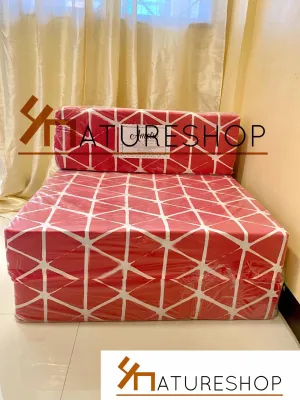

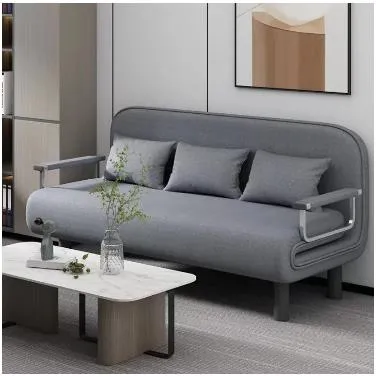

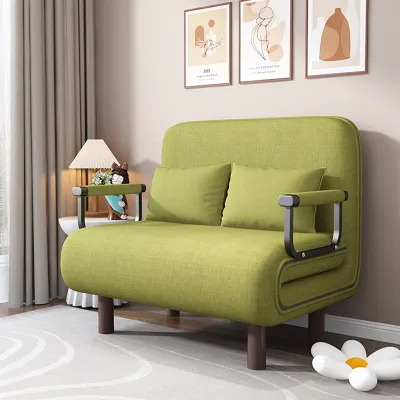
Prices are valid at publication and may change. Please refer to the product page for the latest price.
Essential Features to Check Before You Buy
Before purchasing a single-size sofa bed, it is crucial to understand the engineering behind different designs. The way a sofa bed converts, the materials used in its mattress, and the strength of its frame directly impact its longevity, comfort, and daily usability.

Mechanism Types
Sofa beds generally utilize one of three primary conversion mechanisms, each offering distinct trade-offs in terms of operation and space requirements:
- Click-Clack (Folding Backrest): This design operates on a hinged frame. By lifting the seat upward until it clicks, you unlock the mechanism and lower the backrest flat to align with the seat. It is highly valued for its rapid transition speed and minimal mechanical parts, though it usually requires a small gap between the back of the sofa and the wall to operate.
- Pull-Out (Hidden Frame): This mechanism houses a collapsible metal or wooden frame beneath the seat cushions. To convert it, you pull the lower base forward on wheels or tracks, allowing the mattress to unfold. Pull-out models provide a traditional bed height and keep the sleeping surface separate from the seating surface, but they require substantial forward clearance.
- Fold-Down (Futon or Tri-Fold): These models are often frameless or feature low-profile wooden slats. They convert by simply unfolding layered high-density foam cushions directly onto the floor. They are exceptionally simple to use and lightweight, though they sit very low to the ground.
Mattress Quality and Thickness
The comfort of your sofa bed depends heavily on its mattress construction. Thinner foam layers (typically 2 to 4 inches) are common in budget-friendly click-clack models; while they save space and keep the sofa lightweight, they can feel firm and may lose their shape over time under daily use. Conversely, thicker mattresses (5 inches or more) featuring high-density polyurethane foam, memory foam, or pocket springs offer superior spinal alignment and pressure relief. However, these thicker options require more robust, heavier frames to store them, which increases both the overall footprint and the weight of the furniture.
Frame and Build Stability
A sofa bed must support your weight in both sitting and sleeping positions, making frame construction a top priority. Look for frames made from kiln-dried solid wood (such as mahogany or gmelina, which are common in high-quality Philippine furniture) or heavy-duty, powder-coated steel tubing. Avoid assuming that a material is durable based on its name alone; always verify the manufacturer’s stated maximum weight capacity. Inspect the joints, welds, and leg attachments to ensure they are reinforced to prevent wobbling or structural failure over time.
Mechanism Comparison Matrix
| Mechanism Type | Ease of Conversion | Sleep Comfort | Storage Footprint | Best For |
|---|---|---|---|---|
| Click-Clack | Very Easy (Seconds) | Medium-Firm (Seam in middle) | Compact (Needs small wall gap) | Multi-purpose rooms, home offices, and occasional guests |
| Pull-Out | Moderate (Requires pulling frame) | Medium to High (Thicker mattress) | Deep (Requires significant front clearance) | Daily sleeping, dedicated guest rooms, and studio condos |
| Fold-Down | Easy (Unfolds on floor) | Variable (Depends on foam density) | Minimalist height (Sits directly on floor) | Low-profile aesthetics, children's rooms, and tight budgets |
Best Single-Size Sofa Beds by Mechanism and Use Case
To help you find the right fit for your home, we have categorized the top single-size sofa beds available in the Philippine market by their mechanical design and ideal use case. These recommendations focus on structural integrity, comfort, and suitability for local living conditions.
Click-Clack Models for Quick and Easy Conversion
Click-clack single sofa beds are highly recommended for multi-functional spaces like home offices or guest rooms where you need to transition from a seating area to a sleeping zone in seconds. Because the backrest folds flat to form the bed, these models do not require a long frame to extend into the room, making them excellent for narrow layouts.
One popular option in the local market is the Mandaue Foam Duo Single Sofa Bed. This model features a simple, robust click-clack hinge that locks securely into three distinct positions: upright seating, a relaxed recline, and a fully flat sleeping surface. It is upholstered in a durable woven fabric that handles daily wear well. The mattress portion consists of high-density foam that provides a firm, supportive sleeping surface, which is highly beneficial for those who prefer solid back support.
- Ideal User: Condo dwellers who need a compact secondary bed for occasional overnight guests or a space-saving seating option in a home office.
- Primary Benefits: Extremely fast conversion, small operational footprint, and a clean, modern aesthetic.
- Notable Limitations: The sleeping surface is firm, and there is a noticeable seam down the center where the seat and backrest meet. It also requires approximately 10 to 15 centimeters of clearance from the wall to transition into a bed.
- Pre-Purchase Checklist: Measure your wall clearance to ensure you do not have to slide the entire unit forward every time you want to lower the backrest. Check the fabric care label to confirm compatibility with standard upholstery vacuum attachments.
Pull-Out Designs for Better Mattress Support
If you plan to use your single-size sofa bed frequently or have guests staying for extended periods, a pull-out design is the superior choice. These models prioritize sleep quality by housing a dedicated, continuous mattress that does not rely on folding seat cushions for support.
An excellent representative of this category is the IKEA Lycksele Lövås Single Sofa Bed. This model features a resilient steel frame with supportive wooden slats and a pull-out undercarriage on smooth-rolling wheels. It comes equipped with a continuous, high-density polyurethane foam mattress that is approximately 10 centimeters thick, providing excellent spinal support without any uncomfortable seams. The removable and machine-washable fabric covers make it highly practical for busy households.
- Ideal User: Individuals living in studio apartments who use the sofa bed as their primary nightly sleeping surface, or those hosting frequent overnight guests.
- Primary Benefits: Consistent, seam-free mattress support, highly durable metal frame, and easily replaceable, washable covers.
- Notable Limitations: The frame is relatively heavy to move during cleaning, and the bed requires nearly 200 centimeters of forward clearance when fully extended.
- Pre-Purchase Checklist: Verify that the pull-out track has smooth clearance on your flooring (especially if placed on thick rugs or delicate wood laminates). Check that the mattress foam is well-ventilated to prevent heat retention during warm Philippine nights.
Futon-Style Options for Minimalist and Low-Profile Spaces
For ultra-compact rooms, minimalist aesthetics, or low-profile living, a frameless futon-style or tri-fold single sofa bed is a highly practical choice. These designs eliminate heavy metal or wood mechanisms entirely, relying instead on high-quality layered foam that folds directly onto the floor.
An excellent example is the Mandaue Foam Flexi Sofa Bed (Single). This lightweight unit consists of three connected segments of premium high-density foam wrapped in a soft, zippered fabric cover. During the day, it folds into a compact, low-profile armchair. At night, you simply unhook the side fasteners and unfold it directly onto the floor to create a single-size mattress. Because it lacks a heavy internal frame, it can be easily lifted and moved by one person.
- Ideal User: Students, renters who move frequently, or those looking for a highly affordable, lightweight sleeping solution for tight corners or playrooms.
- Primary Benefits: Lightweight and easy to transport, zero mechanical parts to maintain or break, and highly budget-friendly.
- Notable Limitations: Sits directly on the floor, which may make standing up difficult for older adults or individuals with limited mobility. It also lacks the structured armrests and elevated seating height of traditional sofas.
- Pre-Purchase Checklist: Ensure your floor surface is clean and dry before unfolding the mattress. Check the manufacturer's instructions regarding how to unzip and wash the outer cover without shrinking the fabric.
How to Measure Your Space for Delivery and Daily Use
One of the most common mistakes when buying a sofa bed single size is failing to account for the spatial logistics of delivery and daily operation. To avoid costly returns and layout headaches, follow these precise measurement steps before making a purchase.
Step 1: Map the Delivery Path
Before the sofa bed even reaches your living room, it must pass through your building’s entry points. This is especially critical in high-rise condominiums where space is tight.
- Elevators and Stairwells: Measure the height, width, and diagonal clearance of your building's service elevator. If your building does not have an elevator, measure the tightest turns in the stairwell.
- Doorways and Hallways: Measure the clear opening width of your main entrance door and any interior doorways the package must pass through. Don't forget to account for door handles, light fixtures, and narrow hallway corners that could block a bulky box.
- Packaged Dimensions: Always ask the retailer for the shipping carton dimensions. Sofa beds are often delivered partially assembled, and the box can be significantly wider or longer than the finished furniture dimensions.
Step 2: Calculate Operational Clearance
A sofa bed requires two distinct footprints: its closed sofa footprint and its open bed footprint. You must ensure your room can accommodate both configurations comfortably.
- The Swing Radius: Measure the distance from the back wall to the furthest edge of the bed when it is fully extended. For a standard single-size pull-out, this extension can reach up to 200 centimeters.
- Walking Paths: Ensure there is at least 50 to 60 centimeters of clearance on at least one side of the extended bed so you can easily get in and out of bed and walk through the room without tripping.
- Surrounding Furniture: Account for nearby items such as coffee tables, side tables, rugs, and TV consoles. Choose lightweight or wheeled secondary furniture that can be easily pushed aside when converting the sofa bed at night.
Step 3: Check Wall and Baseboard Alignment
Not all sofa beds can sit flush against your wall.
- Click-Clack Clearance: If you select a click-clack model, check if the hinges require a gap behind the frame. If they do, you will need to position the sofa slightly away from the wall permanently, or be prepared to slide the entire unit forward every time you use it.
- Baseboard Obstructions: Thick baseboards can prevent some metal-framed pull-out models from sitting completely flush, which may affect how the weight is distributed across the rear legs. Verify the leg placement of your chosen model to ensure a stable setup.
Care and Maintenance for Humid Environments
The tropical climate of the Philippines, characterized by high relative humidity and warm temperatures, presents unique challenges for furniture preservation. Without proper care, moisture can lead to mold growth on fabrics, deterioration of foam, and rust on metal mechanisms.
Moisture Management
High humidity levels (often exceeding 80% during the rainy season) can trap moisture inside your sofa bed’s mattress and upholstery. To protect your investment, implement these simple preventative measures:
- Promote Airflow: Position your sofa bed at least 5 to 10 centimeters away from concrete walls, as moisture can seep through masonry. Ensure the room has good ventilation by opening windows on dry days or running a ceiling fan.
- Use Dehumidifiers: If your room is prone to dampness, consider using a compact electronic dehumidifier or placing disposable moisture-absorbing canisters near the base of the furniture.
- Dry Out the Mattress: If the sofa bed is used for sleeping nightly, leave it unfolded for 15 to 30 minutes in the morning before folding it back up. This allows body heat and perspiration to evaporate rather than getting trapped inside the folded frame.
Fabric and Frame Care
Dust and humidity can combine to create a grime layer that degrades upholstery fibers and attracts dust mites. Regular cleaning is essential:
- Vacuum Regularly: Use an upholstery attachment to vacuum the seat cushions, crevices, and the underside of the mattress at least once a week to remove dust, pet dander, and fibers.
- Follow Care Labels: Always consult the manufacturer's care label before applying any liquid cleaners. For fabric upholstery, spot-clean spills immediately using a clean, dry microfiber cloth. Avoid saturating the fabric with water, which can encourage mold growth deep inside the foam.
- Protect the Surface: Use a removable, washable mattress protector whenever the sofa bed is in sleep mode. This adds an extra layer of defense against sweat, spills, and body oils.
Mechanism Upkeep
Metal hinges, tracks, and springs are susceptible to oxidation and wear over time. Periodic maintenance ensures smooth, quiet operation:
- Visual Inspections: Every few months, unfold the sofa bed and inspect the moving metal parts. Look for loose screws, bent brackets, or signs of surface rust.
- Lubrication: If the mechanism begins to squeak or feel stiff, apply a small amount of manufacturer-approved lubricant (such as a dry silicone spray) to the pivot joints. Avoid heavy oils or grease, which can drip onto the fabric and attract dirt.
- Avoid Force: If the mechanism feels stuck, do not force it. Inspect the tracks for obstructions like loose threads, coins, or dust buildup that might be blocking the rollers.
Frequently Asked Questions (FAQ)
Can a single-size sofa bed comfortably sleep an adult every night?
Yes, an adult can sleep comfortably on a single-size sofa bed nightly, provided you choose a model designed for heavy use. Look for pull-out designs featuring a continuous, high-density foam or pocket-spring mattress (at least 10 centimeters thick) supported by a sturdy metal frame with wooden slats. Standard click-clack models and thin foam futons are generally better suited for occasional guest use, as their thin padding and structural seams can cause pressure points and muscle stiffness over extended periods of consecutive nightly sleep.
How do I prevent the sofa bed mechanism from squeaking over time?
To prevent squeaking, perform regular maintenance on the moving components. Vacuum the tracks and hinges to remove dust and fabric lint, which can create friction. Periodically check and tighten any loose bolts or screws using basic hand tools. If noise persists, consult your product manual and apply a light coating of a dry silicone-based lubricant to the metal joints. Always avoid using harsh multi-purpose oils or WD-40 unless explicitly approved by the manufacturer, as these can degrade plastic washers and stain the surrounding fabric.
What is the standard weight capacity for a single sofa bed?
Weight capacities vary significantly depending on the frame material and construction quality. Generally, a standard single-size sofa bed built with a reinforced steel frame or solid hardwood can safely support between 90 to 120 kilograms (approximately 200 to 260 pounds) in both seating and sleeping configurations. Frameless foam tri-fold models do not have mechanical limits but rely on the floor for support, making them highly stable. Always verify the specific weight capacity labeled on the product packaging or user manual, as exceeding these limits can damage the conversion hinges and void your warranty.
Community discussion
Share your experience or ask a question. Comments are reviewed before publication.