
Finding the ideal single sofa bed for a Japandi-style living room in the Philippines requires a thoughtful balance of Japanese minimalism, Scandinavian warmth, and practical tropical design. In a Philippine home—where urban living spaces and condominiums often demand smart, multi-functional furniture—a single sofa bed serves as an excellent space-saving solution. The right piece must not only match the clean, organic aesthetic of Japandi interiors but also withstand local environmental factors like high humidity and daily wear. By focusing on low-profile silhouettes, breathable fabrics, and robust conversion mechanisms, you can select a versatile furniture piece that elevates your living room’s style while providing comfortable seating and an inviting sleeping space for guests.
Identifying Japandi Design Traits in Single Sofa Beds
Japandi design is a harmonious fusion of Japanese artistic minimalism and Scandinavian cozy functionality. To find a single sofa bed that fits this aesthetic, you must look beyond mere utility and evaluate how its form, materials, and colors contribute to a serene, uncluttered environment.
The silhouette of a Japandi-style sofa bed should prioritize clean, straight lines and a low-profile stance. Low-slung furniture is a hallmark of traditional Japanese homes, as it keeps the visual weight close to the floor, creating an illusion of higher ceilings and a more open, airy room. Avoid pieces with overly rounded, bulky armrests or elaborate decorative tufting that disrupts the clean visual plane.
Products mentioned in this guide




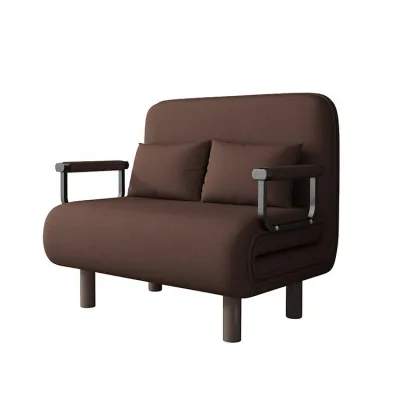
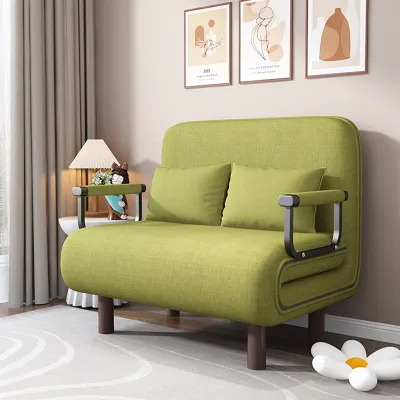
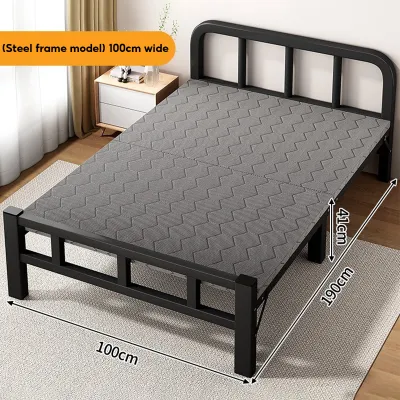
Prices are valid at publication and may change. Please refer to the product page for the latest price.
Natural materials are essential for capturing the organic warmth of this style. Look for sofa beds that incorporate light wood tones, such as rubberwood, beech, or light oak finishes. For the upholstery, seek out textures that mimic natural fibers like linen, cotton, or woven canvas. In the humid climate of the Philippines, choosing highly breathable fabrics is crucial to prevent moisture retention and ensure comfort during warm afternoons.
Color palettes in Japandi interiors are deeply rooted in nature. When selecting your sofa bed, focus on neutral, earthy tones such as warm beige, soft oatmeal, muted gray, or gentle sage green. These shades reflect natural light beautifully, helping to make small living rooms feel brighter and more spacious.
Finally, the dual functionality of the sofa bed must be achieved without a bulky or overly mechanical appearance. The conversion mechanism should be discreetly integrated into the design, ensuring that the piece looks like an elegant, intentional sofa during the day rather than a temporary cot or a heavy, metal-framed sleeper.
Single Sofa Bed Styles That Fit Japandi Aesthetics
Several structural styles of single sofa beds align naturally with Japandi principles. Understanding the characteristics, benefits, and trade-offs of each style will help you choose the best option for your specific living space and lifestyle needs.

Wooden frame futons are highly favored for authentic Japandi spaces because they showcase natural wood grain as a primary design element. These models typically feature a solid wood frame with a slatted back and seat, topped with a thick, tufted single mattress. The visible wooden structure provides excellent visual warmth and exceptional airflow, which is highly beneficial in tropical climates. However, wooden futons can feel quite firm, and converting them often requires physically lifting and adjusting both the mattress and the frame, which may be cumbersome for some users.
Minimalist daybeds with trundles offer a seamless, sophisticated look that functions beautifully as daytime seating. Styled with a few neutral throw pillows, a daybed resembles a sleek bench or chaise lounge. When a guest stays over, a secondary single bed frame slides out from underneath. This style is highly durable because it lacks complex folding hinges that can wear out over time. The primary trade-off is space; a trundle daybed requires a completely clear floor area in front of it to extend fully, and the trundle wheels require a smooth, level floor surface to operate without scratching.
Low-profile click-clack sofas are a popular and highly practical choice for compact Philippine apartments. These fully upholstered single sofas feature a backrest that folds flat with a simple click-clack mechanism to align with the seat cushion. They offer a clean, modern look and are incredibly fast to convert. The main limitation of the click-clack style is the central seam that forms when the backrest is laid flat, which can sometimes cause discomfort during sleep. Additionally, because the mechanism bears the weight of the backrest during conversion, the internal hinges must be of high quality to prevent sagging over time.
When comparing these styles, consider the balance between visual weight and mechanical simplicity. A wooden futon offers organic beauty but requires more physical effort to convert. A daybed provides excellent sleeping comfort but has a larger physical footprint. A click-clack sofa offers unmatched convenience and a compact footprint but relies heavily on the durability of its internal metal joints.
Essential Specs to Verify Before Buying
Before finalizing your purchase, it is essential to look past the visual appeal and verify the physical specifications of the single sofa bed. Conducting these quality checks ensures that your investment remains durable, comfortable, and safe for long-term use.
Start by evaluating the mattress thickness and foam density. A thin cushion over a hard frame will quickly lead to discomfort for both seated guests and sleepers. Look for high-density resilient foam or pocket-spring construction that offers adequate support and retains its shape over time. Avoid low-grade, soft sponges that sag easily under weight. If possible, check the manufacturer’s specifications for the foam density rating to ensure it is suitable for regular seating and sleeping.
Next, inspect the frame construction and joint stability. A reliable sofa bed requires a sturdy foundation to handle the stress of frequent conversions. Verify if the frame is constructed from solid wood or thick, high-quality engineered wood. Examine the joints to ensure they are secured with robust metal-to-metal bolts rather than simple wood screws or glue. Check the manufacturer’s specified weight capacity to confirm that the frame can safely support an adult’s weight without flexing or creaking.
The conversion mechanism must operate smoothly and securely. Test the folding or sliding action to ensure it does not grind, stick, or require excessive force. Look for built-in safety locks or automatic support legs that deploy when the bed is unfolded. These safety features prevent the sofa bed from tipping over or collapsing when weight is applied to the outer edges.
Finally, pay close attention to fabric care labels and stain resistance. Because Japandi style favors light-colored upholstery like cream and beige, the fabric will be susceptible to dirt and stains. Check the care label for specific cleaning instructions and codes. Opt for fabrics that have been treated with stain-resistant finishes, or look for models with fully removable and washable slipcovers. Removable covers are particularly advantageous in the Philippines, as they allow you to wash away sweat, dust, and humidity-induced mustiness easily.
Budgeting and Value Checks for the Philippine Market
Shopping for furniture in the Philippines requires a clear understanding of price tiers and value indicators. Setting a realistic budget in Philippine Pesos (‑ ) and knowing where to invest your money will help you find a high-quality Japandi sofa bed without overspending.
Price variations are primarily driven by the quality of the frame materials and the complexity of the conversion mechanism. Entry-level options often utilize engineered wood frames, basic click-clack hinges, and standard foam cushions. While budget-friendly, these models may have a shorter lifespan under heavy use. Mid-range to premium tiers typically feature solid wood frames (such as rubberwood), high-density resilient foam, and premium textured fabrics. Investing in these higher-tier materials generally yields better long-term durability and comfort.
When working within a budget, it is important to know what features you can compromise on and what features require investment. You can easily compromise on extra decorative elements, built-in storage drawers, or multi-angle reclining backrests. However, you should never compromise on the quality of the frame joints, the sturdiness of the conversion hinges, or the density of the foam. A cheap hinge that breaks or foam that sags within a few months will ultimately cost you more in repairs or replacement.
Before purchasing from an online furniture store, always verify the total cost of ownership. Check the delivery fees to your specific location, as shipping bulky furniture can add a significant amount to your overall expense. Inquire about assembly requirements; some sofa beds arrive flat-packed and may require professional assembly services, while others come fully assembled. Lastly, review the warranty terms carefully, ensuring that the frame and mechanical components are covered for at least a year against manufacturing defects.
Space Planning and Placement for Japandi Living Rooms
To maintain the calm, uncluttered essence of Japandi design, careful space planning and placement are essential. A single sofa bed must be integrated into your living room layout in a way that preserves open pathways and visual balance.
Begin by taking precise measurements of your living room. You must measure the available floor space for the sofa bed in both its closed (seated) position and its fully extended (sleeping) position. Ensure there is adequate clearance for walking paths around the bed when it is unfolded. Additionally, verify that the unfolding mechanism does not block doorways, built-in cabinets, or wardrobe drawers. Don’t forget to measure your home’s doorways, hallways, and elevator lift access to ensure the delivery team can safely transport the furniture into your living space.
Japandi style relies heavily on the concept of negative space, which emphasizes the beauty of empty areas. Avoid crowding your single sofa bed against other large furniture pieces. To keep the room feeling light and spacious, choose a sofa bed with raised wooden legs. This design allows light to pass underneath the furniture, creating a sense of openness and facilitating better air circulation, which helps keep the floor cool and dry.
To prevent overcrowding, pair your single sofa bed with lightweight, multi-functional accessories. Instead of a heavy, solid coffee table, opt for a small, round wooden side table that can easily be moved aside when the bed is unfolded. You can also use nesting tables or lightweight stools that serve as extra seating during the day and transition into a convenient nightstand when your guest is sleeping.
Frequently Asked Questions (FAQ)
How do I keep light-colored Japandi upholstery clean?
To keep light-colored fabrics looking pristine in a humid climate, vacuum the upholstery weekly using a soft brush attachment to remove dust, pet dander, and skin cells. If a spill occurs, spot-clean the area immediately by gently blotting—never rubbing—with a clean, damp microfiber cloth. Always check the manufacturer’s care tag for specific cleaning codes before applying any mild fabric detergent or upholstery cleaner to prevent water spots or fabric damage.
Can a single sofa bed be used as a primary bed?
While high-quality single sofa beds provide excellent support for occasional overnight guests, they are generally not recommended as a primary bed for daily use. The folding mechanisms and split cushions can create uneven support and pressure points over time, which may affect sleep quality. If space constraints require you to use a sofa bed daily, look for models with thick, high-density foam mattresses, or consider adding a supportive, rollable mattress topper to improve comfort and protect the sofa bed’s surface.
Community discussion
Share your experience or ask a question. Comments are reviewed before publication.