
Living in a compact urban condo or a cozy townhouse in the Philippines often requires a strategic approach to interior design. As residential footprints in major metropolitan areas like Metro Manila and Cebu become more streamlined, finding furniture that balances utility with a minimal footprint is essential. A slim side table serves as an excellent solution, offering a practical surface for your morning coffee, mobile devices, or a reading lamp without obstructing high-traffic walkways.
Choosing the right piece involves assessing your specific layout constraints, the local tropical climate, and how you intend to use the surface. By focusing on narrow profiles, smart vertical configurations, and moisture-resistant materials, you can maximize your living room or bedroom layout. This guide explores the key factors to consider when selecting a slim side table and highlights the most effective designs for compact Philippine homes.
How to Choose a Slim Side Table for Small Spaces
Selecting a slim side table requires looking beyond mere aesthetics to evaluate how the piece interacts with your existing layout. In tight living quarters, every inch of floor space counts, making precise measurements and structural awareness critical before making a purchase.
Products mentioned in this guide
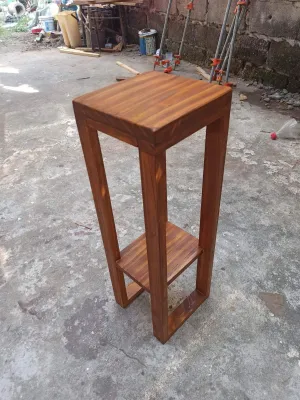
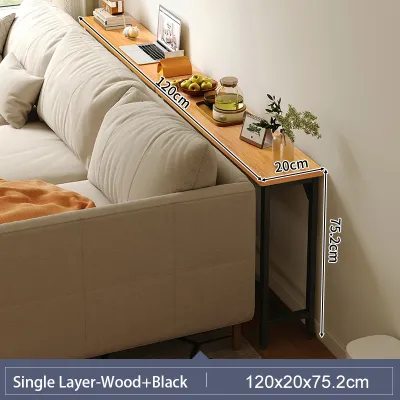
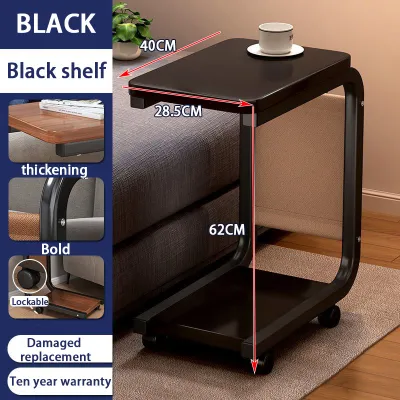
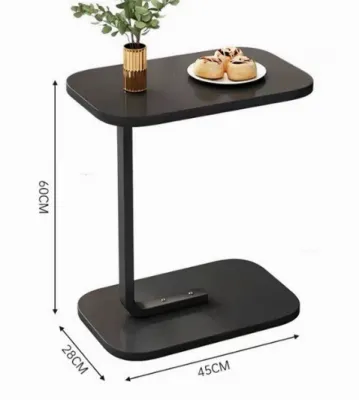
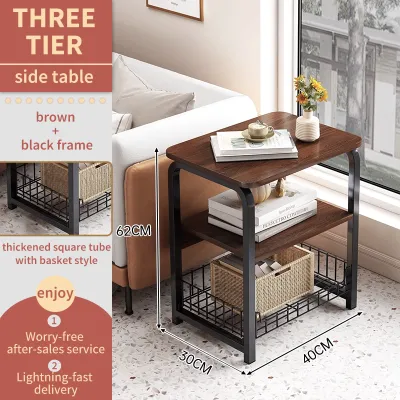
Prices are valid at publication and may change. Please refer to the product page for the latest price.
Dimensions and Proportions
To qualify as truly “slim,” a side table typically features a width or depth of under 15 inches (approximately 38 centimeters), with some ultra-narrow models measuring as little as 8 to 10 inches. Before browsing local furniture showrooms or online catalogs, measure the exact clearance around your sofa, armchair, or bed. Ensure there is at least 24 inches of walking space between the table and any facing furniture or walls to prevent collisions. If you plan to place the table between a sofa and a wall, account for the thickness of your baseboards and any wall moldings, which can push the table forward by an inch or more.
Functionality vs. Footprint
A common pitfall in small-space design is choosing a table that fits the floor area but lacks practical utility. Consider what you need to store or display: if you only need a spot for a single beverage, a simple pedestal or drink table suffices. However, if you require storage for remote controls, books, or charging cables, look for designs with integrated lower shelves, drawers, or built-in power strips. Be mindful that solid, boxy designs with drawers have more visual weight and can make a small room feel cramped compared to open-frame structures that allow light to pass through.
Material Considerations for Tropical Climates
The high humidity and warm temperatures characteristic of the Philippine climate demand careful material selection to ensure longevity. Solid wood is beautiful but can warp or crack if exposed to rapid moisture fluctuations, such as those caused by cycling air conditioning units on and off. If choosing wood, look for treated engineered wood with high-quality veneers, or opt for solid hardwoods like teak or mahogany that have been properly sealed. Metal frames should feature a durable powder-coated finish to prevent rust, which can develop quickly in humid coastal zones. Tempered glass and acrylic are excellent alternatives; they resist humidity entirely and provide a modern, visually weightless look that visually expands a small room. Always check product labels and manufacturer care instructions to verify humidity resistance and recommended cleaning routines.
Top Slim Side Table Designs for Compact Philippine Homes
Different room layouts and daily habits require distinct furniture configurations. Rather than focusing on a single universal design, exploring various structural styles allows you to choose the option that best addresses your specific spatial bottlenecks.

C-Shaped Slide-Under Tables
C-shaped tables are among the most efficient space-savers available for modern apartments and studio units. These tables feature a cantilevered design with a single-sided support frame, allowing the base to slide completely underneath the bottom of a sofa or bed while the tabletop hovers directly over the armrest or mattress.
This design is highly beneficial for individuals who work from home or enjoy dining while watching television, as it brings the surface directly to the user without requiring dedicated floor space in front of the seating area. It eliminates the need for a traditional, bulky coffee table, keeping the center of the room open and clear.
Before purchasing a C-shaped table, measure the clearance beneath your sofa or bed frame; the bottom support bar or wheels must be thin enough to slide easily under the furniture. Additionally, measure the height of your sofa armrest to ensure the tabletop clears it comfortably. Because these tables rely on a single side support, check the manufacturer’s specified weight capacity. Avoid placing heavy objects on the outer edges to prevent tipping, and look for models with sturdy steel frames and weighted bases to ensure stability during use.
Drop-Leaf and Foldable Side Tables
For multipurpose rooms where spatial demands change throughout the day, drop-leaf and foldable side tables offer unmatched flexibility. These pieces can be expanded to full size when hosting guests or working, and then collapsed or folded flat when you need to reclaim valuable floor area.
In narrow hallways, entryways, or tight corners next to a balcony door, a drop-leaf table can sit flush against the wall with its leaves down, functioning as an ultra-slim console. When you need a temporary dining spot or workspace, simply lift the hinged leaf and secure the support arm.
When evaluating these designs, pay close attention to the hinge mechanisms and support brackets. Look for heavy-duty metal hinges and locking slide rails that hold the extended leaf perfectly level. Inspect the joints to ensure they do not wobble under light pressure. A high-quality foldable table should operate smoothly without sticking, and when fully collapsed, its profile should be narrow enough to slip behind a door or inside a closet if needed.
Tiered Narrow Shelves and Carts
When floor space is limited, the most logical direction to expand is upward. Tiered narrow shelves and rolling utility carts leverage vertical space, packing multiple levels of storage and display area into a remarkably small footprint.
These multi-layered designs are ideal for organizing books, displaying small indoor plants like snake plants or pothos, and storing daily essentials in a neat, structured manner. Rolling carts equipped with lockable caster wheels offer the added benefit of mobility; you can easily wheel the cart to the kitchen to serve drinks, and then roll it back to the living room corner when the gathering ends.
Because tiered structures are taller and narrower than standard tables, stability is a primary concern. Look for designs that feature a wider, heavier bottom shelf to keep the center of gravity low, reducing the risk of accidental tipping in high-traffic areas or homes with active pets. If the shelving unit is exceptionally tall, check if the manufacturer includes wall-anchoring hardware to secure it safely. To maintain a clean aesthetic, balance open shelves with small decorative storage baskets on the lower tiers to conceal clutter.
Nesting Tables for Flexible Surface Area
Nesting tables consist of a set of two or three graduating tables that fit perfectly inside one another. This configuration allows you to store multiple tables within the footprint of a single piece, pulling them apart only when extra surface area is required.
This setup is perfect for entertaining guests in a small condo. You can distribute the individual tables around the room to hold drinks and snacks, and then nest them back together once your guests leave to restore a clean, spacious layout. It provides the utility of multiple side tables without the permanent visual clutter.
To add visual interest to a minimalist room, consider nesting sets that feature contrasting materials, such as a combination of natural wood tops with black metal frames, or varying heights that create a tiered sculptural effect when partially nested. Ensure that when the tables are fully stacked, the outer frame does not protrude into your main walking paths. Check that the nesting mechanism is smooth, with protective glides on the feet to prevent scratching your tiles or hardwood floors when sliding them apart.
Quick Comparison of Slim Side Table Designs
To help you determine which design style aligns best with your home’s layout and your daily routine, the table below summarizes the key attributes of each option.
| Design Type | Best Use Case | Floor Footprint | Storage Capacity | Mobility |
|---|---|---|---|---|
| C-Shaped Slide-Under | Laptop work, dining from sofa or bed | Extremely minimal (slides under furniture) | Low (single surface) | Moderate (easy to slide or lift) |
| Drop-Leaf / Foldable | Multipurpose rooms, temporary workspaces | Adjustable (collapses flat) | Low to Moderate (depends on lower shelves) | High (foldable models store away) |
| Tiered Shelves / Carts | Organizing books, plants, and small items | Small to Medium (vertical orientation) | High (multiple open or closed tiers) | High (if equipped with casters) |
| Nesting Tables | Entertaining guests, flexible hosting | Small (stacks into a single footprint) | Moderate (multiple surfaces when spread) | High (individual pieces are lightweight) |
When using this table to make your final decision, prioritize your primary bottleneck. If your main challenge is a lack of workspace, the C-shaped slide-under design is likely your best option. If you frequently host friends but want to keep your daily layout open, nesting tables offer the perfect balance of temporary surface area and compact storage. For those needing to organize clutter, a tiered vertical shelf will deliver the storage capacity you need without occupying extra floor space.
Space-Saving Placement and Styling Tips
Integrating a slim side table into a small room requires more than just finding an empty spot; it involves strategic styling and placement to ensure the room feels airy and open.
Visual Lightness
To prevent your living space from feeling overcrowded, select tables that maximize visual lightness. Furniture with thin, open-wire metal legs, glass tops, or transparent acrylic frames allows light to pass through, creating the illusion of more open floor space. Avoid heavy, solid-wood block tables or pieces with dark, opaque finishes in very tight corners, as they absorb light and draw attention to the limited dimensions of the room.
Strategic Placement
Look for underutilized “dead zones” in your layout to place your slim table. The narrow gap between the side of your sofa and the wall is an ideal spot that often goes unused. Alternatively, you can place a slim console-style side table directly behind your sofa to act as a divider in open-concept studio apartments, providing a surface for lamps and drinks without encroaching on the main walkway. If you have an empty corner next to a window, a slim tiered stand can serve as a dedicated plant display, bringing natural elements indoors without cluttering your main surfaces.
Clutter Management
Because slim side tables have limited surface area, they can quickly look messy if overloaded with daily items. Use small decorative trays, woven baskets, or ceramic bowls to corral small essentials like keys, remote controls, and chargers. This keeps the tabletop organized and makes it easy to clear the surface when you need to set down a cup of coffee. Keep decorative items to a minimum; a single small candle or a tiny vase is sufficient to personalize the space without overwhelming the table’s delicate proportions.
Frequently Asked Questions (FAQ)
What is the ideal width and depth for a slim side table?
For a side table to function effectively in a compact space, it should ideally measure between 10 to 15 inches (25 to 38 centimeters) in width or depth. This narrow profile allows the table to fit comfortably into tight gaps without blocking walkways. When measuring your space, do not rely on floor measurements alone. Measure the gap between your sofa arm and the wall at the widest point of the sofa cushion, as cushions often bulge outward past the frame. Always factor in baseboards, wall outlets, and curtain cords, which can reduce the available width by several inches.
How do I protect wood side tables from humidity in the Philippines?
Protecting wood furniture in the Philippines requires managing exposure to moisture and temperature shifts. Avoid placing wood side tables directly beneath or next to air conditioning units, as the cold draft followed by warm air when the unit is turned off can cause the wood to expand and contract, leading to warping or cracking. Keep the table out of direct, harsh sunlight near windows to prevent the finish from fading and drying out. Always use coasters under cold drinks to prevent condensation from creating permanent water rings on the surface. Check the manufacturer’s care instructions to see if they recommend specific waxes, oils, or sealants designed to protect the wood’s finish from high tropical humidity.
Can a slim side table support a heavy table lamp or desktop computer?
A slim side table can support moderate weight, but its narrow base makes it more susceptible to tipping if overloaded. Before placing a heavy table lamp, a desktop monitor, or a stack of heavy books on the table, strictly check the manufacturer’s stated weight limit. To minimize tipping risks, choose designs with weighted metal bases, low centers of gravity, or cross-bracing. If you must place a heavier item on the table, position it directly in the center of the surface rather than near the edges, and avoid placing the table in high-traffic walkways where it could easily be bumped.
Community discussion
Share your experience or ask a question. Comments are reviewed before publication.