
Finding the perfect dining setup in a compact Philippine home—whether it is a studio condo in Metro Manila or a cozy townhouse in the suburbs—often comes down to maximizing every square inch of floor space. A standard dining set can easily overwhelm a small kitchen or living area, turning a cozy corner into a cramped bottleneck. The solution lies in a well-chosen slim table, a highly functional piece of furniture designed to provide a dedicated breakfast nook without sacrificing precious walking space. By opting for a narrow footprint, you can enjoy morning coffee and quick meals while keeping your home’s main walkways clear and comfortable.
Selecting the ideal slim table requires balancing physical dimensions with daily usability. While a narrow table solves the problem of a tight footprint, it must still offer enough surface area to hold plates, cups, and utensils comfortably. Additionally, because furniture in the Philippines is subjected to high humidity and temperature fluctuations, the choice of materials and construction methods is just as important as the design itself. Understanding how to evaluate these factors will help you create a practical, inviting dining zone that fits seamlessly into your home’s layout.
How to Choose the Right Slim Table for a Compact Nook
Measuring the Footprint Before browsing designs, you must accurately map out your breakfast nook’s physical boundaries. Use painter’s tape to outline potential table dimensions directly on your floor, which helps visualize how the piece will interact with the surrounding room. Ensure you leave a clearance of at least 60 to 90 centimeters between the edge of the table and the nearest wall, cabinet, or appliance. This clearance is essential to allow diners to pull out chairs, sit down comfortably, and stand up without bumping into obstacles. If your nook is situated in a high-traffic zone, such as a narrow hallway leading to the kitchen, prioritize a table design that can be folded down or tucked away when not in use to keep the path entirely unobstructed.
Products mentioned in this guide
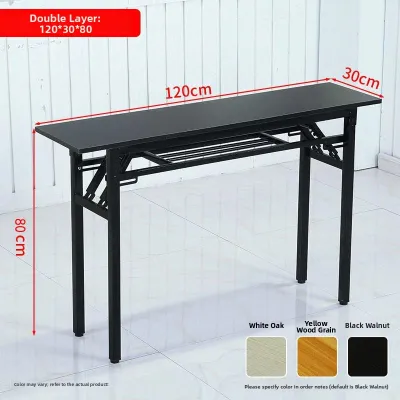
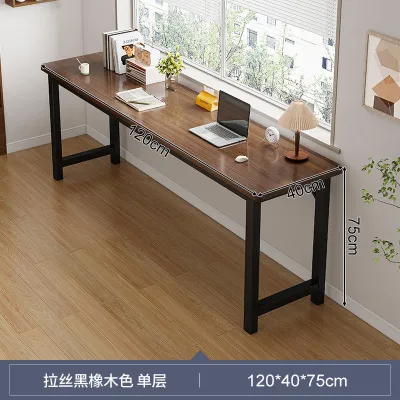
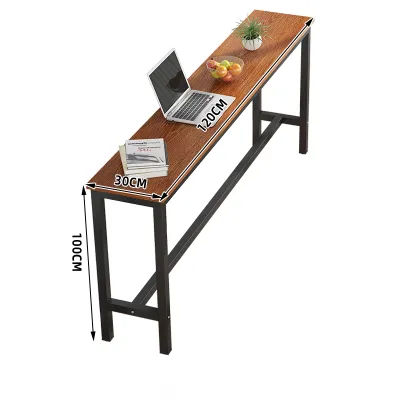
Prices are valid at publication and may change. Please refer to the product page for the latest price.
Defining “Slim” Dimensions A standard dining table typically has a depth of 80 to 90 centimeters, which is far too wide for a restricted breakfast nook. A true slim table reduces this depth significantly, usually ranging from 30 to 60 centimeters. A depth of 30 to 45 centimeters is highly effective for single-sided dining where diners sit side-by-side, mimicking a cafe counter. This setup is perfect for quick breakfasts, laptop work, or a morning cup of coffee. If you plan to have two people sit face-to-face, look for a minimum depth of 50 to 60 centimeters; this provides just enough space for two standard dinner plates and drinkware without knees clashing underneath.
Material and Climate Considerations The tropical climate of the Philippines introduces unique challenges for furniture longevity, particularly regarding moisture and heat. High humidity levels during the rainy season can cause untreated solid wood to warp, swell, or develop mold, while coastal air can accelerate rust on low-grade metal frames. When choosing a slim table, verify that wooden components are treated with water-resistant sealants, polyurethane coatings, or high-pressure laminates. If you opt for an engineered wood table, such as medium-density fiberboard (MDF) or particleboard, ensure it features high-quality PVC edge banding to prevent moisture from seeping into the core. For metal bases or frames, look for powder-coated steel or aluminum, which offer superior resistance to corrosion and rust.
Stability and Weight Capacity Because slim tables have a narrow base, their center of gravity is naturally higher and less stable than traditional square or round tables. This makes structural integrity a primary concern, especially if you have young children or pets in the home. Inspect the table’s leg design; wide-angled legs, trestle bases, or heavy metal frames offer better stability and resist tipping. If you select a wall-mounted or floating model, the table’s weight capacity depends entirely on the strength of your wall and the mounting hardware used. Always check the manufacturer’s specified weight limit and ensure the table can support the downward pressure of someone leaning on the edge during a meal.
Top Slim Table Designs to Consider for Small Spaces
Drop-Leaf and Folding Tables
Best For: Multi-use spaces, open-plan studio apartments, or breakfast nooks that double as primary household walkways.

Pros & Cons: The primary benefit of a drop-leaf table is its adaptability. You can keep the leaves folded down for an ultra-slim profile during the day, then raise them to double the dining surface during meals. This flexibility allows the table to transition from a narrow console to a functional dining area in seconds. However, the moving parts mean these tables are more susceptible to wear and tear over time. Hinges can loosen, and support brackets can sag if subjected to heavy loads or frequent adjustments.
What to Check: When shopping for a drop-leaf table, examine the hinge quality closely. Look for heavy-duty steel hinges rather than thin plastic or light metal alternatives. Verify how the extended leaf is supported; gateleg mechanisms or slide-out wooden supports offer superior stability compared to simple pull-out metal rods. Test the locking mechanism to ensure the leaf remains securely in place when extended, and check that the table does not wobble when pressure is applied to the outer edge.
Wall-Mounted and Floating Tables
Best For: Extremely tight kitchen corners, studio layouts, or homes where maximizing floor-cleaning access is a top priority.
Pros & Cons: Floating tables completely eliminate table legs, freeing up 100% of the floor space underneath. This creates a clean, minimalist look and allows you to tuck stools completely out of sight when they are not in use. The main drawback is their fixed nature; once installed, they cannot be moved easily to another room. They also require permanent drilling into your walls, which may not be permitted in some rental properties or condominium units.
Safety & Installation Checks: Safe installation is critical for any wall-mounted furniture. In the Philippines, interior walls are commonly constructed from concrete, hollow blocks, or drywall. You must use the correct wall anchors: expansion bolts or masonry anchors for concrete, and heavy-duty toggle bolts for drywall. Never rely on standard plastic plugs for load-bearing installations. Always adhere strictly to the manufacturer’s weight limits, and avoid leaning heavily on the outer edge of a floating table to prevent structural damage to your wall.
Narrow Console and Bistro Tables
Best For: One- to two-person households, narrow alcoves, or long kitchen walls where folding mechanisms are unnecessary and simplicity is preferred.
Pros & Cons: These tables offer a straightforward, sturdy design with zero moving parts, reducing the risk of mechanical failure over time. They sit flush against the wall, creating a permanent, stylish dining ledge. The trade-off is their fixed footprint and limited seating capacity, as they generally cannot accommodate more than two diners at a time and cannot be expanded for guests.
Dimensions to Look For: Look for console tables with a height of 75 centimeters (standard dining height) or 90 to 105 centimeters (counter or bar height). High-top bar heights are particularly effective in small spaces because they allow you to pair the table with backless bar stools that can be tucked completely underneath the frame, keeping the walkway entirely clear when the table is not in use. Ensure the table depth is at least 35 centimeters to accommodate standard dinnerware.
Space-Saving Layout and Styling Tips for Your Breakfast Nook
Seating Choices The type of seating you pair with your slim table dictates how much space you actually save in your breakfast nook. Backless stools are the most efficient option because they slide fully underneath the tabletop when idle, keeping walkways completely clear. If you prefer back support, look for low-profile, stackable chairs that can be moved to a corner when not needed. Another excellent layout strategy is built-in bench seating or a banquette against the wall. A bench not only accommodates more people in a tight space but can also incorporate hidden storage compartments under the seat cushions—perfect for storing kitchen towels, pantry items, or small appliances.
Visual Expansion Tricks To prevent your small breakfast nook from feeling cramped, use design elements that create the illusion of space. A large wall mirror placed directly behind or adjacent to the slim table reflects light and doubles the perceived depth of the room. Opt for a light color palette—such as whites, creams, light oaks, or soft pastels—for both the table and the surrounding walls to make the area feel open and airy. If you want to minimize visual clutter entirely, consider a slim table with a glass or clear acrylic top, which allows light to pass through and keeps the floor area looking spacious.
Lighting the Zone Proper lighting defines the breakfast nook as a distinct zone within a larger room, making it feel cozy and deliberate. Avoid using bulky table lamps that consume valuable surface area on your narrow table. Instead, install a single pendant light directly over the center of the table or mount adjustable wall sconces on the wall behind the nook. This keeps the dining surface completely clear for plates and cups while providing warm, focused illumination that makes the space feel inviting.
Buying, Delivery, and Assembly Checklist
Pre-Purchase Verification Before placing an order on any online furniture store or purchasing in-person, double-check all dimensions. Measure your available space three times and compare it directly to the product’s listed width, depth, and height. Pay close attention to the clearance between the table legs to ensure your chosen stools or chairs will fit comfortably underneath without hitting the table frame.
Delivery Clearances A common oversight is assuming a table will fit in your home simply because it fits in the nook. You must verify that the packaged box can pass through your building’s entrance, narrow hallways, tight stairwells, and elevator doors. This is especially critical for high-rise condominium residents in urban centers like Metro Manila, where elevator dimensions are often strictly limited. Ask the seller for the packaged dimensions of the item before finalizing your purchase.
Assembly Requirements Determine whether the table arrives fully assembled, partially assembled, or flat-packed. Flat-packed furniture is easier to transport but requires assembly. Check if the package includes all necessary hardware and tools, such as Allen keys or specialized screws. For wall-mounted tables, you will almost certainly need a power drill and a masonry drill bit if mounting onto concrete walls. Follow the manufacturer’s assembly instructions carefully, paying attention to torque specifications for hinges and folding brackets to avoid stripping the screws or damaging the wood.
Warranty and Returns Carefully read the seller’s return policy and warranty terms before buying. This is particularly important for tables with moving parts, such as drop-leaf hinges or folding wall brackets, which are more prone to mechanical issues. Look for warranties that cover structural defects and mechanical hardware for at least six months to a year. Keep your receipt and assembly manual in a safe place in case you need to request replacement parts or file a claim.
Frequently Asked Questions (FAQ)
What is the ideal depth for a slim dining table?
For comfortable dining, the absolute minimum depth for a single place setting is 30 centimeters, which provides enough room for a standard dinner plate and a glass. However, if you plan to place serving bowls in the center of the table or have two people sit opposite each other, a depth of 50 to 60 centimeters is highly recommended. Anything shallower than 30 centimeters will restrict you to small plates, cups, or laptop use, making it impractical for daily dining.
Can I use a slim console table as a dining table?
Yes, you can use a slim console table for dining, but you must check its height and structural stability first. Many decorative console tables are designed solely to display lightweight decor against a wall and may have thin, unstable legs or a high center of gravity that makes them prone to tipping if leaned on. Additionally, decorative consoles are often 80 to 90 centimeters high, which requires counter-height stools rather than standard dining chairs. Ensure any console table you choose for dining has a robust frame, a stable base, and a durable, easy-to-clean surface finish.
How do I protect a slim wooden table from humidity?
To protect wooden furniture in a humid tropical climate, place the table away from direct sunlight and out of the direct path of air conditioning drafts, as rapid temperature and moisture changes can cause wood to crack or warp. Always use coasters under cold drinks to prevent condensation from leaving water rings, and wipe up spills immediately with a dry microfiber cloth. Regularly dust the surface to prevent mold spores from settling, and check the manufacturer’s care instructions before applying any furniture wax or polish to ensure compatibility with the wood’s existing finish.
Community discussion
Share your experience or ask a question. Comments are reviewed before publication.