
A small lazy sofa can be the ultimate centerpiece for a Japandi living room, provided it balances relaxed comfort with minimalist discipline. The best styles for this aesthetic are low-profile floor sofas, modular low-seating, and structured floor loungers. These options combine the cozy, informal nature of “lazy” furniture with the clean lines, organic textures, and neutral tones characteristic of the Japanese-Scandinavian fusion. By focusing on low visual profiles and breathable materials, you can create a serene, uncluttered sanctuary that thrives even in compact, tropical living spaces.
Defining the Japandi Aesthetic for Small Lazy Sofas
Japandi design represents a thoughtful convergence of two distinct yet harmonious philosophies: Scandinavian hygge and Japanese wabi-sabi. Scandinavian design contributes a focus on functional comfort, warmth, and clean craftsmanship, while Japanese design introduces rustic minimalism, a deep appreciation for natural imperfection, and a preference for low-slung, grounded furniture. Together, they create interiors that feel incredibly cozy yet highly disciplined, open, and free of visual clutter.
The primary challenge when integrating a “lazy” sofa into this aesthetic is maintaining structure. Traditional lazy sofas, such as shapeless bean bags or overstuffed, bulky recliners, often look messy and disorganized, which directly conflicts with the clean lines of Japandi design. To successfully merge these concepts, a small lazy sofa must offer the relaxed, sink-in comfort of informal seating while maintaining defined outer contours, tailored seams, and a refined silhouette.
Products mentioned in this guide
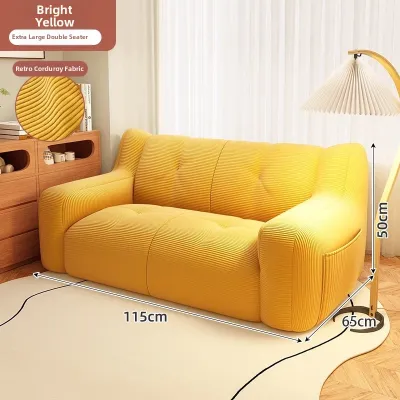
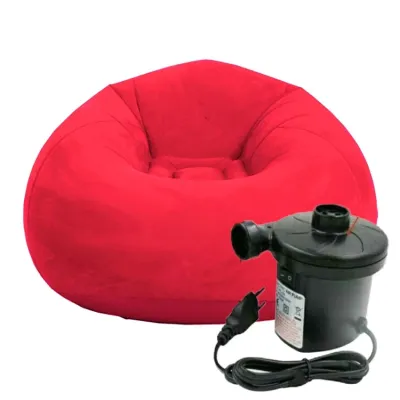
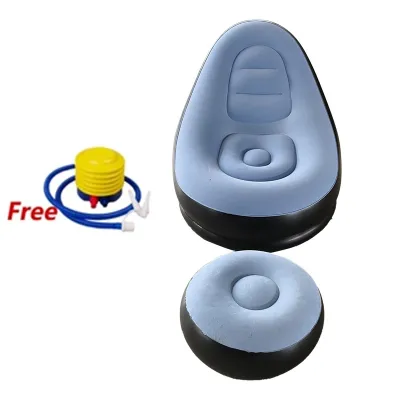
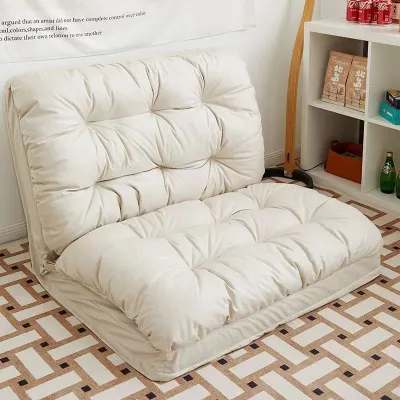
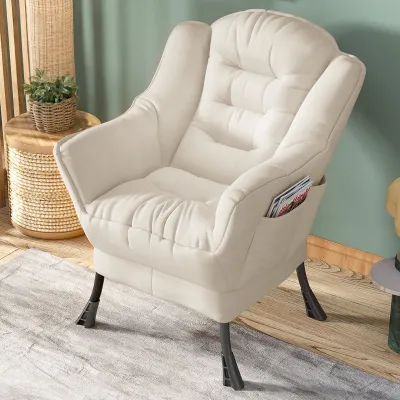
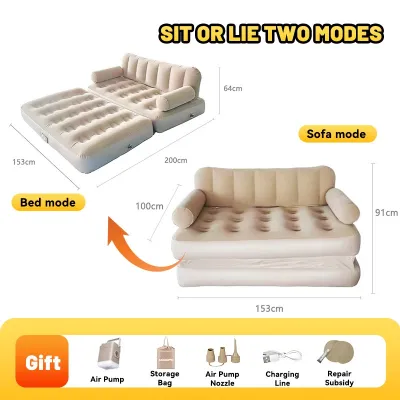
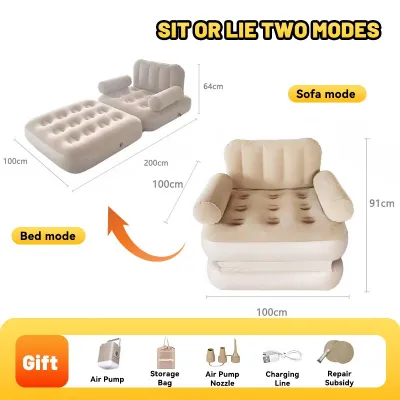

Prices are valid at publication and may change. Please refer to the product page for the latest price.
To achieve this balance, scale and proportion are critical. In compact urban dwellings, such as condominiums and townhouses, a bulky sofa can quickly overwhelm the room and disrupt the flow of movement. A small lazy sofa solves this by delivering maximum relaxation within a minimal footprint. By reducing unnecessary ornamentation, slimming down armrests, and utilizing low backrests, these pieces provide deep, comfortable seating without physically or visually dominating the space.
When evaluating potential sofa styles, three core dimensions should guide your decision: silhouette, material authenticity, and spatial footprint. The silhouette should lean toward low-slung profiles—either legless or featuring very short, recessed wooden legs—to lower the room’s visual center of gravity. Material authenticity requires prioritizing raw, tactile textures over glossy or highly synthetic finishes. Finally, the spatial footprint must allow for open areas around the sofa, preserving the sense of airiness that defines the Japandi style.
Recommended Small Lazy Sofa Styles for Japandi Rooms
Finding the perfect small lazy sofa involves selecting a style that matches your daily habits, space constraints, and comfort preferences. While all Japandi-aligned sofas share a commitment to simplicity and neutral tones, different design categories offer distinct functional advantages and unique structural characteristics.

Low-Profile Floor Sofas
Legless floor sofas sit directly on the ground, featuring deep, cushioned seats and low backrests that invite you to sit, stretch out, or lounge in a highly relaxed posture. This style is a modern evolution of traditional Japanese floor-seating customs, adapted for contemporary homes that prioritize informal, communal living.
This low visual profile is particularly advantageous in compact urban residences. By keeping the seating close to the floor, you leave more open vertical space, which makes low ceilings feel significantly taller and rooms feel much more spacious. The absence of legs also eliminates the visual noise of shadows and open space underneath the sofa, establishing a grounded, meditative, and exceptionally calm atmosphere.
However, direct floor contact introduces unique practical limitations. Sitting down on and standing up from a floor sofa requires greater physical effort and joint flexibility, which may not be comfortable for everyone. Additionally, because the sofa rests directly on the floor, the upholstery is highly exposed to floor-level dust, pet hair, and floor moisture, requiring a commitment to frequent cleaning.
To ensure long-term comfort and durability, conduct thorough pre-purchase checks on the sofa’s internal construction. Because there are no legs to distribute weight, the cushioning must be robust enough to support your body without compressing completely. Look for high-density polyurethane foam with a density rating of at least 30 to 35 kg/m³, or pocketed coil springs wrapped in foam, to prevent “bottoming out” against the hard floor. Additionally, verify that the base of the sofa features a durable, dust-resistant, or non-slip fabric layer that can withstand friction.
Minimalist Modular Low-Seating
Modular low-seating consists of individual, armless sections or corner units that can be arranged, combined, or separated to fit your changing needs. This style offers a structured yet deeply comfortable seating solution that can scale up or down depending on the layout of your room.
The primary benefit of this style is its exceptional spatial efficiency and adaptability. In a small living room, a rigid three-seater sofa can block walkways and limit layout options. Modular units allow you to configure a compact two-seater for daily lounging, separate the modules into individual armchairs when hosting guests, or arrange them into a cozy L-shape corner configuration. This flexibility helps you maximize every square meter of your floor plan.
From an aesthetic standpoint, modular pieces should feature clean, block-like silhouettes with concealed feet or very short, recessed wooden legs. To maintain the Japandi look, select upholstery in neutral, heavily textured fabrics such as linen blends, cotton canvas, or flat-weave textiles. These materials emphasize the rustic, tactile warmth of Scandinavian design while keeping the overall appearance clean and integrated.
Before purchasing, pay close attention to the connection mechanisms between the modules. Because modular pieces are lightweight and low to the ground, they can easily slide apart on smooth tiled or wooden floors when you sit down. Ensure the manufacturer includes heavy-duty hidden alligator clips, interlocking metal brackets, or robust, wide Velcro straps beneath or between the modules to keep them securely aligned during use.
Structured Floor Chairs and Loungers
Structured floor chairs and loungers offer a more supportive, individual seating option. These pieces feature internal metal or wooden frames that allow you to adjust the angle of the backrest while keeping the overall profile low and close to the ground.
These pieces excel as accent seating or dedicated reading nooks, complementing a larger main sofa or standing alone in a small studio apartment. They provide the ergonomic back support of a traditional armchair without the visual weight and bulk, making them ideal for creating a quiet, personal corner focused on relaxation, meditation, or reading.
Despite their compact size, structured loungers are subject to mechanical wear. The internal reclining joints must bear the weight of your upper body as you lean back, which can place significant stress on the frame over time. They also tend to have stricter weight capacities compared to solid-frame sofas.
When shopping, prioritize models with high-tensile steel frames wrapped in thick, high-resilience foam to ensure the frame cannot be felt through the cushioning. Verify the durability of the reclining gear mechanism by checking the manufacturer’s specifications for the number of adjustment angles and weight limits. It is also wise to check the warranty terms specifically for the moving mechanical parts, as a broken hinge can render the entire lounger unusable.
Selecting Japandi Textures for Humid Climates
While classic Scandinavian interiors often showcase heavy, insulating materials like thick wool, dense bouclé, and plush shearling, these textiles are poorly suited for tropical, humid climates. In warm regions, heavy synthetic or dense wool fabrics trap body heat and sweat, leading to physical discomfort, musty odors, and the rapid accumulation of dust and allergens.
To achieve the organic, tactile look of Japandi without compromising comfort in a warm climate, you must select highly breathable, moisture-wicking fabrics. Linen-cotton blends are an exceptional choice; they offer the beautiful, slightly irregular texture of natural linen combined with the structural strength and durability of cotton. Flat-weave polyester blends designed to mimic the appearance of coarse linen also provide excellent durability and stain resistance while remaining relatively cool to the touch.
Avoid heavy, tightly looped bouclé fabrics unless your living room is consistently air-conditioned, as they tend to trap heat and can be difficult to clean if dust settles into the loops. Instead, introduce natural textures through structural accents. A small lazy sofa with a rattan-wrapped frame, a woven cane backrest, or a solid ash wood base allows you to incorporate organic warmth without adding heavy, heat-retaining fabrics to the seating surface.
Beneath the upholstery, the internal fill plays a critical role in both comfort and climate durability. Solid, low-grade foam blocks can trap humidity, leading to sagging, mold growth, and unpleasant odors over time. Opt for high-resilience (HR) foam or pocket-spring cores wrapped in breathable dacron fibers. These configurations promote better air circulation within the cushion, help the sofa retain its shape, and resist the flattening effects of high humidity.
Finally, practical maintenance must guide your material selection. Always inspect the manufacturer care labels before making a purchase. Look for sofas with fully removable, machine-washable covers, which are essential for managing sweat, dust, and humidity-related mustiness. Verify if the fabric or fill has any stated resistance to mold and mildew, and remember that natural fibers require active care—such as regular vacuuming and dehumidifying—to stay in pristine condition in tropical environments.
Space Planning and Styling for Compact Japandi Living Rooms
Integrating a low-profile sofa into a compact living room requires careful spatial planning to preserve the Japanese concept of ma, which translates to negative space or the beauty of emptiness. A true Japandi room should never feel crowded or over-furnished; instead, it should feel balanced, calm, and open, allowing both light and air to circulate freely.
To maintain a comfortable flow, establish clear traffic lanes around your seating area. Aim to leave at least 60 to 75 centimeters of clear walking space between the edge of your lazy sofa and other major furniture pieces, such as television consoles or bookshelves. If your sofa is exceptionally low to the ground, keep adjacent furniture low as well to maintain a consistent visual plane and prevent taller pieces from looming over the seating area.
Complement the low-slung silhouette of your sofa with surrounding furniture that shares a similar minimalist design language. Pair the sofa with a low-profile coffee table made of solid light oak, ash, or travertine stone. Keep decor minimal and purposeful: a single ceramic vase holding a dried branch, a simple flat-weave jute rug to define the seating zone, and a paper lantern floor lamp to cast a soft, warm glow that enhances the cozy, relaxed atmosphere of the room.
Before finalizing your purchase, conduct rigorous pre-delivery checks. Low-profile and modular sofas can be deceptively wide and rigid, and because they often feature solid foam cores or pre-assembled frames, they may not bend around tight corners. Measure the finished dimensions of the sofa and compare them against your home’s entry points. Check the width and height of your front door, any narrow corridors, stairwell turns, and elevator doors to guarantee the delivery team can safely bring your new sofa into your living room.
Frequently Asked Questions (FAQ)
How do I clean a floor-level lazy sofa in a dusty environment?
Regular maintenance is essential for keeping a floor-level sofa clean, especially in dusty or tropical areas where windows are frequently kept open. Use an upholstery vacuum attachment weekly to thoroughly clean dust, pet dander, and fine particles from the crevices, seams, and fabric surfaces. For spot-cleaning spills, always check the manufacturer’s care tag for the cleaning code (such as W for water-based cleaners or S for solvents) before applying any cleaning solution.
Additionally, lift or tilt the entire sofa at least once a week to vacuum and mop the floor underneath. This prevents dust bunnies from accumulating along the bottom edges and stops moisture from getting trapped between the underside of the sofa and your flooring. If your living room experiences high humidity, using a dehumidifier or ensuring good cross-ventilation will help prevent mold and mildew from developing on the bottom fabric.
Is a low-profile sofa suitable for people with mobility issues?
Generally, floor-level and ultra-low seating present physical challenges for individuals with knee, hip, or back pain, as well as anyone who finds it difficult to rise from a deep squatting position. The physical effort required to transition from a very low seat to a standing posture can put significant strain on the joints and lower back.
If you want the Japandi aesthetic but require better accessibility, look for structured low-seating options with a slightly higher seat height of around 40 to 45 centimeters, paired with firm, supportive armrests that provide leverage when standing up. Alternatively, choose a modular low sofa that features short, sturdy wooden legs. This lifts the seating platform to a more comfortable height while preserving the clean, minimalist lines and low overall silhouette of the Japandi style.
Community discussion
Share your experience or ask a question. Comments are reviewed before publication.