
Selecting the right small pink cabinet for a compact breakfast nook requires balancing visual appeal with spatial efficiency. A small pink cabinet serves as both a highly functional storage hub and a distinct design statement, transforming an underutilized corner into an inviting morning retreat. By choosing a style that matches your specific storage needs—whether that means open shelving, a dual-purpose fold-down surface, vertical glass display, or integrated bench seating—and selecting a shade of pink that complements your room’s natural lighting, you can create a cohesive and highly functional dining alcove.
Evaluating Small Pink Cabinets for Tight Breakfast Nooks
In a compact breakfast nook, every square centimeter of floor space must be carefully negotiated. A compact nook is typically defined as a dining alcove with restricted square footage, often characterized by narrow walkways, tight corner angles, and close proximity to main kitchen work zones. To maintain a comfortable and functional seating area, any storage cabinet introduced to the space must be scaled down. This means prioritizing shallow-depth designs that sit flush against the wall, leaving ample room for dining chairs or stools to slide out smoothly without colliding with the cabinet base or blocking the natural flow of foot traffic.
The visual weight of a piece of furniture is just as important as its physical dimensions, and this is where the choice of pink shade plays a pivotal role. Pink is an exceptionally versatile color family, but different tones interact with small spaces in vastly different ways.
Products mentioned in this guide
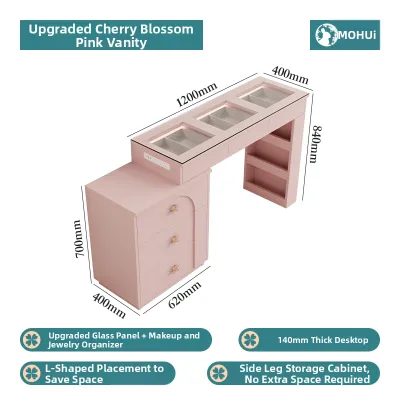
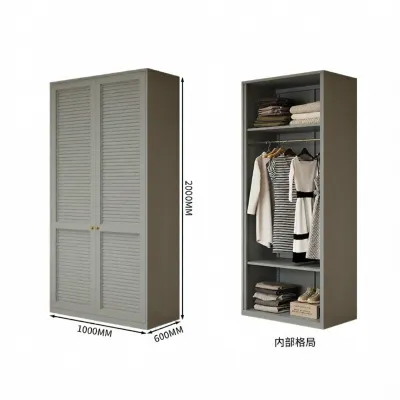
Prices are valid at publication and may change. Please refer to the product page for the latest price.
- Blush and Pastel Pink: These ultra-light, airy shades act almost as warm neutrals. Because they have high light-reflectance values, they bounce both natural sunlight and artificial light around the room, creating an illusion of spaciousness. If your breakfast nook is tucked into a corner with limited window exposure, a soft blush cabinet can prevent the space from feeling dark and enclosed.
- Dusty Rose and Mauve: For a more grounded, mature aesthetic, dusty rose and mauve offer beautiful, earthy undertones. These shades bring a sense of cozy sophistication to a breakfast nook. They pair exceptionally well with natural wood grains, rattan accents, and indoor tropical plants, making them highly suitable for warm, organic interior styles.
- Saturated Pinks: While highly energetic and cheerful, intense shades like magenta, hot pink, or fuchsia have a heavy visual weight. They absorb light rather than reflecting it, which can cause a small cabinet to dominate the room and make the walls feel like they are closing in. If you are drawn to these bold shades, it is best to choose a cabinet with a very minimal silhouette, open shelving, or glass doors to break up the solid block of intense color.
Functionality must remain at the forefront of your decision-making process. In a breakfast nook, a cabinet should serve as an organized hub for your morning routine. This includes storing daily-use tableware, coffee canisters, tea selections, linens, and perhaps a small appliance like a toaster or a coffee grinder. The layout of the cabinet must allow you to access these items quickly and easily without blocking the main walkway or requiring seated diners to move out of the way when you open a drawer or door.
Best Small Pink Cabinet Styles for Compact Breakfast Nooks
Selecting the right cabinet style is about finding a configuration that addresses your specific storage needs while respecting the physical boundaries of your dining alcove. Different structural designs offer unique advantages for tight spaces.

Open-Shelving Base Cabinets
Open-shelving base cabinets are a fantastic option for small spaces because they eliminate the solid, boxy presence of traditional closed cupboards. By replacing solid doors with open, horizontal shelves, these cabinets allow the eye to travel through the furniture piece to the wall behind it. This visual openness instantly makes a tight corner feel larger and less cluttered.
These units are ideal for housing items that are both functional and aesthetically pleasing. You can use the open shelves to display a curated collection of ceramic coffee mugs, stack colorful breakfast bowls, or place a stylish French press. To keep smaller items organized, you can introduce woven seagrass or water hyacinth baskets, which add a beautiful natural texture that complements pink finishes.
The primary trade-off with open shelving is exposure to the environment. In a dining area close to the kitchen, dust and airborne cooking grease can settle on exposed items. To keep your breakfast nook looking clean and hygienic, you will need to commit to regular dusting and ensure that the items stored on the shelves are used and washed frequently.
Drop-Leaf or Fold-Down Cabinet Tables
For micro-spaces, studio apartments, or highly compact kitchen alcoves, a drop-leaf or fold-down cabinet table represents the ultimate in multi-functional design. These clever units feature a shallow cabinet base that stores your dining essentials, paired with a hinged tabletop surface that can be lifted and locked into place for meal times, then folded flat against the cabinet when not in use.
This style is incredibly efficient for solo dwellers or couples. It allows you to have a fully functional dining surface for breakfast without permanently sacrificing valuable floor space. When the leaf is folded down, the cabinet’s footprint is reduced to a fraction of its open size, keeping walkways completely clear.
Because these tables rely on hinges and support brackets, structural integrity is paramount. Before purchasing, verify the manufacturer’s specified weight capacity for the drop-leaf extension. Ensure the hinges are heavy-duty and the support leg or bracket locks securely. A weak support system can be hazardous, especially if you plan to place a heavy espresso machine on the surface or if someone accidentally leans their weight on the extended table.
Always measure the depth of the cabinet when the leaf is fully folded down. You must ensure that the folded unit still leaves comfortable passage space, preventing family members from bumping into the corners of the furniture as they move through the room.
Glass-Front Display Hutches
When floor space is severely limited, the most logical design strategy is to utilize your vertical wall space. A tall, narrow glass-front display hutch allows you to maximize storage capacity upward rather than outward. The inclusion of glass doors is a key design trick for small spaces: the transparent panels reflect light and showcase the interior, preventing a tall cabinet from feeling like a massive, dark obstacle in the corner of the room.
A pink vertical hutch painted in a soft blush or dusty rose can serve as a stunning focal point for your breakfast nook. The glass doors allow you to display your finest glassware, vintage teacups, or recipe books, keeping them dust-free while still contributing to the overall decor.
Because tall, narrow cabinets have a high center of gravity, they are naturally prone to tipping over if bumped or during minor seismic activity. It is absolutely critical to secure the hutch to the wall studs using high-quality anti-tip furniture straps. This safety measure is non-negotiable, particularly in busy households with young children or active pets who might climb or lean on the furniture.
Before purchasing a vertical hutch, measure your ceiling height carefully. You should leave at least 10 to 15 centimeters of clearance at the top. This gap is not only visually pleasing, preventing the cabinet from looking crammed against the ceiling, but it also provides the necessary physical clearance required to assemble, tilt, and position the unit safely.
Storage Benches with Cabinet Bases
A storage bench with a cabinet base is an ingenious way to combine comfortable dining seating with hidden, high-capacity storage. Instead of having a separate bench and storage cabinet, this style integrates the two, allowing the bench to slide neatly under your breakfast table when it is not in use.
The solid base of the bench can be designed with front-opening cabinet doors or pull-out drawers. This is the perfect spot for tucking away bulky, infrequently used items that would otherwise clutter your kitchen cabinets, such as seasonal table linens, extra seat cushions, large serving platters, or even small kitchen appliances that you only use occasionally.
To ensure a comfortable dining experience, you must match the height of the storage bench to your existing breakfast table. Standard dining tables typically stand between 75 and 78 centimeters tall, which requires a bench seat height of approximately 45 to 48 centimeters. Be sure to factor in the thickness of any seat cushions you plan to add to the top of the bench.
Keep in mind that accessing items stored inside a bench base requires clear physical access. If the bench is pushed tightly against a wall or tucked deep under a dining table, you will need to slide the table away or move chairs out of the way to open the cabinet doors. For this reason, avoid storing daily-use items in a bench cabinet; reserve it for items you only need to retrieve occasionally.
Styling and Placement Tips for Pink Nook Cabinets
Once you have selected the perfect cabinet style, the next step is integrating it seamlessly into your breakfast nook’s overall aesthetic and ensuring its long-term durability, especially when dealing with local environmental conditions.
Hardware Selection
The knobs, pulls, and hinges you select for your pink cabinet serve as the “jewelry” of the piece, and swapping out standard hardware is one of the easiest ways to customize its look.
- Brushed Brass and Gold: These warm metallic finishes pair beautifully with almost any shade of pink, particularly blush and dusty rose. They create a sophisticated, mid-century modern, or vintage-glam aesthetic that feels warm and inviting.
- Matte Black: For a more contemporary, industrial, or modern farmhouse look, matte black hardware provides a striking, high-contrast contrast against pale pink paint. It grounds the pastel color, preventing it from looking too sweet or juvenile.
- Clear Acrylic or Glass Knobs: If your goal is to keep the breakfast nook looking as light and airy as possible, clear acrylic or glass hardware is an excellent choice. It allows the pink finish of the cabinet to remain the star of the show without adding any extra visual weight.
Lighting and Wall Pairings
To make your small breakfast nook feel bright, open, and cohesive, consider how the pink cabinet interacts with the surrounding walls and lighting.
- Wall Colors: Pair your pink cabinet with light, neutral wall colors on the adjacent walls. Soft off-whites, warm creams, or very pale grays will make the pink tone pop without competing with it. Avoid dark or highly saturated wall colors, which can make a small nook feel enclosed.
- Mirrors: Hanging a medium-to-large mirror on the wall opposite or adjacent to your pink cabinet is a classic design trick. The mirror will reflect the cabinet's beautiful color, double the perceived depth of the room, and bounce natural light throughout the space.
- Dedicated Lighting: Install a dedicated light fixture, such as a stylish pendant light or a pair of wall sconces, directly over the breakfast nook or the cabinet itself. This ensures the area is well-lit during early morning breakfasts or evening tea, highlighting the cabinet's finish and keeping the entire nook feeling warm and welcoming.
Environmental Considerations
For homes in humid tropical climates like the Philippines, furniture care requires a proactive approach. High humidity levels, salt air, and seasonal moisture can take a toll on wooden and engineered wood furniture.
- Moisture-Resistant Finishes: When shopping for a pink cabinet, check the manufacturer's care instructions and product specifications. Ensure the cabinet has been treated with a high-quality, moisture-resistant sealant, polyurethane topcoat, or laminate finish. This protective layer prevents humidity from penetrating the wood fibers, which can cause warping, swelling, or mold growth.
- Ventilation and Placement: If your breakfast nook is located close to the main kitchen cooking zone, it will be exposed to steam, heat, and airborne grease. Ensure your kitchen has proper ventilation, such as an active exhaust hood or open windows, to draw moisture away from your furniture. Avoid placing the cabinet directly adjacent to a stove or sink where water splashes or intense heat could damage the paint finish.
- Regular Maintenance: Wipe down the interior and exterior of your cabinet regularly with a soft, dry microfiber cloth to remove any accumulated moisture or dust. If you need to clean a spill, use a damp cloth with mild soap, and dry the surface immediately with a clean towel. Never let water pool on the cabinet joints or shelves.
Crucial Measurements and Pre-Purchase Checks
To avoid the frustration of purchasing a cabinet that does not fit your space or blocks your daily movement, you must perform several precise physical checks before making a purchase.
Floor Footprint vs. Walkway Clearance
Before buying a cabinet, use painter’s tape to outline its exact width and depth on the floor of your breakfast nook. Leave the tape in place for a few days to get a physical sense of how the piece will occupy the space.
- The Chair Test: Pull out your dining chairs or stools to their fully extended positions as if people were actively sitting in them. Measure the remaining distance between the back of the chairs and the taped outline of the cabinet.
- Walkway Guidelines: For a comfortable and safe home environment, you should maintain a clear walkway of at least 60 to 75 centimeters around your dining setup. If the taped outline of the cabinet leaves you with a narrow squeeze, you may need to look for a shallower cabinet style or consider wall-mounted shelves instead.
Door and Drawer Swing
A cabinet’s static dimensions only tell half the story. You must also account for the space required when the cabinet is in use.
- Swing Radius: Measure the width of the cabinet doors and map out their opening arc. Ensure that when the doors are fully opened, they do not collide with your dining table legs, chair backs, or adjacent walls.
- Drawer Extension: If the cabinet features pull-out drawers, find the manufacturer's specification for the full extension length. Drawers must be able to open completely so you can access items at the very back without being blocked by your dining setup.
- Alternative Solutions: If door or drawer clearance is an issue in your tight nook, look for small pink cabinets with sliding bypass doors, tambour doors, or open cubbies, which require zero clearance to access.
Delivery and Assembly Access
One of the most frequently overlooked steps in furniture shopping is ensuring the piece can actually reach its final destination.
- Entryways and Hallways: Measure the width and height of your front door, back door, and any interior hallways the cabinet must pass through.
- Elevators and Stairwells: If you live in a multi-story townhouse or a high-rise condominium, measure the dimensions of the elevator cabin and the clearance of stairwell turns. A large, pre-assembled hutch or even a heavy flat-packed box can easily become stuck in a tight stairwell landing.
- Assembly Space: If the cabinet requires home assembly, ensure you have a flat, clean area nearby with enough space to lay out the pieces and work comfortably without damaging the cabinet's pink finish.
Frequently Asked Questions (FAQ)
Can I paint an existing small cabinet pink for my breakfast nook?
Yes, painting an existing cabinet is an excellent, budget-friendly way to achieve the exact shade of pink that matches your design vision. To ensure a durable, professional-looking finish that can withstand the daily wear and tear of a dining area, proper preparation is key. Begin by thoroughly cleaning the cabinet with a degreaser to remove any kitchen residue, followed by a light sanding to scuff the surface and help the paint adhere. Apply a high-quality primer formulated for the cabinet’s specific material—whether it is solid wood, laminate, or metal. Finish with two coats of durable, low-VOC furniture paint, and seal it with a clear, water-resistant polyurethane topcoat. This topcoat is essential in a breakfast nook, as it makes the surface easy to wipe clean and protects the paint from coffee spills, water rings, and food stains.
What shade of pink is best for a small, dimly lit breakfast nook?
For a small breakfast nook that lacks abundant natural light, the best choice is a soft, light-reflective shade of pink, such as pale blush, pastel pink, or a light peach-pink. These shades have high light-reflectance values, meaning they will catch and bounce whatever natural or artificial light is available, making the entire corner feel brighter, airier, and more spacious. You should avoid deep, highly saturated pinks like magenta, fuchsia, or dark, muddy rose tones in dimly lit areas. These darker, saturated colors absorb light rather than reflecting it, which can make a compact, shadowed nook feel cramped, heavy, and visually claustrophobic.
Community discussion
Share your experience or ask a question. Comments are reviewed before publication.