
Quick Guide to Small Closet Shoe Organization
Managing footwear in a compact wardrobe can be a daily frustration, especially in modern Philippine homes where floor space is at a premium. High relative humidity, seasonal rains, and dust accumulation mean that shoes cannot simply be left in an unorganized pile on the floor. To keep your collection accessible and well-preserved, you need a dedicated shoe organizer space saver rack that fits the exact physical boundaries of your closet.
Achieving an organized closet requires a systematic approach. First, you must measure the exact usable footprint of your closet floor, taking into account baseboards, door hinges, and door tracks. Second, calculate your storage capacity based on the shoes you actually wear every day, separating your active rotation from seasonal or occasional footwear. Finally, select a vertical, stackable, or modular profile that maximizes your specific layout.
The ideal storage solution is one that integrates seamlessly into your daily routine. A rack that blocks your closet door or forces you to move hanging clothes to reach your shoes will eventually be abandoned. By focusing on finished dimensions, stability, and proper ventilation, you can create a highly functional storage system that protects your investment in footwear while keeping your bedroom clutter-free.
Products mentioned in this guide
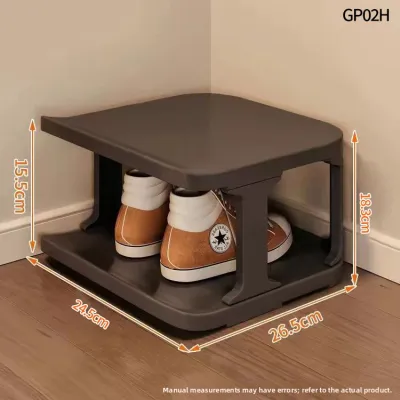
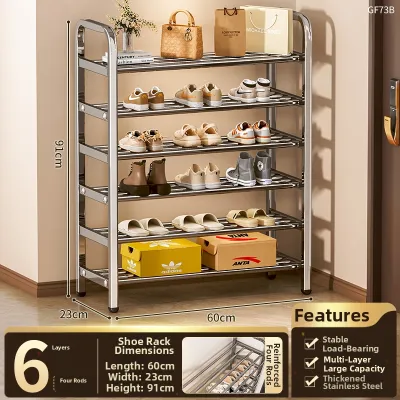
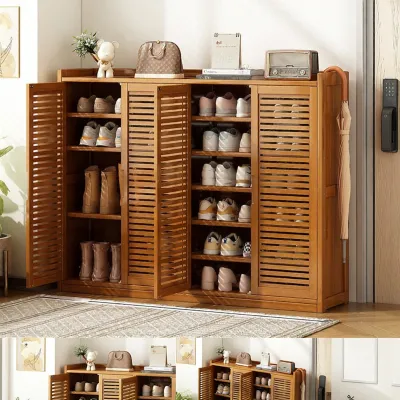
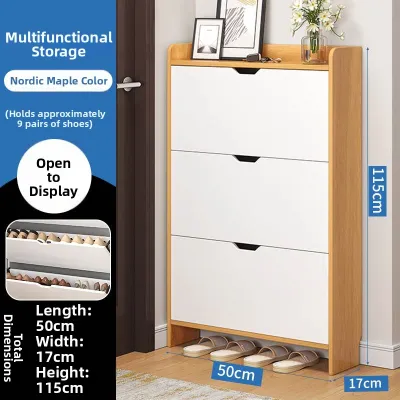
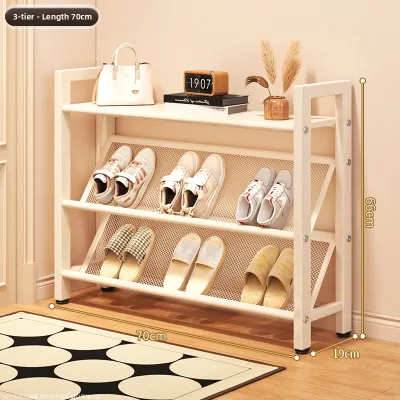
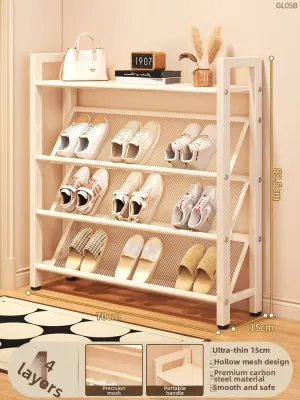
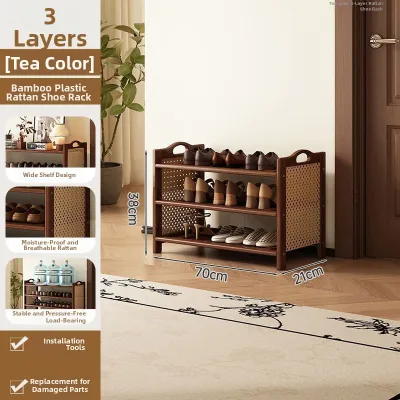
Prices are valid at publication and may change. Please refer to the product page for the latest price.
How to Measure Your Closet for a Shoe Rack
Before browsing online marketplaces or visiting local furniture showrooms, you must take precise measurements of your closet interior. Relying on visual estimates often leads to buying a rack that is too deep, too tall, or unstable on your specific flooring. Grab a steel measuring tape and document the following dimensions to ensure a perfect fit.

Width and Depth Begin by measuring the clear floor space from wall to wall and front to back. Do not measure from the baseboards; instead, measure the actual flat floor area where the rack’s feet will rest. Subtract at least 2 to 3 centimeters from your total width to account for baseboard thickness and door hinge clearance. If you have a sliding door system, measure the depth of the track to ensure the rack will not sit too far forward and block the doors from sliding smoothly.
Height and Vertical Clearance Measure the distance from the closet floor to the bottom hem of your longest hanging garments, such as trousers, dresses, or long shirts. This measurement defines the maximum allowable height for any freestanding shoe rack. If the rack is too tall, your hanging clothes will drape directly over your shoes. This transfers dust and oils to your garments and restricts air circulation, which can lead to musty odors.
Door Swing and Track Clearance For closets with hinged doors, analyze the swing path. A shoe rack placed too close to the hinge side can prevent the door from opening fully, restricting your access to the corner of the closet. For sliding doors, identify the overlap zone where the doors meet. Your shoe rack must fit entirely within the active opening width of one door panel so you can easily reach every pair without having to awkwardly slide the doors back and forth.
Floor Surface and Stability Examine the material of your closet floor. Hard surfaces like ceramic tile, polished concrete, or vinyl planks offer excellent stability for narrow, vertical racks. If your closet floor is carpeted or has uneven tile grout lines, a tall, lightweight rack is highly susceptible to wobbling. For uneven or soft surfaces, look for racks with adjustable leveling feet or plan to place a rigid base underneath to distribute the weight evenly.
Best Space-Saving Shoe Rack Types for Small Closets
Different closet layouts require different storage configurations. Depending on whether you have unused floor space, an empty door back, or bare side walls, one of the following three space-saving designs will offer the best efficiency for your home.
Stackable and Adjustable Shelf Racks
Modular wire or metal racks are highly versatile because they can expand horizontally or stack vertically as your collection changes. These systems allow you to customize the width to match your closet’s exact floor dimensions and adjust the height between tiers to fit different shoe profiles.
These racks are particularly suited for a mixed collection of flat sandals, canvas slip-ons, and bulkier sneakers. When choosing these modular units, always check the manufacturer’s specified weight limits per tier. Overloading lightweight wire or plastic frames can cause the shelves to sag, compromising the stability of the entire structure. For long-term durability in humid environments, prioritize epoxy-coated steel or heavy-duty plastic frames over untreated wood, which can warp or attract mold.
Over-the-Door and Wall-Mounted Organizers
If your closet floor is completely occupied by storage boxes or drawers, look to your vertical surfaces. Over-the-door hanging organizers and wall-mounted racks utilize dead space on the inside of closet doors or bare side walls, keeping your floor completely clear and making cleaning much easier.
For over-the-door pockets or hooks, measure your door’s thickness and the gap at the top and sides of the frame to ensure the brackets do not scrape the jamb or prevent the door from latching. For wall-mounted options like pegboards or floating shelves, verify your wall type. Concrete or masonry walls, common in Philippine homes, require a masonry drill bit and plastic wall anchors for installation. Drywall, on the other hand, requires specialized hollow-wall anchors. These vertical systems are ideal for lightweight everyday footwear like sandals, flats, and slippers rather than heavy boots.
Slim Drop-Down and Tilt-Out Designs
Slim drop-down cabinets or tilt-out shoe racks are excellent for shallow reach-in closets or narrow alcoves adjacent to your wardrobe. Because the shoes are stored vertically and tilt outward when opened, these units require very little forward clearance compared to traditional open shelves.
The trade-off for this ultra-slim profile is limited capacity and shoe-type restrictions. These compartments typically hold fewer pairs per tier and are best suited for low-profile footwear such as flats, sandals, and thin sneakers. Before purchasing, verify the exact depth of the cabinet when the drawers are fully tilted open to ensure it does not block your closet’s main pathway or hit adjacent furniture.
Matching a Shoe Organizer Space Saver Rack to Your Daily Rotation
To maintain an organized closet, your shoe organizer space saver rack should only hold the shoes you wear regularly. Attempting to cram your entire footwear collection into a small closet is a recipe for clutter and damaged shoes.
Daily vs. Seasonal Rotation Keep your most frequently worn shoes—such as work heels, daily sneakers, and casual sandals—on the most accessible middle and lower tiers of your rack. Off-season footwear, formal shoes, or heavy hiking boots should be cleaned, dried, and stored on higher closet shelves or in under-bed storage boxes. This keeps your daily rack organized and ensures you can grab your shoes quickly in the morning.
Calculating Pairs per Tier When estimating how many shoes a rack can hold, do not rely solely on generic “12-pair” or “20-pair” product labels. Measure the average width of your shoes. A standard tier with a width of 60 centimeters typically holds three pairs of women’s flats or two pairs of wide men’s sneakers. Bulky athletic shoes or thick-soled trainers require more lateral space, which reduces the overall capacity per shelf.
Adjustable Tier Spacing Look for racks that feature removable or adjustable shelves. Being able to change the distance between tiers allows you to accommodate taller items, such as ankle boots or high-top sneakers, without wasting vertical space. If a rack has fixed 15-centimeter shelves, you may end up with wasted vertical clearance above low flats while being unable to fit your taller shoes.
Future-Proofing Your Storage Always add a 10% to 20% capacity buffer to your current active shoe count when selecting a rack. If you currently have eight pairs in your daily rotation, choose an organizer that can comfortably hold ten pairs. This buffer accommodates new purchases or temporary storage for guest footwear without cluttering your closet floor.
Common Sizing and Placement Mistakes to Avoid
Avoiding common installation and placement errors will ensure your shoe rack remains stable, functional, and protective of your footwear over time.
Ignoring the Door Gap One of the most frequent mistakes is failing to measure the clearance between the front of the shoe rack and the closed closet door. If the rack is too deep, the door will press against your shoes, crushing the toe boxes of your footwear and potentially scratching the door’s interior surface or bending the hinges.
Overloading Lightweight Materials Cheap plastic or thin bamboo racks are highly susceptible to bowing or collapsing under heavy loads. Always check the product label for the maximum weight capacity per shelf. If you have several pairs of heavy leather shoes or work boots, prioritize sturdy metal frames with reinforced joints.
Blocking Ventilation In the tropical, high-humidity climate of the Philippines, air circulation is critical to preventing mold and mildew growth. Avoid pushing your shoe rack completely flush against the back wall of the closet. Leaving a gap of at least 2 to 3 centimeters allows air to circulate around your shoes, helping them dry out after a humid day and protecting leather and canvas materials from fungal damage.
Mismatched Shoe Types Forcing tall boots, high heels, or thick-soled platform shoes into tight, fixed-height slots will damage your footwear. It crushes the uppers, deforms the counters, and makes retrieving your shoes frustrating. If your collection is diverse, avoid racks with uniform, non-adjustable compartments.
Frequently Asked Questions (FAQ)
Can I place a freestanding shoe rack on a carpeted closet floor?
Yes, but you must take precautions to ensure stability. Carpeted floors can cause narrow-legged shoe racks to sink, tilt, or wobble when loaded unevenly. To prevent this, place a rigid baseboard, furniture coasters, or a thin piece of plywood under the legs of the rack. This distributes the weight across a larger surface area, keeping the unit upright and stable.
How do I manage shoe odors in a small, enclosed closet?
Managing odors in a compact, enclosed closet requires consistent moisture control, especially in humid environments. Always ensure your shoes are completely dry before placing them on the rack to prevent bacterial and mold growth.
Use passive odor and moisture absorbers on your rack tiers, such as activated charcoal bags, silica gel packets, or cedar blocks. Additionally, make it a habit to leave your closet doors open for a few hours each week to promote air exchange and reduce humidity buildup.
Community discussion
Share your experience or ask a question. Comments are reviewed before publication.