
Finding the right storage solution for your footwear in a compact Philippine home requires balancing spatial efficiency with visual clarity. A white shoe cabinet serves as an ideal solution, offering a clean, minimalist aesthetic that visually expands cramped entryways while keeping daily footwear organized. In typical urban condominiums and townhouses across Metro Manila and other major cities, foyer space is highly limited, making smart furniture selection essential. The ideal cabinet must not only fit the physical footprint of your hallway but also withstand the challenges of a tropical climate, including high humidity and wet rainy-season gear. By focusing on slim profiles, proper ventilation, and moisture-resistant finishes, you can maintain an organized home without sacrificing valuable floor space.
Quick Guide: Choosing a White Shoe Cabinet for Small Spaces
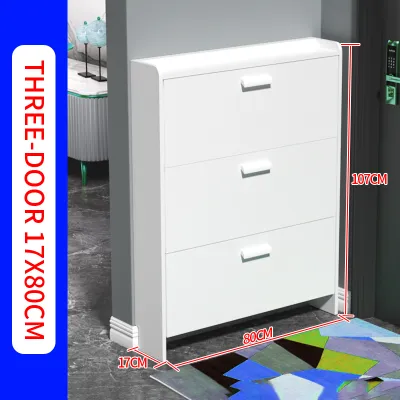
When selecting a white shoe cabinet for a compact entryway, the primary objective is to maximize vertical storage while minimizing the floor footprint. For narrow hallways and tight condominium foyers in the Philippines, slim tilt-drawer cabinets and multi-functional bench designs offer the most practical balance of capacity and physical footprint. These configurations allow you to store multiple pairs of shoes upright or nested, preventing the cluttered look of open shoe racks.
Before making a purchase, you must verify three critical factors: the exact depth of the cabinet, the presence of adequate ventilation to handle humid tropical weather, and the durability of the white finish. A unit that is too deep will obstruct your main walkway, while a cabinet lacking airflow will quickly trap moisture and odors. Prioritizing these elements ensures your storage solution remains both highly functional and visually appealing over years of daily use.
Products mentioned in this guide
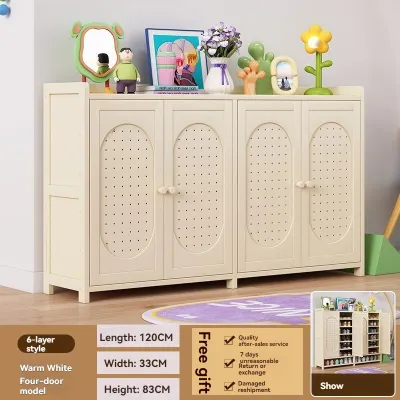
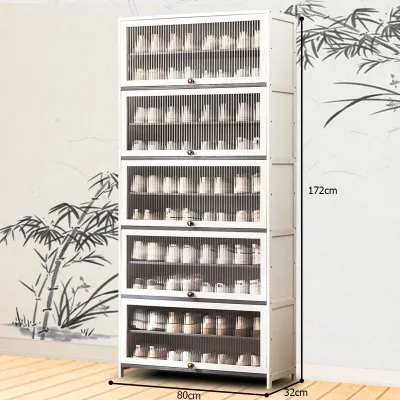
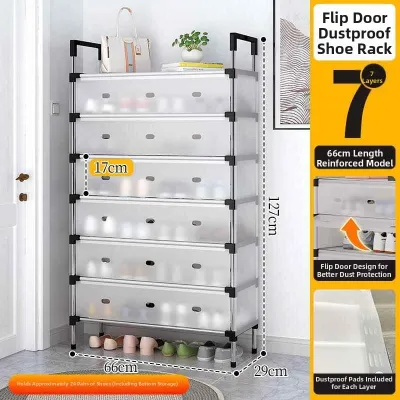
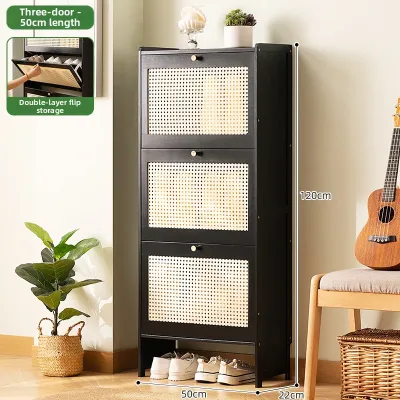
Prices are valid at publication and may change. Please refer to the product page for the latest price.
The Spatial and Aesthetic Benefits of White Cabinets
The color white plays a strategic role in interior design, particularly when dealing with the limited square footage of modern urban residences. White surfaces reflect both natural and artificial light, creating an optical illusion of a wider, more open space in otherwise dark or narrow apartment hallways. This light-reflective quality helps soften the heavy, imposing presence that large storage units often bring into a room.

In addition to spatial benefits, a white finish provides a clean, minimalist aesthetic that seamlessly integrates with various interior design themes, from Scandinavian and contemporary to traditional Filipino-modern styles. By blending into the walls, a white cabinet reduces visual noise at the entrance of your home, making the entire foyer feel less cluttered. This neutral backdrop also allows you to personalize your entryway with small decorative accents, such as a small tray for keys or a potted indoor plant, without overwhelming the senses.
Furthermore, choosing a white cabinet helps establish a sense of cleanliness and order the moment you step through the door. In busy households, a bright, organized entryway sets a calming tone for the rest of the home. Because white furniture highlights clean lines, it encourages residents to keep the surrounding area tidy, reinforcing positive home organization habits.
Key Features to Check for Compact Philippine Homes
Selecting furniture for a tropical, high-humidity environment requires looking beyond aesthetics to evaluate structural integrity and material suitability. In the Philippines, the combination of intense summer heat and heavy monsoon rains creates a challenging environment for indoor wooden furniture. To ensure your white shoe cabinet survives the local climate and daily wear, pay close attention to the following physical and technical specifications.
Dimensions and Door Clearance
Before purchasing any shoe cabinet, you must measure the available wall space and compare it against the product’s finished dimensions. For narrow hallways common in studio apartments and townhouses, look for cabinets with a depth of under 15 to 20 centimeters. This ultra-slim profile keeps the walkway clear for daily foot traffic and prevents the entryway from feeling cramped.
Equally important is checking the clearance required for opening the cabinet doors or tilting drawers. Ensure that when the cabinet is fully opened, it does not collide with your main entrance door, adjacent room doors, or nearby light switches. If your entryway is exceptionally tight, sliding doors or tilt-out drawers are generally safer options than traditional swing-out doors, which require a wider clearance radius to operate comfortably.
Additionally, consider the height of the unit in relation to other architectural features. A taller, narrower cabinet utilizes vertical wall space effectively, which is ideal for high-ceilinged units but might block wall-mounted intercoms or light switches if not planned carefully. Always verify these measurements on-site to ensure a seamless fit.
Ventilation and Moisture Resistance
The tropical climate of the Philippines brings high relative humidity, which can lead to mold, mildew, and unpleasant odors inside enclosed storage spaces. When shoes are stored in a dark, stagnant environment, fungal growth can quickly ruin leather, canvas, and synthetic materials. To protect your footwear, look for shoe cabinets featuring slatted back panels, louvers, or built-in ventilation grommets that encourage continuous airflow.
You should also verify the cabinet’s material specifications to ensure it can withstand damp conditions. If choosing engineered wood, check that it has been treated or sealed with a moisture-resistant coating, or opt for powder-coated metal frames that resist rust. Untreated particleboard can easily absorb ambient moisture from the air or wet shoes, causing the panels to swell, warp, and degrade over time.
Furthermore, inspect the quality of the joints and edge banding on laminate models. Poorly sealed edges allow moisture to penetrate the core material, leading to unsightly bubbling of the white finish. Prioritizing robust edge construction and proper ventilation will significantly extend the lifespan of your cabinet in humid coastal areas.
Easy-Clean and Scratch-Resistant Surfaces
White furniture is notoriously susceptible to showing scuffs, dust, and mud, which are common occurrences in a busy household, especially during the rainy season. To keep maintenance manageable, prioritize matte, semi-gloss, or high-pressure laminate finishes that resist stains and are straightforward to wipe clean. These surfaces prevent dirt from bonding with the material, allowing for quick daily maintenance.
Avoid highly porous, untreated wood surfaces or cheap paper laminates, as these materials can permanently stain when exposed to wet soles, dirt, or shoe polish. A high-quality laminate or a sealed polyurethane finish allows you to quickly clean off daily smudges with a damp cloth without stripping the paint or damaging the underlying material. This is particularly important near the floor level, where shoes are frequently kicked or dropped.
It is also wise to check if the finish is resistant to yellowing from household cleaners. Some low-grade paints react poorly to standard disinfectants or multi-purpose sprays. Opting for a certified scratch-resistant and chemical-resistant coating ensures the cabinet retains its bright white appearance despite frequent wiping and sanitizing.
Best White Shoe Cabinet Designs for Limited Spaces
Different entryway layouts require distinct structural approaches to storage. Understanding the strengths and limitations of each design option will help you select the most efficient model for your household’s specific needs.
Slim Tilt-Drawer Cabinets
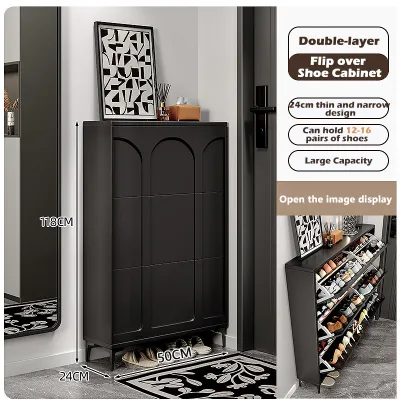
Slim tilt-drawer cabinets are specifically engineered for exceptionally narrow hallways where traditional shelving is impractical. By utilizing a pivoting mechanism, these cabinets store shoes vertically rather than horizontally, reducing the required cabinet depth to as little as 15 centimeters. This ultra-slim profile ensures that your main walkway remains completely unobstructed, even in tight condo entryways.
However, this space-saving design comes with specific capacity limitations. Tilt-drawer systems are highly efficient for flat footwear, such as sandals, slippers (tsinelas), flats, and standard low-top sneakers. They often struggle to accommodate high heels, bulky athletic shoes, or large boot styles unless the internal dividers are adjustable or completely removed. If your household primarily wears bulky footwear, you will need to verify the internal drawer dimensions before purchasing.
When evaluating tilt-drawer models, check the durability of the hinge mechanism. Because these drawers are opened and closed frequently, plastic hinges can wear out or crack under heavy loads. Look for models with reinforced metal hinges or high-grade ABS plastic components to ensure smooth operation over time.
Under-Bench Storage Cabinets
An under-bench storage cabinet serves a dual purpose by combining hidden shoe storage with a practical seating surface. This design is highly beneficial for entryways where family members or guests prefer to sit down while putting on or removing their shoes. By consolidating seating and storage into a single piece of furniture, you eliminate the need for a separate chair or stool, saving valuable floor space.
When selecting a bench design, always check the manufacturer’s specified weight capacity for the seating surface to ensure it can safely support an adult. Additionally, verify that the white finish on the bench top is highly scratch-resistant, or choose a model that includes a removable, washable cushion cover. This protection prevents keys, bags, and daily wear from scratching or staining the white surface.
Keep in mind that bench-style cabinets typically have a lower total shoe capacity compared to tall cabinets. They are best used as secondary storage for your most frequently worn pairs, while seasonal or formal footwear is kept elsewhere. This setup keeps your entryway functional and uncluttered while providing a welcoming spot for guests.
Wall-Mounted Floating Cabinets
Wall-mounted floating cabinets are suspended above the floor, creating an open gap underneath that visually expands the room. This design makes small entryways feel larger because it leaves more floor tiles visible, and it simplifies daily cleaning by allowing you to sweep or mop underneath without moving heavy furniture. The empty space below the cabinet can also serve as a temporary parking spot for wet umbrellas or indoor slippers.
Safety is a paramount consideration for any wall-mounted furniture. You must ensure the cabinet is securely anchored to solid wall studs or, in the case of concrete or hollow-block walls common in Philippine homes, installed using heavy-duty masonry anchors. Always adhere strictly to the manufacturer’s recommended weight limits to prevent the unit from pulling away from the wall and causing damage or injury.
Before mounting, verify that the wall itself is structurally sound and capable of holding the combined weight of the cabinet and your shoe collection. If you are renting your home, check your lease agreement regarding drilling into concrete walls, as some properties restrict heavy mounting. When installed correctly, however, floating cabinets offer a sleek, modern look that elevates the entire foyer.
Modular Stackable Cubes
Modular stackable cubes offer a highly flexible, reconfigurable storage solution that can adapt to changing needs or irregular architectural spaces. These interlocking white cubes can be stacked vertically to utilize high ceilings or arranged side-by-side to fit neatly under staircases, inside closets, or in tight corners. This adaptability makes them a popular choice for renters who may move to different apartment layouts in the future.
The primary trade-off with modular cubes is their visual impact and maintenance requirements. Many modular systems feature open fronts, which require more frequent dusting to keep the white interiors looking clean. Additionally, they may lack the seamless, premium appearance of integrated wooden or metal cabinets, making them better suited for casual interiors or utility areas rather than formal entryways.
If you choose modular cubes, look for high-density plastic or coated wire frames that are easy to wash and assemble. Ensure the interlocking connectors are robust and fit tightly to prevent the structure from wobbling when fully loaded. This cost-effective option allows you to scale your storage capacity up or down as your shoe collection grows.
How to Measure Your Entryway for a Perfect Fit
To avoid the frustration of purchasing a cabinet that does not fit or blocks your hallway, you must perform precise measurements of your entryway before shopping. Accurate planning ensures that your new furniture integrates seamlessly into your daily routine without creating physical bottlenecks.
Start by measuring the total wall space. Use a metal measuring tape to record the exact width, height, and depth of the spot where you plan to place the cabinet. Measure from the baseboard rather than the bare wall, as baseboards can reduce the available depth by a centimeter or more. If your walls are slightly uneven, take measurements at multiple points to find the narrowest clearance.
Next, check for wall-mounted obstructions. Look for light switches, electrical outlets, intercom systems, doorbells, or wall moldings. Ensure the cabinet’s height and width will not block access to these essential utilities. If a cabinet blocks an outlet, you may need to choose a shorter model or one with an open back that allows access to the sockets.
Calculate the door swing clearance carefully. Open your main entrance door completely and measure its swing radius. Your shoe cabinet must be placed outside this path to prevent the door from slamming into the cabinet, which could damage both the furniture and the door handle. This is a common issue in compact condominiums where the front door opens directly into a narrow corridor.
Map the footprint using easily removable painter’s tape to outline the cabinet’s exact dimensions on the floor. Walk through the entryway several times with the tape in place to verify that you can move comfortably past the simulated cabinet, especially when carrying groceries or bags. If the remaining walkway is less than 70 centimeters wide, you should consider a slimmer cabinet design.
Finalize your purchase by verifying access routes. Check the dimensions of your building’s doorways, hallways, stairwells, and elevators. If you are purchasing a pre-assembled cabinet, you must ensure that the delivery team can safely transport the unit to your home without getting stuck in tight corners. For self-assembly models, ensure you have a flat, clear space in your home to assemble the pieces safely.
Maintaining White Cabinets in a Humid Climate
Keeping a white shoe cabinet looking pristine in a tropical environment requires consistent, low-risk maintenance habits. High humidity levels can accelerate the degradation of finishes and encourage the growth of mold if moisture is allowed to accumulate inside the unit. By establishing a simple care routine, you can preserve the bright, clean look of your furniture for years.
For routine cleaning, dust the exterior and interior surfaces of the cabinet at least once a week using a dry, soft microfiber cloth. To remove smudges or dirt, use a slightly damp cloth with a mild, pH-neutral soap solution. Avoid harsh, abrasive scrubbers or chemical cleaners containing ammonia or bleach, as these substances can strip away protective topcoats and cause the white paint or laminate to yellow over time.
To protect the interior of your cabinet, never store wet or damp shoes immediately after coming inside from the rain. Allow your footwear to air dry completely in a well-ventilated area before placing them in the enclosed cabinet. Storing wet shoes traps moisture inside, which can lead to wood rot, warping, and persistent odors that are difficult to eliminate.
You can also place moisture-absorbing packets, silica gel sachets, or activated charcoal deodorizers inside the drawers to help control humidity levels and neutralize trapped odors. These affordable solutions are widely available in local hardware stores and online marketplaces, and they provide an extra layer of protection for your valuable footwear.
Periodically open the cabinet doors during dry, sunny days to allow fresh air to circulate through the shelves. This simple habit helps dissipate any trapped moisture and keeps the interior dry, protecting both your cabinet’s structure and your footwear collection from mold damage. If you notice any signs of mold, wipe the affected area immediately with a diluted vinegar solution and dry it thoroughly.
Frequently Asked Questions (FAQ)
How do I prevent my white shoe cabinet from turning yellow?
White furniture finishes can turn yellow over time due to prolonged exposure to direct ultraviolet (UV) sunlight and the use of harsh, chemical-heavy cleaning agents. To prevent this discoloration, position your cabinet away from windows that receive direct sunlight, or use curtains to filter the light. When cleaning, always stick to mild, non-abrasive soaps and avoid bleach-based products that can degrade the protective polyurethane or laminate topcoat. If the cabinet is exposed to indirect light, applying a UV-resistant wax or polish specifically designed for furniture can help maintain its bright finish.
Can a slim tilt-drawer cabinet hold large men's shoes?
Standard slim tilt-drawer cabinets are typically designed for shoes up to a certain size, often struggling with US men’s size 11 or 12 and above, or bulky athletic sneakers. If you need to store larger footwear, look for models that feature adjustable or removable internal dividers, which allow you to customize the slot height. Alternatively, you may need to consider a slightly deeper cabinet with standard pull-out shelves or open cubbies to accommodate larger shoe profiles comfortably. Always check the manufacturer’s maximum shoe-size specifications before purchasing to ensure a proper fit.
Community discussion
Share your experience or ask a question. Comments are reviewed before publication.