
When designing or upgrading a kitchen in the Philippines, selecting the right storage solution involves balancing durability, hygiene, and resistance to harsh environmental factors. Traditional wooden or medium-density fiberboard (MDF) cabinets often struggle to survive the country’s intense tropical climate, where high humidity, heat, and pests are constant challenges. Investing in a high-quality stainless cabinet system offers a robust, sanitary, and exceptionally long-lasting alternative that keeps your kitchen organized and clean for decades.
Choosing the right stainless steel storage requires looking beyond aesthetics. You must understand the different steel grades, structural designs, and installation requirements that fit your specific kitchen layout and cooking habits. From freestanding pantries that hold heavy sacks of rice to mobile prep carts that maximize tight condominium spaces, this guide details everything you need to know to make an informed investment for your home.
Why Stainless Steel Suits Philippine Kitchens
The environmental and practical challenges of running a household in the Philippines make stainless steel one of the most reliable materials for kitchen furniture. Unlike temperate regions, tropical climates subject indoor furniture to extreme moisture fluctuations, active pest populations, and intensive, high-heat cooking methods.
Products mentioned in this guide
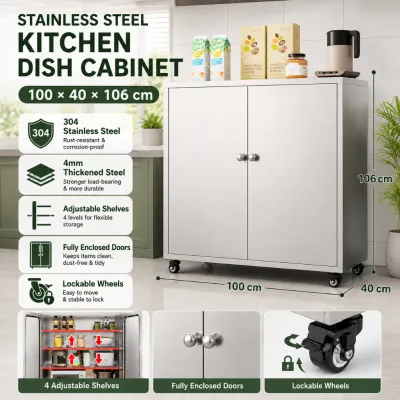
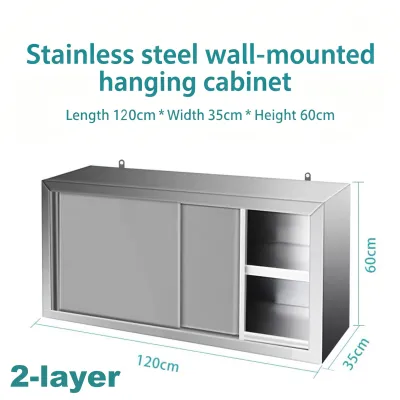
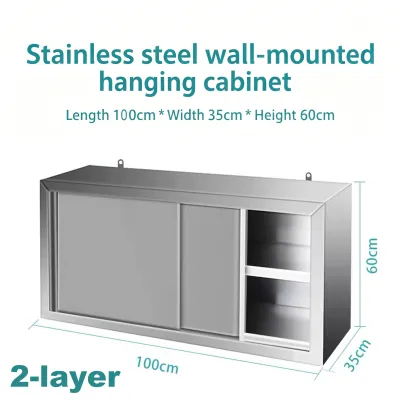
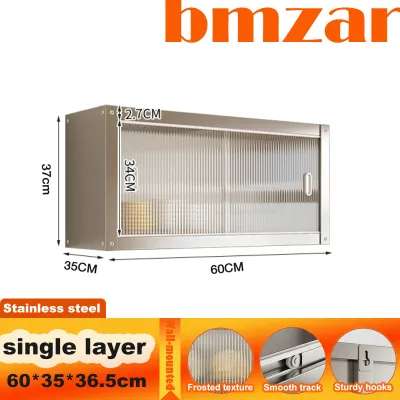
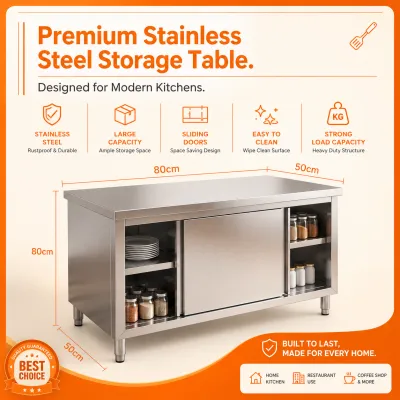
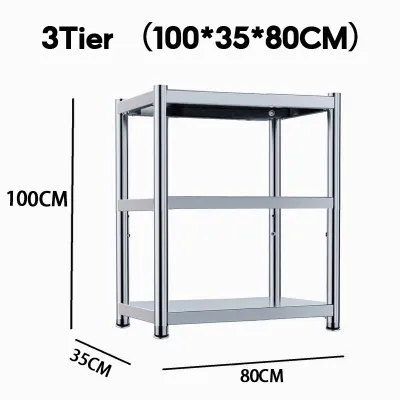
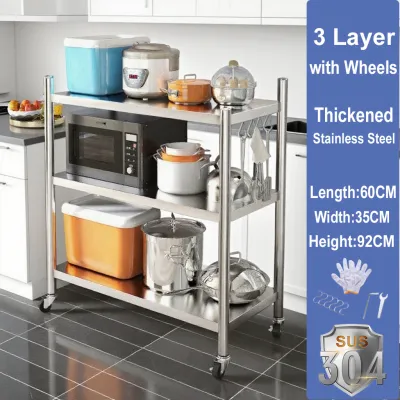
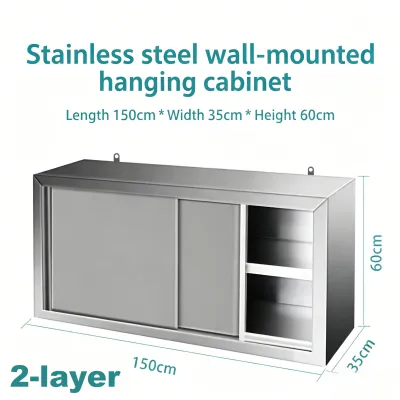
Prices are valid at publication and may change. Please refer to the product page for the latest price.
Moisture and Humidity Resistance Relative humidity levels in the Philippines regularly exceed 80%, particularly during the wet monsoon season. Wooden, plywood, and MDF cabinets naturally absorb this airborne moisture, causing them to swell, warp, and sag over time. This trapped moisture also creates an ideal breeding ground for mold and mildew, which can ruin stored dry goods and compromise indoor air quality. Stainless steel is entirely non-porous and impervious to water, vapor, and humidity. It will not warp, rot, or degrade, regardless of how humid your kitchen becomes.
Pest Deterrence Kitchen pests such as termites (anay), cockroaches, and ants are a persistent issue in local households. Wooden cabinets, especially those made of softwoods or compressed particle boards, are highly vulnerable to termite infestations that can hollow out your storage structures within months. Additionally, food residues can seep into porous wood surfaces, attracting insects. Stainless steel offers no organic material for termites to feed on, and its smooth, sealed joints leave no crevices for pests to nest or hide.
Heat and Stain Tolerance Philippine cooking styles often involve high-heat frying, sautéing, and the heavy use of rich, colorful, and acidic ingredients like soy sauce (toyo), vinegar (suka), fish sauce (patis), and cooking oils. When these liquids splash onto wooden or laminate countertops, they can leave permanent stains and degrade the protective finish. Stainless steel can withstand direct exposure to high temperatures from nearby gas stoves or LPG burners without scorching or discoloring. It is also highly resistant to chemical staining, allowing you to wipe away acidic or salty spills without leaving a trace.
Hygiene and Cleaning Because stainless steel has a completely flat, non-porous surface, it does not harbor bacteria, viruses, or food allergens. This makes it the material of choice for commercial kitchens and highly hygienic home environments. Spills, grease splatters, and dust do not stick deeply to the metal, making daily cleanup exceptionally fast and efficient. A simple wipe-down with a damp cloth is usually all it takes to restore the surface to a sanitary state.
How to Choose the Right Stainless Cabinet: Steel Grades and Build Quality
Not all stainless steel cabinets are created equal. To ensure your stainless cabinet investment lasts a lifetime without rusting or structural failure, you must evaluate the specific steel grades, panel thicknesses, and hardware components used in its construction.

SUS304 vs. SUS201 Steel The two most common grades of stainless steel used in residential kitchen furniture are SUS304 and SUS201. Understanding the difference between them is crucial for managing your budget and ensuring long-term durability:
- SUS304 (Austenitic Steel): This grade contains high levels of chromium (typically 18%) and nickel (around 8%). The presence of nickel makes SUS304 exceptionally resistant to rust and chemical corrosion. It is highly recommended for kitchens in coastal areas (where salt-laden air accelerates rusting), wet outdoor "dirty kitchens," and areas directly surrounding the kitchen sink.
- SUS201 (Manganese-Substituted Steel): In this grade, much of the nickel is replaced with manganese. This makes SUS201 significantly cheaper while maintaining high structural strength. However, it is much more susceptible to rust when exposed to constant moisture, salt, or acidic liquids. SUS201 is an excellent, budget-friendly choice for dry indoor pantries, but it requires diligent maintenance and immediate cleanup of spills to prevent localized corrosion.
Steel Thickness and Gauge The thickness of the steel panels directly dictates the cabinet’s structural integrity, weight capacity, and noise level. Manufacturers typically specify thickness in millimeters or gauge numbers (where a lower gauge number indicates thicker steel). For residential kitchen use, look for panels with a thickness between 0.8 mm (around 22 gauge) and 1.2 mm (around 18 gauge). Panels thinner than 0.8 mm are highly prone to denting when bumped by heavy pots or pans. Furthermore, thin steel panels create a loud, hollow, tinny sound when doors are closed or when items are placed on the shelves. Thicker steel provides a solid, premium feel and significantly dampens operational noise.
Hardware and Fittings A cabinet is only as durable as its moving parts. Even if the main body is made of high-quality SUS304 steel, the unit will fail if the hinges, drawer slides, magnetic catches, and door handles are made of cheap carbon steel. In a humid kitchen, low-grade hardware will rust rapidly, causing doors to sag, drawers to jam, and handles to snap. When purchasing, verify that all hardware is made of rust-resistant materials, such as SUS304 stainless steel or high-quality coated alloys. Soft-close hydraulic hinges are highly desirable as they prevent heavy steel doors from slamming.
Welding and Edge Finishing Inspect the construction quality of the joints and edges. Premium stainless steel cabinets feature continuous, smooth, and polished welds that seal the joints completely, preventing water and grease from seeping into hidden gaps. Cheaper, mass-produced units often rely on basic spot welding or simple screws, which can leave open seams that trap dirt and moisture. Additionally, run your hands carefully along the undersides of shelves and door frames (or check product specifications) to ensure all edges are folded, hemmed, or deburred. Raw, sharp steel edges pose a severe safety hazard during cleaning and daily use.
Recommended Stainless Steel Cabinet Types for Different Layouts
Matching the cabinet configuration to your kitchen’s physical footprint and daily workflow is key to maximizing efficiency. Stainless steel kitchen storage generally falls into three main structural types, each serving distinct household needs.
Freestanding Pantry and Appliance Cabinets
Freestanding cabinets are vertical, self-supporting units designed to provide high-volume storage. They are the ideal choice for households that need to organize large quantities of dry goods, heavy kitchen tools, and small appliances in a centralized zone.
- Best For: Medium to large kitchens, open-plan layouts, and homes that require heavy-duty storage for bulk items, such as 25-kilogram sacks of rice, multi-gallon cooking oil containers, and heavy cast-iron cookware.
- Key Features to Look For: Look for units with fully adjustable shelving systems, allowing you to customize the interior height to accommodate tall cereal boxes or bulky stockpots. If you plan to store small appliances like microwaves, air fryers, or rice cookers inside or on the cabinet shelves, ensure the unit features built-in ventilation slots, slatted shelves, or rear grommet holes to safely dissipate heat and steam. To prevent bowing under heavy loads, check that the shelves are reinforced with welded under-shelf support ribs.
- Limitations: Freestanding units have a substantial physical footprint and can quickly make a small kitchen feel cramped. They require careful pre-measurement of your floor space and wall clearance. You must also ensure there is enough clearance for the cabinet doors to swing open fully without obstructing high-traffic walkways or colliding with adjacent appliances.
Mobile Kitchen Carts and Prep Tables
Mobile kitchen carts combine storage shelves or drawers with a flat, heavy-duty working surface, all mounted on wheels. They offer exceptional flexibility for dynamic households and smaller living spaces.
- Best For: Compact kitchens, studio condominiums, and homes with limited countertop space. They are also highly useful as transitional serving carts between an indoor kitchen and an outdoor patio or "dirty kitchen" barbecue area.
- Key Features to Look For: Look for heavy-duty, lockable caster wheels made of polyurethane or non-marking rubber. These materials glide smoothly over kitchen tiles without scratching and lock firmly in place to provide a stable surface during heavy chopping or food prep. Useful additions include integrated cutting board tops, side towel racks, spice bottle holders, and sturdy hanging hooks for cooking utensils.
- Limitations: Due to their compact and mobile design, these carts offer significantly less overall storage volume compared to tall, freestanding cabinets. Additionally, because the wheels are close to the kitchen floor, they can easily collect hair, dust, and cooking grease over time. This requires regular cleaning and occasional lubrication of the casters to maintain smooth, silent rolling.
Wall-Mounted and Over-Sink Storage Units
Wall-mounted cabinets and over-sink drying racks utilize unused vertical wall space, keeping countertops clear and frequently used items within arm’s reach.
- Best For: Small or narrow kitchens where floor space is at a premium. They are particularly effective when installed directly above the kitchen sink or food preparation counters to store dishes, glassware, and spices.
- Key Features to Look For: For over-sink models, prioritize units that feature integrated, removable drip trays (made of plastic or stainless steel) to catch water from freshly washed dishes, preventing moisture from pooling on your countertops. Ensure the shelves have raised guardrails or safety lips to prevent plates and glass jars from accidentally sliding off. Look for adjustable wall-mounting brackets that allow you to fine-tune the installation height.
- Limitations: Wall-mounted units have strict weight limits that must never be exceeded to prevent catastrophic failures. Installation is highly demanding; it requires drilling directly into solid concrete, masonry, or wooden wall studs using heavy-duty expansion bolts. Mounting these heavy metal cabinets on hollow drywall partitions or thin plywood panels without proper structural reinforcement is highly unsafe and can lead to wall damage or collapse.
How to Maintain and Prevent Rust in Humid Climates
While stainless steel is highly resistant to corrosion, the term “stainless” does not mean “stain-impossible.” In the hot, humid, and salty air of the Philippines, improper care can degrade the metal’s protective chromium oxide layer, leading to surface discoloration and rust. Implementing a simple, consistent maintenance routine will keep your cabinet looking pristine for decades.
Routine Cleaning Best Practices For daily maintenance, use a soft microfiber cloth dampened with warm water and a few drops of mild dish soap. Gently wipe the surfaces, always rubbing in the direction of the brushed metal grain rather than in circular motions, which can cause micro-scratches.
- Warning: Never use household bleach (sodium hypochlorite), acid-based cleaners, or harsh chemical solvents on stainless steel. These chemicals chemically strip the protective chromium oxide layer, exposing the underlying iron to moisture and triggering rapid rust. Avoid abrasive scrubbing pads, wire brushes, or steel wool, as they leave tiny carbon steel particles embedded in the surface, which will quickly turn into ugly rust spots.
Drying and Moisture Control Tap water in many parts of the Philippines contains high concentrations of dissolved minerals (hard water). If you allow water droplets to air-dry on your stainless steel cabinet, they will leave behind unsightly white mineral spots and scale. Over time, these deposits can trap moisture against the metal, leading to localized crevice corrosion. Always dry all surfaces thoroughly with a clean, dry microfiber towel immediately after cleaning or washing dishes.
Dealing with Surface Rust If you notice small, orange-brown rust spots forming on your cabinet, address them immediately before they penetrate deeper into the metal. You can easily remove minor surface rust using a safe, non-toxic, and reversible household method:
- Mix baking soda with a small amount of water to create a thick, spreadable paste.
- Apply the paste directly onto the rust spots and let it sit for 15 to 20 minutes to break down the iron oxides.
- Using a soft, non-scratch nylon sponge or a microfiber cloth, gently scrub the paste over the affected area, ensuring you rub strictly along the direction of the metal's grain.
- Rinse the area thoroughly with clean water to remove all baking soda residues, and dry the surface immediately with a soft towel.
- For stubborn rust, you may use a specialized, commercial stainless steel cleaner and polish, following the manufacturer's instructions carefully.
Environmental Adjustments High ambient humidity and trapped cooking grease accelerate the degradation of stainless steel. To protect your kitchen furniture, ensure your cooking area is well-ventilated. Install a high-quality range hood or exhaust fan directly above your stove to draw away steam, airborne grease, and combustion byproducts. Keeping windows open during food preparation promotes cross-ventilation, reducing the buildup of humid air and grease on your cabinets.
Space Planning and Installation Checklist
Before purchasing a stainless steel cabinet, careful planning and preparation are essential. Because many high-quality steel cabinets are delivered fully welded or pre-assembled to guarantee maximum structural strength, they cannot be flat-packed or adjusted easily upon arrival. Use this checklist to ensure a seamless delivery and installation process.
Measuring Clearances Do not rely on visual estimates. Use a metal measuring tape to record the exact dimensions of the designated space:
- Width, Depth, and Height: Ensure the cabinet fits comfortably within the allocated area without blocking light switches, electrical outlets, or ventilation ducts.
- Door and Drawer Clearance: Measure the swing radius of the cabinet doors (which typically require at least 90 to 110 degrees of clearance to open fully) and the maximum extension length of drawers. Ensure they do not collide with dining tables, kitchen islands, refrigerators, or adjacent walls.
- Heat Source Clearance: Maintain a safe distance (at least 15 to 30 centimeters, depending on manufacturer guidelines) between the cabinet and high-heat appliances like gas ranges or ovens to prevent excessive heat transfer.
Floor Leveling Many floors in Philippine homes—especially in ground-floor kitchens, utility areas, or outdoor “dirty kitchens”—are slightly sloped toward floor drains to prevent water pooling. A freestanding cabinet placed on a sloped or uneven floor will wobble, which puts uneven stress on the frame and causes the doors and drawers to become misaligned or fail to close properly.
- Check: Use a bubble level tool or a leveling app on your smartphone to check the floor's flatness.
- Solution: Prioritize purchasing cabinets equipped with adjustable leveling feet (threaded legs). These allow you to adjust the height of each corner individually, ensuring a perfectly level and stable cabinet even on sloped tiles.
Wall Strength Verification If you are installing wall-mounted cabinets or heavy over-sink shelving, you must verify the structural integrity of your walls:
- Concrete or Masonry Walls: Standard in most Philippine homes, concrete walls are excellent for supporting heavy loads. However, they require a hammer drill, high-quality masonry drill bits, and heavy-duty plastic wall plugs or metal expansion sleeve anchors.
- Drywall or Light Partitions: Common in newer condominium units and interior room dividers. Drywall cannot support the weight of a loaded stainless steel cabinet on its own. You must locate the vertical wooden or metal studs behind the drywall using a stud finder and anchor the mounting brackets directly into them. If the studs do not align with your cabinet's mounting points, or if the wall type is uncertain, consult a professional contractor before proceeding.
Delivery and Access Path A common and costly mistake is ordering a large, fully welded cabinet only to find it cannot physically reach the kitchen. Because these units cannot be disassembled, you must measure the entire path the delivery team will take:
- Measure the width and height of all entry gates, front doors, and interior doorways.
- Check for tight corners, narrow hallways, and low-hanging light fixtures along the path.
- If you live in a condominium or multi-story apartment building, measure the interior dimensions and weight capacity of the elevator, as well as the clearance of stairwell turns. Compare these measurements against the cabinet's shipping package dimensions before finalizing your purchase.
Frequently Asked Questions (FAQ)
Is 201 stainless steel safe for food contact and kitchen use?
Yes, SUS201 stainless steel is generally safe for kitchen storage and indirect food contact. It is widely used in budget-friendly kitchen furniture, shelving, and utility tables. However, because SUS201 contains significantly less nickel than SUS304, it is far more susceptible to corrosion when exposed to constant moisture, salt, or acidic food spills (such as vinegar, citrus juices, or tomato sauces). To ensure it remains hygienic and rust-free, avoid placing acidic or highly salty foods directly on the bare steel surface, and wipe up all liquid spills immediately.
How do I remove minor rust spots from my stainless steel cabinet?
To remove minor surface rust safely without scratching the metal, mix equal parts baking soda and water to form a thick paste. Apply this paste directly onto the rust spots and let it sit for approximately 15 to 20 minutes to loosen the iron oxide. Using a soft microfiber cloth or a non-scratch nylon sponge, gently rub the paste over the rust, ensuring you rub strictly in the direction of the metal’s brushed grain. Rinse the area thoroughly with clean water to remove all paste residue, and dry it immediately with a soft, clean towel. Never use wire brushes or steel wool, as they will scratch the polished surface and leave iron particles behind that will cause more severe rust in the future.
Community discussion
Share your experience or ask a question. Comments are reviewed before publication.