
Many homes in the Philippines feature deep, tall built-in wooden wardrobes. While these closets look spacious, they often suffer from a lack of horizontal divisions, leaving vast vertical gaps. Stacking clothes too high inevitably leads to messy, collapsing piles. Installing a rack organizer shelf layer stainless steel system is one of the most effective ways to reclaim this wasted space. By creating stable, intermediate levels, these organizers allow you to categorize your garments, improve visibility, and prevent the clutter that arises from deep stacking. Choosing the right organizer requires looking beyond simple aesthetics to evaluate structural design, material grade, and precise cabinet dimensions.
Why a Rack Organizer Shelf Layer Stainless Steel System is Ideal for Wardrobe Shelves
Heavy garments like denim, thick cotton jackets, or leather bags put significant stress on closet organizers. Unlike plastic shelves that bow over time or thin wire racks that bend under pressure, a high-quality stainless steel frame offers superior structural rigidity. However, the metal’s strength is only as good as its construction; you should always inspect the thickness of the tubes and the quality of the joints. Thin-walled steel tubes can still sag if overloaded, so verifying the build quality and manufacturer-specified load limits is essential before making a purchase.
The tropical climate of the Philippines presents unique challenges for home storage. During the rainy season, indoor humidity levels rise significantly, turning enclosed wardrobes into breeding grounds for mold and mildew. Wooden organizers can warp, swell, or absorb musty odors, while cheap plastic can degrade or become sticky in the heat. Stainless steel provides a non-porous surface that does not absorb moisture or harbor fungal spores. It is important to note, however, that not all stainless steel is completely immune to rust. You should verify the specific steel grade—such as 304 stainless steel—and check for protective rust-resistant finishes, rather than assuming any metallic rack will perform flawlessly in high humidity.
Products mentioned in this guide
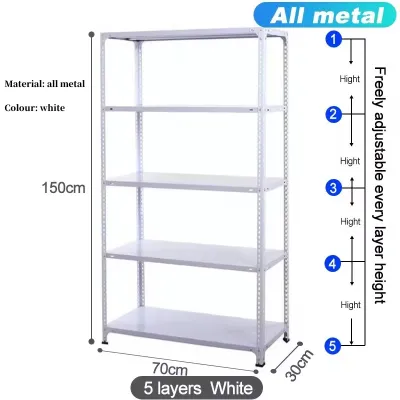
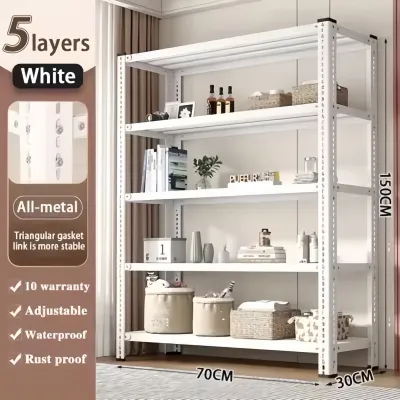
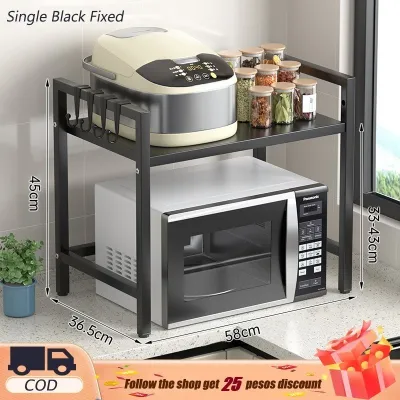
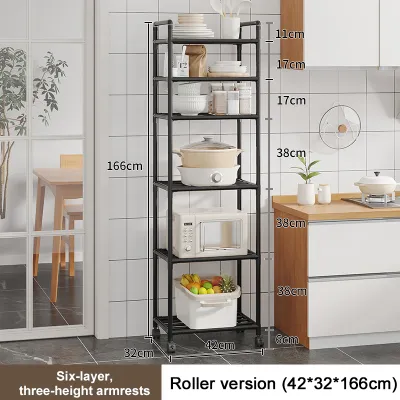
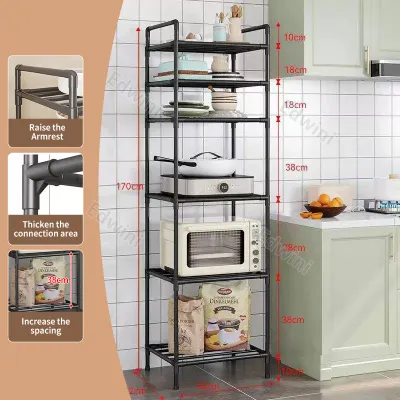
Prices are valid at publication and may change. Please refer to the product page for the latest price.
Delicate fabrics, such as traditional barong Tagalog, silk blouses, or lace garments, are highly susceptible to damage. Rough wooden surfaces can splinter, and low-quality plastic or coated wire racks can peel, exposing rough metal that snags threads. A polished stainless steel surface offers a smooth, friction-free barrier that protects your clothing. Additionally, this smooth finish makes routine cleaning simple, requiring only a quick wipe down to remove dust or lint.
Key Features to Check Before You Buy
To avoid closet accidents, never guess the weight limit of a rack. Always check the manufacturer’s specifications for the maximum load capacity. Look for structural features that enhance stability, such as reinforced leg joints, thick crossbars, and non-slip rubber or silicone feet. If you plan to stack multiple organizers, ensure they feature secure interlocking mechanisms to prevent the upper units from sliding or tipping over.

Wardrobes in Philippine homes vary widely in size, from compact free-standing cabinets to expansive built-in closets. Fixed-size racks can limit your options, whereas telescopic or expandable designs allow you to adjust the width and height to fit your specific space. When evaluating adjustable racks, examine the locking mechanism—whether it uses tightening screws, snap-buttons, or a friction fit. A secure locking system is vital to prevent the shelf from collapsing when fully loaded.
Before purchasing, inspect the physical details of the organizer. Ensure that all corners, edges, and weld points are rounded and polished smooth. Sharp metal burrs or rough welds can tear delicate fabrics and pose a safety hazard to your hands during installation or daily use. If buying online, read customer reviews or zoom in on product images to check the quality of the finish.
Consider how the organizer is put together. Some models feature tool-free assembly with snap-together parts, while others require screws, bolts, or specialized tools. Assembling a complex rack inside the dark, cramped confines of a wardrobe can be challenging. Opt for designs that are straightforward to assemble, or ensure you have enough space and light to complete the installation safely.
Best Types of Stainless Steel Rack Organizers
Stackable Shelf Risers for Folded Clothes
Stackable risers function as independent mini-shelves that sit directly on your existing wardrobe boards. These are highly effective for creating distinct, stable zones for heavy items like folded jeans, sweaters, or handbags. By stacking these risers, you utilize the dead vertical space between your closet’s fixed shelves without placing undue stress on a single surface.
Because these units usually have fixed dimensions, you must measure your wardrobe’s height and depth precisely before buying. Always verify the manufacturer’s instructions regarding the maximum stacking height to maintain stability. Over-stacking fixed risers without proper anchoring can cause the entire structure to become top-heavy and tip forward when you pull out a garment.
Expandable Layers for Flexible Storage
For those who rent their homes or enjoy frequently rearranging their closets, expandable shelf layers offer excellent flexibility. These organizers feature a telescopic design, allowing the width to slide open or closed to match different cabinet dimensions. This adaptability means you can reuse the same organizer even if you move to a new home with different wardrobe sizes.
To ensure safety, look for models with robust locking screws that keep the extended rails firmly in place. Because the center of an expanded shelf is naturally its weakest point, it is best to use these for lighter garments like t-shirts, towels, or undergarments to prevent bowing. Avoid placing heavy bags or stacks of thick denim directly in the center of an fully extended rack.
Hanging and Suspended Racks for Vertical Gaps
Hanging or suspended racks slide onto your existing wooden shelf boards or hang directly from the closet rod, creating a secondary storage layer suspended in mid-air. This design is perfect for utilizing the empty space beneath high shelves. The installation is typically straightforward, using flat metal arms that slide over the host shelf.
Before installing a suspended rack, you must check the load-bearing capacity and stability of the host shelf itself. If the wooden board or closet rod is already sagging, adding suspended weight could damage your wardrobe. These racks are best suited for lightweight accessories like scarves, belts, socks, or small fabric storage boxes.
How to Measure Your Wardrobe for the Right Fit
To ensure your new organizer fits perfectly, take precise measurements of your wardrobe’s interior. Use a metal measuring tape to record the internal width, depth, and height of the shelf compartment. Do not rely on external cabinet dimensions, as the wood thickness can vary significantly.
Crucially, you must account for internal obstacles such as door hinges, sliding door tracks, magnetic catches, or decorative wooden lips. These features can significantly reduce the actual entry clearance, preventing you from sliding the organizer into place even if the inner dimensions match. If your closet corners are not perfectly square, take measurements at multiple points and use the smallest figure as your guide.
A common mistake is choosing an organizer that matches the exact height of the shelf compartment. Always leave a vertical clearance buffer of at least 5 to 10 centimeters above the top of the organizer. This gap ensures you have enough room to slide your hands in and out comfortably when retrieving or storing folded clothes. Without this clearance, friction will make daily use frustrating and can lead to messy, wrinkled garments.
For wardrobes with swinging doors, ensure the depth of the stainless steel rack does not obstruct the doors from closing fully. For sliding doors, verify that the organizer does not protrude into the path of the sliding panels. Measure the depth from the back wall of the closet to the inside of the door frame to find your maximum allowable depth.
Before making a purchase, sketch a quick layout of your wardrobe shelf. If you plan to place multiple organizers side-by-side or stack them, calculate the combined dimensions. Planning the layout beforehand helps you determine whether a single large expandable rack or two smaller stackable risers will make the most efficient use of your available space.
Maintaining Stainless Steel in Humid Climates
Keep your organizers clean by wiping them down regularly with a dry microfiber cloth to remove dust, lint, and body oils transferred from handled clothing. If the metal requires deeper cleaning, use a damp cloth with a mild, non-abrasive dish soap, and always dry the surface thoroughly afterward. Avoid using bleach, highly acidic cleaners, or steel wool, as these harsh chemicals and abrasive materials can strip away the protective chromium oxide layer, leaving the steel vulnerable to oxidation.
The high humidity of the Philippines means that clothes can sometimes retain a small amount of moisture, especially if they are stored immediately after line-drying on a cloudy day. To protect both your clothing and your organizers, ensure all garments are completely dry before placing them on the racks. Consider placing moisture-absorbing sachets, silica gel packs, or hanging wardrobe dehumidifiers inside your closet to manage localized humidity.
Periodically inspect your organizers for structural integrity. Temperature and humidity fluctuations can cause minor expansion and contraction in metal parts, which may gradually loosen screws or friction joints over time. Tighten any loose hardware to prevent the rack from wobbling or collapsing.
Always consult the manufacturer’s care and maintenance instructions for your specific product. If the manufacturer’s instructions conflict with general advice, prioritize the official guidelines to protect your product’s warranty and performance. If the metal grade or finish is unidentified, test any cleaning solution on a small, hidden area of the rack first.
Frequently Asked Questions (FAQ)
Can stainless steel organizers rust inside a closed wardrobe?
While high-quality stainless steel (such as grade 304) is highly resistant to rust, it is not entirely rust-proof. In closed, unventilated wardrobes where humid air is trapped, or if damp clothes are left in direct contact with the metal, surface oxidation—often called tea staining—can occur. This is especially true if the protective passive layer of the steel is scratched or exposed to harsh chemical cleaners. To prevent rust, ensure your wardrobe is well-ventilated, keep clothes dry, and check the product description for a high-quality steel grade when shopping on online marketplaces.
How much weight can a typical stainless steel shelf layer hold?
The weight capacity of a stainless steel shelf layer varies significantly based on its design, the thickness of the metal tubes, and whether the rack is a fixed or expandable model. Typically, fixed stackable risers can support between 10 to 20 kilograms, while expandable models may have a lower capacity of 5 to 10 kilograms when fully extended. Never guess the load limit; always check the manufacturer’s stated weight capacity on the product packaging or listing. To maintain stability, distribute weight evenly across the shelf and place heavier items, such as denim or bags, on the bottom levels or on sturdier, fixed risers.
Community discussion
Share your experience or ask a question. Comments are reviewed before publication.