
Finding the ideal kitchen workstation requires balancing durability, storage capacity, and ease of cleaning. A high-quality stainless steel table cabinet combines a robust food-preparation surface with secure storage underneath, making it a highly practical addition to any home cooking space. In the Philippines, where tropical humidity, high temperatures, and intense daily meal preparation can quickly wear down standard wooden furniture, these metal cabinets serve as resilient, hygienic, and long-lasting workhorses.
The kitchen is the heart of the Filipino home, often bustling with activity as family members gather to prepare daily meals, celebrate special occasions, or preserve seasonal fruits. Because the kitchen is a high-traffic zone subjected to constant moisture, heat, and heavy use, choosing the right furniture is crucial. Investing in a stainless steel table cabinet provides a reliable, professional-grade workspace that supports your culinary habits while keeping your kitchen organized and sanitary.
Why Stainless Steel Table Cabinets Suit Philippine Kitchens
The tropical climate of the Philippines presents unique challenges for kitchen furniture. High relative humidity, especially during the monsoon season and frequent typhoons, often causes wood, particleboard, and medium-density fiberboard (MDF) to absorb moisture from the air. Over time, this moisture absorption leads to structural swelling, warping, and the growth of mold or mildew inside dark cabinet corners. Stainless steel is entirely non-porous and impervious to water damage, ensuring that the cabinet remains structurally sound, warp-free, and hygienic even in coastal or highly humid provincial environments.
Products mentioned in this guide
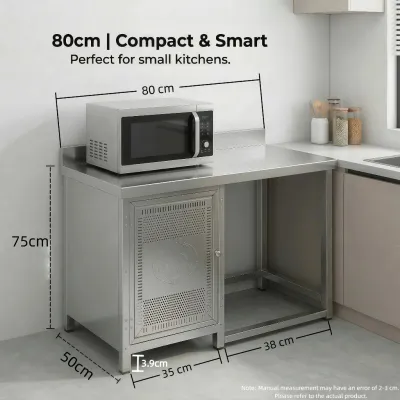
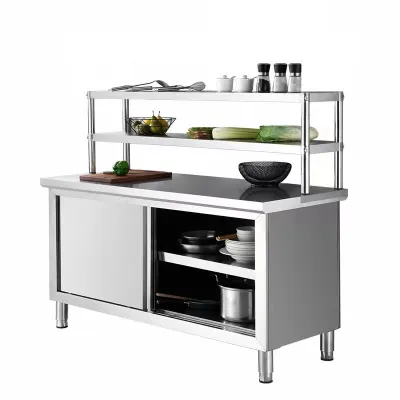
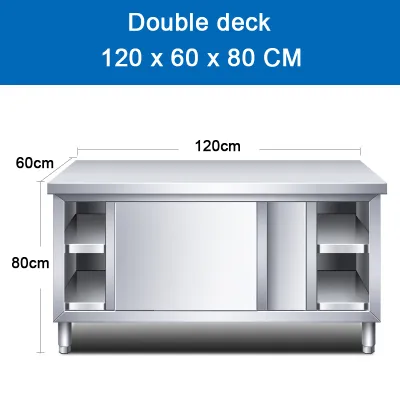
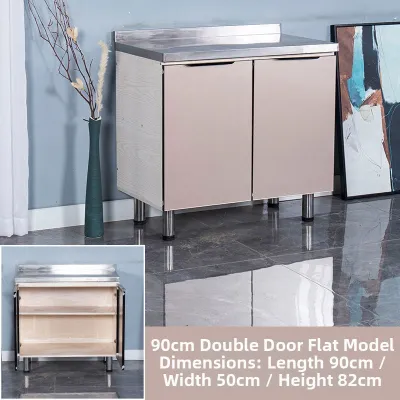
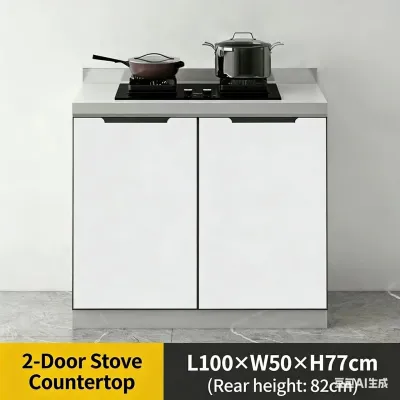
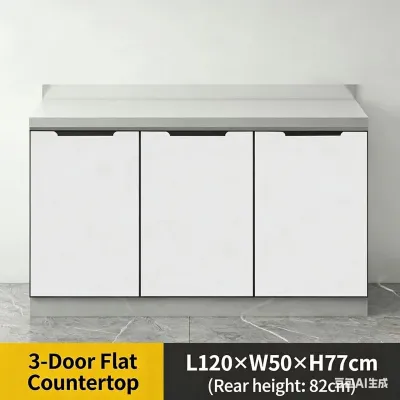
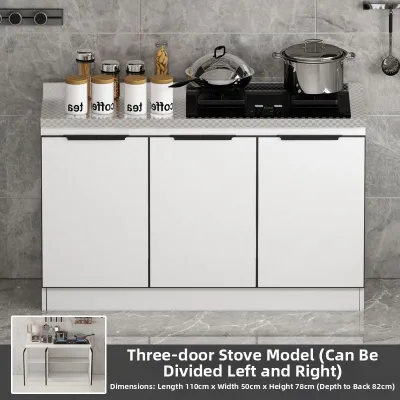
Prices are valid at publication and may change. Please refer to the product page for the latest price.
Daily food preparation in a Filipino household involves heavy frying, aromatic ingredients like garlic, onions, and ginger, and fermented condiments such as patis, bagoong, and toyomansi. Traditional wooden countertops and laminate surfaces can absorb oils, acidic juices, and dark sauces, leading to stubborn stains, degradation of the finish, and lingering odors that are difficult to eliminate. A stainless steel surface does not absorb liquids or odors, allowing you to easily wipe away grease, acidic vinegar spills, and strong food scents with a simple sanitizing spray, maintaining a highly hygienic prep area.
Cooking also demands surfaces that can withstand high temperatures without damage. Placing a hot rice cooker inner pot, a boiling kettle, or a freshly used kawali directly onto wood or laminate can scorch, melt, or crack the finish. Stainless steel possesses excellent heat resistance, allowing you to set down hot cookware or operate heat-producing appliances directly on the countertop without worrying about structural degradation or cosmetic damage.
Furthermore, urban living in major metropolitan areas has led to a rise in compact townhouse layouts and condominium units where kitchen space is at a premium. A stainless steel table cabinet optimizes these tight layouts by serving a double purpose. It provides a sturdy, professional-grade prep station on top while utilizing the vertical space below for organized storage, helping you maximize every square inch of your kitchen floor plan.
How to Choose the Right Stainless Steel Cabinet for Your Space
Selecting the right cabinet requires looking closely at material specifications, physical dimensions, and structural details to ensure it meets your specific household needs.

Material Grades
When browsing options on online marketplaces or at local restaurant supply stores, always check the product specifications for the steel grade. Grade 304 is the gold standard for residential and commercial kitchens because of its high nickel and chromium content, which provides exceptional resistance to rust and corrosion even in wet environments. Grade 201 and Grade 430 are more budget-friendly alternatives; however, they contain less nickel and are more susceptible to surface rust in highly humid or coastal areas of the Philippines. If you choose a 201 or 430 cabinet, you must commit to stricter maintenance and immediate drying to keep the metal pristine.
To verify the quality of your cabinet’s material, you can perform a simple magnet test. Grade 304 stainless steel is generally non-magnetic or only weakly magnetic because of its high nickel content. In contrast, Grade 430 is highly magnetic, and Grade 201 may exhibit varying levels of magnetism depending on how it was processed. While not a definitive laboratory test, carrying a small refrigerator magnet when shopping at local physical stores can help you quickly identify whether a cabinet is made of a lower-grade magnetic steel that will require more diligent rust-prevention care.
Dimensions and Clearance
Before making a purchase, measure your available kitchen floor space carefully. You must also verify the dimensions of your home’s entry points, including doorways, narrow hallways, and condominium elevators, to guarantee the cabinet can be safely delivered and moved into place. For comfortable ergonomics, ensure there is at least 90 to 120 centimeters of open walkway clearance in front of the cabinet. This space allows you to stand comfortably, walk past, and fully open cabinet doors or drawers without creating a physical bottleneck in your kitchen. Standard kitchen counter heights typically range from 85 to 90 centimeters, which aligns with ergonomic guidelines for comfortable food preparation without causing back strain.
In addition to width and height, pay close attention to the depth of the cabinet. Standard residential kitchen counters typically have a depth of 60 centimeters, which allows you to reach the back of the surface comfortably. Commercial stainless steel tables often feature a depth of 75 centimeters or more. While this extra depth provides more prep space, it can protrude significantly into a narrow home kitchen, obstructing walkways and disrupting the alignment of your existing cabinetry. Always measure the depth of your current counters to ensure a seamless, flush fit.
Structural Stability and Load Capacity
A reliable table cabinet must support the weight of your heaviest kitchen appliances, such as stand mixers, microwave ovens, or large multi-cookers. Check the manufacturer’s stated weight capacity for both the tabletop and the lower shelves. Look for units that feature reinforced undersides—often constructed with a metal hat channel or sound-dampening board underneath the stainless steel sheet—to prevent the top from bowing or oil-canning when pressure is applied. Sturdy leg bracing and thick tubular legs are also essential to prevent the frame from swaying during active food preparation.
Mobility vs. Fixed Legs
Decide whether your kitchen workflow benefits more from a stationary unit or a mobile workstation. Cabinets equipped with heavy-duty, lockable caster wheels offer excellent flexibility, allowing you to roll the table closer to your stove during meal prep and push it against the wall afterward. Mobile units also make sweeping and mopping the kitchen floor incredibly convenient. Conversely, adjustable fixed feet are ideal if you have uneven tiled floors, as they can be individually leveled to provide a completely stable, wobble-free surface for heavy-duty chopping and grinding.
Top Stainless Steel Table Cabinet Configurations for Different Needs
Different kitchen layouts and cooking styles require specific storage and structural configurations. Matching the right setup to your daily habits will greatly improve your kitchen’s overall efficiency.
Mobile Prep Carts with Open Bottom Shelving
A mobile prep cart featuring a solid stainless steel top and open wire or slatted shelves underneath is a highly versatile option for small, flexible, or multi-purpose kitchen spaces. This configuration is particularly well-suited for renters and condominium dwellers who need to adapt their layout on the fly. Because the unit is lightweight and highly mobile, it can serve as an extra prep counter, a temporary serving cart, or an extension of your main dining table during family gatherings and celebrations.
In the humid Philippine climate, air circulation is crucial for preventing musty odors and moisture buildup. Open wire shelves allow continuous airflow around your stored items, making them ideal for holding frequently used pots, pans, mixing bowls, and dry ingredients that need to stay dry and well-ventilated. When choosing this setup, always inspect the caster wheels to ensure at least two of them have robust, easy-to-engage locking mechanisms to keep the cart firmly in place while you work.
Some mobile carts feature a hybrid construction, combining a premium stainless steel worktop with galvanized steel legs and undershelves to reduce costs. While galvanized steel is treated to resist corrosion, it is far more prone to rusting and dulling over time than stainless steel, especially when exposed to the high humidity of Philippine kitchens. If you opt for a hybrid cart, make sure to inspect the joints and galvanized surfaces regularly, and keep them dry to prevent rust from spreading to your stainless steel top.
Fixed Base Cabinets with Deep Drawers
For homeowners who have a dedicated cooking zone and require a heavy-duty, permanent preparation area, a stationary base cabinet with deep drawers is an excellent investment. This configuration provides maximum structural rigidity, offering a completely vibration-free surface that is perfect for tasks requiring physical force, such as kneading dough, pounding ingredients with a heavy mortar and pestle, or operating heavy kitchen machinery.
Deep drawers offer superior ergonomic storage compared to standard cabinets with deep, dark bottom shelves. Instead of bending down and reaching into the back of a cabinet, you can pull the drawers out to view and access your items instantly. This setup is ideal for organizing heavy cookware like cast-iron skillets, Dutch ovens, or even a 10-kilogram sack of rice. To ensure long-term durability, look for drawers equipped with smooth, heavy-duty ball-bearing slides and fully enclosed cabinet bottoms that prevent dust, humidity, and common household pests from entering.
Multi-Tier Appliance Stations with Enclosed Storage
A multi-tier appliance station typically consists of a primary stainless steel worktop, an open middle shelf or slide-out tray, and a fully enclosed bottom cabinet with doors. This layout is designed to act as a centralized kitchen hub, organizing your small appliances in one vertical footprint and freeing up valuable space on your main countertops.
The middle tier is specifically designed to house steam-producing appliances like rice cookers, electric kettles, or microwave ovens at a convenient working height. Placing these appliances on an open middle shelf prevents hot steam from rising directly against upper wooden cabinetry, protecting your kitchen fixtures from moisture damage. Before purchasing, verify the vertical clearance of the middle shelf to ensure your specific rice cooker lid can open fully without hitting the upper tier.
The enclosed bottom cabinet provides a secure, dark, and dry environment for storing pantry staples, spices, and baking ingredients. In the Philippines, keeping these items behind closed doors is essential for protecting them from high ambient humidity, ants, and other pests. Look for models with magnetic door latches and tight-fitting doors to ensure a secure seal.
Care, Maintenance, and Rust Prevention
While stainless steel is exceptionally durable, it is not completely maintenance-free. Proper care is essential to preserve its rust-resistant properties and keep the surface looking pristine in a tropical environment.
For routine cleaning, use a simple solution of mild dishwashing liquid and warm water applied with a soft microfiber cloth. Always wipe and scrub in the direction of the metal’s brushed grain. Wiping across the grain can create microscopic scratches that dull the finish over time and create tiny crevices where dirt and grease can accumulate.
Never use harsh industrial chemicals, bleach, ammonia, or chloride-based cleaners on your cabinet. You must also avoid using abrasive scrubbing tools like steel wool or wire brushes. These harsh chemical and physical agents strip away the chromium oxide layer—the microscopic, self-healing protective barrier that makes stainless steel rust-resistant. Once this protective layer is damaged, the underlying steel becomes vulnerable to oxidation and rust.
After cleaning or after any wet food preparation, thoroughly dry the entire surface with a clean, dry towel. This step is particularly vital in coastal regions or areas with hard tap water, as standing water can leave unsightly mineral spots and trigger localized surface corrosion over time.
If your stainless steel surface begins to look dull or fingerprinted after years of heavy use, you can restore its natural luster with a simple polishing step. After cleaning and drying the cabinet, apply a few drops of food-safe mineral oil or specialized stainless steel polish to a clean microfiber cloth. Buff the oil gently into the metal, following the direction of the grain, then use a separate dry cloth to wipe away any excess. This process not only restores a beautiful, satin-like shine but also leaves a micro-thin protective barrier that helps repel water spots and fingerprints.
Finally, perform regular maintenance checks on the cabinet’s moving parts. Periodically inspect and tighten the screws on door hinges, drawer slides, and leg attachments, as regular physical use can cause them to loosen. Keep the tracks of drawer slides clean of dust and debris, and check the caster wheels of mobile carts to ensure they spin freely without hair or dirt obstructing the bearings.
Frequently Asked Questions (FAQ)
Is 201 stainless steel safe for kitchen food prep?
Yes, 201-grade stainless steel is safe for general kitchen use, appliance placement, and indirect food contact. While it is more susceptible to surface rust than premium 304-grade steel due to its lower nickel content, it remains a highly popular and economical choice for residential kitchens. To maintain a 201-grade cabinet, you must clean it regularly with mild soap, wipe up acidic or salty spills immediately, and ensure the surface is kept completely dry.
How do I treat minor surface rust on my stainless steel cabinet?
To treat minor surface rust safely, mix baking soda with water to form a thick paste. Apply this paste to the rusted area and gently rub along the direction of the metal’s grain using a soft cloth or a non-abrasive sponge. Once the rust is removed, rinse the area thoroughly with clean water and dry it completely with a towel. Avoid using harsh chemical rust removes, as they can damage the protective finish and leave toxic residues on your food preparation surface.
Will a stainless steel table cabinet dent easily?
The dent resistance of a stainless steel cabinet depends on the thickness (gauge) of the metal sheet and the presence of internal reinforcement. Budget-friendly cabinets made with thin-gauge steel can dent if a heavy object, such as a cast-iron pan, is dropped on them. If you plan to perform heavy-duty tasks like meat chopping or pounding ingredients, look for a cabinet specified with a thicker steel gauge (such as 16 or 18 gauge) and a reinforced, solid underlayment beneath the metal top.
Community discussion
Share your experience or ask a question. Comments are reviewed before publication.