
Finding the ideal storage solution for a Filipino kitchen requires balancing daily utility with environmental resilience. Our tropical climate brings intense heat, high humidity, and seasonal heavy rains, all of which test the limits of standard household furniture. While wood, medium-density fiberboard (MDF), and plastic are common choices, steel kitchen cabinet storage has emerged as an incredibly practical alternative for modern Filipino households.
One of the most immediate advantages of steel storage in local homes is its natural resistance to common household pests. Wood and MDF are highly vulnerable to termites (anay), which can quietly destroy kitchen cabinets from the inside out. Furthermore, the small gaps and porous textures of wood provide ideal nesting grounds for ants and cockroaches (ipis). Non-porous steel surfaces leave no room for pests to burrow or feed, helping you maintain a sanitary food preparation environment.
Humidity is another major factor that makes steel a superior choice for local kitchens. During the wet season, the relative humidity in the Philippines regularly exceeds 80 percent, causing untreated wood to warp, swell, and split. MDF cabinets frequently absorb moisture from the air, leading to structural sagging and the rapid growth of unsightly, unhealthy mold. High-quality steel cabinets that have been properly treated or powder-coated remain entirely unaffected by moisture in the air, retaining their structural integrity and shape for years.
Products mentioned in this guide
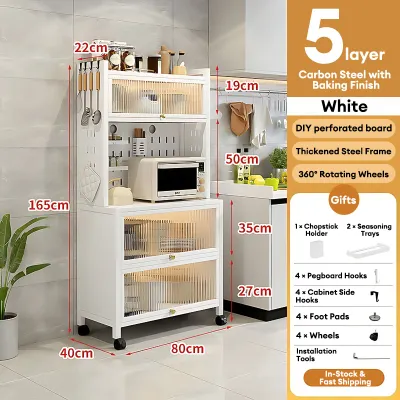
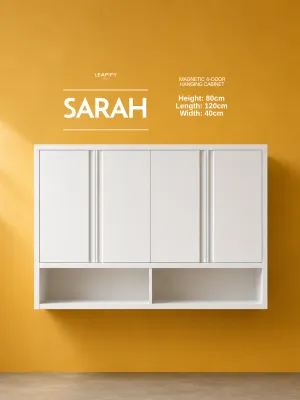
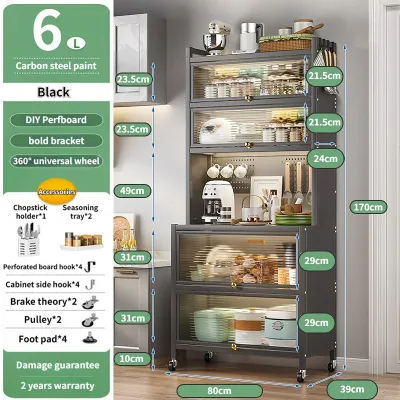
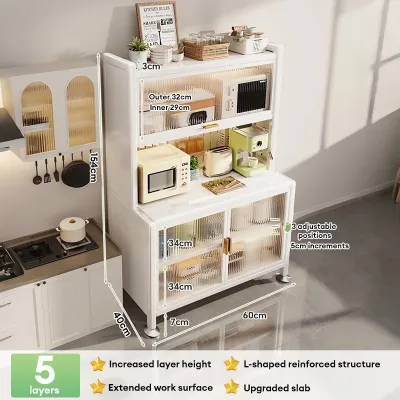
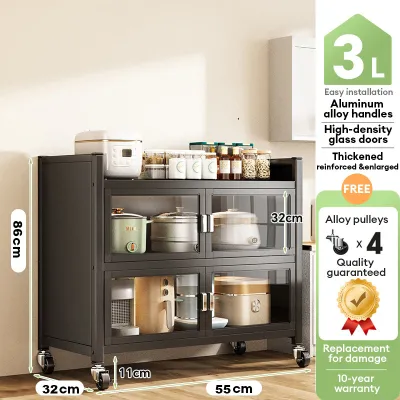
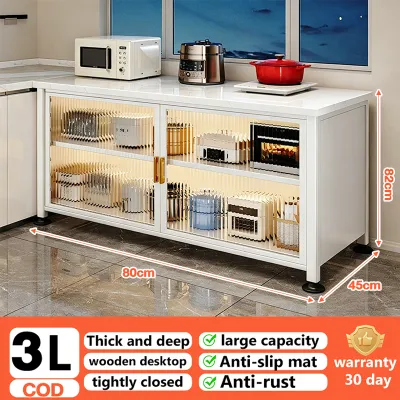
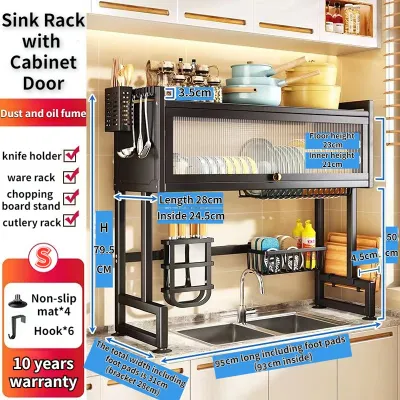
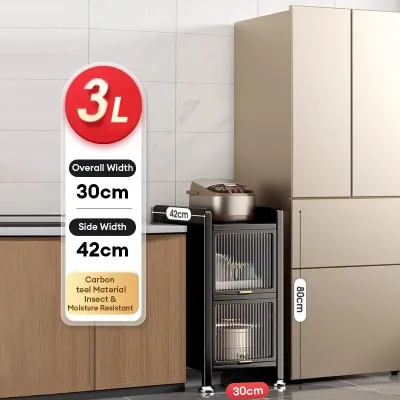
Prices are valid at publication and may change. Please refer to the product page for the latest price.
Additionally, Filipino cooking is famous for its rich, aromatic, and often oil-heavy preparation methods. Deep-frying, sautéing garlic and onions (gisa), and simmering stews like adobo can leave a fine layer of grease and moisture on nearby surfaces. Wiping down porous wooden cabinets can grind grease deeper into the grain, leading to permanent stains and odors. Steel surfaces can be wiped clean with a simple damp cloth and mild soap, ensuring your storage units remain hygienic even after preparing heavy family feasts.
Best Steel Storage Types for Your Kitchen Layout
Selecting the right steel kitchen cabinet storage depends heavily on your specific home layout and daily cooking habits. A compact condominium unit in Metro Manila demands a vastly different storage strategy than a spacious provincial home with an outdoor auxiliary or “dirty” kitchen. By understanding the unique strengths of different steel storage configurations, you can choose a setup that maximizes your available floor space while keeping your cooking essentials organized and accessible.
To help you navigate your options, we have categorized the most effective steel storage solutions into three primary formats. Each type serves a distinct purpose, balancing mobility, structural capacity, and breathability to match the way you cook, clean, and store supplies.
Rolling Utility Carts
For compact kitchens, studio apartments, or multi-purpose dining areas, rolling utility carts offer exceptional flexibility. These mobile units typically feature three or four tiers of steel baskets or flat shelves, allowing you to organize spices, frequently used condiments, or small kitchen appliances. The main advantage of a rolling cart is its ability to transform any corner of your home into an active workspace or a temporary prep station, and then glide smoothly out of the way when the meal is finished.
When shopping for a steel utility cart, it is essential to look for high-quality caster wheels, with at least two of them featuring reliable locking mechanisms. Locking the wheels ensures the cart remains completely stable and safe when you are retrieving items or using the top shelf as an extra surface for light food preparation. Without locks, a cart can easily roll away on slightly uneven kitchen tiles, creating a safety hazard.
While rolling carts are incredibly convenient, they do have a clear limitation in terms of overall storage capacity. Because they rely on wheels and a relatively narrow footprint, they cannot safely support extremely heavy bulk items, such as large sacks of rice or heavy countertop ovens. They are best utilized as supplementary storage for high-turnover items rather than as your primary pantry.
Freestanding Pantry Cabinets
If your household requires high-capacity, heavy-duty storage for dry goods, canned food, and bulk ingredients, freestanding steel pantry cabinets are a premier choice. These units feature fully enclosed steel doors that create a secure barrier against external elements. By sealing your food supplies inside a solid steel enclosure, you keep dry goods, baking ingredients, and family snacks safe from humidity, dust, and persistent pests.
Before purchasing a large freestanding cabinet, you must carefully measure both the physical footprint of the unit and the clearance around it. Take note of the swing radius of the cabinet doors to ensure they can open fully without striking your refrigerator, dining table, or kitchen island. Additionally, check your ceiling height and the clearance of your doorways and stairwells to prevent delivery-day headaches.
Keep in mind that these heavy-duty steel cabinets are heavy and require a permanent, level floor placement. Once loaded with canned goods, bottled sauces, and small appliances, they are difficult to move. It is highly recommended to place them on flat, solid flooring and verify that the unit sits perfectly level to prevent the doors from misaligning or swinging open on their own.
Modular Wire Shelving Units
Modular wire shelving units provide a highly breathable, industrial-strength storage solution that excels in high-humidity environments. Constructed from heavy-gauge steel wire, these shelves feature an open design that allows air to circulate freely around every stored item. This constant airflow is incredibly beneficial in the Philippines, as it prevents condensation from building up and stops mold or mildew from forming on your stored appliances and pantry goods.
Another major benefit of wire shelving is its modularity, which allows you to adjust the height of individual shelves to match your changing storage needs. This makes them ideal for housing tall, heavy items that do not fit in standard cabinets, such as five-gallon water dispenser jugs, large rice cookers, or multi-cookers. You can customize the shelf spacing to ensure every appliance has a dedicated, secure home.
However, the open design means that smaller items can easily slip through the wire gaps or tip over. You can easily solve this by purchasing plastic shelf liners or placing small items in solid storage baskets before putting them on the shelves. Most importantly, always check and strictly observe the manufacturer’s weight capacity limits per shelf to prevent the steel wire from bowing or bending over time.
Essential Buying Checklist for Steel Cabinets
Investing in steel kitchen cabinet storage is a smart long-term decision, but not all steel furniture is created equal. To ensure you get the best value for your money and avoid premature wear, keep this essential buying checklist in mind when evaluating different products.

- Material and Rust Prevention: Always identify the specific type of steel used in the cabinet's construction. Stainless steel is the absolute best choice for wet zones, areas near the sink, or surfaces that come into direct contact with food, as it offers exceptional natural rust resistance. For dry pantry storage, powder-coated carbon steel is a highly durable and cost-effective alternative. When choosing powder-coated steel, inspect the unit thoroughly upon delivery to ensure the protective coating is completely smooth, even, and free of any chips or scratches that could expose the underlying metal to moisture.
- Dimensions and Clearance: Measure your kitchen space with extreme precision before making a purchase. Beyond measuring the width and depth of the floor space where the cabinet will stand, calculate the clearance required for doors and drawers to slide or swing open. Ensure that open cabinet doors will not block major walkways or interfere with your ability to move around the kitchen safely during busy cooking hours.
- Load Capacity Verification: Always check the manufacturer's official specifications for the maximum weight limit of each shelf and the cabinet as a whole. This is especially critical if you plan to store heavy kitchen workhorses like microwaves, countertop convection ovens, or 25-kilogram sacks of rice. Distribute the weight evenly across the shelves, placing the heaviest items on the bottom levels to maintain a low center of gravity and maximize stability.
- Stability and Safety: Tall, freestanding steel cabinets can pose a tip-over hazard if they are overloaded or if someone pulls down on an upper shelf. Look for cabinets that include built-in anti-tip features or wall-anchoring hardware, which allows you to secure the top of the unit directly to your wall. This safety step is absolutely essential for households with active children or pets who might attempt to climb or lean on the furniture.
How to Maintain Steel Cabinets in Humid Climates
While steel is incredibly durable, maintaining its clean appearance and structural integrity in a tropical climate requires a bit of consistent care. High humidity and salty sea breezes in coastal areas of the Philippines can accelerate oxidation if the metal is left neglected. Fortunately, a few simple, non-invasive maintenance habits will keep your steel storage looking brand new for decades.
For routine cleaning, stick to mild dishwashing soap mixed with warm water and a soft microfiber cloth. Gently wipe down the surfaces to remove dust, grease, and fingerprints, and then immediately follow up with a dry, clean cloth to remove any lingering moisture. Never allow water to air-dry on steel, as this can lead to unsightly water spots and eventually trigger surface rust along the seams.
Avoid using abrasive scrubbers, steel wool, or harsh chemical cleaners like bleach or acid-based solutions. These abrasive materials can easily scratch the polished surface of stainless steel or strip away the protective powder coating on carbon steel. Once a powder coating is scratched or chipped, moisture can penetrate the barrier, leading to rust that spreads silently beneath the paint.
Make it a habit to perform a quick monthly inspection of the hidden areas of your cabinets. Check the bottom edges, interior corners, and joints around the hinges or screws, as these are the places where moisture and dust tend to collect unnoticed. Catching tiny spots of oxidation early allows you to clean them off and touch up the protective coating before any serious structural damage occurs.
Finally, consider placing reusable moisture absorbers or silica gel packs inside enclosed steel pantries. These simple packets absorb excess moisture from the air within the sealed cabinet, protecting your stored flour, sugar, and spices from clumping while keeping the interior metal surfaces completely dry. It is an easy, low-cost step that goes a long way in preserving both your food and your furniture.
Frequently Asked Questions (FAQ)
Is stainless steel always better than powder-coated steel for kitchens?
Stainless steel is generally considered the superior material for wet zones, food preparation surfaces, and areas directly adjacent to the kitchen sink due to its exceptional resistance to water, food acids, and rust. However, it is also significantly more expensive and can show fingerprints and water marks quite easily. For dry pantry storage, organizing small appliances, or storing packaged goods, powder-coated carbon steel is an excellent, budget-friendly alternative. It offers fantastic structural strength and comes in various colors to match your home decor, provided you keep the protective coating intact and free of deep scratches.
How do I prevent a steel rolling cart from scratching my floor tiles?
To protect your kitchen floor tiles from scratches, always check the material of the caster wheels on your steel rolling cart before purchasing. Opt for carts equipped with high-quality polyurethane or soft synthetic rubber wheels, which glide smoothly and absorb impact without marking or scratching hard surfaces. Avoid cheap, hard plastic wheels, which can easily trap grit underneath them and grind scratches into ceramic tiles or polished concrete. If your cart already has hard wheels, you can easily purchase replacement rubber casters online or place a durable, low-profile kitchen runner rug along the cart’s primary path of movement.
Community discussion
Share your experience or ask a question. Comments are reviewed before publication.