
The best steel kitchen storage cabinets in the Philippines are those that combine heavy-duty load capacities, rust-resistant finishes like powder coating or high-grade stainless steel, and dimensions that fit your specific kitchen layout. In a tropical climate, these units offer an incredibly durable alternative to traditional wood or plastic, resisting both high humidity and common pests.
Why Steel Cabinets Suit Tropical Kitchens
Filipino households face unique environmental challenges that can quickly degrade standard kitchen furniture. High relative humidity throughout the year, punctuated by intense rainy seasons, creates a breeding ground for mold, mildew, and wood rot. Traditional medium-density fiberboard (MDF) or plywood cabinets often absorb this airborne moisture, causing them to swell, warp, and lose structural integrity over time. Furthermore, wood-boring insects and termites, locally known as anay, can silently destroy wooden cabinets from the inside out, leading to costly replacements.
Treated steel cabinets provide a robust defense against these tropical hazards. Because steel is non-porous, it does not absorb moisture, swell, or harbor mold spores. Pests have no interest in metal, completely eliminating the risk of termite infestations in your kitchen storage. Additionally, steel is exceptionally easy to sanitize, requiring only a quick wipe to remove grease, cooking oil, and food spills that naturally accumulate in a busy kitchen.
Products mentioned in this guide
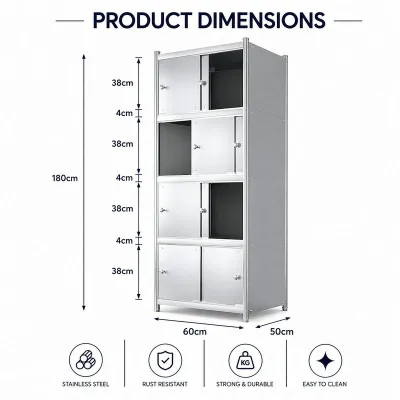
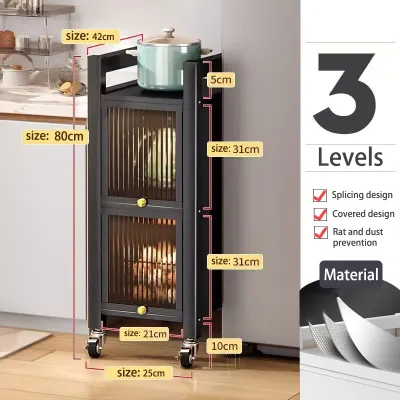
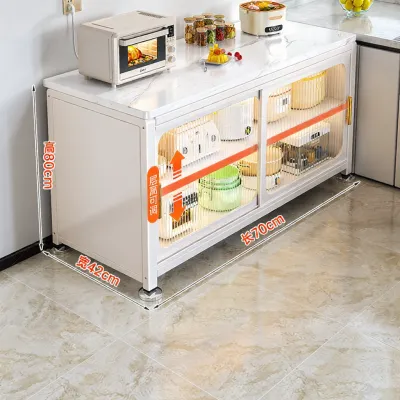
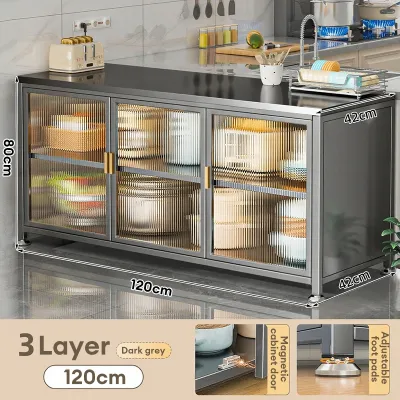
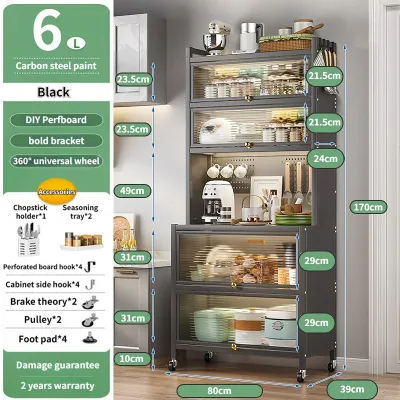
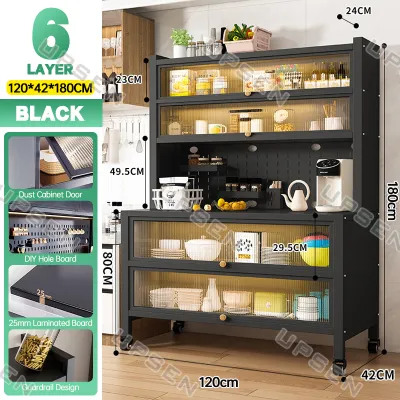
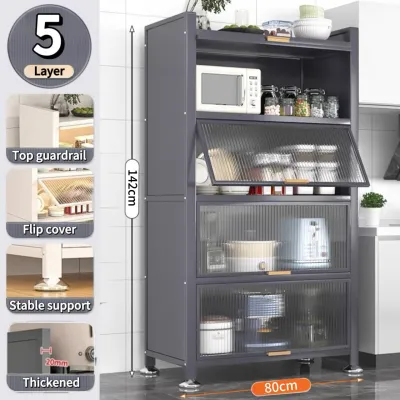
Prices are valid at publication and may change. Please refer to the product page for the latest price.
However, it is crucial to understand that not all steel cabinets are built the same. Bare, untreated iron or steel will oxidize and rust rapidly when exposed to humid air or salty coastal breezes. The long-term benefits of metal kitchen furniture apply specifically to steel that has undergone proper surface treatments. High-quality options feature either thick electrostatic powder coating or are constructed from stainless steel alloys. These protective barriers isolate the underlying metal from oxygen and moisture, ensuring your storage remains structurally sound and visually appealing for decades.
Essential Quality Checks Before You Buy
Investing in kitchen furniture requires careful physical and technical evaluation to ensure the product fits your daily needs and home environment. Before finalizing any purchase, run through a practical checklist covering materials, structural limits, spatial clearance, and safety features.

Material and finish quality should be your first point of inspection. If you are opting for powder-coated carbon steel, examine the surface under bright light. The coating should be entirely uniform, smooth, and free of tiny bubbles, pinholes, or chips. Any imperfection in the paint layer is a point where moisture can penetrate and initiate rust. For stainless steel cabinets, verify the grade if possible; Grade 304 offers excellent rust resistance for wet kitchen environments, while Grade 201 is more budget-friendly but requires more diligent drying to prevent surface spots.
Load capacity and structural thickness directly dictate what you can safely store. Check the manufacturer’s specifications for the maximum weight limit per shelf, especially if you plan to store heavy items like sacks of rice, cast-iron cookware, or multiple small appliances. High-quality steel cabinets typically feature panel thicknesses between 0.6mm and 1.2mm. Avoid models with paper-thin metal panels that flex easily when pressed with a finger, as these will likely warp, rattle loudly during use, and fail under heavy loads.
Dimensions and clearance require precise measurement of both your kitchen space and your home’s entry pathways. Measure the designated floor footprint and compare it to the cabinet’s exterior dimensions, keeping in mind the clearance needed for doors to swing fully open. Crucially, do not forget to measure your doorways, narrow corridors, stairwells, and condominium elevators. Many heavy-duty steel cabinets are delivered fully assembled or in massive, flat-packed boxes that can be incredibly difficult to maneuver through tight corners or up narrow staircases.
Stability and safety features are paramount, particularly for tall freestanding units. Any steel cabinet standing over 1.5 meters tall poses a tip-over hazard if overloaded or during seismic activity, which is a regular occurrence in the Philippines. Check if the unit includes wall-anchoring brackets or pre-drilled holes for securing it to your wall. For mobile carts, ensure at least two of the caster wheels feature robust, easy-to-operate locking mechanisms. Finally, run your hands carefully along the edges and corners of the shelves and doors; quality manufacturers roll or smooth down the steel edges to prevent sharp metal burrs from causing accidental cuts.
Recommended Steel Cabinet Types by Kitchen Need
Different kitchen layouts and cooking habits call for distinct storage configurations. Categorizing your options helps you identify whether a mobile, freestanding, or wall-mounted design will best optimize your space.
Mobile Carts for Flexible Prep Spaces
Mobile steel carts are highly versatile additions to small or medium-sized kitchens where counter space is at a premium. These units function as temporary prep stations, mobile coffee bars, or auxiliary storage for frequently used spices, knives, and mixing bowls. They allow you to roll your tools directly to your cooking area and tuck them away against a wall when you are finished.
When shopping for a mobile cart in the local market, look for models featuring heavy-duty polyurethane or rubber caster wheels rather than cheap plastic ones, which tend to crack under weight. Excellent choices include three-tier powder-coated utility carts with deep baskets to prevent items from falling during transport, or stainless steel work tables equipped with a bottom shelf and a thick wood-block or stainless steel top surface. Many of these units also feature integrated towel racks and side hooks for hanging utensils.
Keep in mind that mobile carts have specific operational limitations. They require flat, even flooring—such as level tiling or smooth concrete—to roll safely without wobbling or tipping. Additionally, the wheel axles and caster bearings will inevitably trap dust, hair, and kitchen grease over time. You must commit to cleaning the wheels periodically to maintain smooth mobility and prevent floor scratches.
Freestanding Units for Heavy Pantry Storage
If your primary goal is to organize bulk groceries, heavy cookware, and large appliances, a freestanding steel pantry cabinet is the most reliable solution. These units offer deep, enclosed storage that keeps your kitchen looking tidy while protecting your supplies from dust, light, and pests.
Look for freestanding cabinets that feature adjustable shelving tracks, allowing you to customize the interior height to accommodate tall cereal boxes, large rice dispensers, or bulky air fryers. Sturdy metal hinges are essential; soft-close hinges are a valuable upgrade that prevents loud metal clanging when closing the doors. It is also wise to select models with small, integrated ventilation louvers or mesh door panels. These openings facilitate air circulation, preventing the buildup of stale, humid air inside the cabinet which can spoil dry goods or cause musty odors.
Always prioritize safety when installing these heavy-duty units. If you live in a household with active children or pets, or if you reside in a high-rise condominium, you must anchor the cabinet to the wall. Because most Philippine homes feature concrete hollow block (CHB) walls, you will need a masonry drill bit, plastic wall plugs (tox), and heavy-duty screws to secure the anti-tip brackets properly. Never exceed the manufacturer’s specified load limits, and always place the heaviest items on the bottom shelf to keep the center of gravity low.
Slim and Wall-Mounted Options for Tight Spaces
For compact kitchens, studio condominiums, or narrow galley layouts, maximizing vertical and underutilized space is essential. Slim, slide-out steel organizers and wall-mounted steel racks allow you to convert awkward gaps and empty wall surfaces into highly functional storage zones.
Slim rolling steel racks, often measuring just 12 to 15 centimeters in width, are designed to slide perfectly into the narrow gap between your refrigerator and the kitchen counter. These are exceptionally convenient for storing canned goods, cooking oils, and condiment bottles. Wall-mounted options, such as stainless steel dish drying racks or floating steel utility shelves, keep your countertops completely clear for food preparation.
Before installing any wall-mounted steel unit, you must carefully evaluate your wall structure and use the correct mounting hardware. A steel rack loaded with ceramic plates and heavy mugs can easily pull out of weak plaster or drywall if not anchored correctly. For concrete walls, use masonry anchors. If you are mounting onto a drywall partition, you must locate the wooden or metal studs behind the wall board and secure the mounting brackets directly into them, rather than relying solely on drywall plugs.
Navigating Purchases and Verifying Seller Claims
Acquiring heavy steel furniture online or in-store requires a strategic approach to avoid damaged goods, misleading specifications, and poor customer service. Because steel cabinets are heavy and bulky, shipping mistakes can be costly and difficult to rectify.
When browsing online marketplaces, do not rely solely on the polished product images provided by the seller. Navigate directly to the user review section and filter for reviews that contain real-world photos and videos. Pay close attention to feedback regarding packaging quality, as many buyers report receiving steel panels that were dented, bent, or scratched during transit due to inadequate bubble wrap or thin cardboard box protection. Look for comments mentioning missing assembly hardware or misaligned screw holes, which are common quality control issues with budget imports.
Before clicking the purchase button, thoroughly read the seller’s return policy and warranty terms. Bulky items are notoriously expensive to ship back if you change your mind, so ensure the platform or seller covers the return shipping costs if the item arrives damaged or defective. In many cases, refusing to accept a visibly damaged package from the delivery rider at your doorstep is the easiest way to initiate a return and refund without having to manage the logistics of returning a 30-kilogram box yourself.
While online shopping offers unmatched convenience and variety, visiting local physical hardware depots and home furniture retailers remains a highly reliable alternative. Shopping in person allows you to physically test the thickness of the steel, feel the stability of the frame, inspect the quality of the powder coating, and verify how smoothly the doors and drawers operate. Many local retailers also offer professional assembly and home delivery services, which can save you hours of frustration and ensure the cabinet is set up correctly and safely in your kitchen.
Simple Maintenance to Prevent Rust and Wear
Maintaining your steel kitchen cabinets does not require complex procedures, but consistency is key to protecting your investment from the corrosive tropical climate. Establishing a simple, regular cleaning routine will prevent rust and keep the finish looking brand new.
For routine cleaning, a soft microfiber cloth dampened with warm water and a few drops of mild dishwashing liquid is highly effective. Wipe down all surfaces to remove grease, fingerprints, and dust, then immediately follow up with a dry, clean towel. Never allow water to air-dry or pool on the shelves, hinges, or joints, as standing water is the primary catalyst for rust formation, even on treated steel.
Avoid using harsh chemical cleaners, bleach, ammonia, or highly acidic substances on your steel cabinets. These chemicals can chemically strip the protective powder coating or cause unsightly staining and pitting on stainless steel surfaces. Similarly, never use abrasive scrubbing tools like steel wool, metal wire brushes, or rough scouring pads. These will create micro-scratches on the surface, ruining the aesthetic finish and exposing the underlying raw metal to moisture and oxygen.
Periodically inspect your cabinets for any signs of wear, focusing on high-friction areas like door edges, hinges, and drawer slides. If you discover a deep scratch or a chip in the powder coating that exposes the bare metal underneath, act quickly to prevent rust from spreading. Clean the area thoroughly, let it dry completely, and apply a matching touch-up paint or a thin layer of clear rust-inhibiting sealant to reseal the protective barrier. For stainless steel, applying a specialized stainless steel polish once every few months can help restore its natural shine and add an extra layer of protection against fingerprints and moisture.
Frequently Asked Questions (FAQ)
Is stainless steel better than powder-coated steel for kitchen cabinets?
Stainless steel offers superior natural resistance to rust and corrosion, making it highly durable for wet areas, but it is generally more expensive and easily shows fingerprints and water spots. Powder-coated steel is more affordable, comes in a wide variety of colors to match your kitchen decor, and hides smudges well. However, its rust resistance depends entirely on keeping the protective paint coating intact and free of deep scratches.
How do I safely remove surface rust from a steel cabinet?
To remove minor surface rust safely, mix baking soda with water to create a thick paste and apply it directly to the rusted area. Let it sit for about fifteen to twenty minutes, then gently scrub the spot using a soft microfiber cloth or a non-scratch sponge along the grain of the metal. Once the rust is gone, rinse the area with a damp cloth, dry it completely with a towel, and apply a protective touch-up paint or rust inhibitor to prevent the spot from reforming.
Community discussion
Share your experience or ask a question. Comments are reviewed before publication.