
Quick Guide: Matching Storage Bins and Baskets to Your Items
When preparing for a house move, relying on a single type of container is a recipe for damaged belongings and unnecessary stress. A one-size-fits-all approach fails because different household items require distinct levels of structural support, ventilation, and impact protection. Tossing heavy books into flexible containers or packing delicate garments in unlined, rough baskets can lead to broken items, torn fabrics, or crushed boxes.
To streamline your packing process, match your items to the specific features of your containers. Heavy, fragile, or high-value goods require rigid walls and secure lids to withstand the pressure of being stacked in a moving truck. Conversely, lightweight textiles and everyday linens benefit from breathable, flexible structures that are easy to carry and fold away after use.
In the tropical climate of the Philippines, factoring in high humidity and sudden downpours is essential. When selecting storage bins and baskets, you must choose materials that protect your belongings from moisture during transit and temporary storage. A well-planned combination of plastic totes and fabric containers will keep your items safe, dry, and organized throughout your move.
Products mentioned in this guide
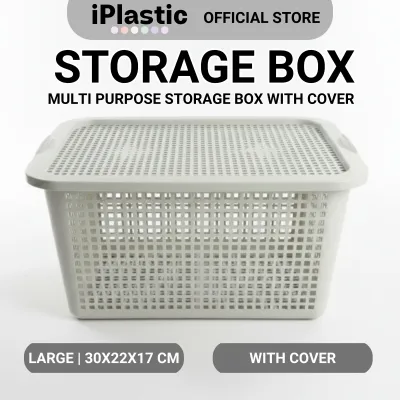
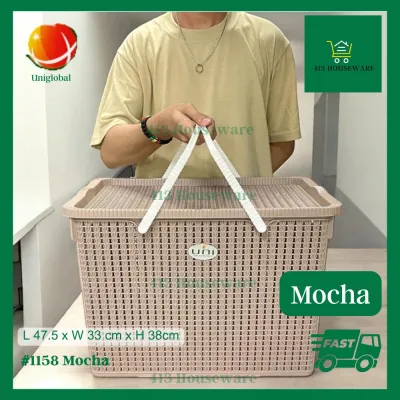
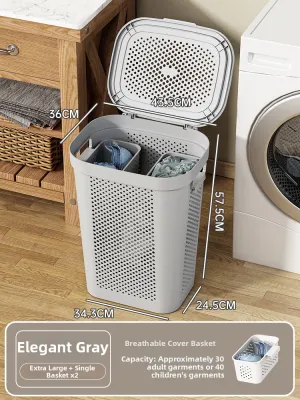
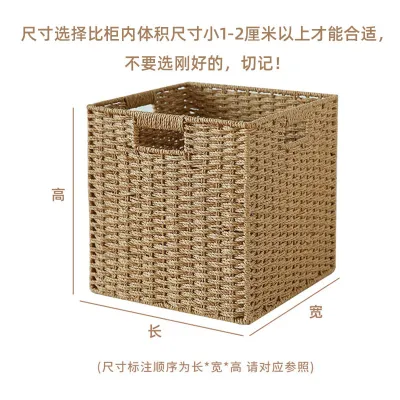
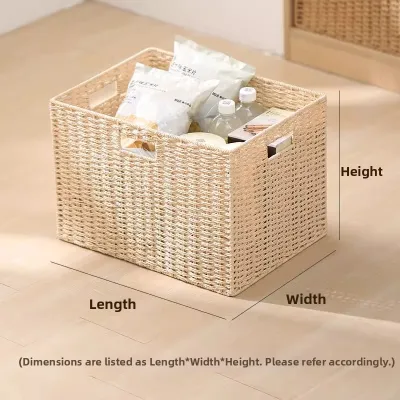
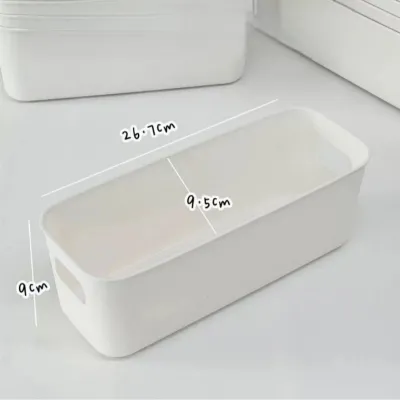
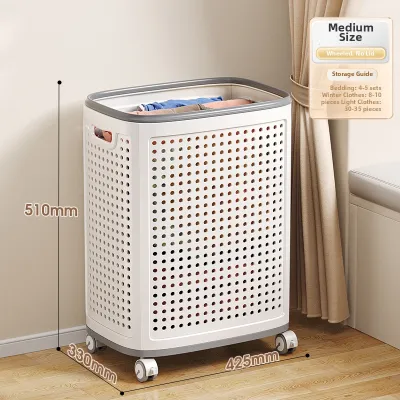
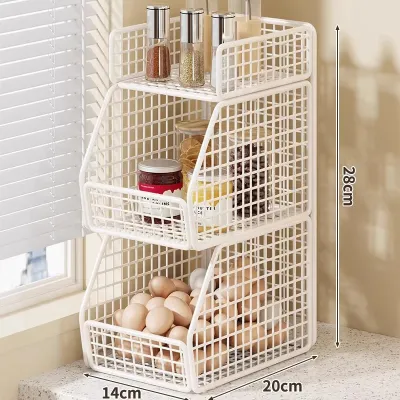
Prices are valid at publication and may change. Please refer to the product page for the latest price.
Best Bins and Baskets for Clothes, Shoes, and Linens
Packing your wardrobe, footwear, and bedding requires careful planning to prevent damage from dust, pests, and moisture. During a move, clothes are highly susceptible to absorbing odors, especially if they are packed during the humid rainy season. Selecting the right containers helps maintain the freshness of your fabrics and ensures they arrive at your new home in excellent condition.

To maximize the efficiency of your moving truck, choose container shapes that stack cleanly and prevent garments from shifting. Shifting clothes can become deeply wrinkled or compressed, making unpacking more tedious. Evaluating your transit time and storage duration will help you decide between rigid plastic protection and flexible, breathable fabric options.
Lidded Plastic Bins for Maximum Protection
Rigid plastic bins equipped with secure, snap-locking lids provide the most reliable defense for your clothing, shoes, and delicate linens. The solid plastic walls create a barrier against dust, dirt, and insects, which is particularly valuable if your items will spend time in a temporary storage facility or an open moving truck. The interlocking design of the lids allows you to stack multiple bins safely without worrying about the bottom containers collapsing under the weight.
Before purchasing plastic bins, inspect the thickness of the plastic walls and the sturdiness of the corners. Thin, brittle plastic can easily crack when subjected to the vibrations and shifts of a moving vehicle. Additionally, look for bins with robust latching handles that keep the lid firmly in place during handling.
While plastic bins excel at keeping external moisture out, they can also trap existing humidity inside. To prevent mold and musty odors, ensure that all clothes and linens are completely dry before packing them. Placing a few silica gel desiccant packs or moisture-absorbing sachets inside each bin before snapping the lid shut provides excellent insurance against trapped dampness.
Breathable Canvas and Woven Baskets for Short Transits
For short-distance moves or items you plan to unpack immediately, breathable canvas bins and fabric baskets are highly practical. Canvas bins with reinforced, double-stitched handles are lightweight, easy to carry, and can be folded completely flat when empty, saving valuable space in your new home. They are ideal for packing non-delicate textiles like pillows, blankets, towels, and casual wear.
If you plan to use decorative woven baskets made of natural materials like rattan, abaca, or seagrass, always check for a smooth fabric liner. Unlined woven baskets have rough fibers that can easily snag delicate fabrics like silk, lace, or knitwear. Furthermore, the open-weave design of natural baskets allows dust and fine debris to settle onto your clean clothes during transit.
Keep in mind that open-top or fabric baskets are best reserved for immediate unpacking. Because they lack rigid, protective lids, they cannot be stacked on top of one another in a moving truck without crushing the contents. Use them for the final load of daily essentials that you transport in your personal vehicle.
Best Bins and Baskets for Kitchenware and Fragile Items
Kitchenware, ceramics, and glassware require maximum structural protection during a move. Unlike soft textiles, these items cannot absorb impacts, and any flexing of the container walls can result in immediate breakage. To safeguard your kitchen essentials, you need containers that maintain their shape under pressure and offer reliable cushioning.
Using containers with rigid walls prevents other heavy boxes from crushing your delicate plates and cups. Additionally, incorporating internal padding, cell dividers, and secure locking mechanisms will minimize movement inside the container, keeping your fragile items secure throughout the journey.
Heavy-Duty Plastic Bins with Secure Latches
For heavy and highly breakable kitchenware, heavy-duty plastic bins with multi-point latching systems are the safest choice. These robust latches lock the lid securely to the base, ensuring that the container will not pop open even if it is accidentally tilted or bumped during the move. This secure seal is vital for protecting valuable dinnerware sets and glassware.
When shopping for these bins, look for models featuring reinforced bases and ribbed exterior walls. The ribbed design adds significant crush resistance, allowing the bins to support heavy loads stacked on top of them without bowing. A reinforced base ensures that the bottom of the bin remains flat and stable, preventing the weight of heavy plates from warping the plastic.
It is also beneficial to choose bins with flat, smooth interior walls. Interior ridges or sharp plastic seams can snag bubble wrap, packing paper, or foam sleeves, potentially tearing the protective layers away from your fragile items. Smooth interiors allow you to pack cushioning materials tightly against the walls, maximizing shock absorption.
Lined Baskets for Lightweight Delicates
For less fragile kitchen items, such as wooden utensils, plastic food containers, spice jars, or ceramic mugs, fabric-lined baskets offer a practical and organized packing solution. The soft fabric lining acts as a built-in cushion, preventing items from clinking together, scratching, or chipping during transport.
Ensure that any basket used for these items features sturdy, integrated handles. Handles that are woven directly into the core frame of the basket are far more durable than those that are simply glued or stitched onto the surface. This structural integrity is necessary to support the concentrated weight of glass spice jars or heavy mugs.
Because most decorative baskets have open tops, avoid overloading them past the rim. Items that protrude above the edge of the basket are highly vulnerable to falling out or being damaged if the basket tilts during transit. Keep these baskets upright and place them in secure, low-movement areas of the moving vehicle.
Best Bins and Baskets for Books and Heavy Documents
Books, files, and paper documents are deceptively heavy when packed together in large quantities. A large container filled entirely with books can easily exceed safe lifting limits, posing a severe risk of back injury to handlers and causing the container itself to fail. To move these items safely, you must focus on weight distribution, ergonomic limits, and structural reinforcement.
When packing dense, heavy items like books, small-to-medium containers are mandatory. Avoid the temptation to use large, flexible laundry baskets or thin-walled plastic bins. Under the immense weight of books, flexible containers will sag and bow outward, which can cause the handles to tear or snap off entirely when lifted.
Instead, opt for compact, heavy-duty plastic storage bins with integrated, reinforced handles. The handles should be molded directly into the rim of the bin to provide a secure, comfortable grip that will not fail under load. These smaller bins limit the total weight you can pack inside, keeping each container manageable.
Ensure the bin has a flat, rigid base that does not bow downward when lifted. If the bottom of the bin flexes, it puts excessive stress on the corners and seams, which can cause the plastic to split and drop your belongings. A rigid base keeps the contents stable and prevents the bin from shifting when stacked.
To ensure safety on moving day, apply a simple rule of thumb: if you cannot comfortably lift the packed bin with one hand, it is too heavy. If a bin exceeds this limit, remove some of the books and fill the remaining space with lightweight items, such as cushions, towels, or plush toys, to keep the overall weight safe.
What to Avoid: Unsuitable Containers for Moving
Using whatever containers you have on hand might seem like a convenient way to save money, but certain household bins and baskets are highly unsuitable for a move. Selecting the wrong container can result in damaged valuables, spilled items, and physical strain. To ensure a smooth transition, avoid the following container types:
- Flimsy or Cracked Plastic: Do not use plastic bins that show signs of wear, such as stress fractures, faded colors from sun exposure, or ultra-thin walls. These containers are highly brittle and are likely to shatter under the weight of other stacked items in the moving truck.
- Open-Top Laundry Baskets: While excellent for carrying clothes around the house, standard laundry baskets lack lids and structural rigidity. They cannot be stacked, which wastes valuable space in the moving vehicle, and their open tops leave your belongings exposed to dust, rain, and accidental spills.
- Oversized Bins: Large utility totes are a common moving hazard. When filled with household items, they quickly become too heavy to lift safely. The large surface area of the bottom also lacks adequate support, making the bin highly prone to cracking or buckling under load.
- Decorative Woven Baskets without Liners: Baskets made of brittle natural fibers, such as unlined wicker or dried grass, can easily snap when bumped against heavy furniture. The broken fibers create sharp, needle-like edges that can scratch your hands, tear adjacent fabrics, or damage the finish of nearby wooden furniture.
How to Pack, Stack, and Label Your Bins for Transit
Properly preparing your storage bins and baskets for moving day is just as important as choosing the right containers. A systematic approach to packing, stacking, and labeling ensures that your belongings remain secure during transit and makes the unpacking process at your new home much more efficient.
- Weight Distribution: Always place the heaviest items, such as thick books or heavy kitchenware, at the very bottom of the bin to establish a stable base. Place lighter, softer items on top. This lowers the container's center of gravity, preventing it from tipping over during sudden stops.
- Filling Voids: Do not leave empty spaces inside your bins. If items have room to slide around, they are much more likely to break. Use soft household textiles, such as clean towels, t-shirts, or socks, to fill any gaps and create a snug, cushioned interior.
- Stacking Logic: When loading the moving vehicle, stack your containers by size and structural strength. Place heavy-duty plastic bins with flat, rigid lids at the bottom of the stack. Lighter, smaller bins should go on top. Never stack heavy plastic bins on top of flexible canvas or woven baskets, as this will crush the lower containers.
- Labeling System: Use high-visibility, removable labels or color-coded tape to mark your bins. Place these labels on the sides of the containers rather than the lids. When bins are stacked, the lids are hidden from view, but side labels remain clearly visible, allowing you to quickly identify where each container belongs.
Frequently Asked Questions (FAQ)
Can I use regular plastic laundry baskets for moving?
Standard open-top plastic laundry baskets are not recommended for the main transit phase of a move. Because they lack lids, they cannot be stacked, which severely limits space efficiency inside a moving truck. Additionally, their open design leaves your items exposed to dust, rain, and accidental spills. However, you can use them to transport lightweight, non-fragile items—such as pillows, stuffed toys, or immediate-use toiletries—directly in your personal vehicle. Ensure they are not overfilled so they remain easy to carry and do not obstruct your view while driving.
How do I prevent mold in plastic bins during a move in the Philippines?
In the tropical, high-humidity climate of the Philippines, preventing mold inside sealed plastic bins requires careful preparation. First, verify that every item, especially clothing, linens, and books, is completely dry before packing. Even a tiny amount of moisture trapped inside an airtight plastic bin can lead to mold growth within days. Place silica gel desiccant packs or hanging moisture absorbers inside the bins before sealing the lids. If possible, avoid packing your belongings on highly humid or rainy days. Finally, store your sealed bins in well-ventilated, elevated areas rather than directly on damp concrete floors, which can transfer moisture upward.
Are wheeled storage bins worth it for moving house?
Wheeled storage bins offer excellent convenience when rolling heavy items across flat, smooth floors in your new home, but they present several challenges during actual transport. The wheels or casters protrude from the base, which prevents the bins from sitting flat and stacking stably inside a moving truck. Furthermore, these plastic wheels can easily snap off if they are bumped or subjected to heavy shifting loads during transit. If you choose to use wheeled bins, look for models with detachable wheels that you can remove during transport and reattach once you arrive, or reserve them for lightweight items that do not require stacking.
Community discussion
Share your experience or ask a question. Comments are reviewed before publication.