
Packing up your wardrobe for a lipat bahay (moving house) requires more than just throwing garments into any available container. In a tropical climate characterized by high humidity and sudden downpours, choosing the right box for storage clothes is a critical decision that directly affects the condition of your garments upon arrival. The ideal container must protect your apparel from moisture, dust, and pests while remaining easy to lift, stack, and transport.
The best option depends on the specific types of clothing you are packing, your budget, and how long the items will remain packed. While heavy-duty plastic bins offer defense against tropical humidity and rain, breathable fabric organizers are superior for delicate fabrics that require airflow, and corrugated cardboard remains the most economical choice for rapid, short-distance moves. By understanding the distinct structural properties of each material, you can safeguard your wardrobe throughout the moving process.
Quick Guide: Choosing the Right Box for Storage Clothes
Selecting the perfect container requires balancing the fragility of your garments against the physical demands of transit. In the Philippines, where high ambient humidity can quickly lead to musty odors or mold, matching the box material to the clothing category is the first step toward a successful move.
Products mentioned in this guide
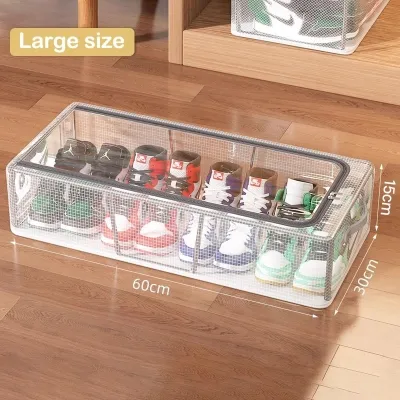
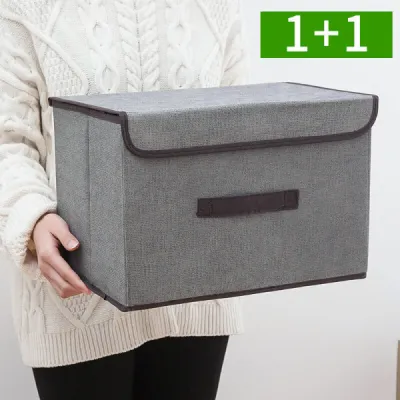
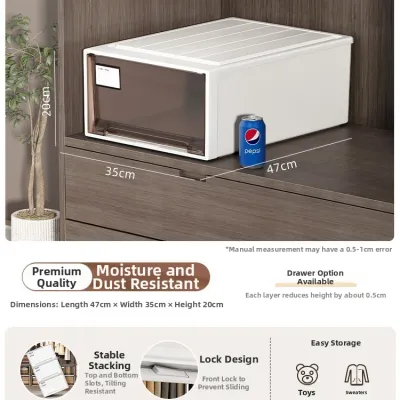
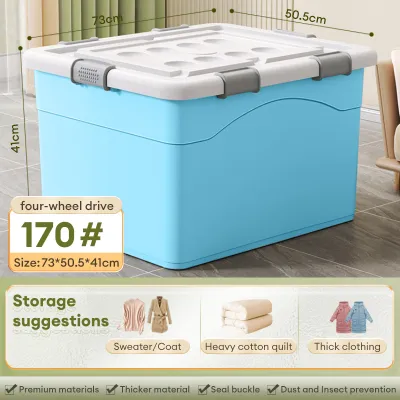
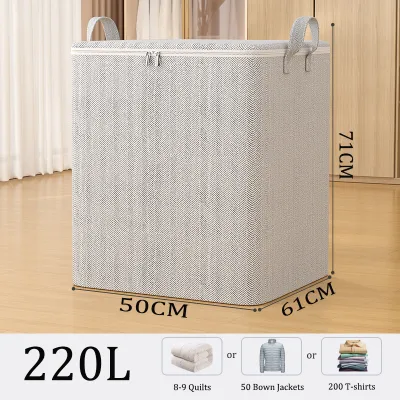
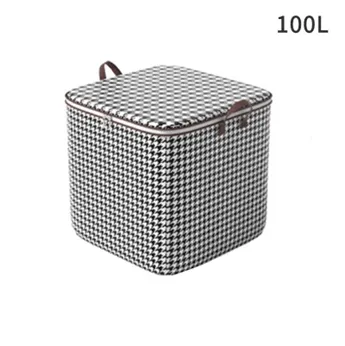
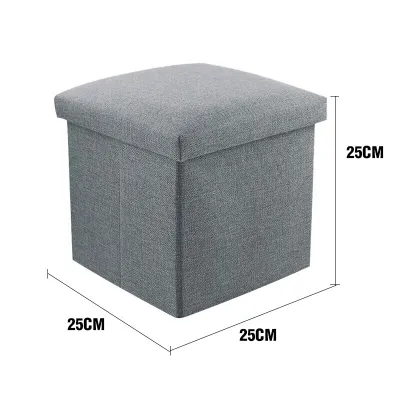
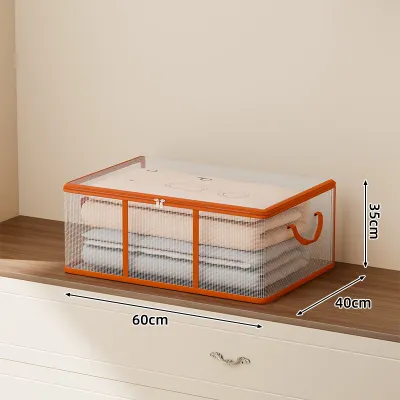
Prices are valid at publication and may change. Please refer to the product page for the latest price.
- Heavy and Durable Garments: Items such as denim jeans, thick cotton jackets, sweaters, and everyday casual wear are best suited for heavy-duty plastic bins. These garments can handle the compression of stacking, and the rigid walls of a plastic bin prevent the load from shifting during transit.
- Delicate and Natural Fibers: Silk dresses, barongs, lace, and fine linens require breathable environments to prevent yellowing and fiber degradation. Structured fabric storage boxes with zippered closures provide excellent dust protection while allowing minimal air exchange to prevent moisture build-up.
- Everyday Casuals and Short-Term Transit: Standard t-shirts, activewear, and cotton shorts can be packed efficiently in double-walled cardboard boxes. This is the most cost-effective approach for quick moves where items will be unpacked within a few days of arrival.
The transit duration and storage conditions at your destination also play a massive role. If your clothes will go directly from a moving truck into an air-conditioned closet, cardboard or fabric boxes are highly practical. However, if your belongings will spend weeks in a temporary storage facility, garage, or non-insulated room, investing in sealed plastic bins is essential to prevent pest infestation and moisture damage.
How to Evaluate Storage Boxes for Moving Clothes
Before purchasing any packing supplies, you must evaluate containers based on structural and environmental performance metrics. Relying solely on a box’s appearance can lead to collapsed stacks, torn seams, or ruined clothing.

- Moisture and Pest Resistance: In tropical climates, ambient moisture is a constant threat. When evaluating plastic bins, do not assume all plastic is moisture-proof; look for lids with integrated rubber gaskets and heavy-duty snap-lock latches that compress the seal. For fabric boxes, check for tightly woven synthetic fibers (like high-density Oxford cloth) and zipper tracks covered by protective dust flaps to keep out small pests like ants and silverfish.
- Stackability and Structural Integrity: Moving trucks are packed tightly, meaning your clothes boxes will likely be stacked several layers high. Inspect plastic bins for reinforced, molded corners and ribbed bases that distribute weight evenly. If choosing cardboard, verify that the boxes are rated as double-walled corrugated board rather than single-walled, as high humidity can soften standard cardboard, causing the bottom boxes to buckle under pressure.
- Handling and Ergonomics: A box is only useful if you can safely carry it. Look for recessed, molded handles on plastic bins that won't snap under heavy loads. For fabric and cardboard options, verify that the handles are reinforced with cross-stitching or plastic grommets, allowing you to carry them up narrow stairwells or lift them into high truck beds without tearing the material.
- Breathability vs. Airtightness: There is a distinct trade-off between keeping elements out and letting air in. Airtight plastic containers are excellent for keeping external water out, but they can trap residual moisture inside, leading to mildew. Conversely, fabric containers allow natural fibers to breathe, but they offer minimal protection if exposed to a sudden tropical rainstorm during loading.
Plastic Storage Bins: Best for Moisture Protection and Heavy Loads
Plastic storage bins represent the gold standard for long-term preservation and heavy-duty transport during a move. Their rigid construction provides a sturdy barrier against external environmental factors, making them highly reliable for unpredictable weather.
- Ideal For: These bins are exceptionally suited for heavy textiles such as denim, winter coats, thick blankets, and footwear. They are also the premier choice for protecting high-value garments that cannot risk water exposure, especially during the rainy season when open-bed moving vehicles are highly vulnerable to sudden downpours.
- What to Look For: Prioritize opaque or deeply tinted plastic bins if your items will be exposed to sunlight during staging, as UV rays can fade dyed fabrics over time. Look for robust snap-locking lids with latch handles that click securely into place. Examine the bottom of the bin to ensure it features a ribbed design, which adds structural stiffness and prevents the plastic from bowing downward when filled with heavy items.
- Limitations: While highly protective, plastic bins are bulky and do not compress, meaning they occupy a fixed volume in the moving vehicle regardless of how full they are. They are also significantly heavier than fabric or cardboard alternatives, which can increase physical strain during the move. Furthermore, if you pack clothes that are even slightly damp, the airtight seal will trap the moisture, creating an ideal breeding ground for mold and musty odors.
- Preparation Checklist:
- Wipe the interior of the plastic bin with a dry microfiber cloth to ensure no manufacturing dust or moisture remains.
- Check the manufacturer's embossed label on the bottom of the bin to verify its maximum weight capacity and stacking limit.
- Place a few silica gel packets at the bottom and middle layers of the bin to absorb any lingering ambient humidity before sealing the lid.
Fabric Storage Boxes: Best for Delicates and Breathability
Fabric storage boxes offer a lightweight, flexible, and breathable alternative to rigid plastic, making them ideal for delicate garments that require gentle handling and consistent airflow.
- Ideal For: This category is perfect for delicate natural fibers like silk, wool, cashmere, Barong Tagalog shirts, and fine linens. It is also highly suited for bulky but lightweight items such as pillows, comforters, and plush bedding, which can conform to the semi-flexible shape of the box without damaging the container.
- What to Look For: Look for fabric boxes constructed with heavy-duty materials such as 600D Oxford cloth or thick non-woven polyester. Ensure the box features a sturdy internal frame—typically made of collapsible metal wires or thick, fabric-wrapped cardboard panels—to maintain its shape when stacked. The zippers should be smooth, double-sided metal tracks, preferably with a fabric flap that covers the zipper teeth to block dust.
- Limitations: Fabric boxes are not waterproof; if they are exposed to rain during the lipat bahay process, the fabric will absorb water and transfer it directly to your clothes. They also offer limited crush protection compared to plastic, meaning you cannot stack heavy items on top of them without risking damage to the garments inside.
- Preparation Checklist:
- Line the bottom and sides of the fabric box with clean, acid-free tissue paper to create an extra layer of protection for delicate silks or embroidered items.
- Avoid overstuffing the box, as excess pressure can split the zippers or tear the reinforced seams at the handles.
- Fold clothes neatly using the flat-folding method to distribute weight evenly and maintain the structural shape of the box.
Cardboard Moving Boxes: Best for Budget and Short-Term Transit
For most household moves, cardboard boxes remain a highly practical and accessible choice due to their low cost, wide availability, and ease of recycling.
- Ideal For: Cardboard is best for everyday casual wear, cotton t-shirts, activewear, and children's clothing. It is highly efficient for short-distance moves where clothes will be unpacked immediately upon arrival, minimizing the time the garments spend in a closed cardboard environment.
- What to Look For: Always opt for double-walled corrugated cardboard boxes specifically designed for moving, rather than thin, single-walled grocery boxes. Look for boxes with pre-cut handholds for easier lifting. For formal wear, suits, and evening gowns, look for specialized wardrobe boxes that feature an integrated metal hanging bar, allowing you to transfer clothes directly from your closet without folding them.
- Limitations: Cardboard is highly vulnerable to moisture; high humidity can cause the fibers to soften, drastically reducing the box's stacking strength. Additionally, cardboard boxes lack built-in seals, leaving small gaps where dust, ants, or other pests can enter if the seams are not perfectly taped. They are also difficult to carry comfortably if they lack pre-cut handles or if the handles tear under heavy loads.
- Preparation Checklist:
- Seal all bottom seams using the "H-tape" method: apply heavy-duty packing tape across the center seam and along both side edges to prevent the bottom from giving way.
- Elevate packed cardboard boxes off concrete floors or damp ground using wooden pallets or plastic sheets during the staging phase.
- Use clean packing paper or plastic liners inside the cardboard box to protect your clothes from cardboard dust and potential dye transfer.
Plastic vs. Fabric vs. Cardboard: Feature Comparison
To help you finalize your packing strategy, this table compares the three primary box types across critical performance and cost dimensions.
| Feature / Metric | Plastic Storage Bins | Fabric Storage Boxes | Cardboard Moving Boxes |
|---|---|---|---|
| Moisture Resistance | High (Airtight seals available) | Low (Absorbent fabric) | Very Low (Softens when wet) |
| Stackability | High (Rigid, interlocking lids) | Medium (Requires internal frames) | Medium to Low (Depends on wall thickness) |
| Breathability | Low (Traps internal air) | High (Prevents musty odors) | Medium (Semi-porous material) |
| Cost Efficiency | Low (Higher initial investment) | Medium (Reusable and durable) | High (Very budget-friendly) |
| Best Clothing Category | Denim, heavy coats, footwear | Silks, barongs, delicate linens | T-shirts, casual wear, activewear |
| Typical Price Band | ₱300 – ₱800+ per bin | ₱150 – ₱400 per box | ₱50 – ₱150 per box |
Essential Packing Steps to Protect Clothes in Transit
Choosing the right box is only half the battle; how you prepare and pack your garments determines whether they arrive fresh or ruined. Follow these systematic steps to protect your wardrobe during transit.
- Sorting and Drying: The golden rule of packing clothes is to ensure everything is completely clean and 100% dry. In the humid Philippine climate, even a tiny amount of residual moisture from sweat or incomplete line-drying can transform a sealed box into a breeding ground for mold and mildew within 24 hours. Wash your clothes a few days before the move and line-dry them thoroughly in a well-ventilated area, or use a dryer to ensure no dampness remains in thick seams or waistbands.
- Space-Saving Techniques: Choose your packing style based on the garment type and box material. For bulky, resilient items like bedding, pillows, and synthetic winter jackets, use vacuum compression bags before placing them into plastic bins; this maximizes space and provides an extra layer of waterproof protection. For everyday cotton wear, use the rolling method (ranger rolling) to minimize deep creases and fit more items into cardboard boxes. For delicate silks and formal wear, stick to flat folding with tissue paper inserts to prevent friction damage.
- Fragile Item and Accessory Handling: Keep accessories separate from delicate fabrics to prevent snags. Remove heavy metal belts, buckles, and statement jewelry, packing them in small, separate pouches. Stuff the insides of shoes with clean, acid-free paper to help them retain their shape, and wrap each pair in clean packing paper before placing them at the bottom of your storage bins to prevent dirt transfer.
- Labeling Strategy: Clearly label every box on at least two sides with a waterproof marker. Write the destination room, the category of clothing, and a weight warning if applicable (e.g., "Master Bedroom – Denim & Jackets – HEAVY"). This ensures your moving team knows exactly where to place each box in your new home and avoids stacking heavy plastic bins on top of fragile cardboard or fabric boxes.
Frequently Asked Questions (FAQ)
Can I use garbage bags instead of storage boxes for clothes?
Yes, but only as a temporary measure or an inner protective liner. While large plastic garbage bags are highly water-resistant and incredibly inexpensive, they offer zero structural protection, making them impossible to stack in a moving truck without crushing the contents. They are also highly prone to tearing during transit, exposing your clothes to dirt and road dust, and they trap moisture easily, which can lead to mildew in humid conditions. If you must use them, use them to line the inside of sturdy cardboard boxes or for transporting dirty laundry that will go straight to the washing machine.
How do I prevent mold on clothes when moving in a humid climate?
The most effective way to prevent mold is to ensure every single garment is bone-dry before it enters a box. Additionally, place several high-capacity silica gel packets or hanging moisture absorbers inside your plastic and fabric storage boxes to capture any ambient humidity trapped during the packing process. Avoid packing your clothes during rainy hours if possible, and never leave your packed boxes sitting directly on damp concrete floors, garage surfaces, or in unventilated outdoor staging areas where humidity levels are highest.
Should I wash clothes before packing them for a move?
Yes, washing your clothes before packing is highly recommended. Unwashed garments contain trace amounts of sweat, body oils, skin cells, and microscopic food particles that are highly attractive to pests like ants, silverfish, and cockroaches. When sealed inside a dark, warm moving box, these organic residues can cause permanent yellow stains, set deep odors that are incredibly difficult to remove later, and encourage rapid mold growth. Starting with freshly laundered, thoroughly dried clothes ensures your wardrobe remains clean and odor-free.
Community discussion
Share your experience or ask a question. Comments are reviewed before publication.