
Finding the right storage cabinet organizer for your dining room buffet or display cabinet is the key to protecting your prized dinnerware while maximizing limited space. The ideal setup depends entirely on what you are storing: tiered shelf risers work best for stacking plates, vertical slot dividers protect heavy platters, and suspended racks keep delicate glassware safe from chips. By selecting organizers tailored to your specific dining essentials, you can transform a cluttered cabinet into an efficient, beautiful storage hub.
In the Philippines, where high humidity can affect both wooden cabinetry and metal storage accessories, choosing the right organizing system requires balancing material durability with structural safety. A well-planned storage cabinet organizer not only prevents accidental damage during busy family gatherings but also keeps your everyday plates and festive stemware easily accessible.
Assessing Your Buffet Cabinet and Dining Collection
Before purchasing any storage cabinet organizer, you must thoroughly measure the interior dimensions of your buffet cabinet or platera. Use a reliable measuring tape to record the exact height, width, and depth of each shelf. Do not rely on external cabinet dimensions, as thick wooden panels, backboards, and internal shelf supports can significantly reduce the actual usable space inside.
Products mentioned in this guide
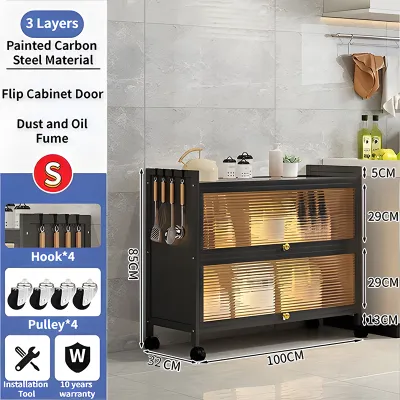
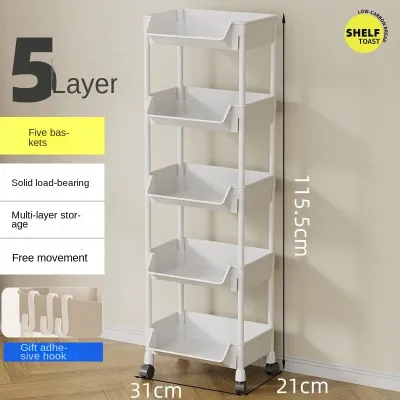
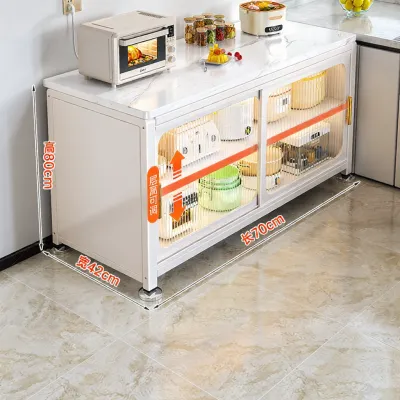
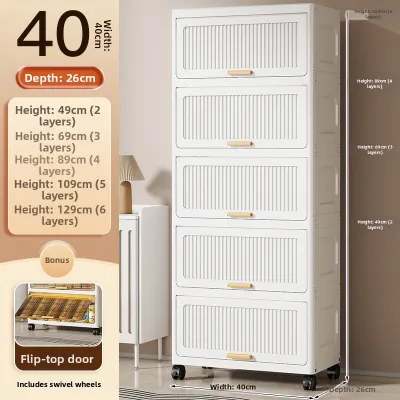
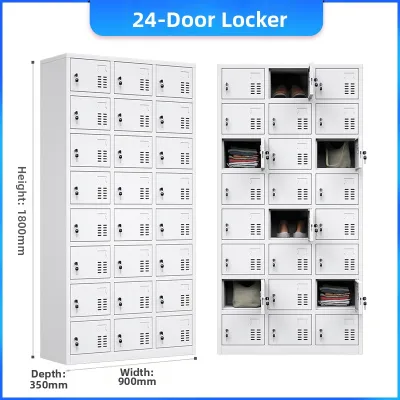
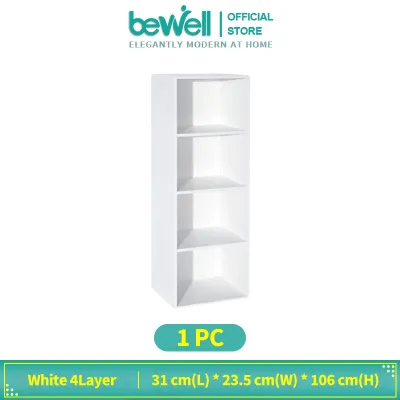

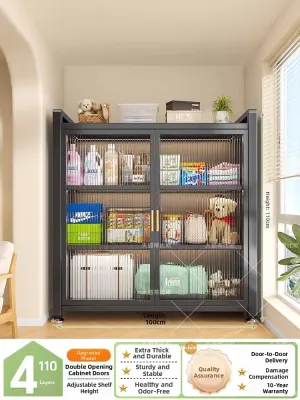
Prices are valid at publication and may change. Please refer to the product page for the latest price.
Pay close attention to potential physical obstructions within the cabinet. Internal hinges, magnetic door catches, and sliding door tracks can block organizers or prevent doors from closing fully if an accessory sits too close to the front edge. Measure the clear opening width when the doors are fully open, as some cabinet doors do not swing back completely, narrowing the entry point for wide or rigid organizers.
Next, take a complete inventory of your dining essentials and categorize them by weight, fragility, and how often you use them. Heavy stoneware plates, delicate porcelain tea sets, and tall crystal wine glasses all have distinct storage requirements that dictate where they should sit. Grouping these items helps you map out a logical layout, keeping your heaviest items on sturdier lower shelves and delicate pieces safely tucked away.
Consider your primary usage scenario to determine how accessible each item needs to be. For everyday dinnerware, you need quick, unobstructed access that minimizes reaching and lifting. For formal dining sets, seasonal serving platters, or heirloom glassware that you only bring out during major holidays, you can prioritize dense, space-saving storage configurations deeper within the cabinet or on higher shelves.
Choosing a Storage Cabinet Organizer for Plates and Heavy Dishware
Plates and heavy bowls often take up the most physical space and represent the heaviest load in your dining cabinet. Standard flat stacking can make retrieving a salad plate from beneath a stack of dinner plates frustrating and risky. Implementing the right storage cabinet organizer can eliminate this daily hassle while keeping your valuable tableware safe.

Tiered shelf risers are an exceptional solution for maximizing vertical cabinet space without overloading a single stack. These freestanding platforms allow you to place large dinner plates on the cabinet floor and medium-sized salad plates or bowls on the raised shelf above. By separating different sizes into independent tiers, you eliminate the need to unstack multiple layers of heavy ceramic just to reach a single dish.
For heavy stoneware, hand-painted ceramic plates, or decorative chargers, vertical plate racks and slot dividers are highly effective. Storing plates upright like records in a crate prevents them from grinding against one another, which is a common cause of surface scratches and hairline fractures. This vertical orientation also makes it incredibly easy to slide an individual plate out of its slot without disturbing the rest of the collection.
When selecting these organizers, you must carefully evaluate weight capacity limits to ensure long-term stability. Heavy ceramic, earthenware, and stoneware stacks can easily weigh several kilograms, which can cause cheap wire or thin plastic risers to bow, sag, or collapse over time. Check the manufacturer’s specified load capacity for any riser or rack, and opt for reinforced steel, solid bamboo, or thick acrylic options that can support heavy loads without flexing.
Organizer Types for Glasses and Fragile Stemware
Glassware and delicate stemware require specialized storage solutions because of their top-heavy design and fragile rims. In a busy dining environment, loose glasses placed side-by-side on a flat shelf are highly susceptible to tipping, clinking, and chipping. Protecting these items requires organizers that stabilize each glass and isolate them from impact.
Stemware racks that hang from the underside of a cabinet shelf are ideal for wine glasses, champagne flutes, and chalices. By suspending the glasses by their sturdy bases, these racks protect the delicate rims from bearing weight or getting chipped during retrieval. Hanging storage also frees up valuable shelf space below for flat dinnerware or short tumblers, making excellent use of empty vertical areas.
For standard drinking glasses, highballs, and tumblers, adjustable grid inserts or cell dividers provide custom-sized cubbies. These dividers keep each glass isolated in its own designated pocket, preventing them from sliding into one another when cabinet doors are opened or closed. This is particularly beneficial for thin-walled glassware that can easily crack from minor vibrations or light contact.
Dust protection is another critical factor to consider, especially in the tropical climate of the Philippines where dust and ambient humidity can quickly create a cloudy film on glass. If you use an open-display buffet or a glass-front cabinet, keeping your glassware protected is essential. Using closed cabinet doors combined with clear acrylic shelf liners can help minimize dust accumulation, ensuring your glasses remain clean, sparkling, and ready for use at a moment’s notice.
Organizing Serving Pieces and Miscellaneous Dining Essentials
Serving platters, large salad bowls, cutlery, and table linens are often irregularly shaped, making them difficult to organize neatly alongside standard plates and glasses. Without dedicated storage solutions, these items tend to get piled haphazardly in deep cabinet corners, making them difficult to reach and prone to damage.
Deep storage bins and pull-out baskets are highly effective for organizing bulky, loose items such as serving bowls, gravy boats, or folded table linens. Placing these items inside a breathable basket allows you to slide the entire unit out to access pieces stored at the very back of a deep cabinet shelf. This prevents you from having to blind-reach into dark corners and potentially knocking over fragile items nearby.
For flatware, serving spoons, and smaller dining accessories like napkin rings, shallow cutlery trays and modular drawer inserts are indispensable. If your buffet cabinet features built-in drawers, adding a structured organizer prevents metal utensils from sliding around and scratching each other. For cabinets with doors only, these shallow trays can be stacked neatly on a shelf to keep your flatware organized and dust-free.
Large, flat items like serving platters, wooden cutting boards, and heavy metal trays are best stored upright using vertical dividers or tension rods. Storing these large pieces flat in a stack makes them incredibly heavy to lift and increases the risk of scratching their polished surfaces. By standing them vertically, you can slide out a heavy ceramic platter or a delicate wooden tray with minimal effort and zero scraping.
Cross-Scenario Compatibility and Adjustable Solutions
Your dining collection is likely to evolve over time as you acquire new dishware, host larger gatherings, or receive gifts. Choosing highly adaptable, modular storage cabinet organizers ensures that your cabinet layout can change alongside your storage needs without requiring you to buy entirely new systems.
Expandable shelf risers and modular organizers are excellent investments because they can stretch or contract to fit your changing cabinet space. If you decide to move your organizers from a narrow buffet cabinet to a wider kitchen cupboard, expandable designs can be adjusted to utilize the new space perfectly. Modular units can also be stacked vertically or linked horizontally, giving you the freedom to customize your cabinet’s interior architecture.
Tension-based dividers and adjustable peg systems offer tool-free customization that is perfect for dynamic storage. If you need to switch from storing tall flower vases to short dessert bowls, you can easily reposition these dividers in seconds. This flexibility is particularly useful in multi-use buffet cabinets that store a mix of daily dinnerware, formal serving pieces, and seasonal decorations.
When comparing organizer materials, consider how they perform in your specific home environment:
- Wire Organizers: Often budget-friendly (typically ranging from ₱300 to ₱800) and lightweight, but cheap bare metal can rust in humid environments. Look for PE-coated or powder-coated steel to prevent moisture damage and protect your dishes from scratches.
- Bamboo Organizers: Offer a warm, natural aesthetic that complements wooden buffet cabinets, but must be checked to ensure they have a water-resistant sealant. Unsealed bamboo can absorb moisture in humid tropical climates, leading to mold or warping.
- Acrylic Organizers: Highly durable, moisture-resistant, and easy to wipe clean. Their transparent design provides excellent visibility, making them perfect for glass-front display cabinets where you want the organizers to blend seamlessly into the background.
Installation and Safety Tips for Buffet Cabinets
Safely organizing your buffet cabinet goes beyond aesthetics; it also protects your furniture and prevents costly accidents. Before loading your shelves with heavy stacks of plates and dense organizers, always check the cabinet manufacturer’s instructions for weight limits. Overloading a single wooden shelf can cause it to bow, crack, or slip off its support pegs, risking catastrophic damage to your entire collection.
To prevent organizers from shifting, use high-quality, non-slip shelf liners beneath your plate racks and glass dividers. In the Philippines, daily household activity or the forceful closing of heavy wooden cabinet doors can cause smooth metal or plastic organizers to slide around. A grippy liner acts as a protective barrier, dampening vibrations and keeping your organizers firmly anchored in place.
Finally, always store your heaviest, tallest, and most robust items on the lowest shelves of your buffet cabinet. Placing heavy stoneware, large serving bowls, and massive platters near the base lowers the cabinet’s overall center of gravity. This simple step significantly improves the physical stability of the furniture, reducing the risk of accidental tipping and ensuring a safe dining environment for your household.
Frequently Asked Questions (FAQ)
How do I prevent wire shelf organizers from scratching my wooden buffet cabinet?
To protect the polished wood finish of your buffet cabinet from metal scratches, apply small adhesive felt pads or rubber bumper feet to the bottom contact points of your wire organizers. Alternatively, you can lay down a thick, cushioned vinyl shelf liner across the entire wooden shelf before placing the organizers inside. These simple, low-risk barriers prevent metal-on-wood friction while keeping the organizers firmly in place.
Can I use kitchen drawer organizers inside a buffet cabinet with doors?
Yes, you can easily repurpose shallow drawer inserts, utensil trays, and small storage bins directly on the open shelves of a buffet cabinet. This is a highly practical way to corral loose dining accessories such as napkin rings, coasters, tea bags, or silver polishing cloths. Choosing stackable or lidded bins allows you to maximize vertical shelf space while keeping these smaller items organized and protected from dust.
Community discussion
Share your experience or ask a question. Comments are reviewed before publication.