
Selecting the right organizer storage solutions is the most critical step in protecting your belongings from high humidity, sudden tropical downpours, and the physical stress of transit during a house move. To secure your items during a lipat bahay, you need a strategic mix of heavy-duty corrugated boxes, stackable plastic bins, vacuum compression bags, and specialized wardrobe boxes. Choosing the right combination depends on your budget, the fragility of your items, and how you plan to transport them—whether in an open-bed truck or a closed moving van.
Key Factors When Choosing Moving Storage Organizers
Before purchasing any organizer storage containers, you must evaluate their structural features to ensure they can withstand the rigors of transit. Do not assume a plastic bin or cardboard box is strong enough simply because it looks thick. Always check the manufacturer’s labels and specifications for the maximum load capacity to prevent structural failure, cracked bases, or torn handles during lifting.
Stackability and space efficiency are equally vital when loading a moving vehicle. Look for organizers with recessed lids or interlocking designs that prevent units from shifting or sliding when the truck makes sharp turns or encounters uneven roads. Well-designed nesting features allow you to stack containers securely, maximizing the vertical cargo space of your transport vehicle.
Products mentioned in this guide
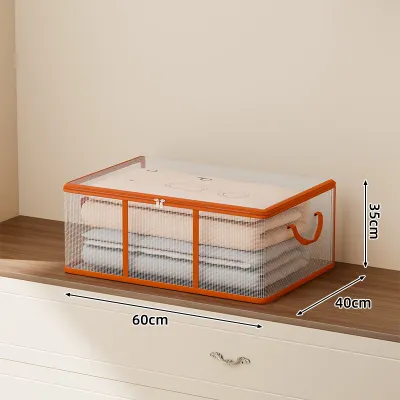
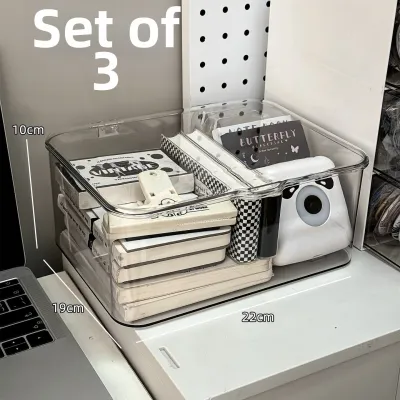
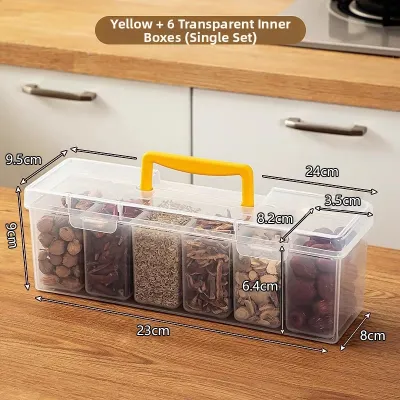
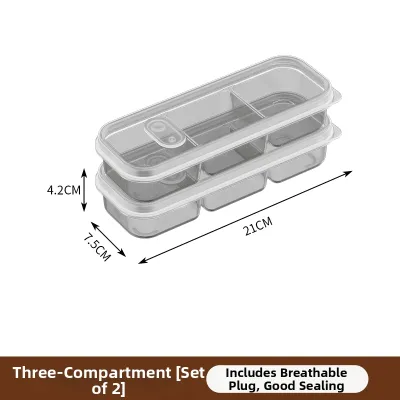
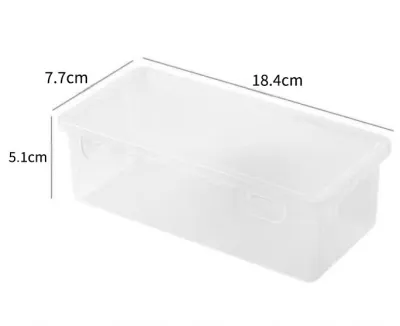
Prices are valid at publication and may change. Please refer to the product page for the latest price.
Given the humid and rainy climate in the Philippines, weather and moisture resistance must be a priority. High humidity can soften standard cardboard, while sudden tropical downpours can ruin exposed belongings. If you are loading items into open-bed trucks or moving during the wet season, prioritize water-resistant plastic totes with secure gaskets to keep moisture out.
Finally, balance the need for rigid protection during the move with space-saving storage after you unpack. Rigid plastic bins offer excellent protection but take up the same amount of space once empty. If you have limited storage space in your new home, consider collapsible crates or folding fabric organizers that can be flattened and stored away easily after the move.
Top Types of Storage Organizers for Moving
Different household items require different levels of protection, structural support, and climate defense. Using a single type of container for everything often leads to damaged goods or wasted cargo space.

By understanding the strengths and limitations of each organizer storage type, you can allocate your packing budget efficiently and ensure that fragile heirlooms, bulky bedding, and heavy appliances all arrive intact.
Stackable Plastic Bins and Totes
Rigid plastic bins are highly effective for protecting fragile, heavy, or high-value items that cannot withstand external pressure. Unlike cardboard, these containers will not crush under the weight of other boxes, making them ideal for packing kitchenware, small electronics, and valuable ornaments.
Before purchasing, inspect the lid security and latch mechanisms. Latches should snap firmly into place to prevent the lid from popping off during transit. Ergonomic handles are also crucial, as they reduce hand strain when carrying heavy loads up and down stairs.
However, plastic bins have distinct limitations. They maintain their fixed dimensions even when empty, which means they will occupy significant storage space in your new home until you find a permanent use for them. They can also be more expensive upfront compared to paper-based alternatives.
Vacuum Storage Bags
Vacuum compression bags are highly effective for maximizing cargo space by removing excess air from soft, bulky items. They are particularly useful for packing bedsheets, thick towels, pillows, and seasonal clothing, reducing their physical volume by up to eighty percent.
When selecting vacuum bags, pay close attention to the valve design and material thickness. Thicker plastic resists punctures from sharp zippers, buttons, or rough handling, while a double-zip seal helps maintain the vacuum over long transit periods.
Keep in mind that compression bags are not suitable for all textiles. Delicate natural fibers like silk, leather, or down-filled items can be permanently creased or damaged when compressed for long periods. Additionally, these bags offer zero structural protection, so they must be packed alongside rigid items carefully.
Heavy-Duty Corrugated Boxes
Standard delivery cartons from online shopping are rarely strong enough to survive a house move. Instead, opt for specialized heavy-duty corrugated boxes, which feature double-walled construction or reinforced edges designed to handle heavy loads like books, tools, and kitchen appliances.
Before buying, measure the dimensions of the boxes and compare them against your doorways, narrow hallways, stairwells, and the cargo space of your moving vehicle. Oversized boxes can be incredibly difficult to maneuver through tight spaces and may not fit efficiently inside a standard van.
The primary limitation of corrugated boxes is their vulnerability to moisture. High humidity can weaken the adhesive and paper fibers, leading to bottom blowouts if the boxes are overloaded beyond the manufacturer’s stated weight limits. Always tape the bottom seams securely with high-quality packing tape.
Wardrobe and Specialty Boxes
Specialty boxes are engineered to protect specific, awkwardly shaped, or high-value items that do not fit well in standard containers. Wardrobe boxes, for example, feature a built-in metal or plastic hanging bar that allows you to transfer clothes directly from your closet without folding them.
Other specialty options include dish packs with integrated cardboard dividers to keep plates and glasses from knocking against each other, as well as flat, heavy-duty mirror and picture boxes designed to protect framed wall art.
Before using these specialty organizers, verify their internal supports and hanging bar weight limits. Overloading a wardrobe box can cause the hanging bar to collapse, crushing the clothes below and compromising the structural integrity of the entire box.
How to Match Organizers to Your Belongings
A successful move relies on matching the right organizer storage type to the specific needs of each room. For the kitchen and dining area, prioritize rigid plastic bins with internal dividers or heavy-duty corrugated boxes. These structures prevent delicate glassware, ceramic plates, and small appliances from shifting and colliding during transit.
For bedrooms and linen closets, utilize a combination of vacuum storage bags and soft-sided fabric organizers. Vacuum bags compress bulky comforters and pillows to save space, while soft-sided organizers keep everyday clothing folded and organized, making them easy to slide directly into your new wardrobe drawers.
Electronics, important documents, and family photo albums require maximum protection from dust, moisture, and physical impact. Pack these items in water-resistant rigid plastic totes with secure, gasket-sealed latches. This ensures that even if the moving truck encounters a sudden tropical storm, your critical paperwork and expensive gadgets remain dry.
To keep track of your belongings, establish a consistent inventory system. Label every container on multiple sides with its destination room, a brief list of contents, and a clear fragility rating. Color-coding your labels—such as blue for the kitchen and green for the bedroom—helps movers place containers in the correct rooms instantly, saving you hours of unpacking time.
Where to Buy Storage Organizers in the Philippines
When sourcing organizer storage solutions in the Philippines, you have two primary avenues: physical home improvement stores and online marketplaces. Visiting physical retail stores allows you to inspect the build quality firsthand. You can physically test the latches of plastic bins, feel the thickness of corrugated cardboard, and verify the actual dimensions before making a purchase.
Alternatively, online marketplaces and e-commerce platforms offer excellent convenience, especially for bulk orders of boxes and vacuum bags. When shopping online, always check seller ratings, read detailed customer reviews, and compare prices in ₱. Pay close attention to the shipping dimensions and estimated delivery fees, as bulky items like plastic totes can incur unexpected freight surcharges.
Regardless of where you buy, verify the return and replacement policies of the seller. This ensures you can easily exchange any items that arrive damaged or do not match the manufacturer’s specifications.
Packing and Labeling Best Practices for a Smooth Move
To ensure your organizers perform as intended, distribute weight evenly within each container. Place heavy items at the bottom and lighter items on top, and avoid exceeding the manufacturer’s stated weight limits. Overpacked containers are highly susceptible to handle breakage and structural failure during lifting.
Never leave empty space inside a rigid bin or box, as this allows items to shift and collide during transit. Fill any gaps with appropriate cushioning materials, such as bubble wrap, packing paper, or even clean towels and blankets from your linen closet.
When labeling, use a broad, waterproof marker and write clearly on at least two sides of the container. This ensures the label remains visible even when the containers are stacked inside the moving truck. Clearly mark “FRAGILE” or “THIS SIDE UP” on items that require delicate handling.
Finally, recognize your limits. If you have oversized, exceptionally heavy, or hazardous items, stop and consult professional movers. Attempting to pack and transport extremely heavy furniture or delicate piano components without professional equipment can lead to severe injury or permanent damage to your belongings.
Frequently Asked Questions (FAQ)
Can I use regular trash bags or grocery bags for moving?
Using regular trash bags or grocery bags for a house move is highly discouraged due to the high risk of tearing and the complete lack of structural protection. These bags cannot be stacked efficiently, which wastes valuable cargo space in the moving vehicle, and they are incredibly difficult to label clearly. They should only be used as a last resort for lightweight, non-fragile soft items, such as dirty laundry or pillows, that do not require protection from crushing.
How do I prevent mold in storage bins during a move in the Philippines?
To prevent mold growth in your storage bins, ensure that every item—especially clothing, linens, and wooden items—is completely dry before packing. The high humidity in the Philippines can easily trap moisture inside sealed plastic containers, creating an ideal environment for mold and mildew. Place silica gel packs or moisture-absorbing sachets inside your sealed bins to capture any residual humidity. Avoid sealing damp clothes in vacuum bags, as this will trap moisture and rapidly accelerate mold development.
Should I buy or rent plastic moving bins?
Deciding whether to buy or rent plastic moving bins depends on your long-term storage needs and budget. Renting is a highly cost-effective option for short-term, one-time moves, especially if you have limited storage space in your new home to keep empty bins afterward. Buying, on the other hand, is the better choice if you plan to use the bins for long-term household organization, garage storage, or if you anticipate relocating again in the near future. Compare the upfront purchase cost in ₱ against the rental fees and delivery charges to determine the most practical option for your situation.
Community discussion
Share your experience or ask a question. Comments are reviewed before publication.