
Selecting the right seating for your child’s study desk is a decision that directly shapes their physical development, comfort, and concentration. In many Philippine households, children spend long hours at their desks completing homework, reading, or attending online classes. A standard household chair or a basic, non-adjustable bangko (bench or stool) often fails to provide the precise support a growing body requires. To prevent chronic slouching, neck strain, and fatigue, it is essential to choose an ergonomic seating option that can be tailored to your child’s unique physical proportions.
An optimal study seating setup must adapt dynamically to your child’s growth. Rather than forcing the child’s body to conform to rigid, adult-sized furniture, the seat must support a neutral posture where the spine maintains its natural curve and the feet remain firmly planted. By investing in a highly adjustable, stable, and climate-appropriate study bench, you create an environment that fosters both physical well-being and academic focus.
Must-Have Ergonomic Features in a Study Bench
Children grow at remarkably rapid rates, meaning a static, fixed-height seating option will quickly become obsolete or, worse, detrimental to their physical alignment. When a child sits on a bench that is too high, their feet dangle, which pulls the pelvis forward and forces the lower back to round into a slouch. Conversely, a seat that is too low pushes the knees above the hips, placing excessive pressure on the sit bones and lower spine. Adjustable height is the foundation of ergonomic seating, allowing you to fine-tune the seat level as your child grows.
Products mentioned in this guide
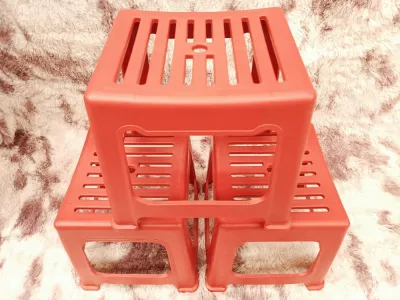
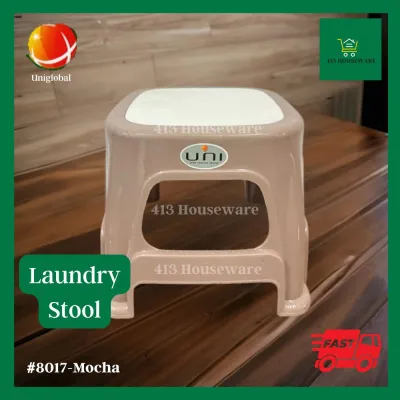
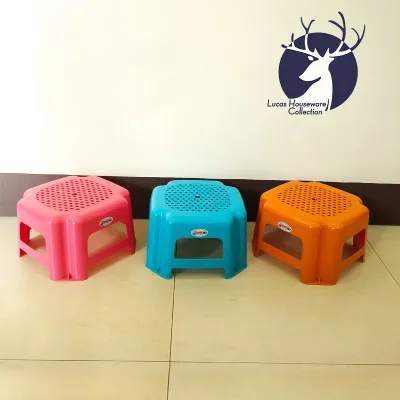
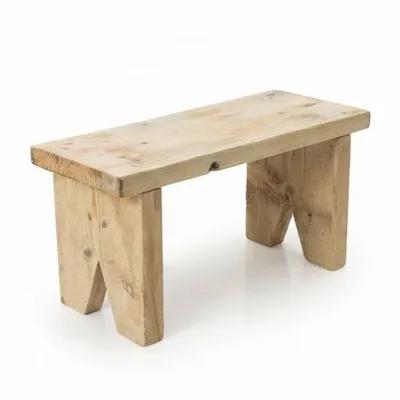
Prices are valid at publication and may change. Please refer to the product page for the latest price.
Seat depth adjustability is equally critical for maintaining healthy lower-body circulation. The seat pan must support the thighs without pressing against the sensitive area behind the knees, known as the popliteal fossa. If the seat is too deep, the child will either slouch forward to keep their knees bent or sit back and suffer restricted blood flow, leading to leg numbness and restlessness. An adjustable seat pan ensures there is always a gap of about two to three fingers between the seat edge and the back of the child’s knees.
Lumbar support plays a vital role in preserving the natural S-curve of the spine. When children focus intensely on reading or writing, they naturally tend to lean forward, which flattens the lower back and strains the spinal ligaments. A contoured backrest that cradles the lumbar region provides a physical reminder and support system, keeping the spine in a neutral position. This targeted support minimizes muscle fatigue, allowing the child to remain comfortable and attentive during longer study sessions.
An advanced but highly beneficial feature is a slight forward seat tilt option. Tilting the seat pan forward by a few degrees (typically between two and five degrees) gently rotates the pelvis forward. This pelvic tilt naturally aligns the spine, opens up the hip angle, and distributes weight more evenly between the sit bones and the thighs. By reducing the pressure on the lumbar discs, a forward-tilted seat helps prevent the slouching habit from forming in the first place.
Best Types of Study Benches and Stools for Growing Kids
Adjustable Height Stools
Adjustable height stools, often utilizing pneumatic gas lifts or manual threaded collars, offer a highly compact and versatile seating solution. Their minimal footprint makes them exceptionally well-suited for smaller bedrooms, shared study areas, or compact apartments where space is at a premium. These stools can be easily tucked completely under the desk when not in use, keeping walkways clear and tidy.

Because these stools lack a traditional backrest, they naturally encourage active sitting. Without a back support to lean against, the child’s core abdominal and back muscles must engage to keep the torso upright. This micro-movement stimulates blood flow and keeps the core active, which can help improve alertness and focus during shorter study bursts or creative activities.
Active sitting is highly beneficial, but it does have physical limits. Over extended periods, a child’s core muscles will inevitably tire, which can lead to severe slouching as fatigue sets in. For this reason, backless adjustable stools are generally recommended for older children who have already developed stronger core stability, or as secondary seating options used for quick tasks, drawing, or short reading intervals.
When evaluating these stools, stability must be your primary concern. Look for models featuring a wide, heavily weighted base that lowers the overall center of gravity. A heavy, stable base ensures that even if the child twists, reaches for a book, or shifts their weight suddenly, the stool remains firmly anchored to the floor and resists tipping over.
Ergonomic Benches with Backrests
For extended study sessions, an ergonomic bench or chair equipped with a structured backrest and a contoured seat pan provides the most comprehensive postural support. The contoured seat pan is shaped to distribute body weight evenly across the buttocks and thighs, preventing localized pressure points that cause discomfort and squirming.
Many ergonomic study benches feature integrated or adjustable footrings. This is a crucial feature for younger or shorter children who must use a standard-height desk. Because the bench must be raised high to allow the child’s arms to reach the desktop comfortably, their feet will naturally dangle. An adjustable footring acts as a raised floor, providing a solid platform for the feet and maintaining the necessary lower-body support.
In the tropical climate of the Philippines, material selection directly impacts comfort. Breathable mesh backrests are highly recommended, as they allow optimal air circulation and prevent heat and sweat from building up against the child’s back. If you prefer padded fabric, ensure it is treated with a stain-resistant coating and is easy to wipe clean, balancing plush comfort with daily practical maintenance.
High-quality models often incorporate synchronized tilt mechanisms. This feature allows the backrest and the seat pan to tilt together at a set ratio, usually keeping the backrest at a wider angle than the seat. This design allows the child to lean back safely to stretch or relax their muscles without losing contact with the critical lumbar support, keeping the spine protected even during movement.
Kneeling Benches and Floor Seats
Kneeling benches present an alternative approach to posture correction. These specialized seats feature an angled seat pan combined with padded shin supports. By placing the shins on the lower pads, the body’s weight is shared between the buttocks and the legs, naturally tilting the pelvis forward and aligning the spine without requiring a backrest.
While highly effective at opening the hip angle and reducing lower back pressure, kneeling benches require physical conditioning. The shins and knees bear a continuous load, which can cause discomfort if the bench is used for hours on end. Consequently, kneeling benches are best suited for older children and should be used for shorter, focused study intervals rather than as an all-day seating option.
For homes that utilize low tables, Japanese-style study desks, or dedicated reading corners on the floor, floor seats with adjustable backrests are an excellent choice. These seats allow the child to sit directly on the floor while still receiving structured lower back support. This prevents the severe spinal rounding that typically occurs when sitting on a flat floor cushion.
Before purchasing a floor seat, always verify the manufacturer’s weight limits and examine the durability of the folding hinge mechanisms. The hinges must lock securely into place and resist bending under pressure. Look for robust steel frames and thick, high-density foam padding that will not bottom out against the hard floor over time.
How to Size the Bench and Desk for Perfect Posture
Achieving the perfect ergonomic setup requires precise measurements rather than guesswork. The fundamental guideline for healthy sitting is the 90-90-90 rule. When your child is seated at their desk, their hips, knees, and ankles should all rest at approximately 90-degree angles. Their feet must be completely flat on the floor or a footrest, and their thighs should be parallel to the ground to ensure even weight distribution.
To determine the ideal seat height for your child, follow these measurement steps:
- Have your child stand upright wearing the footwear they normally use during study sessions.
- Measure the distance from the floor to the crease at the back of their knee (the popliteal crease).
- This measurement represents the target height for the top of the seat cushion.
Once the seat height is established, you must calculate the required clearance between the seat and the underside of the desk. Measure the thickness of your child’s thighs at their thickest point while seated. Ensure there is at least 15 to 20 centimeters of clearance between the top of the seat cushion and the lowest point of the desk frame or drawer. This allows your child to slide their legs under the desk comfortably and shift positions without bumping their knees.
If you are paired with a standard, non-adjustable desk that is too high, raising the bench to match the desk height will cause the child’s feet to dangle. In this scenario, you must introduce an adjustable, angled footrest. The footrest brings the floor up to the child, supporting their feet and restoring the correct 90-degree angles at the knees and ankles, preventing circulatory issues.
Finally, observe the position of your child’s elbows and shoulders. When their hands rest on the keyboard or writing surface, their elbows should bend at a comfortable 90-to-100-degree angle, with their forearms resting parallel to the desk. Their shoulders must remain relaxed and dropped. If the desk is too high, the child will be forced to shrug their shoulders, leading to rapid fatigue and tension in the upper back and neck.
Safety, Stability, and Material Checks Before You Buy
Before finalizing your purchase of a study bangko, you must rigorously verify its physical safety and construction quality. Start by checking the manufacturer’s certified weight capacity. Choose a model that supports a load well beyond your child’s current weight. This provides a generous safety margin that accommodates rapid growth spurts and the dynamic forces applied when a child sits down quickly or shifts their weight.
Base stability is paramount to prevent tipping hazards, especially for active children. For rolling stools or chairs, a five-point star base is the industry standard for stability. For fixed benches or stools, look for a wide, flared leg design where the footprint of the legs is wider than the seat itself. This structural design prevents the seat from tipping over if the child leans over the edge to grab a fallen pencil.
If you select a model with wheels, prioritize weight-activated locking casters. These specialized wheels roll freely when the seat is empty, allowing easy movement around the room. However, once a child sits down, the casters automatically lock in place under their weight. This prevents the bench from sliding backward when the child sits down or stands up, reducing the risk of sudden falls.
Height-adjustable furniture often features moving parts, levers, and sliding frames. Carefully inspect the bench for pinch-point guards or covered adjustment mechanisms. All springs, gas lifts, and gear tracks should be fully enclosed to prevent small fingers from getting caught or pinched during adjustments. Ensure any locking levers require a deliberate, multi-step action so they cannot be accidentally released by a child’s playful movements.
Material durability must be evaluated based on actual construction and the local environment. In the humid climate of the Philippines, solid wood frames must be treated with moisture-resistant finishes to prevent warping, and metal components should feature rust-resistant powder coatings. Examine the joints closely; look for reinforced steel brackets, dowels, or mortise-and-tenon joints rather than simple glue and screws. Additionally, verify that all plastics, paints, and finishes meet local safety standards, ensuring they are entirely non-toxic, lead-free, and safe for children.
Frequently Asked Questions (FAQ)
Can a regular dining bench be used for a study desk?
A regular dining bench is generally unsuitable for a dedicated study desk. Dining benches are built to a standard height designed for eating, which rarely matches a child’s growing proportions. They lack crucial ergonomic features, such as height adjustability, contoured seat pans, and targeted lumbar support. Using a dining bench for long study sessions forces the child to sit with dangling feet and a rounded spine, leading to rapid muscle fatigue, discomfort, and poor long-term posture habits.
How often should I adjust the bench height?
You should check and adjust the bench height at least twice a year, or immediately following a noticeable growth spurt. A practical routine is to assess the fit at the start of every school semester. Additionally, observe your child’s daily sitting habits. If you notice them sliding forward, wrapping their legs around the bench frame, slouching over the desktop, or shrugging their shoulders, it is an immediate sign that the seating height or desk clearance needs to be adjusted.
Is a backless stool bad for a child's posture?
A backless stool is not inherently bad and can actually be a useful tool for building core strength. By requiring the child to support their own spine, it encourages active sitting and engages the abdominal and back muscles. However, because muscles naturally tire over time, a backless stool is not suitable for long, continuous study sessions. To protect your child’s posture, limit the use of backless stools to short tasks or alternate them with a fully supportive ergonomic bench throughout the day.
Community discussion
Share your experience or ask a question. Comments are reviewed before publication.