
Small condominium kitchens in major Philippine cities present a unique spatial challenge. With limited counter space and compact layouts, finding room for meal preparation while storing spices, small appliances, and daily essentials can feel like an ongoing struggle. Utilizing a table top cabinet is one of the most effective ways to reclaim underutilized vertical space. By choosing the right countertop storage design—ranging from tiered open shelving to enclosed mini-pantries—you can double your storage capacity without undergoing a costly kitchen renovation.
Maximizing a small kitchen requires a strategic approach to organization. Simply placing random containers on your counter can lead to visual clutter and reduced workspace. A well-chosen table top cabinet organizes your cooking essentials, streamlines your daily routine, and keeps your food preparation areas clear and functional.
How to Evaluate Table Top Cabinets for Compact Condo Kitchens
Selecting the right countertop cabinet involves balancing spatial limits, environmental conditions, and your daily cooking habits. Before purchasing any organizer, consider how it will interact with your existing kitchen setup and the tropical climate.
Products mentioned in this guide
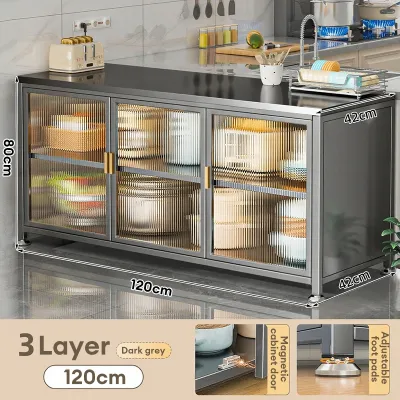
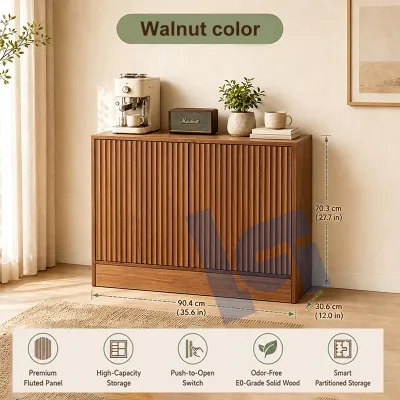
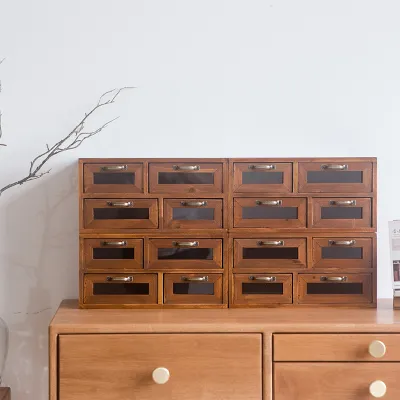
Prices are valid at publication and may change. Please refer to the product page for the latest price.
Space and Clearance Assessment
To ensure your new cabinet fits seamlessly, you must measure your available countertop depth, width, and vertical clearance. The vertical clearance—the distance between your countertop and the bottom of your upper hanging cabinets—is particularly critical in condo kitchens, where this gap is often narrow.
Always verify that the height of the cabinet allows for comfortable placement underneath your upper cupboards. Additionally, ensure the unit does not block task lighting, range hoods, or backsplash electrical outlets. If a cabinet covers an outlet, you may lose access to essential power sources for your rice cooker or microwave.
Material Suitability for Humid Climates
High humidity levels in the Philippines, especially during the rainy season, can severely impact kitchen furniture. Untreated solid wood is highly susceptible to warping, swelling, and mold growth when exposed to steam and moisture.
To ensure longevity, prioritize moisture-resistant materials. Powder-coated metal frames resist rust and are easy to wipe down. Treated bamboo offers a natural aesthetic while providing better moisture resistance than untreated softwoods. High-density engineered wood or MDF can also work well, provided it features high-quality, water-resistant edge banding and a protective laminate finish to prevent water from penetrating the core.
Weight Capacity and Stability
Before loading your cabinet with heavy items, check the manufacturer’s specified load limits. Countertop organizers often hold heavy glass jars, ceramic mugs, small appliances, or bulk dry goods like rice and flour.
An overloaded cabinet can sag, warp, or even collapse, potentially damaging your countertops and kitchenware. Ensure the unit features a sturdy frame with reinforced joints. If you plan to store heavier kitchen tools, look for solid metal supports or thick, reinforced shelving panels rather than thin plastic alternatives.
Accessibility vs. Protection
Choosing between open and enclosed storage is a balance of convenience and cleanliness. Open shelving units provide instant access to frequently used items like salt, pepper, and cooking oils. They make your kitchen feel open and airy, but they offer no protection against airborne grease, dust, and humidity.
Enclosed cabinet doors protect your ingredients and dinnerware from kitchen grime and moisture. However, they require adequate front clearance to allow the doors to swing open fully. If your countertop space is exceptionally tight, sliding doors or roll-up tambour doors offer a smart compromise, providing protection without requiring extra clearance.
Best Table Top Cabinet Designs to Maximize Kitchen Storage
Different kitchen layouts and storage pain points require specific organizational designs. Understanding the strengths and limitations of each style will help you choose the best fit for your daily cooking routine.

Tiered Countertop Shelving Units
Tiered countertop shelving units utilize vertical space by stacking items on multiple levels. These open or semi-open racks are highly versatile and fit easily into small, underutilized sections of your counter.
- Best Use Case: These units are ideal for organizing everyday items that you need to grab quickly, such as spices, coffee mugs, small condiment jars, and frequently used cooking ingredients.
- Key Features to Look For: Look for models with adjustable shelf heights to accommodate containers of various sizes. Expandable width frames are also highly beneficial, as they allow you to customize the horizontal footprint of the shelf to match your exact counter space.
- Limitations: Because these are open designs, items stored on them will collect kitchen grease and dust relatively quickly, especially if placed close to the stove. You will need to commit to regular wiping and dusting to keep the shelves and your containers clean.
Enclosed Countertop Pantry Cabinets
Enclosed countertop pantry cabinets function as miniature, self-contained cupboards that sit directly on your counter. They are excellent for maintaining a clean, minimalist look by hiding visual clutter behind solid or frosted doors.
- Best Use Case: These cabinets are perfect for creating a dedicated coffee or tea station, storing dry goods, or hiding small appliances like toasters, blenders, or hand mixers when they are not in use.
- Key Features to Look For: Look for units that combine different storage styles, such as lower pull-out drawers for utensils or tea bags, and upper shelves for taller canisters. Doors equipped with magnetic latches or soft-close hinges prevent slamming and ensure a secure seal against dust and pests.
- Limitations: Enclosed cabinets have a larger, uninterrupted counter footprint. They also require a clear space in front of them so the cabinet doors can swing open without hitting plates, prep boards, or other appliances.
Corner Carousel Countertop Organizers
Kitchen corners are notoriously difficult to utilize effectively, often becoming “dead zones” where items get pushed to the back and forgotten. Corner carousel organizers, or lazy Susans, solve this problem by making deep corner spaces easily accessible.
- Best Use Case: These are excellent for storing cooking oils, soy sauce, vinegars, and heavy condiment bottles. Instead of reaching deep into a dark corner, you simply spin the organizer to bring the item you need to the front.
- Key Features to Look For: Prioritize a smooth, heavy-duty rotating base with ball bearings that can spin easily even when fully loaded. Raised edges or guardrails are essential to prevent tall bottles from tipping over and falling off during rotation.
- Limitations: These units require a true 90-degree corner and sufficient depth to rotate freely. They are not suitable for narrow or shallow counter edges, where the circular shape might overhang or block adjacent workspaces.
Over-the-Sink Expandable Countertop Racks
Over-the-sink racks utilize the empty air space directly above your kitchen sink. This design allows you to expand your storage capacity without taking up any valuable food preparation space on your main countertops.
- Best Use Case: These racks are ideal for drying dishes, storing sponges, dish scrubbers, and hand soaps. Because they sit directly over the sink, any water drips straight into the drain, keeping your countertops dry and clean.
- Key Features to Look For: Look for adjustable frames that can expand horizontally to fit different sink widths. It is crucial to select units made from high-grade, rust-resistant materials, such as premium stainless steel or heavy-duty powder-coated iron, as they will be constantly exposed to water.
- Limitations: You must measure your sink width and faucet height with extreme care. The rack must not interfere with your faucet's range of motion, and it should leave enough clearance for you to wash large pots and pans comfortably underneath it.
Quick Comparison: Countertop Storage Solutions
To help you determine which design matches your kitchen layout and storage needs, refer to this quick comparison of the four primary countertop storage solutions.
| Cabinet Design | Best Use Case | Space Footprint | Grease/Dust Protection | Ideal For |
|---|---|---|---|---|
| Tiered Shelving | Spices, mugs, and daily condiment jars | Minimal to moderate; highly adjustable | None (open design) | Quick-access cooking essentials |
| Enclosed Pantry | Coffee stations, small appliances, and dry goods | Large; requires front clearance | High protection | Hiding clutter and protecting items |
| Corner Carousel | Oils, vinegars, and heavy sauce bottles | Moderate; requires deep corner space | Low protection | Utilizing awkward corner dead zones |
| Over-the-Sink Rack | Dish drying, sponges, and dish soap | Zero counter footprint (uses sink area) | None (exposed to air) | Maximizing space in ultra-small kitchens |
Essential Measurements and Safety Checks Before You Buy
To avoid the hassle of returns or accidental damage to your kitchen, perform these essential measurements and safety checks before making your purchase.
Clearance and Interference Check
When planning where to place your table top cabinet, trace the movement of all moving parts. Verify that cabinet doors, drawers, or pull-out trays will not strike your backsplash, wall outlets, light switches, or adjacent appliances when fully extended.
Additionally, check that the cabinet does not block the opening path of your refrigerator door or the microwave door. If your countertop is close to a window, ensure the cabinet will not prevent you from opening or closing the window latch.
Appliance Garage Verification
If you plan to use your table top cabinet as an “appliance garage” to house a microwave, air fryer, toaster, or rice cooker, safety must be your top priority. These appliances generate significant heat and steam during operation.
Always check the appliance manufacturer’s manual for required ventilation clearances. Most manufacturers recommend leaving at least 5 to 10 centimeters of free space around the sides, back, and top of the appliance to prevent overheating. Never operate heat-producing appliances inside a fully enclosed wooden cabinet unless the cabinet is specifically designed with open ventilation panels or heat-resistant backing.
Anti-Slip and Stability Measures
Condo countertops are typically made of smooth materials like polished granite, quartz, or glazed tiles. A lightweight table top cabinet can easily slide or shift when you pull open a drawer or grab an item in a hurry.
To prevent sliding and protect your countertops from scratches, use non-slip silicone mats, adhesive putty, or rubber counter-grip pads under the feet of the cabinet. If you live in an area prone to seismic activity, securing the cabinet with removable adhesive mounting strips can provide extra peace of mind without damaging your kitchen walls.
Weight Distribution
Proper weight distribution is key to maintaining the structural integrity of your cabinet and preventing tip-over accidents. Always place your heaviest items—such as glass storage jars, heavy ceramic bowls, or small kitchen appliances—on the bottom tier or lower shelves.
This lowers the unit’s center of gravity, making it much more stable. Lighter items, such as spices, tea bags, and paper towels, should go on the upper shelves. Avoid overloading one side of the cabinet; distribute weight evenly across the shelves to prevent the frame from leaning or warping over time.
Frequently Asked Questions (FAQ)
Can I place a table top cabinet near the gas stove?
Placing a table top cabinet too close to a gas stove carries significant safety risks. The intense heat and open flames from a gas range can warp wooden panels, melt plastic components, scorch painted finishes, or degrade the adhesives holding engineered wood together. Maintain a safe clearance distance as recommended by your stove and cabinet manufacturers—typically at least 30 centimeters of lateral clearance from the edge of the stovetop. Additionally, never store highly flammable items, such as cooking sprays, aerosol cans, paper towels, or plastic wraps, in open countertop organizers located near your cooking flames.
How do I clean grease buildup on countertop cabinets?
To clean grease buildup on your countertop cabinets, use a mild, non-abrasive degreaser or a simple mixture of warm water and mild dish soap. Dampen a soft microfiber cloth with the soapy water, wring out the excess moisture, and gently wipe down the cabinet surfaces. Avoid using harsh chemical cleaners, bleach, steel wool, or abrasive scrubbing pads, as these can strip protective powder coatings, scratch metals, or ruin delicate wood finishes. To prevent stubborn, baked-on grease from accumulating, make it a habit to wipe down your table top cabinets once a week, especially if they are positioned near your cooking area.
Community discussion
Share your experience or ask a question. Comments are reviewed before publication.