
Modern living spaces in the Philippines are undergoing a quiet design renaissance. The days of heavy, dark, over-carved wooden furniture that dominated ancestral homes are giving way to a refined contemporary aesthetic. Today, homeowners seek a balance between cultural heritage and minimalist functionality, making a thoughtfully designed table with chair set crafted from local materials the ultimate focal point for a modern living room. By pairing indigenous textures with clean lines, these furniture pieces offer a sophisticated, breathable, and deeply personal alternative to mass-produced imports.
Integrating local materials into contemporary design is more than an aesthetic preference; it is a practical response to tropical living. Materials like rattan, solid hardwoods, and woven fibers naturally adapt to the local climate, offering breathability and resilience that synthetic alternatives cannot match. When selected with an eye for clean silhouettes and structural integrity, these pieces transform a standard living room into an airy, inviting sanctuary that celebrates local artistry.
Choosing the right table with chair set requires looking beyond surface-level appeal. High-quality modern furniture must balance visual lightness with robust daily usability. Understanding the unique characteristics of local materials, identifying superior craftsmanship, and planning your layout carefully will ensure that your investment remains a beautiful and functional part of your home for decades.
Products mentioned in this guide
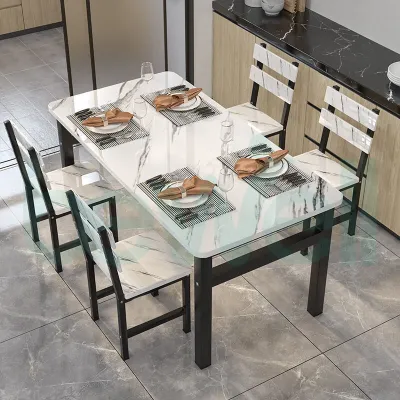
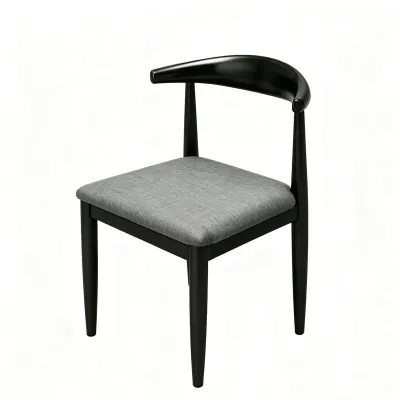
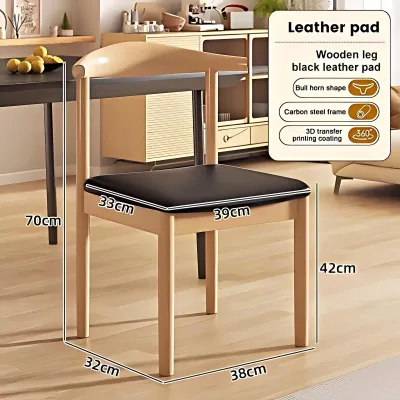

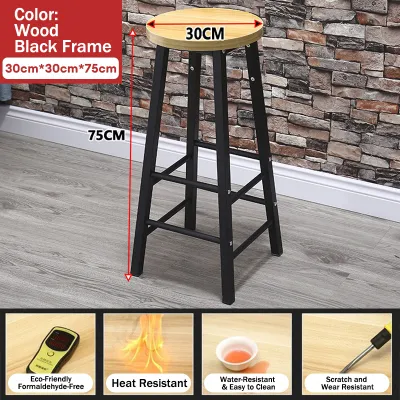
Prices are valid at publication and may change. Please refer to the product page for the latest price.
Top Local Materials for Your Table with Chair Set
When exploring options for a contemporary table with chair set, the choice of material dictates both the visual weight and the structural longevity of the furniture. The Philippine archipelago is rich in diverse, high-quality natural resources that local artisans have perfected over generations. Selecting the right material involves matching its natural properties with your household’s lifestyle and aesthetic goals.
Rattan and Wicker: Lightweight Texture and Flexibility
Rattan remains one of the most versatile and celebrated materials in tropical design. Unlike solid wood, rattan stems are incredibly flexible when heated, allowing designers to create organic curves, sweeping backrests, and intricate geometric patterns that soften the sharp angles of modern architecture. This flexibility brings a unique visual warmth and textured contrast when paired with smooth, modern surfaces like polished concrete floors, matte metal accents, or glass tabletops.
Beyond its organic beauty, rattan is remarkably lightweight. This makes a rattan table with chair set exceptionally easy to reconfigure, allowing you to adapt your living room layout for social gatherings, quiet reading, or cleaning. Wicker, which refers to the weaving process rather than the material itself, can utilize rattan peels or other natural fibers to create breathable backrests and seats that promote airflow, keeping you cool during warm tropical afternoons.
However, the quality of rattan furniture depends heavily on the processing and weaving standards. Poorly prepared rattan can split, and loose weaving can quickly unravel under daily use. When evaluating these pieces, it is essential to check the tightness and uniformity of the weave, ensuring there are no exposed fiber ends or weak structural joints that could compromise the set over time.
Narra and Philippine Mahogany: Solid Wood Statement Pieces
For those seeking a sense of permanence and grounding in their living room, solid local hardwoods are unmatched. Narra, celebrated for its rich golden-red hues and intricate grain patterns, and Philippine Mahogany (often referring to local Shorea species) provide exceptional structural density. These woods excel as solid table bases, statement console tables, or heavy-duty chair frames that anchor an open-plan living space with natural authority.
Each piece of solid hardwood furniture tells a story through its unique knots, growth rings, and natural color variations. In a modern living room, a minimalist solid wood table paired with streamlined chairs creates a striking balance between rustic warmth and contemporary restraint. These hardwoods are highly durable and can withstand heavy daily use, making them excellent heirlooms.
It is crucial to understand that the wood species alone does not guarantee a lifetime of durability. Because the climate in the Philippines experiences dramatic shifts in humidity between the dry and wet seasons, solid wood must be properly seasoned. You must verify that the wood has undergone a thorough kiln-drying process to reduce its moisture content to an optimal level (typically around 10% to 12%), which prevents warping, checking, or splitting when exposed to indoor air conditioning.
Bamboo and Abaca: Sustainable Woven Accents
For the environmentally conscious homeowner, bamboo and abaca represent the pinnacle of sustainable luxury. Bamboo boasts an incredibly rapid growth cycle and a high tensile strength that rivals steel, making it an excellent resource for clean, linear furniture designs. Modern designers utilize laminated bamboo or engineered bamboo boards to create sleek, minimalist tabletops and geometric chair frames that fit seamlessly into Scandinavian-Filipino or Japandi-style interiors.
Abaca, harvested from a relative of the banana plant, yields some of the strongest natural fibers in the world. Traditionally used for marine cordage, abaca is woven into incredibly durable chair seats, backrests, or decorative table inlays. The fiber introduces an organic softness and a multi-toned, earthy texture that beautifully offsets rigid wooden or metal frames.
When choosing bamboo or abaca furniture, proper preservation is key. Untreated bamboo is highly susceptible to moisture damage and wood-boring insects, commonly known locally as bukbok. Ensure the manufacturer has treated the raw materials with eco-friendly borate solutions or protective sealants to guarantee long-term resistance to pests and decay.
Design Elements That Define Modern Filipino Aesthetics
Modern Filipino design is distinct from traditional rustic styles. While traditional furniture often features heavy, dark finishes and ornate, Spanish-influenced carvings, the contemporary approach prioritizes clean silhouettes, functional simplicity, and uncluttered lines. This restraint allows the natural beauty of the local materials to take center stage without overwhelming the visual flow of a modern home.

One of the defining characteristics of this aesthetic is the clever use of mixed-media construction. Designers frequently pair warm, organic elements with cool, industrial materials. For example, a table with chair set might feature a solid mahogany tabletop supported by slim, powder-coated matte black steel legs, paired with chairs that combine steel frames with woven abaca backrests. This contrast prevents the space from looking overly rustic, establishing a sophisticated urban edge.
Low-profile designs and modular configurations are also central to the modern tropical look. Low-slung chairs and coffee-height tables keep sightlines clear, which is particularly beneficial for maximizing the feel of open-plan living areas and high-rise condominiums. These pieces emphasize horizontal lines, creating a relaxed, lounge-like atmosphere that encourages unhurried conversation.
Finally, ergonomics must never be sacrificed for style. Modern Filipino furniture is designed for comfort, recognizing that the living room is a place of rest. Look for chairs with subtle backrest curves that support the lumbar spine, and ensure that woven seats offer a slight, comfortable give. Upholstery, when used, should feature breathable, natural fabrics like linen or cotton blends in neutral tones to complement the organic warmth of the wood and rattan.
How to Inspect Craftsmanship and Structural Quality
Investing in a high-quality table with chair set requires a discerning eye during the inspection process. Because many local pieces are handcrafted by artisans rather than mass-produced in automated factories, minor variations are natural, but structural integrity must remain uncompromised. Knowing what to look for will help you distinguish a masterfully built set from a superficial imitation.
- Examine the Wood Joinery: High-end wooden furniture relies on traditional joinery techniques such as mortise-and-tenon, dowel joints, or dovetails. These methods distribute weight and stress evenly across the wood fibers. Avoid pieces that rely heavily on visible nails, staples, or thick pools of yellow wood glue, as these are indicators of rushed construction and are prone to failing over time.
- Test the Stability and Balance: Place the table and chairs on a completely flat surface and apply firm downward pressure on different corners. There should be absolutely no wobbling or uneven shifting. Sit in the chairs and gently sway from side to side; any creaking, flexing, or joint movement indicates weak internal fastening.
- Inspect Woven Elements thoroughly: Run your hands along the woven rattan, wicker, or abaca surfaces. The weave should feel tight, uniform, and smooth, without sharp protruding ends or loose fibers. Check the underside of the seat to ensure the weaving is securely anchored to the main frame and supported by secondary bracing if designed for heavy load capacities.
- Check the Finish and Sealing: A high-quality finish protects the wood and fibers from moisture absorption and staining. The surface should feel smooth to the touch, with an even sheen across the entire piece. Look closely at joints and crevices to ensure the sealant has been applied uniformly, without unsightly drips, bubbles, or dry patches.
Space Planning and Sizing for Living Room Layouts
Before finalizing your purchase, careful space planning is essential to ensure your new table with chair set fits harmoniously within your living room. A beautifully crafted set can easily lose its appeal if it crowds the room or disrupts the natural flow of foot traffic. Measuring your space and understanding standard furniture clearances will help you make an informed decision.
To maintain a comfortable and functional living room, aim for a minimum clearance of 60 to 90 centimeters around your seating area. This provides enough space for family members to walk past without having to squeeze through or disturb those who are seated. If your table with chair set is positioned near a doorway or a main walkway, try to maximize this clearance to keep the transition zones open and airy.
Scaling the heights of your furniture is equally important, especially if you are mixing custom local pieces with existing modern items. Standard dining table heights sit around 75 centimeters, with matching chair seats at approximately 45 centimeters. If you are opting for a more casual, lounge-style coffee table and accent chair set, the table height should align closely with or sit slightly lower than the seat cushions of your chairs, typically ranging between 40 to 45 centimeters.
| Seating Configuration | Ideal Room Size | Recommended Clearance | Best Material Match |
|---|---|---|---|
| Compact Bistro Set (1 Table, 2 Chairs) | Small Condos / Nooks | 60 cm around set | Rattan or Engineered Bamboo |
| Medium Lounge Set (1 Low Table, 2-4 Accent Chairs) | Standard Living Rooms | 75 cm around set | Solid Wood Frame with Abaca Weave |
| Expansive Console & Seating Set | Large Open-Plan Homes | 90 cm+ for main pathways | Solid Narra or Mahogany statement pieces |
Lastly, do not forget to measure the logistics path before ordering. Solid wood tables and rigid rattan frames cannot be disassembled easily. Measure the width and height of your front door, apartment hallways, stairwells, and elevator cabins to ensure the delivery team can safely transport your furniture into your home without damaging the pieces or your walls.
Caring for Indigenous Wood and Woven Furniture
The tropical climate of the Philippines, characterized by high humidity and intense sunlight, requires specific care routines to preserve the beauty and structural strength of natural materials. Implementing simple, non-invasive maintenance habits will protect your furniture from premature aging, cracking, or mold.
For daily cleaning, avoid harsh chemical sprays or soaking the furniture with water. Instead, use a dry or slightly damp microfiber cloth to wipe down solid wood surfaces. For woven rattan, wicker, or abaca, dust can easily accumulate in the tight crevices. Use a soft-bristled brush or a vacuum cleaner equipped with a soft brush attachment to gently dislodge dust and debris without fraying the delicate fibers.
To maintain the rich luster of solid hardwoods like Narra or Mahogany, periodic conditioning is highly beneficial. Apply a high-quality natural furniture wax or specialized wood oil every six to twelve months, following the manufacturer’s care instructions. This replenishes the wood’s natural moisture, preventing it from drying out and cracking during hot, dry spells or when subjected to continuous air conditioning.
Environmental control is your best defense against material degradation. Avoid placing natural wood and woven furniture in direct path of midday sunlight streaming through glass windows, as intense UV rays can fade colors and embrittle fibers. If your living room is prone to high humidity during the monsoon season, ensure adequate ventilation by utilizing ceiling fans or running a dehumidifier to prevent mold spores from settling on the natural fibers.
Sourcing Authentic Local Furniture Makers
Finding the perfect modern Filipino table with chair set involves connecting with reputable local makers who prioritize sustainable sourcing and ethical craftsmanship. By bypassing mass-market retailers, you gain access to superior materials and support the preservation of traditional artisan skills across the country.
Exploring established design hubs is an excellent starting point. Regions like Cebu are globally recognized for world-class rattan manipulation and weaving techniques, while Pampanga is celebrated for its masterful wood carving and joinery. Many contemporary designers based in Metro Manila collaborate directly with these regional artisans, showcasing curated collections in design districts and local furniture exhibitions.
If you have specific space constraints or a unique design vision, commissioning a custom piece is a highly rewarding path. When working with a custom maker, provide clear dimensions, reference photos of the desired modern silhouette, and discuss how the piece will be used. A professional maker will guide you on material suitability and structural design to ensure your vision translates into a durable reality.
Always ask potential makers for transparency regarding their material origins and treatment processes. Reputable craftspeople will gladly explain how their wood is sourced, verify that their timber is legally harvested under local forestry regulations, detail their kiln-drying and pest-treatment protocols, and offer clear structural warranties for peace of mind.
Frequently Asked Questions (FAQ)
Can I mix different local materials in one living room set?
Yes, mixing different local materials can create a rich, layered aesthetic that feels curated over time rather than matchy-matchy. To do this successfully, maintain a cohesive design thread, such as a consistent wood undertone or a shared geometric silhouette. For example, you can pair a solid, clean-lined Mahogany coffee table with lightweight rattan accent chairs, provided the wood stains complement each other. Utilizing neutral-colored cushions or a textured area rug can also help bridge the visual gap between different natural textures.
How do I prevent mold on rattan and bamboo in humid weather?
Preventing mold on natural fibers requires managing moisture and airflow. Ensure your living room has consistent air circulation by opening windows on dry days or using fans. Avoid placing woven furniture in dark, damp, or unventilated corners of the room. During the rainy season, keep a close eye on the furniture and wipe down any damp areas immediately with a dry cloth. If you notice early signs of mold, wipe the affected area with a soft cloth lightly dampened with a mild, eco-friendly soapy solution, dry it thoroughly in a well-ventilated area, and consult the manufacturer’s care guide for approved protective sealants.
Community discussion
Share your experience or ask a question. Comments are reviewed before publication.