
Finding the perfect balance between style and utility in a compact living space is a common challenge for urban homes in the Philippines. The rising popularity of the Japandi aesthetic—a harmonious blend of Japanese minimalism and Scandinavian functionality—offers an elegant solution. At the center of this design movement is the lazy sofa tatami foldable bed, a versatile piece of furniture that serves as a stylish sofa by day and transitions into a comfortable sleeping surface by night.
Choosing the right lazy sofa tatami foldable bed requires careful consideration of both form and function. It is not simply about finding a low-profile mattress; you must evaluate how the piece complements your living room’s visual weight, fits within your physical floor plan, and withstands the challenges of a humid tropical climate. By focusing on authentic design elements, structural integrity, and smart material choices, you can create a serene, clutter-free environment that maximizes every square meter of your home.
Core Features of Authentic Japandi Tatami Foldable Beds
The Japandi design movement relies on a deliberate fusion of two distinct yet highly compatible design philosophies. From Japanese interiors, it adopts the concept of wabi-sabi, which finds beauty in simplicity, natural imperfections, and uncluttered space. From Scandinavian design, it integrates hygge, which prioritizes warmth, comfort, and practical everyday functionality. When these two philosophies meet in a foldable bed, they create a piece of furniture that is both highly utilitarian and visually calming.
Products mentioned in this guide
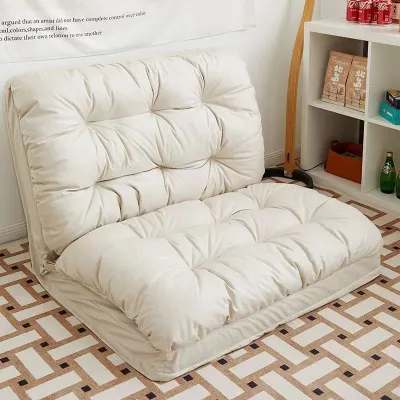


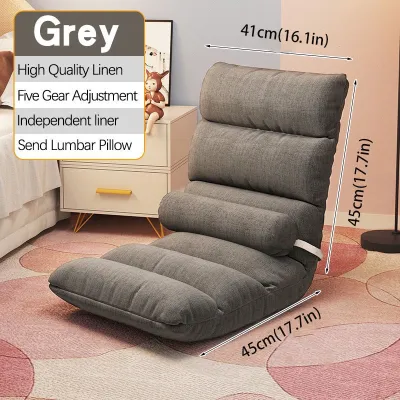



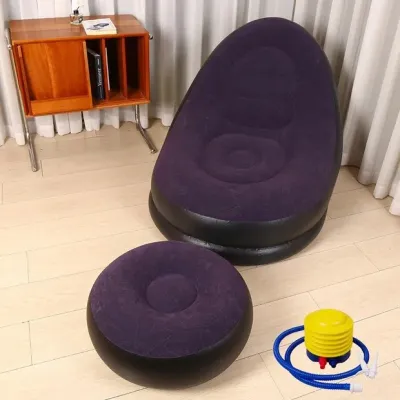
Prices are valid at publication and may change. Please refer to the product page for the latest price.
To identify a true Japandi tatami foldable bed, look first at its silhouette and color palette. Authentic pieces feature low-profile frames that sit close to the ground, reflecting the traditional Japanese preference for floor-level living. The color palette is strictly restrained, leaning heavily on neutral and earthy tones such as warm whites, soft greys, muted sand, and gentle olive greens. These shades reflect natural light beautifully, helping to make small living rooms feel open and airy.
The concepts of “tatami” and “lazy sofa” are central to this design. Traditionally, tatami mats provided a firm, breathable foundation for sitting and sleeping. Modern interpretations translate this into low-profile, multi-functional seating that encourages a grounded lifestyle. A lazy sofa design allows for casual, relaxed lounging while maintaining a clean, structured appearance when folded. This flexibility is particularly valuable in modern Philippine homes, where a single living room often serves as an office, a relaxation hub, and a guest bedroom.
Material selection is another critical marker of the Japandi style. Authentic designs prioritize natural textures over highly polished or synthetic finishes. Look for frames crafted from light-toned woods or woven natural fibers, paired with upholstery made from linen or heavy cotton blends. These tactile surfaces add warmth and depth to a room without relying on loud patterns or ornamental details. By keeping the materials simple and close to their natural state, the furniture maintains its calming, organic presence.
Top Japandi Foldable Bed Styles for Your Living Room
When shopping for a lazy sofa tatami foldable bed, you will generally find three primary design categories that align with the Japandi aesthetic. Each style offers unique structural advantages and visual characteristics, allowing you to choose the option that best matches your personal taste and daily lifestyle needs.

Low-Profile Solid Wood Futon Frames
Low-profile solid wood futon frames represent the classic intersection of Japanese sleeping traditions and Scandinavian woodworking. These designs typically feature a light-toned wooden frame—often constructed from oak, ash, rubberwood, or bamboo-style timber—paired with a thick, foldable mattress. The slatted base sits just a few inches off the floor, providing a sturdy, elevated platform that keeps the mattress clean while maintaining a grounded aesthetic.
The folding mechanism of these frames is straightforward yet highly effective. Most designs utilize a tri-fold or bi-fold hinge system that allows the backrest to lock into multiple upright angles for sitting, reclining, or laying completely flat. To transition the sofa into a bed, you simply release the locking mechanism and slide the frame forward. This mechanical simplicity ensures long-term durability, as there are fewer complex parts to wear out over time.
Before purchasing a solid wood futon frame, it is essential to verify its structural specifications. Check the manufacturer’s stated weight capacity to ensure it can safely support multiple seated adults and overnight guests. Examine the spacing of the wooden slats; slats spaced too far apart can cause the mattress to sag, reducing comfort and accelerating wear. Additionally, test or inquire about the smoothness of the folding hinges to ensure you can operate the transition easily without straining the wooden joints.
The primary aesthetic benefit of a solid wood frame is the natural warmth it introduces to your living room. The visible wood grain and organic textures break up the monotony of painted walls, creating a cozy, inviting focal point. Because the frame features a clean, slatted design, it allows light and air to pass through, preventing the furniture from looking too heavy or bulky in a compact room.
Modular Linen Floor-Level Lazy Sofas
For a softer, more casual interpretation of the Japandi style, modular linen floor-level lazy sofas offer exceptional flexibility. These pieces do not rely on a rigid wooden frame; instead, they consist of dense, high-resiliency foam cushions covered in natural linen or cotton-blend fabrics. They sit directly on the floor, embodying the ultimate relaxed, low-profile lounging experience.
Most modular lazy sofas feature internal metal gear mechanisms embedded within the foam structure. These gears allow you to adjust the angle of the backrest and headrest through multiple clicking positions, ranging from a supportive 90-degree angle for reading to a completely flat 180-degree position for sleeping. This adjustable design makes it easy to customize your comfort level whether you are working on a laptop, watching a movie, or hosting an overnight guest.
Because these sofas sit directly on the floor, they are more exposed to dust, pet hair, and accidental spills. Therefore, it is crucial to verify that the model you choose features removable, machine-washable covers. Look for heavy-duty zippers and durable inner linings that protect the foam core when the outer cover is being cleaned. Opting for water-resistant or stain-treated linen blends can also help extend the life of the fabric in a busy household.
The spatial advantage of modular floor sofas cannot be overstated. Because they consist of individual lightweight sections, you can easily separate them to create individual armchairs or push them together to form a large sectional or a queen-sized sleeping surface. This adaptability is perfect for dynamic living spaces where layout requirements change frequently.
Minimalist Rattan and Wicker Foldable Daybeds
Minimalist rattan and wicker foldable daybeds offer a beautiful way to adapt the Japandi aesthetic to the tropical climate of the Philippines. By incorporating traditional local materials like woven rattan or wicker into clean, minimalist silhouettes, these daybeds bridge the gap between Nordic simplicity and tropical warmth.
The defining feature of this style is the use of woven webbing along the sides, backrest, or base of the frame. This woven structure provides a distinct functional benefit in hot and humid environments: outstanding breathability. Unlike solid wood or fully upholstered bases that can trap heat and body moisture, the open weave of rattan allows air to circulate freely beneath and around the cushions, keeping you cooler during warm afternoons.
When inspecting a rattan or wicker daybed, pay close attention to the quality of the craftsmanship. Run your hand along the woven surfaces to check for tightness and consistency. Ensure there are no loose ends, sharp protrusions, or rough splinters that could snag delicate clothing fabrics, tear mattress covers, or cause minor skin irritation. High-quality frames will have a smooth, protective clear coat that seals the natural fibers without masking their organic color.
To keep this style firmly within the Japandi design realm, the overall silhouette of the daybed must remain highly disciplined. Avoid overly ornate, curved, or bohemian-style peacock patterns often associated with traditional tropical furniture. Instead, look for straight lines, square corners, and simple geometric frames where the rattan serves as a subtle, textured accent rather than a loud decorative statement.
Space Planning and Sizing for Philippine Living Rooms
Integrating a multi-functional piece of furniture like a lazy sofa tatami foldable bed requires careful spatial planning. Because this item serves two entirely different purposes, you must plan for its “dual footprint.” This means measuring both the space required when the bed is folded into its compact sofa configuration and the maximum clearance needed when it is fully extended into a flat bed.
Start by measuring your living room’s available floor area. When the sofa is folded, it should sit comfortably against the wall or in its designated zone without blocking doorways, electrical outlets, or built-in cabinets. Next, project the dimensions of the fully unfolded bed onto the floor using painter’s tape. This visual aid allows you to see exactly how much space remains for walking and whether you will need to temporarily move other furniture, such as coffee tables or side chairs, when preparing the bed for guests.
Another critical factor that is often overlooked is the delivery pathway. Many modern residential developments and condominiums in Metro Manila have strict space limitations in communal areas. Before finalizing your purchase, measure the height and width of your building’s elevator doors, the clearance of tight stairwell turns, and the width of your apartment’s front door frame. Choosing a modular design or a flat-packed frame that requires on-site assembly can save you from the frustration of a delivery that cannot physically enter your home.
In addition to physical clearance, consider the visual weight and proportion of the furniture. Low-profile tatami beds are incredibly effective at making small spaces feel larger because they leave more open vertical space between the top of the furniture and the ceiling. This low visual profile creates an illusion of higher ceilings and a more open atmosphere. To maintain this sense of spaciousness, aim to leave a clear walkway of at least 60 to 90 centimeters around the sides and foot of the bed when it is fully extended. This ensures safe movement throughout the room and makes the process of changing bed linens much easier.
Material Care and Climate Considerations for Tropical Homes
Operating floor-level or low-profile furniture in a tropical climate like the Philippines presents unique maintenance challenges. High relative humidity, seasonal monsoons, and elevated indoor temperatures create an environment where moisture can easily become trapped, leading to mold, mildew, and material degradation if left unchecked.
The primary risk with floor-level lazy sofas and tatami mats is the lack of airflow beneath the mattress. When a mattress sits directly on a solid floor, body heat and environmental moisture have nowhere to escape, creating a damp microclimate underneath. To prevent this, it is highly recommended to place your foldable mattress on a slatted bed base rather than directly on the floor or a solid mat. The gaps between the wooden slats allow air to circulate continuously, keeping both the mattress and your flooring dry.
If you prefer the direct floor-level look of a modular foam sofa, you must establish a regular maintenance routine to manage moisture. At least once a week, fold the sofa back or prop the cushions up against a wall to let the bottom surface and the floor beneath it breathe. Opening windows to encourage cross-ventilation, using ceiling fans, or running a dehumidifier in your living room during the rainy season can significantly reduce the risk of mold formation.
Caring for the natural materials used in Japandi furniture requires a gentle touch. For solid wood, rattan, and wicker frames, routine cleaning should involve dusting with a soft, dry microfiber cloth. Avoid using wet cloths or harsh chemical cleaners, as excessive moisture and strong detergents can strip away the natural protective oils of the wood and cause rattan fibers to swell or split. For fabric covers, vacuum them regularly using an upholstery brush attachment to remove dust mites and skin cells that accumulate more quickly in warm climates.
Before applying any DIY cleaning solutions, fabric protectors, wood oils, or moisture-barrier sprays, always read the manufacturer’s specific care labels and warranty terms. Some finishes can react poorly to home remedies, potentially voiding your warranty or permanently discoloring the material. If you encounter persistent mold growth, structural warping of the wooden frame, or deep fabric stains, stop using temporary fixes and consult a professional upholstery or furniture restoration service to prevent further damage.
Frequently Asked Questions (FAQ)
Can a tatami foldable bed be used as a primary sleeping solution?
Yes, a high-quality tatami foldable bed can serve as a primary sleeping solution, provided you choose the right mattress density and support system. For daily use, avoid thin, low-density foam cushions, which can compress fully under your body weight and lead to spinal misalignment. Instead, opt for high-density foam, latex, or a traditional firm cotton futon paired with a supportive slatted wooden frame. It is also important to consider your personal mobility; because these beds are low to the ground, getting in and out of them requires more physical effort, which may not be suitable for individuals with joint pain or limited mobility.
How do I prevent a floor-level sofa bed from getting moldy?
Preventing mold on a floor-level sofa bed requires active moisture management and consistent airflow. Make it a habit to lift the mattress or fold the sofa back regularly—ideally once a week—to allow trapped humidity to evaporate from both the fabric and the floor. Keep the living room well-ventilated by using fans, air conditioning, or a dehumidifier, especially during the humid monsoon months. Additionally, avoid pushing the sofa bed directly flush against exterior walls, as temperature differences between the indoor air and the outside wall can cause hidden condensation to build up behind the furniture.
Community discussion
Share your experience or ask a question. Comments are reviewed before publication.