
Selecting the right underbed storage box for a move in the Philippines requires balancing immediate packing needs with long-term storage conditions. During a transition, these containers must survive the physical rigors of transport, loading, and unloading. Once you arrive at your destination, they transition into permanent storage solutions that must protect your belongings from the country’s high humidity, dust, and seasonal pests. Choosing the correct material, size, and structural design ensures your items remain safe during transit and pristine in your new home.
While standard moving boxes are discarded after unpacking, underbed storage boxes are an investment in space optimization. They allow you to utilize the often-wasted footprint beneath your bed frame, which is particularly valuable in compact condominiums and townhouses across metropolitan areas. By understanding the specific demands of both the moving process and the tropical climate, you can select containers that protect your investments and simplify your relocation.
Quick Guide: Choosing Underbed Storage for Your Move
During a household move, underbed storage boxes serve a dual purpose. First, they act as durable transit chests that protect fragile or loose items from shifting inside the moving truck. Second, they serve as immediate, zero-assembly organization units that slide directly under your bed in the new home, eliminating the need to unpack every single item on moving day. This makes them highly efficient for organizing off-season apparel, spare linens, and heavy household goods.
Products mentioned in this guide
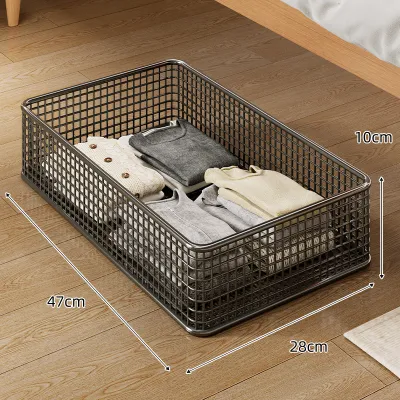
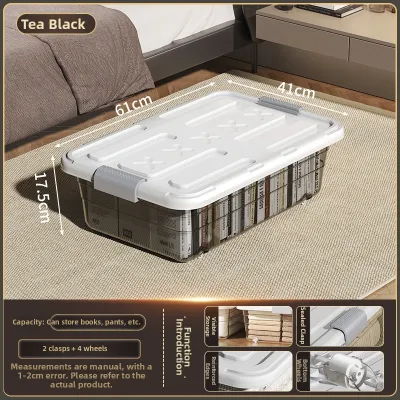
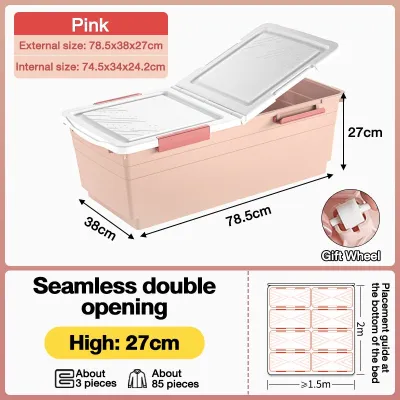
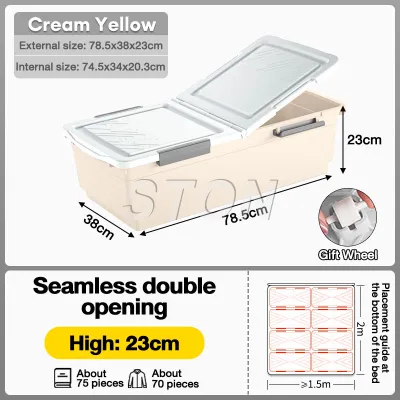
![[1-3Pcs] Under Bed Storage Box Large-Capacity Wardrob Quilt Underbed Storage Box Organizer with Wheels Home Flat Toy Storage Container with Lid](https://img.lazcdn.com/g/p/2fd244b452b64a8cb7b740a8d1e743b3.jpg_400x400q80.jpg_.webp)
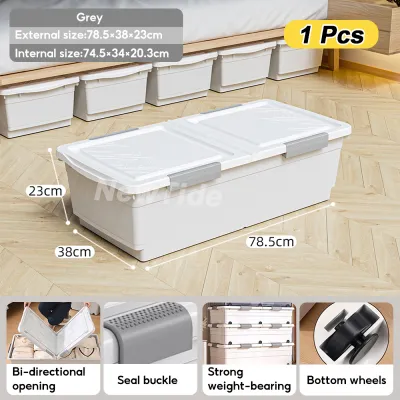
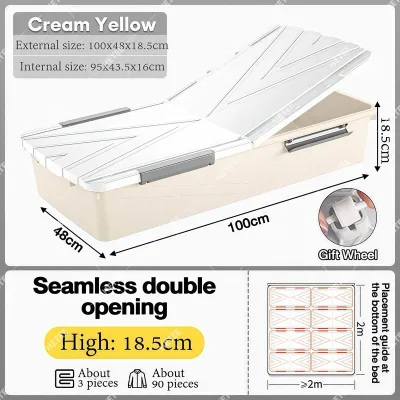
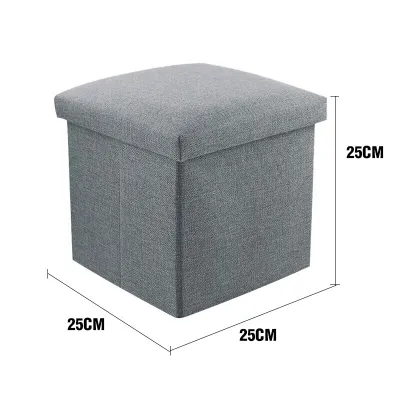
Prices are valid at publication and may change. Please refer to the product page for the latest price.
To choose the right option, you must evaluate three primary decision factors: structural durability, moisture resistance, and physical dimensions. The physical demands of a move require containers that can withstand stacking pressure without cracking or collapsing. Simultaneously, the local climate demands high resistance to ambient moisture to prevent mold growth during transit and long-term storage. Finally, the box must match the exact clearance height of your bed frame to ensure it slides in and out smoothly.
Your choice should ultimately depend on the specific categories of items you plan to pack. Heavy, dense, or fragile items require the rigid protection of hard plastic bins. Conversely, lightweight, compressible items like blankets, pillows, and clothing are better suited for reinforced fabric containers or vacuum-seal bags. Matching the container type to your belongings prevents damage to both the items and the storage boxes themselves.
Crucial Features for Moving and Tropical Climates
Moisture and Pest Protection
The tropical climate of the Philippines presents unique challenges for home storage, characterized by high relative humidity that often exceeds 80% during the monsoon season. When packing items for a move, any trapped moisture can quickly lead to mold, mildew, and musty odors. Therefore, look for underbed storage boxes that feature fully enclosed designs, secure latching lids, or heavy-duty zippers.

For maximum protection, hard plastic bins with integrated rubber gaskets or foam seals along the lid rim offer an airtight barrier against ambient humidity. If you opt for fabric bins, ensure they feature tight-weave synthetic materials and robust zippers that leave no gaps. These sealing mechanisms do double duty by keeping out common household pests, such as ants, silverfish, and cockroaches, which frequently seek out dark, undisturbed spaces beneath bed frames.
Structural Integrity and Handles
Moving involves significant physical handling, including lifting, carrying down narrow stairwells, and stacking inside a moving vehicle. Underbed boxes must possess high structural integrity to survive these forces. For plastic models, inspect the corners and base for reinforced ribbing, which prevents the plastic from flexing or cracking under heavy loads.
Handles are a critical failure point during a move. Avoid containers with flimsy, single-stitched fabric pull-tabs or thin plastic latches that snap under tension. Instead, prioritize fabric bins with reinforced, cross-stitched handles that wrap underneath the body of the container to distribute weight evenly. For plastic bins, look for ergonomic, molded snap-locks that secure the lid tightly while providing a comfortable grip for lifting.
Mobility vs. Stability
Deciding between wheeled underbed boxes and flat-bottomed models requires analyzing your moving path and flooring types. Wheeled boxes are highly advantageous if you are moving between high-rise condominiums with smooth tiled or hardwood floors and spacious elevators. They allow you to roll heavy loads effortlessly from the bedroom to the loading dock, reducing physical strain on your back.
However, wheels can compromise stability inside a moving truck. Without proper securing, wheeled containers can roll, slide, and collide with other furniture during transit, potentially causing damage. If you choose wheeled variants, verify if the wheels are detachable or feature built-in locks. Flat-bottomed boxes, on the other hand, provide superior stability when stacked in a truck and are much easier to carry up and down stairs, though they require more effort to slide across floors.
Material Transparency and Labeling
Unpacking after a move can take days or even weeks, making quick inventory identification essential. Underbed storage boxes made of clear, transparent plastic allow you to see the contents instantly from any angle without opening the lid. This minimizes the need to unlatch and expose your packed items to humid air repeatedly.
For fabric or canvas bins, look for models that feature clear PVC viewing windows on the front or sides. If you prefer opaque designs for a cleaner aesthetic, ensure the boxes have integrated label slots or a flat, smooth surface where you can securely apply masking tape or adhesive labels. Clearly marking the contents and the target room on the outside of each box will save significant time during the unpacking phase.
Recommended Underbed Storage Types for Different Belongings
Heavy-Duty Hard Plastic Bins with Wheels
Heavy-duty hard plastic bins are the most protective option available for underbed storage. Typically constructed from thick polypropylene, these rigid containers provide a solid, crush-proof barrier that shields delicate or heavy items from external pressure. This makes them highly suitable for stacking at the bottom of a moving truck, where lighter items can be placed safely on top of them.
- Best For: Heavy books, footwear, small household appliances, electronics, and fragile keepsakes that require rigid protection.
- Key Advantages: These bins offer an exceptional moisture barrier, protecting contents from water damage, spills, and high humidity. They are incredibly easy to wipe clean with a damp cloth if they accumulate dust during the move. The integrated wheels allow you to slide heavy loads out from under the bed with minimal effort, protecting your floors from scratches.
- Buying Checklist & Limitations: Before purchasing, check the manufacturer's label for the maximum weight capacity to avoid overloading and cracking the base. Note that hard plastic containers are rigid and cannot be compressed; they will occupy the exact same volume in the moving vehicle even if they are only half-full. Always measure the clearance height of your bed frame, taking into account the extra height added by the wheels, which typically ranges from 1 to 2 inches.
In the Philippine market, high-quality plastic underbed bins generally fall within a broad price band of ₱500 to ₱1,500 per unit, depending on the volume capacity (typically 30 to 60 liters) and the inclusion of premium features like multi-directional wheels and gasket seals.
Reinforced Fabric and Canvas Bins with Clear Windows
Reinforced fabric and canvas bins offer a lightweight, flexible alternative to rigid plastic. These containers are often constructed from high-denier synthetic fabrics, such as 600D Oxford polyester, which provides excellent tear resistance while remaining breathable. Many models feature internal cardboard or plastic support panels that help the bin maintain its rectangular shape when packed.
- Best For: Off-season clothing, bed linens, blankets, pillows, towels, and soft plush toys.
- Key Advantages: These bins are lightweight and easy to carry, featuring soft sides that can slightly deform to fit into tight spaces or slightly lower bed clearances. When empty, they can be folded completely flat, making them highly space-efficient to transport or store when not in use. They often feature internal dividers to keep smaller clothing items organized.
- Buying Checklist & Limitations: Examine the denier rating of the fabric to ensure durability, and test the zippers to confirm they slide smoothly without catching. While fabric bins offer excellent dust protection, they are not waterproof and can absorb atmospheric moisture over time. To protect your textiles in humid environments, always place silica gel packets or charcoal desiccant pouches inside the bins before sealing them.
These fabric containers are widely available on local online marketplaces and home goods stores, typically ranging in price from ₱300 to ₱800, making them a cost-effective choice for organizing large volumes of soft goods.
Vacuum-Seal Compatible Storage Bags
Vacuum-seal underbed storage bags, or hybrid fabric bins with built-in vacuum bags, are designed specifically for maximum volume reduction. By utilizing a standard vacuum cleaner or a hand pump to extract excess air, these bags compress bulky, air-filled textiles into flat, dense packages that occupy a fraction of their original space.
- Best For: Bulky winter wear, heavy comforters, extra pillows, duvets, and thick cotton blankets.
- Key Advantages: These bags can reduce the volume of soft goods by up to 75%, allowing you to fit massive amounts of bedding under low-clearance bed frames. Because they are completely sealed, they provide absolute protection against water, dust, mold, and insects during the moving process and long-term storage.
- Buying Checklist & Limitations: Ensure you have access to a compatible vacuum cleaner or a reliable hand pump at both your origin and destination to reseal the bags if needed. Inspect the plastic thickness (measured in microns) to ensure resistance to punctures from sharp objects or rough handling. Avoid using vacuum compression for delicate natural fibers like wool, silk, or genuine down feathers, as prolonged compression can permanently damage the fibers and cause feathers to lose their natural loft.
Vacuum-seal bags and hybrid storage chests are highly affordable, with prices ranging from ₱150 for basic multi-packs of plastic vacuum bags to ₱900 for premium fabric chests with integrated compression bags.
How to Measure Your Bed and Pack Efficiently
Accurate Measurement Techniques
Before purchasing any underbed storage containers, you must take precise measurements of the available space beneath your bed frame. Use a metal measuring tape to measure the vertical distance from the floor to the lowest point of the bed frame. Do not assume the clearance is uniform; measure near the corners, the sides, and the center support beams, as wooden slats or metal frames can sag slightly in the middle.
Once you have the absolute height measurement, subtract at least 1 to 2 inches to determine your maximum container height. This safety margin accounts for slight unevenness in your flooring, thick bedroom rugs, and the natural flexing of the bed frame when weight is applied to the mattress. For example, if your floor-to-frame clearance is 8 inches, choose a storage box with a maximum height of 6 to 7 inches to ensure it slides in and out without scraping the frame.
Length and Width Constraints
While height is the most critical dimension, you must also measure the horizontal footprint beneath your bed. Measure the distance between the bed legs along both the length and the width of the frame. This prevents purchasing boxes that are too wide to slide between the legs or too long to fit without protruding into the bedroom walkway.
Consider the presence of center support legs, which are common on queen and king-sized beds. These supports divide the underbed space into separate quadrants, meaning you may need to purchase four smaller boxes instead of two large ones. Additionally, measure the clearance of your bedside tables; if your nightstands block the sides of the bed, you will need containers that can be accessed easily from the foot of the bed.
Weight Distribution and Packing Rules
When packing your underbed boxes for the move, proper weight distribution is essential to protect both the containers and your physical health. Always place the heaviest, densest items at the bottom of the box to establish a low center of gravity. Lighter, more delicate items should be placed on top to prevent them from being crushed.
Avoid the temptation to overpack your storage boxes. For plastic bins, overpacking can cause the lid to bow outward, preventing the latches from securing properly and making stacking impossible. For fabric bins, overpacking puts immense pressure on the seams and zippers, leading to premature tearing during transit. Keep the total weight of each box to a level that you can lift comfortably without straining your back.
Inventory and Labeling
To maintain organization during a chaotic move, implement a clear labeling system for your underbed boxes. Because these containers slide under the bed, standard top-facing labels will be hidden once the boxes are in place. Instead, apply labels to the outer ends or handles of the boxes that will face outward when stored.
Use high-quality masking tape or adhesive labels, and write with a waterproof permanent marker to prevent smudging. Include a brief list of the contents (e.g., “Master Bedroom – Spare Bed Sheets”) and indicate if the contents are fragile. If you are using clear plastic bins, you can place a printed inventory sheet inside the box, facing outward against the plastic wall, for a clean and professional look.
Protecting Your Boxes During Transit and Storage
Securing the Containers
During a lipat bahay move, items inside the moving truck are subjected to constant vibrations, sudden stops, and sharp turns. To prevent your underbed storage boxes from shifting or opening during transit, you must secure them properly. For plastic bins, wrap heavy-duty packing tape or stretch film (cling wrap) around the latches and lid seams to ensure they do not pop open if the box is tilted.
For fabric bins, avoid pulling the zippers too tightly, and secure the handles with moving straps or bungee cords if they are being carried over long distances. If your underbed boxes have wheels, wrap the wheels in bubble wrap or cardboard padding to prevent them from rolling around inside the moving truck or scratching other furniture items packed adjacent to them.
Loading Strategy
When loading the moving vehicle, treat your underbed storage boxes strategically based on their material properties. Heavy-duty hard plastic bins should be loaded first, placing them on the floor of the truck to serve as a stable, flat base for lighter cardboard boxes or fabric bags. Their rigid construction can support significant vertical weight if stacked evenly.
In contrast, fabric and canvas bins must never be placed at the bottom of a heavy stack, as they will collapse under pressure, damaging the contents inside. Instead, place fabric bins on top of rigid furniture, or use them to fill empty vertical gaps between larger items near the top of the truck. Vacuum-sealed bags should be packed tightly between soft items, ensuring they do not come into contact with any sharp metal corners or wooden splinters that could puncture the plastic.
Climate Acclimatization
Once you arrive at your new home, do not slide the storage boxes directly under the bed immediately. The moving process often exposes containers to dust, dirt, and outdoor humidity. Take the time to wipe down the exterior of all plastic bins with a dry microfiber cloth to remove any transit grime.
For fabric bins and compressed vacuum bags, allow them to air out in a well-ventilated, air-conditioned, or fan-cooled room for a few hours before placing them under the bed. This allows any surface moisture accumulated during the move to evaporate, preventing damp air from being trapped in the dark, restricted space beneath your bed frame.
Frequently Asked Questions (FAQ)
Can I use regular cardboard boxes for underbed storage during a move?
While standard cardboard boxes are excellent and cost-effective for general packing and transport during a move, they are highly unsuitable for long-term underbed storage. Cardboard is highly porous and easily absorbs atmospheric moisture, making it a prime breeding ground for mold and mildew in humid climates. Furthermore, cardboard degrades over time, offering virtually no protection against common household pests like termites and silverfish. It is highly recommended to transfer your belongings into plastic or reinforced fabric underbed containers once you arrive at your new home.
How do I prevent mold in fabric underbed bins in humid climates?
To prevent mold growth in fabric underbed bins, you must ensure that all packed clothing, linens, and textiles are completely dry before storing them. Even a tiny amount of residual moisture from laundry or humidity can ruin an entire batch of clothes. Always place multiple silica gel packets, activated charcoal pouches, or specialized hanging moisture absorbers inside the bins to capture ambient dampness. Additionally, avoid pushing the fabric bins directly against exterior bedroom walls, where temperature fluctuations can cause localized condensation, and slide the bins out periodically on dry days to let air circulate.
Are wheels necessary for underbed storage boxes when moving?
Wheels are not strictly necessary, but they offer significant convenience depending on your physical strength, flooring type, and moving environment. If you are packing heavy items like books or shoes and have smooth, flat flooring (such as polished tile, vinyl, or hardwood), wheeled boxes make daily access and moving day transit incredibly easy. However, if your home features multiple staircases, rough concrete floors, or thick carpets, flat-bottomed boxes with heavy-duty handles are often safer and easier to carry, as they will not roll unexpectedly or slip out of your hands during lifting.
Community discussion
Share your experience or ask a question. Comments are reviewed before publication.