
Quick Guide to Maximizing Vertical Kitchen Storage
Wall-mounted dish cabinets are the single most effective way to clear counter space in small Philippine kitchens, especially in high-density condominiums in Metro Manila or compact townhouse layouts. Standard countertop dish drainers consume up to 30% of usable prep space, leaving little room for meal preparation. Lifting your dishware to the wall reclaims this valuable real estate, making your kitchen feel instantly larger and more functional.
In a tropical climate, ambient humidity can cause standing water on countertops to pool, creating a breeding ground for mold and bacteria. Wall-mounted designs facilitate natural air circulation, allowing washed dishes to dry much faster. Utilizing the dead wall space above your sink or prep areas turns an underused surface into a highly efficient storage zone.
Choosing the right setup requires balancing material durability, weight capacity, and design type. This guide will help you navigate these criteria, explore the most practical design options, and implement safe installation practices tailored to local home environments.
Products mentioned in this guide
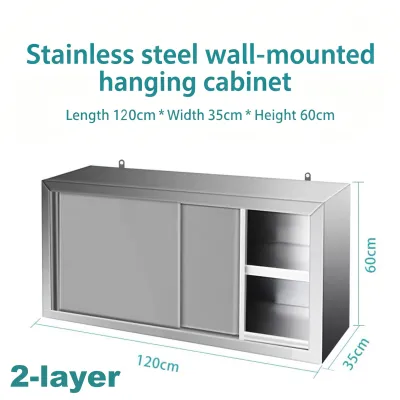
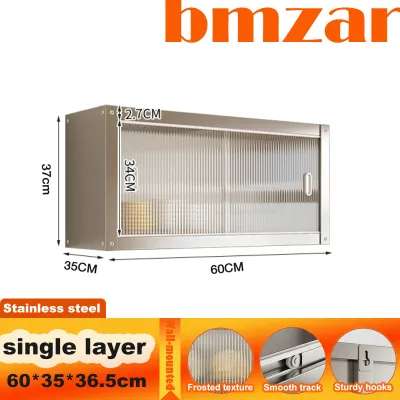
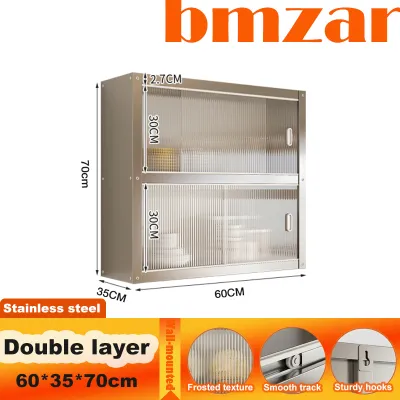
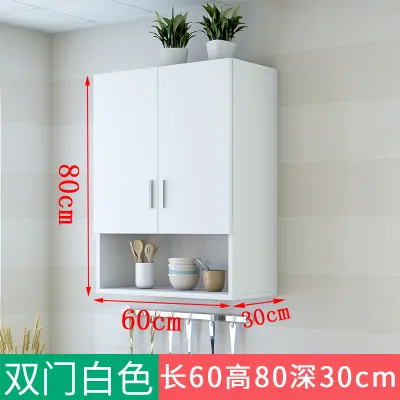
Prices are valid at publication and may change. Please refer to the product page for the latest price.
Key Selection Criteria for Compact Kitchen Layouts
Selecting a cabinet that can withstand daily wear requires looking past basic product descriptions and evaluating structural specifications.

Material and Rust Resistance In the Philippines, ambient humidity is consistently high, particularly during the rainy season. Simply buying something labeled “metal” is a recipe for rust within a few months. Homeowners should look for specific materials with proven corrosion resistance. Grade 304 stainless steel offers excellent longevity in wet environments. Alternatively, heavy-duty carbon steel with thick, multi-layer powder coating can withstand moisture, provided the coating remains intact. For a warmer, natural aesthetic, treated bamboo or solid wood with water-resistant polyurethane sealants can work, but you must verify the manufacturer’s care instructions to prevent water logging and mold growth.
Dimensions and Clearance Precise measurements are non-negotiable before making a purchase. Measure the height between your countertop and the bottom of any existing overhead cabinets. Ensure the depth of the wall-mounted cabinet does not protrude so far that it blocks your view or causes you to bump your head while washing dishes. If mounting directly above a sink, check the clearance of your faucet. A tall gooseneck faucet requires significant vertical clearance to ensure plates do not hit the spout when being placed in the rack. Additionally, verify that adjacent cabinet doors can swing open fully without hitting the new installation.
Weight Capacity and Mounting Type The weight of wet ceramic plates, heavy stoneware mugs, and glass bowls adds up rapidly. A standard set of dinnerware for a family of four can easily exceed 10 to 15 kilograms when wet. You must distinguish between light-duty adhesive mounts and heavy-duty mechanical anchors. Adhesive mounts, such as suction cups or specialized glue, are only safe for holding lightweight accessories like sponge caddies or empty single-tier wire racks on smooth, non-porous glazed tiles. For any cabinet holding actual ceramic or glass dishes, physical drilling with expansion anchors is mandatory. Always check the manufacturer’s specified maximum load capacity before loading.
Dust and Pest Protection Homeowners must decide between open wire racks and enclosed cabinets. Open racks offer superior airflow, allowing dishes to dry rapidly, which minimizes water spots and bacterial growth. However, they expose dishes to airborne dust, cooking grease, and potential household pests. Enclosed cabinets featuring sliding glass doors, magnetic acrylic panels, or solid wooden doors protect clean dishes from environmental contaminants. The trade-off is slower drying times, meaning dishes should ideally be towel-dried or pre-dried on an open rack before being stored inside an enclosed unit.
Recommended Wall-Mounted Dish Cabinet Designs
The ideal cabinet is not a one-size-fits-all product. It must align with your specific kitchen layout, wall structural integrity, and daily dishwashing habits. In compact Philippine homes, space optimization requires selecting a design category engineered for your specific bottleneck.
The market offers several distinct configurations, ranging from budget-friendly utility shelves under ₱1,500 to premium, heavy-duty stainless steel systems exceeding ₱5,000. Understanding these design types will help you choose the best fit for your home.
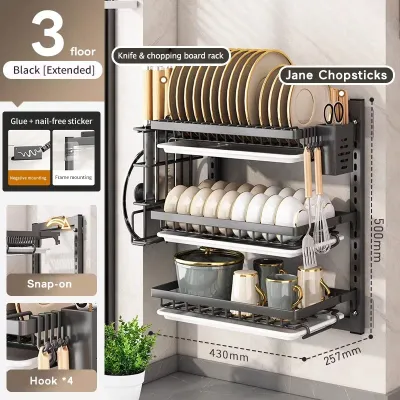
Over-the-Sink Stainless Steel Drying Racks
For kitchens with absolutely zero free wall space, the area directly above the sink is often completely underutilized. Over-the-sink racks are designed to span the width of your sink basin, suspended either by vertical support legs resting on the countertop or mounted directly to the wall behind the sink.
The primary advantage of this design is automatic drainage. Water drips directly from the washed dishes into the sink bowl, eliminating the need for a plastic drip tray that requires constant emptying and cleaning. This direct-drain system significantly reduces the risk of stagnant water pooling on your countertops, which can damage laminate surfaces or foster mold.
When choosing an over-the-sink model, measure the exact outer width of your sink basin and the height of your kitchen faucet. Many modern designs feature adjustable horizontal bars that can expand to fit single or double basins. Verify that the support legs or wall brackets are equipped with non-slip suction feet or robust mounting hardware to prevent the rack from sliding or tipping forward when fully loaded with heavy pots and pans. Keep in mind that these racks are designed primarily for active drying and temporary holding rather than long-term, dust-free dish storage.
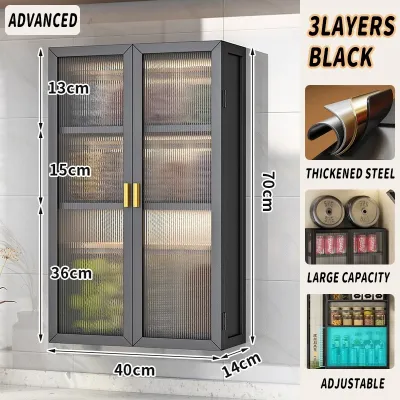
Enclosed Dustproof Wall Cabinets
For households that prioritize long-term hygiene and pest protection, enclosed wall-mounted cabinets are the preferred choice. These units are fully sealed on all sides, featuring doors made of solid wood, tempered glass, or transparent acrylic panels that slide smoothly or flip upward.
By keeping your plates, bowls, and glassware behind closed doors, you shield them from the airborne grease and oil droplets common in Filipino cooking, which often involves frying or sautéing. This setup ensures that when you pull a plate out for dinner, it is clean, dry, and ready to use without needing a precautionary rinse.
However, enclosed cabinets present distinct structural and operational trade-offs. Because they are constructed from solid materials rather than open wire grids, the cabinets themselves are significantly heavier even before you add any dishes. This high dead weight means they cannot be mounted on fragile drywall partitions without direct attachment to structural wall studs. Furthermore, because air circulation is restricted inside an enclosed cabinet, placing wet dishes directly inside can trap moisture, leading to musty odors and wood rot. It is critical to check the cabinet’s internal specifications for integrated drip trays or ventilating slots, and to verify that shelves are adjustable to accommodate larger serving platters.
Adjustable and Foldable Wall Shelves
In highly constrained studio apartments, micro-condos, or rental properties where permanent alterations are restricted, adjustable and foldable wall shelves offer high flexibility. These space-saving designs feature hinged brackets or collapsible frames that allow the drying rack to fold flat against the wall when not in use.
When you have a small load of dishes, you simply pull the shelf down into a horizontal position. Once the dishes are dry and put away, the shelf folds back up, instantly reclaiming the physical and visual space above your counter. This adaptability makes the kitchen feel larger and less cluttered during non-cooking hours.
Before purchasing a foldable model, closely inspect the hinge mechanisms, locking pins, and joints. These moving parts are the primary points of potential mechanical failure. Ensure they are made of thick, rust-resistant metal and lock securely into place without wobbling. Because foldable shelves rely on mechanical hinges, they generally have lower weight capacities than fixed, rigid structures. They are best suited for holding lightweight daily essentials, drying a few coffee mugs and bowls, or acting as temporary prep shelves rather than storing heavy, multi-piece ceramic dinnerware sets.
Installation and Safety Checks for Wall Mounting
A successful installation depends entirely on matching the mounting hardware to the specific wall material of your kitchen.
Identifying Wall Types In the Philippines, residential walls are typically constructed from hollow concrete hollow blocks (CHB), solid poured concrete, or lightweight drywall partitions. Heavy dish cabinets loaded with wet plates must never be mounted onto drywall or plasterboard alone using standard plastic wall plugs; the dynamic weight will eventually pull the screws out, causing a catastrophic collapse. For concrete or masonry walls, you must use steel expansion bolts or heavy-duty masonry anchors. If you are mounting onto a drywall partition, you must locate the internal wooden or metal studs using a stud finder and secure the mounting brackets directly into those structural elements.
Avoiding Hidden Utilities Kitchen walls are dense conduits for household utilities. Water supply lines run directly to your faucet, drain pipes run down from the sink, and electrical conduits feed the countertop power outlets. Before drilling any holes, carefully map out the wall. Avoid drilling directly above, below, or in a straight horizontal line with visible plumbing fixtures or electrical sockets. If possible, consult your condo administration or home builder for the utility blueprint of your unit to prevent costly and dangerous pipe punctures or electrical shocks.
Following Manufacturer Instructions Always read and follow the manufacturer’s provided installation manual. If the included mounting screws and wall plugs appear flimsy or do not match your specific wall type, do not attempt to force them. Stop the installation and purchase high-quality, site-appropriate hardware from a local hardware store, or hire a qualified professional carpenter or handyman. Ensuring the cabinet is perfectly level during installation is also critical; an uneven cabinet distributes weight unevenly, placing excessive stress on a single mounting bracket and increasing the risk of failure.
Load Testing Once the cabinet is securely mounted, perform a gradual load test before trusting it with your expensive or fragile dishware. Start by placing a few lightweight plastic items on the shelves, then gradually introduce heavier ceramic plates over a period of 24 to 48 hours. Regularly inspect the wall surrounding the mounting brackets for any signs of hairline cracks, plaster flaking, or pulling away. If you notice any structural deflection or loosening of the screws, unload the cabinet immediately and reinforce the mounting system.
Maintenance and Rust Prevention in Humid Climates
Prolonging the lifespan of your wall-mounted cabinet requires active maintenance, especially in a tropical environment.
Routine Cleaning Even high-grade stainless steel can develop surface discoloration or tea staining when exposed to hard tap water, soap residue, and salt in a humid tropical climate. Establish a weekly routine of wiping down the metal frames, wire joints, and drip trays with a soft microfiber cloth dampened with warm water and mild dish soap. Avoid using abrasive steel wool or harsh chemical bleach, which can scratch the protective chromium oxide layer of stainless steel or strip away the powder coating on carbon steel, exposing the vulnerable metal underneath to rapid oxidation.
Moisture Management High ambient humidity accelerates metal degradation and encourages mold growth on wooden surfaces. To manage moisture, ensure your kitchen has adequate ventilation. Run your range hood exhaust fan during and after cooking, or open nearby windows to promote cross-ventilation. If your wall cabinet includes a plastic drip tray, slide it out and empty the collected water daily. Wipe the tray dry to prevent stagnant water from becoming a breeding ground for mosquitoes or bacteria.
Inspection and Replacement Over time, all furniture subjected to daily wet-dry cycles will show signs of wear. Periodically inspect your wall-mounted cabinet for structural fatigue. Pay close attention to critical weld points, joint connections, and the integrity of the wall anchors. If you observe deep, bubbling rust that compromises the metal’s structural strength, warped wooden shelves that sag under normal loads, or wall screws that have begun to wiggle, it is time to replace the unit. Continuing to use a structurally compromised cabinet poses a severe safety hazard to anyone working at the countertop below.
Frequently Asked Questions (FAQ)
To help you make the safest decision for your home, here is a practical look at a common installation dilemma faced by renters and condo dwellers.
Can I use adhesive mounts for heavy dish cabinets on tiled walls?
No, you should not use adhesive mounts, suction cups, or heavy-duty double-sided tapes to support a fully loaded dish cabinet on tiled walls. While modern adhesives are highly advanced, they are designed to support static, lightweight items under dry conditions.
A kitchen environment is highly dynamic. The weight of a dish cabinet fluctuates constantly as you add and remove heavy plates, creating variable downward forces. Furthermore, the combination of high humidity from boiling pots, steam from cooking, and temperature fluctuations will gradually degrade the chemical bonds of any adhesive.
Over time, the adhesive will fail without warning, leading to a dangerous fall that can shatter your dinnerware, damage your countertop, or cause serious injury. For any wall-mounted cabinet intended to hold ceramic, glass, or metal dishes, mechanical drilling with appropriate wall anchors is the only safe and reliable installation method. If you are renting and cannot drill, opt for a freestanding countertop rack or an over-the-sink model with supportive legs that rest securely on the counter.
Community discussion
Share your experience or ask a question. Comments are reviewed before publication.