
Selecting the right hanging cabinet wall system is one of the most impactful decisions you can make when designing or upgrading a Filipino kitchen. To withstand the unique challenges of a tropical climate, high humidity, and heavy cooking habits, the ideal wall-mounted cabinet must prioritize robust moisture resistance, exceptional weight capacity, and practical accessibility. Balancing these functional elements ensures your kitchen remains organized, safe, and visually appealing for years to come.
To find the perfect fit, look for cabinets constructed from marine plywood, high-density moisture-resistant (MR) engineered wood, or solid PVC. These materials prevent the warping, swelling, and mold growth common in humid regions. Additionally, ensure the cabinet features adjustable shelving to accommodate diverse storage needs and a heavy-duty mounting system designed specifically for the wall type in your home.
Assessing Storage Needs for Filipino Cooking Habits
Filipino culinary traditions heavily influence how kitchen spaces are utilized and how storage systems perform. Daily meal preparation often involves high-heat frying, sautéing (gisa), and long hours of boiling savory broths like sinigang or nilaga. These cooking methods release significant amounts of steam, airborne moisture, and grease into the air. Without proper ventilation and high-quality cabinetry, this airborne residue settles on surfaces, quickly degrading low-grade materials and creating breeding grounds for mold and pests.
Products mentioned in this guide
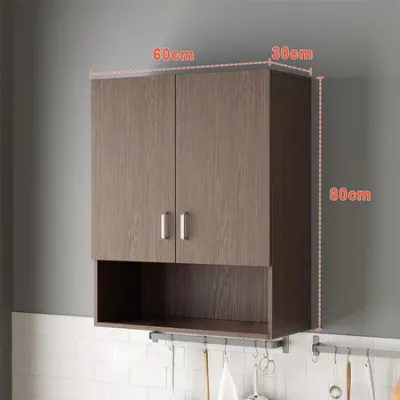
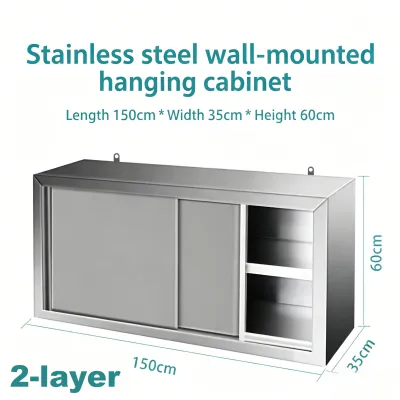
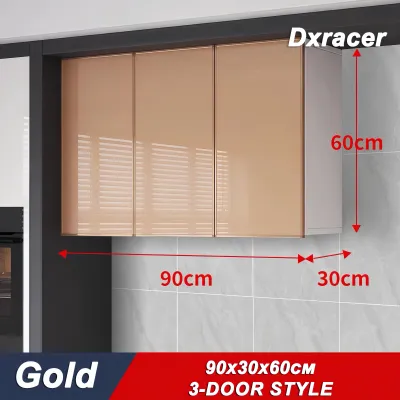
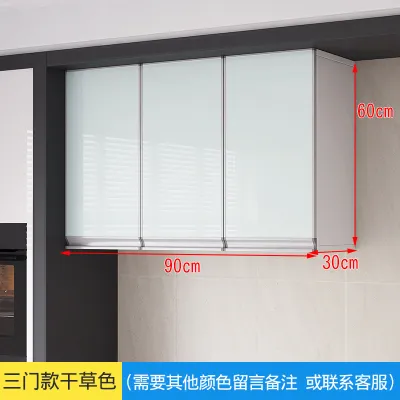
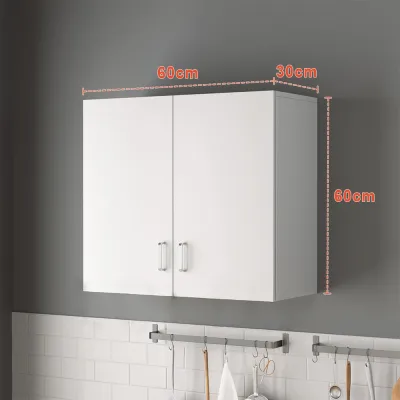
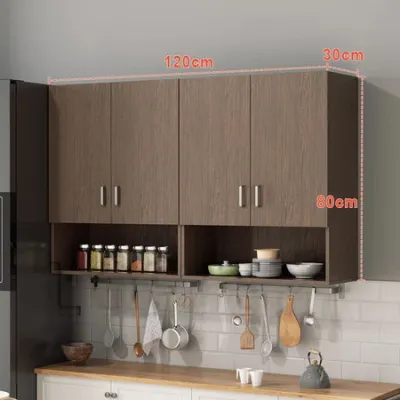
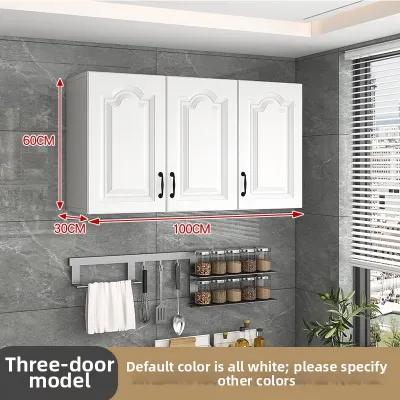
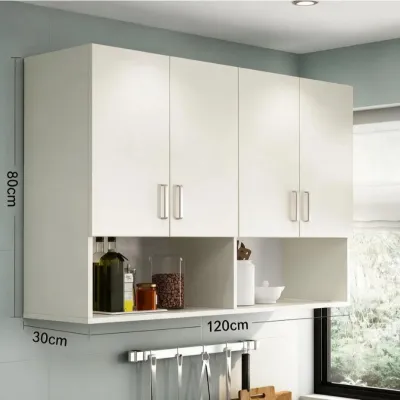
Prices are valid at publication and may change. Please refer to the product page for the latest price.
Furthermore, the typical inventory of a Filipino pantry demands highly durable and stable shelving. Kitchens regularly house heavy, bulky items such as five-to-ten-kilogram rice dispensers, large glass jars of pickled condiments (atchara), and heavy bottles of essential liquids like soy sauce, vinegar, and cooking oil. Storing these heavy liquids and dry goods requires sturdy shelves that will not sag over time under constant load.
Spatial constraints also play a major role in cabinet selection. Whether you are furnishing a compact condominium in Metro Manila, a suburban townhouse, or a spacious provincial home, maximizing vertical space is essential. Utilizing wall-mounted storage frees up valuable countertop space, allowing for more efficient food preparation. However, because these units are suspended, they must be chosen with a clear understanding of what will be stored inside them to prevent overloading and structural failure.
Finally, the tropical climate of the Philippines, characterized by high relative humidity and distinct wet and dry seasons, accelerates the deterioration of poorly sealed furniture. Moisture in the air can penetrate unsealed joints, causing laminated layers to peel and wood fibers to expand. Therefore, assessing your storage needs is not just about counting plates and spice jars; it is about choosing a system that can withstand constant environmental stress while securely supporting heavy household staples.
Recommended Hanging Cabinet Wall Styles for Everyday Use
Every kitchen layout has unique structural parameters and workflow patterns. Selecting the right cabinet style can dramatically improve your kitchen’s ergonomics, making daily meal preparation smoother and more enjoyable.

Solid Door Cabinets with Adjustable Shelves
Solid door cabinets are the workhorses of the kitchen, offering a clean, uniform look that easily conceals visual clutter. In active kitchens where multiple family members cook, open shelves can quickly look disorganized. Solid doors hide mismatched food containers, stacked canned goods, and various cooking utensils, keeping the entire space looking neat and tidy.
Beyond aesthetics, solid doors provide an extra layer of protection for your stored goods. They shield dry ingredients, spices, and packaged foods from direct exposure to airborne grease, dust, and light, which can degrade food quality over time. When selecting solid door units, prioritize those equipped with adjustable shelf pegs made of metal or high-density plastic. This feature allows you to customize the interior height of the cabinet, making it easy to store tall oil bottles, stacked dinnerware, or compact kitchen appliances without wasting vertical space.
Glass-Front or Open Shelving Units
Glass-front cabinets and open shelves offer an elegant, airy alternative to solid doors, making small or narrow kitchens feel significantly larger and more open. They allow you to showcase attractive dinnerware, glassware, or decorative ceramic jars, adding a personal, stylistic touch to the heart of your home.
However, these styles require a practical trade-off. Because the contents are visible, keeping them organized demands constant effort. Additionally, open shelves and glass doors are highly susceptible to collecting airborne cooking grease and dust, meaning they require regular wiping and cleaning to maintain a pristine appearance. To minimize maintenance, avoid placing open shelving directly above or adjacent to the main cooking range or stove, where grease vapors are most concentrated. Instead, reserve these units for storing frequently used everyday plates and mugs that are washed and rotated constantly.
Corner and Pull-Down Mechanism Cabinets
In many L-shaped or U-shaped kitchen layouts, corner spaces are often underutilized or become deep, dark zones where items are forgotten. Specialized corner wall cabinets, such as diagonal units or those equipped with internal carousel shelves, solve this problem by transforming awkward dead space into highly accessible storage.
For high-reaching wall cabinets, pull-down shelving mechanisms are an excellent ergonomic upgrade. These systems feature spring-loaded or gas-strut assisted metal racks that pull down and outward, bringing the contents of the top shelf down to eye level. This is particularly beneficial for shorter family members or in homes with high ceilings, eliminating the safety hazards associated with climbing stools or chairs just to reach daily cooking essentials stored at the very back of deep overhead cabinets.
Choosing Moisture-Resistant Materials and Finishes
In a tropical environment, the material composition of your hanging cabinets is the single most critical factor determining their lifespan. Understanding the differences between common options allows you to make an investment that resists warping, mold, and structural degradation.
Moisture-Resistant Engineered Wood and MDF
Engineered wood, such as Medium-Density Fiberboard (MDF), is a popular and budget-friendly choice for modern kitchen cabinetry. However, standard MDF is highly vulnerable to moisture; if water penetrates the surface, the wood fibers swell, causing the material to crumble and lose its structural integrity. For kitchen environments, it is absolutely essential to specify Moisture-Resistant (MR) MDF, often identifiable by a green-tinted core.
When choosing MR MDF or engineered wood cabinets, inspect the quality of the edge banding. The edges of the cabinet doors and boxes must be completely sealed with high-quality thermoplastic bands (such as ABS or PVC) using water-resistant adhesives. Unsealed or poorly banded edges allow steam from rice cookers, boiling pots, and sinks to seep into the inner core, leading to rapid swelling and delamination. Avoid using standard, non-moisture-resistant particleboard in any area of the kitchen prone to high humidity or direct water contact.
Marine Plywood and Solid Wood Alternatives
Marine plywood is widely regarded by local builders and carpenters as the gold standard for high-durability kitchen cabinetry in the Philippines. Unlike standard plywood, marine-grade plywood is constructed using high-quality veneers bonded with waterproof structural adhesives (often referred to as WBP or Water Boil Proof glue). This construction prevents the layers from separating, even when exposed to prolonged moisture and humidity.
If you prefer the natural beauty and warmth of solid wood, options like kiln-dried Mahogany, Gmelina, or Tanguile are popular local choices. However, solid wood naturally expands and contracts with changes in humidity, which can lead to warping or cracking if the material is not properly seasoned. To protect solid wood from tropical moisture, mold, and wood-boring insects (anay), the wood must be thoroughly sealed on all sides with high-quality polyurethane, marine varnish, or specialized wood preservatives. Regular inspection and maintenance are required to ensure the protective seal remains intact over the years.
PVC, Acrylic, and High-Gloss Laminates
For ultimate water resistance and ease of maintenance, solid PVC (Polyvinyl Chloride) boards are an increasingly popular material for kitchen cabinets. PVC boards are entirely waterproof, immune to rot, and highly resistant to termites and mold. While they may lack the traditional texture of natural wood, they provide a highly durable structural core that will never warp or swell due to humidity.
To achieve a modern, sleek aesthetic, these core materials are often finished with high-gloss laminates or acrylic sheets. These non-porous surfaces are exceptionally easy to clean, allowing you to wipe away cooking oil splatters, soy sauce drips, and grease with a simple damp cloth and mild detergent. When purchasing laminated cabinets, check the quality of the seams and corners; high-pressure laminates (HPL) applied with polyurethane (PUR) adhesive offer superior resistance to heat and moisture, preventing the edges from peeling back over time.
Installation Safety and Weight Capacity Guidelines
Because hanging cabinets are suspended overhead, improper installation poses a severe safety risk to your household. Ensuring the cabinet is securely anchored and loaded within safe limits is paramount to preventing structural failures and accidents.
Before mounting any cabinet, you must identify the structural composition of your kitchen walls. Most residential buildings in the Philippines utilize Concrete Hollow Blocks (CHB) or solid poured concrete for main walls, while interior partition walls may be constructed from gypsum board or light-gauge steel studs. Standard plastic wall plugs (often called “tox”) are generally insufficient for supporting the heavy, dynamic loads of fully loaded kitchen cabinets on hollow block walls. Instead, use heavy-duty metal sleeve anchors, expansion bolts, or specialized toggle bolts designed specifically for masonry.
Always verify the manufacturer’s stated weight capacity for both the cabinet unit and the mounting brackets or suspension rails. A high-quality hanging cabinet typically utilizes a French cleat system or heavy-duty adjustable suspension brackets that distribute the weight evenly across the wall surface.
To maintain long-term safety and structural stability, implement the following safety checklist:
- Check Manufacturer Instructions: Always read and follow the specific mounting instructions provided by the cabinet manufacturer before beginning the installation process.
- Distribute Weight Wisely: Place your heaviest items, such as stacks of ceramic plates, heavy glass jars, and canned goods, on the lowest shelves of the wall cabinet, or store them in base cabinets. Reserve higher shelves for lightweight items like plastic containers, cereal boxes, and dry spices.
- Inspect Hardware Regularly: Periodically inspect the cabinet interior and mounting points. Look for signs of sagging, loose screws, or rust on hinges and brackets, especially in high-humidity or coastal areas.
- Verify Wall Integrity: If you notice crumbling plaster, dampness, or cracks in the wall surface, do not attempt to mount heavy cabinets. Address the underlying structural or moisture issues first.
- Consult a Professional: If you are unsure of your wall's material, load-bearing capacity, or do not have the proper tools for masonry drilling, stop and hire a professional installer to ensure a secure setup.
Frequently Asked Questions (FAQ)
How high should hanging wall cabinets be installed above the countertop?
The standard clearance between the top of your kitchen countertop and the bottom of your hanging wall cabinets is typically 18 to 24 inches (approximately 45 to 60 centimeters). This height provides ample space for operating common countertop appliances, such as rice cookers, blenders, and air fryers, without blocking your view or movement.
However, you should adjust this distance based on the height of the primary cook in your household to ensure comfortable reach. Additionally, if you plan to install a range hood above your cooktop, verify the manufacturer’s specific clearance requirements, which often demand a higher mounting distance (typically 24 to 30 inches) to ensure safe operation and efficient ventilation.
Can I install hanging cabinets on a hollow block wall?
Yes, you can install hanging cabinets on a concrete hollow block (CHB) wall, but you must use the correct anchoring hardware. Standard plastic wall plugs are prone to pulling out under heavy loads because the interior of the block is hollow.
To ensure a secure installation, use heavy-duty metal sleeve anchors (often called dynabolts) or specialized toggle bolts designed for hollow masonry. When drilling into the wall, avoid placing anchors directly into the mortar joints between the blocks, as mortar is softer and much weaker than the concrete block itself. Always drill directly into the solid face of the concrete block for maximum holding power.
How do I prevent mold inside my kitchen wall cabinets?
Preventing mold in a humid climate requires a combination of proper material selection, ventilation, and simple maintenance habits. Start by ensuring your kitchen has adequate airflow; always run an exhaust fan or open windows while cooking to draw out steam and humidity.
Inside the cabinets, avoid storing plates, bowls, or glasses while they are still damp; always dry them thoroughly with a clean dish towel or let them air-dry completely on an external rack first. You can also place commercial moisture absorbers, charcoal bags, or reusable silica gel packs in the corners of your cabinets to collect excess moisture. Regularly wipe down the interior shelves with a mild vinegar solution, which naturally deters mold spores from settling on the surfaces.
Community discussion
Share your experience or ask a question. Comments are reviewed before publication.