
Quick Answer: Essential Features for Compact Spice Storage
In small kitchens across the Philippines—such as those in high-rise condominiums, studio apartments, or compact townhouses—maximizing vertical space is essential. The most effective wall-mounted spice rack cabinets are shallow, vertical storage units designed to keep your cooking essentials organized and off the countertops without obstructing your primary prep areas. When selecting a cabinet for a compact kitchen, prioritize a shallow depth of approximately 8 to 12 centimeters to ensure the unit does not protrude too far over your sink or stove.
Additionally, look for models featuring adjustable shelves, which allow you to customize the interior layout to accommodate various container heights, from small local seasoning packets to tall imported oil bottles. Finally, ensure the mounting hardware included with the cabinet is compatible with your specific wall type. Because many homes feature solid concrete or concrete hollow block walls, standard drywall screws will not suffice; you will need robust masonry anchors to ensure a secure, long-lasting installation that can support the weight of multiple glass jars.
Recommended Wall Mounted Spice Cabinet Styles for Small Kitchens
Selecting the right cabinet style involves balancing your kitchen’s physical layout with your daily cooking habits. Different structural designs offer distinct advantages in terms of spatial footprint, accessibility, and visual integration with your existing cabinetry. By understanding how these styles function in tight spaces, you can choose a system that streamlines your workflow and keeps your ingredients within arm’s reach.
Products mentioned in this guide
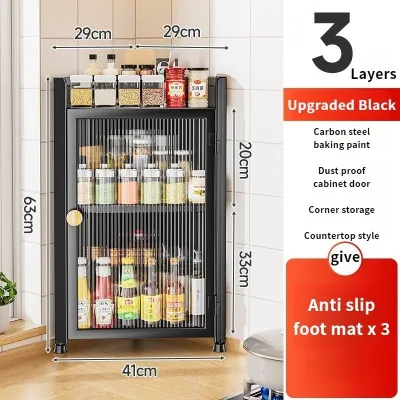
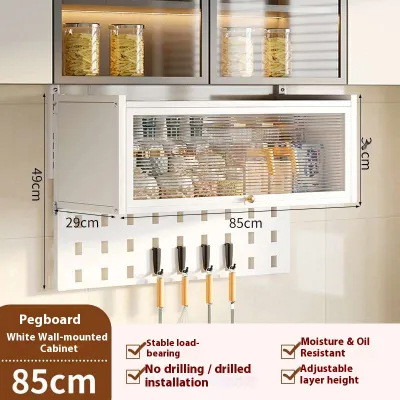
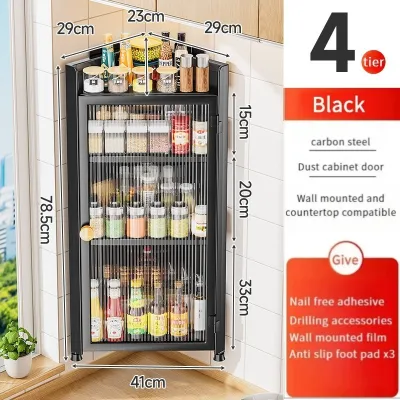
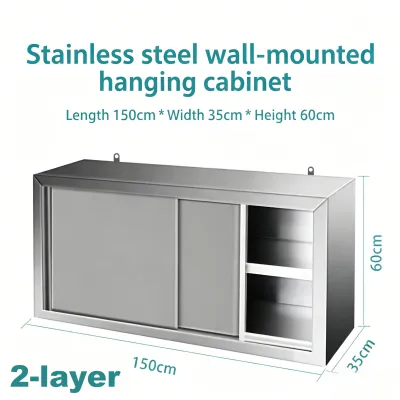
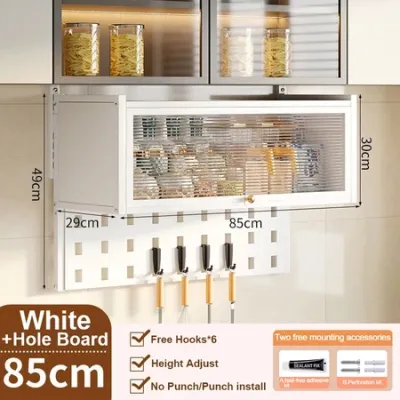
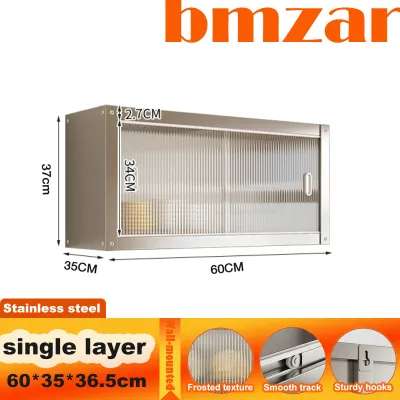
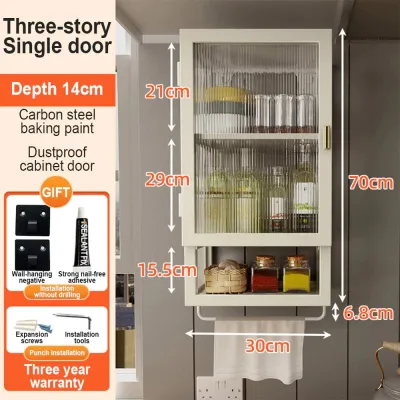
Prices are valid at publication and may change. Please refer to the product page for the latest price.

Slim Pull-Down and Fold-Down Cabinets
Slim pull-down and fold-down cabinets are excellent solutions for homeowners who prefer a clean, minimalist kitchen aesthetic. These specialized cabinets feature internal shelving mechanisms or hinged doors that lower your spices to eye level when needed, then fold back up to blend seamlessly with your upper cabinetry. This design is particularly useful in kitchens with high ceilings or tall upper cabinets where the top shelves are otherwise difficult to reach.
Before purchasing a pull-down system, it is critical to measure the vertical clearance space beneath the cabinet. You must ensure that the door or shelving unit can swing downward fully without colliding with your countertop, backsplash appliances, or active workspace. Additionally, pay close attention to the weight capacity of the hinges and pull-down arms. Glass spice jars are surprisingly heavy when grouped together; a fully loaded rack can easily strain low-quality hardware, leading to sagging doors or mechanical failure over time.
Enclosed pull-down cabinets offer the added benefit of protecting your spices from the harsh kitchen environment. Spices degrade rapidly when exposed to direct sunlight, cooking steam, and airborne grease. Keeping them sealed behind a cabinet door preserves their potency, aroma, and shelf life, making this style highly practical for active home cooks.
Vertical Tiered Shelves and Door-Mounted Racks
Vertical tiered shelves and door-mounted racks are designed to exploit dead space that is often overlooked in standard kitchen layouts. Door-mounted racks attach directly to the interior side of your existing pantry or cabinet doors, turning unused vertical surfaces into highly efficient storage zones. This style is incredibly space-efficient because it requires zero additional wall space, making it ideal for ultra-compact studio units.
However, successful installation requires precise measurements. You must measure the internal depth of your existing cabinet shelves before purchasing a door-mounted rack. If the rack and its loaded jars protrude further than the gap between the closed door and the internal shelves, your cabinet door will not shut completely. To avoid this, you may need to recess your existing cabinet shelves by a few centimeters or opt for an ultra-slim rack design.
When evaluating tiered shelves, look for units with built-in guardrails or deep, recessed compartments. The motion of opening and closing cabinet doors can cause tall bottles, such as soy sauce, fish sauce, or vinegar, to wobble and tip over. Sturdy safety bars or deep tiers keep these containers securely in place, ensuring quick visual inventory and easy reach during active cooking without the risk of accidental spills.
Magnetic and Modular Wall Systems
For kitchens with irregular layouts, limited wall space, or strict rental agreements, magnetic and modular wall systems offer unparalleled flexibility. These systems typically consist of a wall-mounted metal backing plate, a rail system, or individual magnetic strips that allow you to attach spice tins, small shelves, and hooks in any configuration you choose. This modularity means you can easily expand or rearrange your storage setup as your spice collection grows.
When installing a magnetic or adhesive-based system, you must confirm that your wall surface can support the base securely over time. Smooth, non-porous surfaces like ceramic tiles, glass backsplashes, or polished metal are ideal for adhesive backings, whereas textured plaster or matte-painted walls may require screw-in mounting to prevent the system from peeling off under weight.
Modular systems are highly favored by renters and those who appreciate an open, modern kitchen aesthetic. Because the spices are stored in uniform, labeled containers directly on the wall, they serve as both a functional cooking tool and a visual design element. This open setup provides instant access to your ingredients, though you must be mindful to mount the system away from direct sunlight and high-heat zones to prevent the spices from losing their flavor.
Material and Hardware Checks for Local Kitchen Conditions
The tropical climate of the Philippines presents unique challenges for kitchen furniture. High relative humidity, elevated temperatures, and exposure to steam from daily cooking can quickly degrade inferior materials. When shopping for a wall-mounted spice cabinet, selecting the right materials and hardware is crucial to ensuring long-term durability and preventing structural failure.
Moisture resistance should be your primary consideration. Look for cabinets constructed from powder-coated metal, sealed bamboo, or high-density, treated medium-density fiberboard (MDF). Powder-coated steel or aluminum resists rust and is incredibly easy to wipe clean of grease and splatters. Sealed bamboo is another excellent choice, as its natural dense fiber structure resists moisture absorption far better than standard hardwoods, provided it has been treated with a water-resistant sealant.
Equally important is the quality of the cabinet’s hardware, including hinges, screws, brackets, and handles. In humid environments, low-grade metal hardware will quickly develop rust, which can stain your walls, ruin your cabinet doors, and eventually cause the mounting brackets to fail. Inspect these components to ensure they are made of rust-resistant materials, such as stainless steel (preferably grade 304) or solid brass. If the product specifications do not list the hardware material, look for visible signs of protective coatings or finishes.
Conversely, you should avoid cabinets made from untreated raw wood or unsealed particleboard. Raw wood readily absorbs moisture from the air and cooking steam, which can lead to mold growth, warping, and splitting. Unsealed particleboard is particularly susceptible to water damage; when exposed to humidity, the wood fibers swell and lose their structural integrity, causing the cabinet to sag, crumble, and eventually pull away from its wall mounts.
Step-by-Step Installation and Weight Capacity Guide
A secure installation is paramount when mounting a spice cabinet, as a falling cabinet can cause significant damage, ruin your spice collection, and pose a safety hazard. Because wall construction varies widely across residential properties, you must tailor your installation method to your specific wall type.
Before you begin, distinguish between the different wall materials in your kitchen. Most traditional homes and ground-floor structures feature solid concrete, concrete hollow blocks, or brick walls covered in plaster. In contrast, modern high-rise condominiums and newer townhouse partitions often utilize hollow drywall (gypsum board) or fiber cement boards mounted on metal studs. Tiled backsplashes present another layer of complexity, requiring specialized drilling techniques to avoid cracking the ceramic or porcelain surface.
Next, calculate the total estimated weight the wall mounts must support. Do not rely solely on the weight of the empty cabinet. A typical wooden or metal spice cabinet might weigh between 1.5 and 3 kilograms. If you plan to store twenty standard glass spice jars, each weighing approximately 150 to 200 grams when full, you are adding another 3 to 4 kilograms of load. Therefore, your mounting system must comfortably support a total weight of at least 5 to 7 kilograms.
To ensure a stable, long-lasting hold, gather the necessary tools and correct anchor types for your wall:
- For Solid Concrete Walls: Use a hammer drill equipped with a masonry drill bit. Secure the cabinet using plastic wall plugs (commonly referred to as "tox" anchors) and matching steel screws. The anchors must fit snugly into the drilled holes to prevent shifting.
- For Drywall or Fiber Cement Walls: Standard plastic plugs will not hold in hollow walls. Instead, use heavy-duty toggle bolts, molly bolts, or self-drilling drywall anchors that expand behind the board to distribute the weight across a larger surface area. If possible, locate the metal studs using a stud finder and screw directly into them for maximum stability.
- For Tiled Backsplashes: Use a diamond-tipped or carbide-tipped tile drill bit to carefully drill through the tile without applying excessive pressure, which can crack the tile. Once you pass through the tile and reach the underlying concrete or drywall, switch to the appropriate masonry or standard drill bit to complete the hole.
Follow these steps for a successful installation:
- Position the cabinet against the wall at your desired height and use a spirit level to ensure it is perfectly straight. Mark the mounting hole locations on the wall with a pencil.
- Drill the holes at the marked spots, ensuring the depth matches the length of your wall anchors.
- Insert the appropriate wall anchors into the holes until they are flush with the wall surface.
- Align the cabinet mounting brackets with the anchors and drive the screws in tightly, ensuring a firm grip.
- Apply gentle downward pressure on the mounted cabinet to test its stability before placing any glass jars inside.
If you are unsure of your wall’s internal structure, encounter unexpected resistance while drilling, or lack the necessary power tools, stop immediately. It is always safer and more cost-effective to consult a professional carpenter or local handyman to complete the installation securely.
Frequently Asked Questions (FAQ)
How much weight can a typical wall-mounted spice rack hold?
The weight capacity of a wall-mounted spice rack depends heavily on the quality of its construction, the wall material, and the specific anchors used during installation rather than the rack itself. A standard metal or wooden spice rack mounted securely into solid concrete or wall studs can typically support between 5 and 10 kilograms. However, if the same rack is mounted on hollow drywall using basic plastic plugs, its safe load capacity may drop to 3 kilograms or less.
Always check the manufacturer’s specified maximum load on the product packaging or instruction manual before loading the rack. To maintain long-term stability and reduce leverage on the wall mounts, place your heaviest items—such as large bottles of cooking oil, soy sauce, or vinegar—on the bottom shelves. Reserve the upper tiers for lightweight items like dried herbs, plastic spice containers, and small seasoning packets.
Are adhesive spice racks safe for rented apartments?
Adhesive spice racks can be a safe and practical option for rented apartments, provided they are installed correctly on suitable surfaces and are not overloaded. Heavy-duty adhesive strips or mounting tapes perform exceptionally well on smooth, non-porous surfaces such as glazed ceramic tiles, glass backsplashes, or polished metal panels. They do not adhere well to textured plaster, matte-painted walls, or wallpaper, and attempting to remove them from these surfaces can peel away the paint or damage the wall.
In a kitchen environment, high humidity and heat from cooking stoves can weaken adhesive bonds over time, increasing the risk of the rack falling. To prevent accidents, limit adhesive-mounted racks to lightweight plastic spice containers, tins, or packets. Avoid using them to store heavy glass jars or liquid bottles, and periodically check the adhesive backing to ensure it remains firmly bonded to the wall.
Community discussion
Share your experience or ask a question. Comments are reviewed before publication.