
The best wardrobe organizers and storage solutions for cabinets in the Philippines are those that combine space-saving vertical efficiency with moisture-resistant materials. In a tropical climate characterized by high humidity and seasonal monsoons, selecting the right organizers storage cabinet accessories requires looking beyond mere aesthetics to focus on air circulation, structural stability, and precise spatial measurements. By matching your specific storage needs with durable, climate-appropriate organizers, you can transform a cluttered closet into a highly functional, streamlined space.
Maximizing a wardrobe is not just about buying more containers; it is about understanding how to utilize every cubic inch of your existing cabinet. Whether you are dealing with a compact condominium wardrobe in Metro Manila or a large wooden cabinet in a provincial home, the key is to select organizers that protect your garments from dust and pests while keeping them easily accessible. This guide explores the most effective solutions for organizing your wardrobe, from slim non-slip hangers to heavy-duty stackable bins, tailored specifically for homes in the Philippines.
How to Evaluate Your Cabinet Space for Organizers Storage Cabinet Systems
Before purchasing any organizers storage cabinet accessories, you must conduct a thorough spatial assessment of your wardrobe. Start by measuring the internal width, depth, and height of each compartment using a metal measuring tape. Do not rely on external cabinet dimensions, as the thickness of the cabinet walls, back panels, and internal partitions can significantly reduce the actual usable space. Write these dimensions down and keep them handy when browsing local home improvement stores or online marketplaces.
Products mentioned in this guide
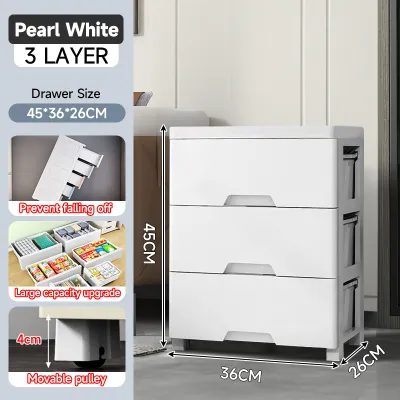
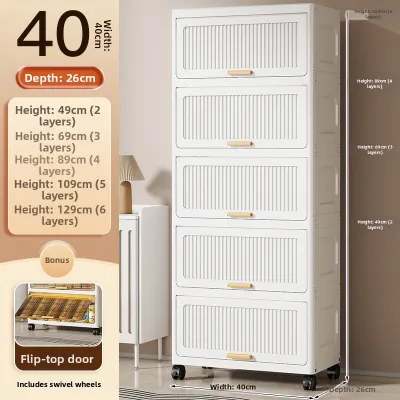
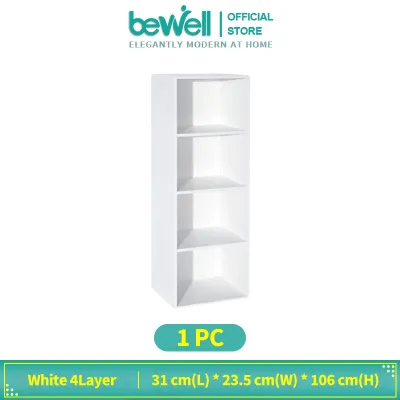
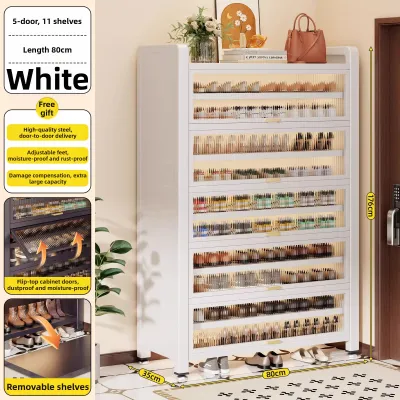
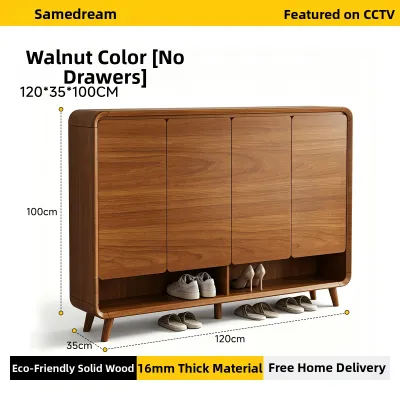
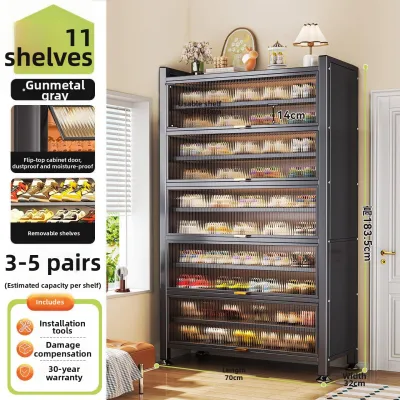
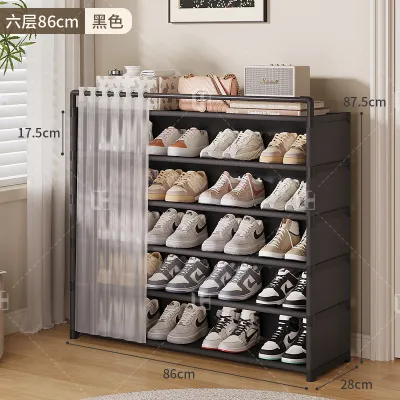
Prices are valid at publication and may change. Please refer to the product page for the latest price.
Pay close attention to door clearances, hinge swings, and shelf adjustability. If your wardrobe has hinged doors, the hinges themselves often protrude into the cabinet space, which can block pull-out baskets or wide plastic bins from sliding out smoothly. For sliding doors, remember that one half of the cabinet is always covered; your organizers must fit comfortably within the active opening width without catching on the door frame. If your cabinet has adjustable shelves, note the pre-drilled peg holes, as altering shelf heights can create taller vertical zones perfect for hanging organizers or stacked bins.
Categorizing your wardrobe contents is the next crucial step in choosing the right storage solutions. Separate your items into daily wear, such as t-shirts, office attire, and activewear, and seasonal or occasional items, like heavy travel jackets, formal wear, and spare bedding. Bulky linens and seasonal items are best suited for high, less-accessible shelves, while daily essentials should occupy the prime “active zone” between your waist and eye level. Smaller accessories like belts, ties, underwear, and socks require dedicated micro-organization to prevent them from getting lost in deep shelves.
Material suitability is a critical consideration in the humid Philippine climate. High humidity levels, particularly during the rainy season, can cause trapped moisture to breed mold and mildew on fabrics and wood. While breathable fabrics like linen and non-woven polyester are excellent for promoting air circulation around clothing, they must be kept dry and clean. For long-term storage in damp areas, high-quality, moisture-resistant plastics like polypropylene (PP) are highly recommended, though you should always verify the manufacturer’s care labels and avoid completely sealing damp clothes. If you prefer wooden or bamboo organizers, ensure they have a smooth, moisture-resistant protective finish or sealant to prevent warping and pest infestation.
Finally, always check the weight capacity and structural stability of your cabinet components before loading them with heavy organizers. A standard wooden or metal closet rod can sag or bend if overloaded with heavy winter coats or dense hanging shelves. Similarly, stacking multiple heavy plastic bins on a thin plywood shelf can cause the shelf to bow over time, potentially damaging the cabinet structure. Look for organizers that distribute weight evenly, and consider anchoring taller, free-standing drawer units or heavy storage towers to the cabinet frame or wall for added safety.
Best Hangers and Hanging Organizers to Maximize Vertical Space
Hanging space is often the most underutilized area in a standard wardrobe. By upgrading your hangers and adding suspended storage solutions, you can instantly double your hanging capacity and keep your clothes wrinkle-free.

Space-Saving and Non-Slip Hangers
Replacing mismatched, bulky plastic or wire hangers with uniform, slim-profile hangers is one of the easiest ways to reclaim horizontal rod space. Flocked or velvet hangers are highly recommended for lightweight and delicate garments, such as silk blouses, camisoles, and local Filipiniana wear. The soft, textured surface provides excellent friction, preventing slippery fabrics from sliding off onto the closet floor. For organizing trousers, skirts, or multiple layers, multi-tier hangers allow you to hang up to five garments vertically on a single hook, keeping them organized and visible.
Using uniform slim hangers not only maximizes your rod space but also creates a clean, visually streamlined aesthetic that makes finding clothes much faster. When selecting hangers, always check the hook diameter to ensure compatibility with your specific cabinet rod thickness. Standard wardrobe rods typically range from 3 to 3.8 centimeters in diameter; choosing hangers with slightly wider, sturdy metal hooks ensures they glide smoothly along the rod without scratching or getting stuck.
Hanging Shelves and Door Organizers
For wardrobes that lack sufficient built-in shelving, fabric hanging shelves offer an excellent way to introduce vertical compartments. These organizers suspend directly from the closet rod using heavy-duty hook-and-loop fasteners or metal hooks, providing instant shelving for folded t-shirts, sweaters, light bags, or shoes. To ensure durability, look for hanging shelves with reinforced frames—such as those utilizing internal MDF or thick plastic inserts—which prevent the shelves from sagging under the weight of folded garments.
If your cabinet has hinged doors, you can utilize the valuable vertical space on the inside of the door panels by installing over-the-door or hang-on-rod pocket organizers. These pocket systems are perfect for sorting small accessories, slippers, belts, or daily essentials. Before purchasing, verify the weight limit of both the organizer and the door hinges to prevent the door from sagging. Additionally, measure the depth of the hanging shelf or door organizer to ensure it does not obstruct the cabinet doors from closing completely.
Top Storage Bins and Dividers for Shelves and Drawers
Deep shelves and wide drawers often become chaotic piles of unfolded clothing. Rigid and semi-rigid containment solutions help maintain order by defining specific zones for different categories of items.
Stackable Bins and Clear Boxes
Using rigid containers on high shelves or deep cabinet bottoms is highly effective for keeping items dust-free and organized. Clear plastic (PET or PP) bins are ideal because they allow you to see the contents at a glance without having to pull down the box and rummage through it. For high shelves that are difficult to reach, lightweight fabric bins with sturdy, reinforced front handles are a practical alternative, allowing you to safely pull the bin down using a step stool.
To prevent issues, measure your shelf depth carefully before buying bins to avoid any overhang that could prevent the wardrobe doors from closing. Standard Philippine cabinets often have a depth of 45 to 50 centimeters, which is shallower than some international designs, so double-checking dimensions is essential. Furthermore, review the product specifications to ensure that plastic bins are designed with interlocking lids or recessed tops, which allow them to be stacked securely without sliding or collapsing under weight.
Drawer Dividers and Honeycomb Organizers
Drawers are notorious for becoming cluttered, but adjustable dividers and honeycomb inserts can keep small items perfectly sorted. Adjustable bamboo or plastic spring-loaded dividers can be placed front-to-back or side-to-side to create custom-sized compartments for folded activewear, t-shirts, or rolled jeans. These dividers typically feature rubberized foam ends to grip the drawer walls securely without scratching the wood or laminate finish.
For smaller items like socks, underwear, handkerchiefs, and ties, honeycomb cell inserts are incredibly efficient. They divide the drawer into dozens of small, equal-sized compartments, allowing you to store each item individually. Before purchasing drawer organizers, measure the exact interior height, width, and depth of your drawers. A common mistake is buying dividers that are slightly too tall, which can jam the drawer mechanism or prevent it from closing smoothly.
Best Storage Bags and Vacuum Solutions for Bulky Items
Storing bulky bedding, extra pillows, and off-season clothing requires flexible storage solutions that compress volume and protect fabrics from dust, pests, and moisture.
Large fabric storage bags made from breathable, heavy-duty Oxford cloth (such as 600D polyester) are excellent for storing thick comforters, blankets, and guest linens. These bags should feature reinforced, cross-stitched side handles for safe lifting, as well as clear PVC window panels so you can easily identify the contents. The breathable nature of fabric bags is crucial in humid environments, as it allows residual moisture to escape, preventing the development of musty, stale odors during the rainy season.
For maximum space savings, vacuum storage bags are highly effective at compressing bulky synthetic items, such as polyester comforters, pillows, and winter travel jackets, reducing their volume by up to 80 percent. However, because compressed vacuum bags become extremely dense and heavy, you must check the weight capacity of your cabinet shelves before stacking multiple bags on top of one another. Always ensure that garments and linens are completely dry before placing them inside vacuum bags to prevent mold from growing in the sealed, oxygen-depleted environment.
Important Safety and Care Note: Certain natural fibers, such as wool, silk, cashmere, and down feathers, require specialized care. Compressing down-filled pillows or comforters completely can break the delicate feathers and ruin their loft and insulating properties. For these materials, use breathable fabric storage bags instead of vacuum compression, or compress them only partially. Always check the manufacturer’s garment care labels and fabric instructions before storing high-value items long-term.
Quick Comparison: Matching Organizers to Cabinet Zones
To help you plan your wardrobe layout, the table below matches common organizer types to their ideal cabinet zones and highlights key purchasing considerations.
| Organizer Type | Best Used For | Key Buying Consideration |
|---|---|---|
| Slim Flocked Hangers | Daily wear, delicate garments, silk blouses | Hook diameter compatibility, dry use only |
| Hanging Fabric Shelves | Folded t-shirts, sweaters, lightweight bags | Rod weight capacity, shelf depth clearance |
| Clear Plastic Bins | High shelves, out-of-season items, accessories | Stackable lid design, precise shelf depth |
| Adjustable Drawer Dividers | Rolled activewear, t-shirts, folded jeans | Drawer interior height, non-slip grip ends |
| Honeycomb Inserts | Socks, underwear, belts, ties | Cell size, drawer depth and width |
| Oxford Fabric Bags | Bulky bedding, spare pillows, linens | Fabric breathability, reinforced handles |
| Vacuum Compression Bags | Synthetic comforters, travel winter wear | Shelf load capacity, fabric compatibility |
Frequently Asked Questions (FAQ)
How do I prevent mold in my wardrobe organizers in a humid climate?
To prevent mold and mildew in your wardrobe organizers, prioritize air circulation and moisture control. Avoid using completely sealed plastic containers for everyday clothes; instead, opt for breathable fabric bins or plastic bins with ventilation holes. Ensure that all clothing and linens are 100 percent dry before storing them, as even slight dampness from laundry or humidity can trigger mold growth inside dark cabinets.
Additionally, place commercial moisture absorbers containing silica gel or calcium chloride inside your wardrobe. Position these absorbers on a flat, stable surface where they cannot tip over, keeping them away from direct contact with delicate fabrics. Check them regularly—at least once a month—and replace or empty them once they become saturated with water. Placing small cedar blocks or charcoal bags in the corners of your cabinet can also help absorb mild odors and moisture naturally.
Can I install pull-out drawers inside an existing cabinet?
Yes, you can install aftermarket pull-out wire baskets or sliding wooden drawers inside an existing cabinet, but it requires careful preparation. First, measure the internal width of your cabinet opening precisely, taking into account any obstructions like door hinges, sliding door tracks, or protruding door frames. Many aftermarket drawer kits require a completely clear, flat side panel for mounting the sliding tracks.
Before drilling or mounting hardware, check the cabinet’s structural integrity. If your cabinet is made of thin particle board or medium-density fiberboard (MDF), standard wood screws may strip the material or compromise its strength under heavy loads. If you are unsure about drilling into your cabinet frame or if the cabinet is still under warranty, it is highly recommended to consult a qualified local carpenter or professional installer to ensure a secure, stable installation that will not damage your furniture.
Community discussion
Share your experience or ask a question. Comments are reviewed before publication.