
Selecting the right waterproof cabinetry is one of the most critical decisions you will make when designing or upgrading a modular kitchen. In a tropical environment, standard furniture materials can degrade rapidly due to moisture exposure. Choosing a reliable storage cabinet waterproof system ensures that your kitchen setup remains structurally sound, hygienic, and visually appealing for decades, even when subjected to intense moisture or minor flooding.
By understanding the strengths and limitations of different waterproof materials, you can make an informed investment that stands up to daily wear and tear. This guide breaks down the essential factors to evaluate, compares the most durable materials available in the local market, and provides practical advice on zoning, installation, and long-term maintenance.
Understanding the Need for Waterproof Cabinets in Local Kitchens
The climate of the Philippines presents a unique set of challenges for residential interiors. High relative humidity, which regularly exceeds 80 percent throughout the year, accelerates the degradation of standard wooden furniture. During the rainy season, heavy seasonal downpours and typhoons can lead to localized flooding or persistent dampness, particularly in ground-floor kitchens. These environmental factors demand materials that can withstand continuous exposure to moisture without warping or rotting.
Products mentioned in this guide
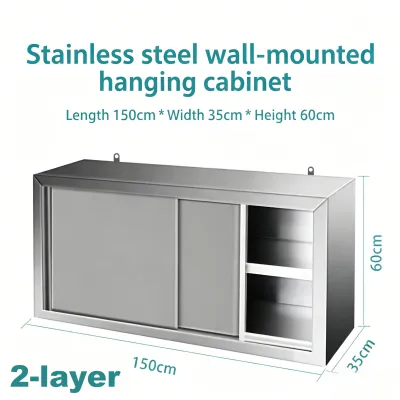
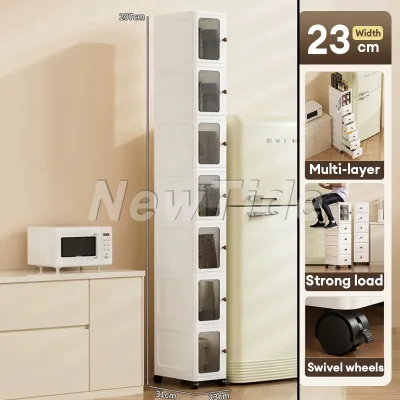
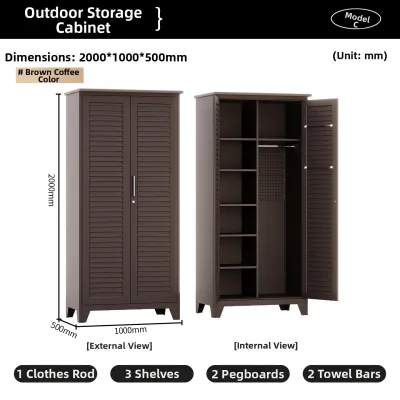
Prices are valid at publication and may change. Please refer to the product page for the latest price.
Standard modular kitchens often rely on cost-effective engineered woods like standard particleboard or medium-density fiberboard (MDF). While these materials are suitable for dry climates, they perform poorly in humid environments. When exposed to moisture from the air or minor plumbing leaks, the compressed wood fibers absorb water, leading to edge swelling, bubbling laminates, and eventual structural collapse. Once these materials swell, the damage is irreversible, often requiring a complete replacement of the affected units.
Beyond structural failure, damp engineered wood becomes a breeding ground for mold, mildew, and wood-boring insects like termites. This creates serious hygiene risks in areas where food, dining utensils, and cookware are stored. The musty odor associated with water-damaged cabinets is often a sign of active mold spores that can contaminate your kitchen environment and compromise indoor air quality.
Investing in waterproof modular cabinets offers a long-term solution that preserves kitchen hygiene and reduces overall maintenance costs. While the initial investment in premium waterproof materials is higher than standard MDF, it eliminates the need for frequent repairs or complete kitchen replacements after a severe storm or plumbing leak. Over time, this durability provides excellent value for money and peace of mind.
Key Features to Evaluate Before Buying a Storage Cabinet Waterproof Solution
When shopping for a modular kitchen upgrade, it is crucial to understand that not all “water-safe” cabinets are created equal. The term “waterproof” implies that a material can be completely submerged in water for extended periods without absorbing moisture, swelling, or losing its structural integrity. In contrast, “water-resistant” materials can only withstand minor splashes or brief exposure to high humidity before they begin to degrade. For high-risk areas like the kitchen, verifying this distinction is essential.

To ensure you are purchasing a truly waterproof system, always request the manufacturer’s technical specifications and material safety data sheets. Check for specific testing standards, such as water absorption rates and swelling percentages after prolonged immersion. Reliable brands will also provide clear warranty terms that explicitly cover water damage, delamination, and joint separation under tropical conditions. If a manufacturer refuses to provide these specifications, it is best to look elsewhere.
The overall durability of a cabinet depends heavily on the quality of its edge banding and joints. Seamless edge banding, typically applied using polyurethane (PUR) hot-melt adhesives or laser-fusing technology, prevents water from penetrating the edges of the panels. Inspect the joints to ensure there are no visible gaps, as even a tiny opening can allow moisture to seep into the core material over time. Check that all exposed edges, including those at the back of the cabinet, are properly sealed.
Evaluating Core Materials
Choosing the right core material is the most critical decision when planning your waterproof modular kitchen. There are several high-performance options available, each with its own set of characteristics and structural limits.
- PVC Foam Boards: High-density polyvinyl chloride (PVC) foam boards are entirely waterproof, impervious to rot, and highly resistant to termite infestations. Because they contain no wood fibers, they will not swell or warp regardless of moisture exposure. However, PVC is relatively lightweight and has lower flexural strength than plywood; therefore, PVC cabinets require internal reinforcement or thicker panels to support heavy stone countertops like granite or quartz.
- Marine-Grade Plywood: True marine-grade plywood is bonded with waterproof synthetic resins that resist delamination under wet conditions. While the wood fibers themselves can still absorb some moisture if left unfinished, a properly sealed marine plywood cabinet finished with high-pressure laminate (HPL) offers excellent structural strength and high water resistance. Verify that the plywood is genuinely marine-grade and not standard commercial plywood with a water-resistant coating.
- 304-Grade Stainless Steel: For ultimate durability and hygiene, 304-grade stainless steel is an exceptional choice. It is completely waterproof, rust-resistant under normal kitchen conditions, and easy to sanitize. Stainless steel cabinets are ideal for modern, industrial-style kitchens, though they can be prone to scratching and require careful handling to avoid dents.
- Aluminum Alloys: Powder-coated aluminum cabinets are lightweight, waterproof, rust-proof, and completely immune to termite damage. They offer a sleek, modern aesthetic and excellent structural stability. When evaluating aluminum cabinets, verify the thickness of the metal profiles and the quality of the powder coating to ensure long-term resistance to chipping and scratching.
Checking Hardware and Seals
Even the most waterproof cabinet panels will fail to function if the hardware holding them together succumbs to rust and corrosion. In a humid climate, standard steel hinges and drawer slides can degrade rapidly, leading to sagging doors and jammed drawers.
Always specify 304-grade stainless steel hinges, screws, and drawer runners for your kitchen cabinetry. For coastal areas where salty air accelerates corrosion, consider marine-grade or specialized anti-corrosion coated hardware. Check that the hardware is securely fastened, as loose screws can allow water to seep into the screw holes.
Inspect the quality of door seals and cabinet gaskets, particularly on units designed to keep out dust and moisture. High-quality silicone or synthetic rubber gaskets help create a tight seal, preventing humid air from circulating inside the cabinets and protecting dry goods or sensitive cookware. Ensure the seals are flexible and do not have gaps at the corners.
Incorporate soft-close mechanisms on all doors and drawers. These dampers prevent the physical impact of slamming, which can crack protective edge bands, loosen joint fasteners, and compromise the waterproof seals of the cabinet over time. Regular lubrication of these mechanisms will ensure they continue to operate smoothly.
Best Cabinet Types for Different Kitchen Zones
A well-designed modular kitchen is divided into distinct zones based on the tasks performed in each area. Because different zones experience varying levels of moisture exposure, you can optimize your renovation budget by matching the material performance to the specific demands of each zone. This targeted approach ensures maximum protection where it is needed most while keeping overall costs manageable.
For example, zones directly exposed to running water, plumbing connections, and wet prep work require the highest level of waterproof protection. Conversely, upper storage zones or dry pantry areas can utilize highly water-resistant materials that offer excellent structural strength at a more accessible price point. Understanding these zones allows you to plan a highly functional and durable kitchen layout.
Under-Sink and Wet Zone Base Cabinets
The area directly beneath the kitchen sink is the most vulnerable zone in any kitchen. It is constantly exposed to potential plumbing leaks, condensation from cold-water pipes, and accidental spills from dishwashing activities. Standard cabinets in this zone often fail within a few years due to persistent dampness.
For under-sink units and base cabinets adjacent to dishwashers, it is highly recommended to use fully waterproof materials such as high-density PVC foam boards or 304 stainless steel. These materials ensure that even a major plumbing leak will not ruin the cabinet structure or cause mold growth. They are also easy to wipe clean in the event of detergent spills.
Look for base units that feature integrated plastic or aluminum drip trays designed to catch minor leaks before they reach the cabinet floor. Additionally, ensure the cabinets are installed with raised, adjustable PVC or aluminum toe kicks rather than solid wooden bases; this keeps the cabinet carcass elevated off the floor, protecting it from water pooling during floor cleaning or minor flooding incidents.
Before purchasing pre-fabricated modular base units, carefully measure your plumbing clearances, drain pipe locations, and water supply lines. Ensure that any cutouts made in the cabinet panels for pipe access are thoroughly sealed with mold-resistant silicone sealant to prevent moisture from entering the core material. Double-check all measurements to avoid unnecessary modifications during installation.
Tall Pantry and Wall Cabinets
Tall pantry units and wall-mounted cabinets are primarily used to store dry ingredients, small appliances, and dinnerware. While these areas are rarely subjected to direct water splashes, they must still withstand the ambient humidity that naturally rises toward the ceiling during cooking.
Marine-grade plywood with a high-quality HPL finish is an excellent choice for upper cabinets. It provides the necessary structural strength to hold heavy stacks of plates and dry goods without sagging, while the laminated surface prevents humid air from penetrating the wood core. Ensure all edges are completely banded to prevent moisture ingress.
To prevent the buildup of stale, humid air inside closed pantry cabinets, choose designs that incorporate subtle ventilation features. Louvered doors, breathable wire mesh panels, or small ventilation grilles allow air to circulate freely, reducing the risk of mold growth on stored food items and spices. This is especially important for pantries located near cooking zones.
Before installing heavy wall cabinets, always verify the load-bearing capacity of your kitchen walls. Concrete or solid brick walls are ideal for supporting heavily loaded upper units, whereas drywall or light partition walls require proper internal framing and heavy-duty wall anchors to ensure the cabinets remain securely mounted. Never exceed the manufacturer’s specified load limits for wall-mounted units.
Installation and Maintenance for Long-Lasting Protection
The long-term performance of your waterproof cabinets depends as much on proper installation and routine care as it does on the quality of the materials. Even the most advanced waterproof panels can fail to protect your kitchen if water is allowed to seep behind the units or pool in hidden gaps. Taking the time to install and maintain your cabinets correctly will extend their lifespan significantly.
Before starting the installation process, conduct thorough site preparations. Measure the available kitchen space carefully, checking for wall plumbness and floor levelness, as uneven surfaces can put structural stress on modular joints and compromise their seals. Ensure there is adequate clearance for all appliance doors, walkways, and cabinet openings. If your floor is uneven, use adjustable cabinet legs to achieve a perfectly level installation.
Once the cabinets are positioned and leveled, seal all gaps between the cabinet carcasses, the walls, and the countertops. Use a premium, mold-resistant neutral-cure silicone sealant to create a watertight barrier. Pay special attention to the joint where the countertop backsplash meets the wall, as this is a common path for water to run down behind the base cabinets. Allow the sealant to cure completely before using the kitchen.
Establish a simple routine maintenance schedule to keep your kitchen in optimal condition. Wipe down cabinet surfaces promptly after cooking or washing dishes to remove grease, condensation, and food splatters. Periodically inspect the cabinet interiors, especially under the sink, for any signs of slow plumbing leaks or dampness. Early detection of leaks can prevent water damage to surrounding areas.
Regularly check the cabinet hinges and drawer slides for early signs of rust or stiffness. If you notice any corrosion, clean the hardware with a mild rust remover and apply a light coating of silicone-based lubricant to protect the metal from the humid air. Ensure all screws remain tight and adjust the hinges if doors begin to sag.
Safety Boundary Warning: Always prioritize safety during kitchen installations. If your modular cabinet setup requires modifications to your home’s plumbing lines, electrical outlets, or structural wall framing, stop immediately and consult a licensed plumber, electrician, or structural engineer. Attempting to reroute utility lines or mount heavy structures without professional guidance can lead to hazardous leaks, electrical faults, or structural failures that compromise your home’s safety and void your product warranties.
Frequently Asked Questions (FAQ)
Can I retrofit my existing modular kitchen with waterproof cabinets?
Yes, you can replace individual cabinets within an existing modular kitchen setup without dismantling the entire system. This is a highly cost-effective strategy if only specific areas, such as the under-sink cabinet, have suffered water damage.
To ensure a successful retrofit, you must carefully measure the exact height, width, and depth of the existing cabinet carcass (the internal frame). Verify that the new waterproof unit is fully compatible with your existing countertop material, adjacent cabinets, and built-in appliances. Any discrepancy in dimensions can lead to alignment issues or structural instability.
Because removing a single cabinet can affect the structural support of heavy countertops (especially granite, quartz, or solid surface materials), it is advisable to seek professional assistance. A qualified installer can safely support the countertop, slide out the damaged unit, and secure the new waterproof cabinet in place without causing cracks or alignment issues.
Are PVC cabinets safe for storing food and kitchenware?
High-quality PVC foam boards manufactured specifically for residential furniture are entirely safe for storing food, cookware, and dinnerware. These boards are typically lead-free, non-toxic, and do not emit harmful volatile organic compounds (VOCs).
When purchasing PVC modular cabinets, always verify that the material complies with international safety and environmental standards. Look for certifications such as RoHS (Restriction of Hazardous Substances) or low-VOC emission ratings on the product specification sheets or packaging. This ensures the material is safe for indoor use.
Avoid extremely cheap, unbranded PVC boards that may contain recycled plastics of unknown origin or harmful chemical additives. Stick to reputable manufacturers who provide transparent material sourcing and clear safety certifications for peace of mind.
How do I clean and maintain stainless steel kitchen cabinets?
Maintaining the sleek appearance of stainless steel cabinets requires simple but specific care to prevent water spots, fingerprints, and surface scratches.
For daily cleaning, use a soft microfiber cloth dampened with warm water and a few drops of mild dishwashing soap. Always wipe in the direction of the brushed metal grain to avoid creating fine hairline scratches on the surface. Rinse with clean water and dry thoroughly with a dry microfiber towel to prevent water spots from forming.
Never use abrasive scrubbing pads, steel wool, or harsh chlorine-based bleach cleaners on stainless steel. These materials can scratch the surface and strip away the invisible chromium oxide layer that protects the steel from rusting. For stubborn grease or fingerprints, use a specialized stainless steel cleaner and polish recommended by the manufacturer, applying it gently with a soft cloth.
Community discussion
Share your experience or ask a question. Comments are reviewed before publication.