
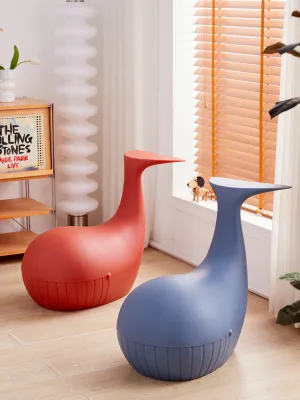
A whale chair—distinguished by its organic, sculptural silhouette that mimics the sweeping curves of a whale’s tail fluke or underbelly—makes an exceptional centerpiece for a home reading nook. It combines deep, accommodating seating with an enveloping backrest that naturally cradles the body, offering a private sanctuary for book lovers.
To build the perfect reading corner, you must balance this striking aesthetic with practical considerations like tropical humidity, room dimensions, and ergonomic support. Selecting the right style and surrounding elements ensures your reading nook remains comfortable, functional, and visually inviting for years to come.
Key Features to Look for in a Reading Whale Chair
The whale chair concept emerged from modern sculptural furniture design, prioritizing fluid, continuous lines over traditional, blocky structures. Its signature wide, flared backrest and deeply contoured seat shell create a distinctive visual weight that anchors any room. When evaluating these chairs specifically for reading, several key ergonomic and material features deserve close attention.
Products mentioned in this guide
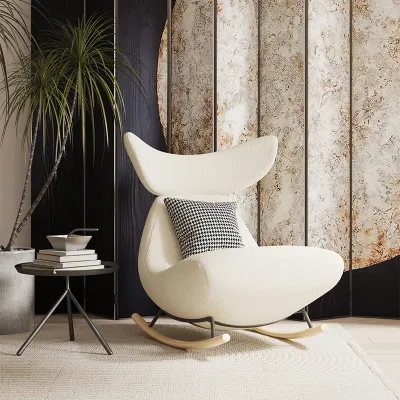
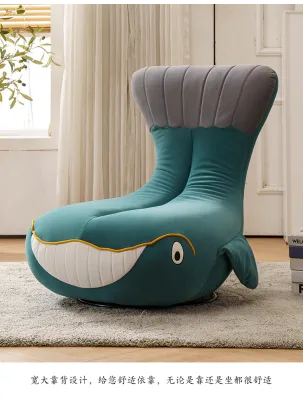
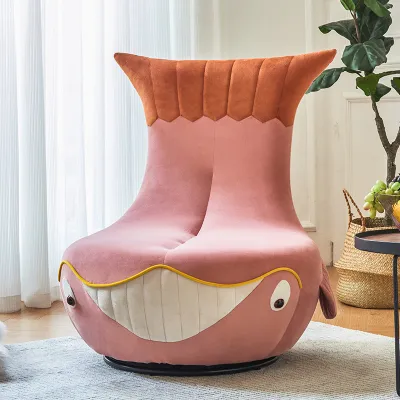
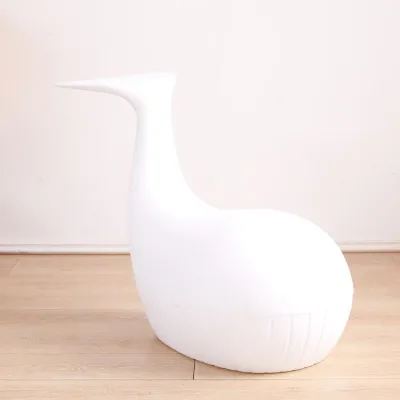
Prices are valid at publication and may change. Please refer to the product page for the latest price.
Ergonomic Requirements for Reading
- Lumbar Support: Deep-seated chairs can cause your lower back to slump if proper support is missing. Look for a whale chair with built-in lumbar contouring, or select a model that easily accommodates an additional supportive cushion.
- Armrest Height: For comfortable reading, armrests should support your elbows naturally without forcing your shoulders upward. This prevents neck fatigue during long reading sessions.
- Seat Depth and Angle: The ideal reading posture is slightly reclined. A seat depth of 22 to 24 inches allows you to tuck your legs up or sit back fully, while a gentle backward slope distributes your body weight evenly.
Material and Upholstery for Tropical Climates
- Fabric Breathability: High humidity can make heavy synthetic fabrics feel sticky and uncomfortable. Choose natural linen, cotton blends, or high-performance woven fabrics that allow air to circulate freely.
- Moisture and Mold Resistance: Look for fabrics treated with moisture-wicking and antimicrobial finishes. These treatments help prevent the growth of mold, mildew, and musty odors, which are common challenges in tropical homes.
- Frame and Joint Durability: Environmental moisture can cause low-quality wood frames to warp or crack over time. Prioritize chairs built with kiln-dried hardwood frames or powder-coated steel bases, which offer superior resistance to humidity. Always check the manufacturer's care label to verify the frame construction and fabric treatment details.
Top Whale Chair Styles for a Comfortable Reading Nook
Selecting the right structural style depends on your available space, preferred reading posture, and how you intend to use the room. The following table compares the three primary whale chair styles across key spatial and functional dimensions.

| Style | Footprint (Approx.) | Best Use Case | Key Space Requirement |
|---|---|---|---|
| High-Back Wraparound | Large (90 x 95 cm) | Immersive, long reading sessions | Needs high ceilings or open corners |
| Low-Profile Deep Seater | Medium to Large (85 x 85 cm) | Relaxed, casual lounging | Requires space for an ottoman |
| Swivel Base | Medium (80 x 80 cm) | Multi-functional, flexible rooms | Needs 360-degree rotational clearance |
The High-Back Wraparound Whale Chair
This style features a tall, commanding backrest that extends upward to support your head and neck, with curved sides that gently wrap around you. This design creates a private, cocoon-like micro-environment, isolating the reader from ambient household noise and visual distractions.
Because of its tall profile, this chair has a substantial visual presence. In smaller rooms, it can dominate the space or block natural light if placed directly in front of a window. To balance its visual weight, pair it with minimalist, low-profile side tables and lighter decorative accents.
- Best Placement: Large living room corners, dedicated home libraries, or spacious master bedrooms with high ceilings.
- Ergonomic Benefit: Provides excellent neck and upper back support, eliminating the need for a separate headrest cushion.
The Low-Profile Deep Seater
This style sits closer to the floor, emphasizing horizontal lines and a relaxed, casual aesthetic. It features an extra-deep seat and a reclined backrest, perfect for lounging, scrolling through a tablet, or reading in a semi-reclined position.
While highly comfortable, the low-profile design requires a bit more physical effort to stand up from, which may not be ideal for individuals with limited mobility. Additionally, to achieve optimal comfort, you will need to pair it with an ottoman or footstool so you can stretch out your legs. Ensure the ottoman matches the seat height for proper alignment.
- Best Placement: Sunrooms, cozy bedrooms, or open-concept living areas with low windows, as its low height won't block outdoor views.
- Ergonomic Benefit: Promotes deep muscle relaxation by distributing body weight across a wider, reclined surface.
The Swivel Base Whale Chair
Combining the classic organic shape of the whale chair with a functional 360-degree swivel mechanism, this style offers unmatched versatility. It allows you to pivot effortlessly to follow the shifting natural light throughout the day, turn toward a window view, or face the rest of the room to join a conversation.
When choosing a swivel model, mechanical safety is paramount. Ensure the swivel mechanism is fully enclosed to prevent dust accumulation and protect curious pets or children. Check the manufacturer’s specified weight capacity and verify that the base is equipped with non-slip, non-marking protective pads to safeguard your flooring.
- Best Placement: Multi-functional spaces, open-plan living areas, or home offices where flexibility is key.
- Ergonomic Benefit: Reduces neck and back strain by allowing you to easily adjust your physical orientation rather than twisting your body.
How to Build a Cozy Reading Corner Around Your Chair
Once you have selected your whale chair, surrounding it with the right supporting elements transforms a single piece of furniture into a functional, inviting reading retreat.
Lighting Placement Strategies
- Avoid Overhead Glare: Overhead ceiling lights can cast harsh shadows on your pages. Instead, place an adjustable floor lamp slightly behind and to one side of your whale chair.
- Adjustable Task Lighting: A lamp with an articulating arm allows you to direct light precisely onto your book without reflecting glare into your eyes. If floor space is limited, a swing-arm wall sconce offers a stylish, space-saving alternative.
- Color Temperature: Opt for warm-white LED bulbs (2700K to 3000K). This temperature reduces eye strain and creates a soft, relaxing glow perfect for evening reading.
Side Table Selection
- Height Compatibility: A deep-seated whale chair requires a side table that is easily reachable without requiring you to lean forward or stretch awkwardly. Choose a table that stands roughly level with or slightly below the chair's armrests.
- Compact Footprint: A compact, three-legged wooden table or a slender metal pedestal table provides just enough surface area for a cup of tea, a reading lamp, and your current book without cluttering the nook.
Textiles and Anchoring
- Define the Zone: An area rug is essential to visually anchor your reading corner. A round rug beautifully complements the organic, curved lines of a whale chair.
- Breathable Rug Materials: In a tropical climate, choose rugs made from natural, breathable fibers like flat-woven cotton, jute, or sisal. These materials resist trapping moisture and are easy to clean.
- Supportive Cushions: Add a breathable linen or cotton throw pillow to provide extra, adjustable lumbar support, and keep a lightweight cotton throw blanket nearby for cooler, air-conditioned evenings.
Space Planning and Clearance for Deep Accent Chairs
Proper spatial planning ensures your reading corner feels cozy rather than cramped, allowing for safe movement and easy maintenance.
Measuring the True Footprint
- Account for Flares: Because of their unique, sculptural designs, whale chairs often have flared armrests or swept-back headrests that extend far beyond the physical base of the chair.
- Measure Widest Points: When planning your space, always measure the absolute widest and deepest points of the chair, rather than just the footprint of the legs or swivel base. This ensures the chair will not press against walls or crowd adjacent furniture.
Pathway Clearance
- Maintain Walking Space: To ensure comfortable movement and a sense of openness, maintain at least 18 to 24 inches of clear walking space around the chair.
- Easy Access: This clearance allows you to easily enter and exit the nook, access nearby shelves, and clean the surrounding floor without restriction.
Delivery and Access Checks
- Verify Entryways: Many premium whale chairs are shipped fully assembled or in large, heavily padded boxes to protect their curved frames.
- Measure the Route: Measure all doorways, hallway turns, stairwells, and elevator dimensions along the delivery route to guarantee the chair can safely reach its final destination without damage to your home or the furniture.
Frequently Asked Questions (FAQ)
How do I clean upholstered whale chairs in a humid climate?
To keep your upholstered whale chair fresh and free from mold in a humid climate, regular maintenance is essential. Always start by checking the manufacturer’s care tag for the recommended cleaning code (such as W for water-based cleaners or S for dry-cleaning solvents). Vacuum the chair weekly using a soft brush attachment to remove dust, pet dander, and skin cells, which can attract dust mites and trap moisture. To combat high indoor humidity, place a small dehumidifier or moisture-absorbing sachets in your reading corner, and keep the room well-ventilated. If a spill occurs, blot it immediately with a clean, dry microfiber cloth; avoid rubbing, which can push moisture deeper into the padding, and never use harsh chemical detergents that could damage the fabric fibers.
Can a large whale chair fit in a small apartment bedroom?
Yes, a whale chair can absolutely fit in a smaller bedroom with some strategic layout adjustments. Instead of placing the chair flat against a wall, try positioning it diagonally in an underutilized corner. This layout opens up the center of the room and makes the corner feel cozy rather than cramped. Consider opting for a low-profile or armless whale chair variation, as these styles have a less dominant visual presence and allow natural light to flow uninterrupted across the room. Always measure the diagonal depth of your chosen corner before purchasing to ensure the chair’s flared backrest has at least a few inches of breathing room from the walls, preventing scuff marks and allowing proper air circulation.
Community discussion
Share your experience or ask a question. Comments are reviewed before publication.