
Finding the perfect white coffee table for a compact Filipino living room requires a careful balance of scale, utility, and resilience. In tight urban spaces like metropolitan condominiums and townhouses, every square meter counts. A white coffee table is an excellent design choice for these homes because the bright, light-reflective color naturally opens up a room, making small footprints feel significantly larger and less congested.
However, selecting the right piece goes beyond aesthetics. You must consider how the table interacts with your existing furniture, whether it offers multi-functional benefits to maximize your floor plan, and how well its materials can withstand the high humidity of the Philippine climate. By focusing on smart shapes, functional designs, and moisture-resistant finishes, you can elevate your living area into a highly functional, stylish hub.
How to Choose the Right White Coffee Table for a Small Living Room
When arranging a compact living area, spatial flow is your highest priority. The most common mistake in small-space design is choosing a coffee table that blocks natural pathways. To maintain comfortable movement, aim for a clearance of 30 to 45 centimeters between the edge of your coffee table and the front of your sofa. This distance provides enough legroom to sit comfortably while keeping the tabletop within easy reach for drinks or books. Additionally, ensure there is at least 60 to 75 centimeters of walkway space between the table and other major pieces of furniture, such as a television console or an armchair, to prevent a cramped bottleneck.
Products mentioned in this guide

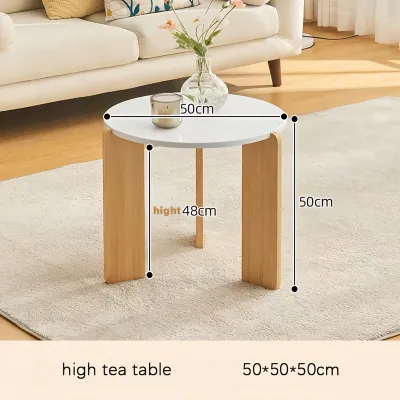
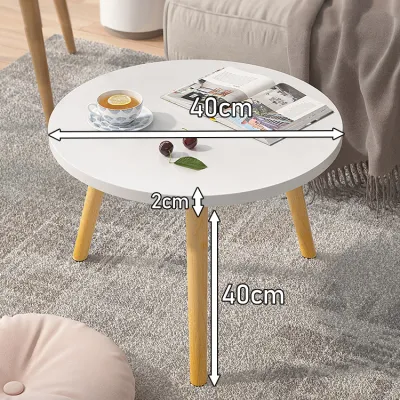
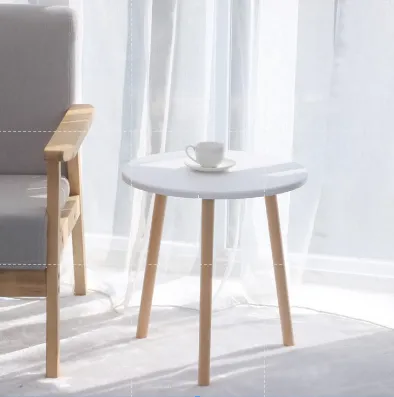
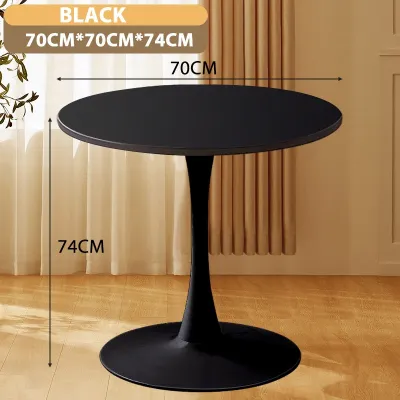
Prices are valid at publication and may change. Please refer to the product page for the latest price.
Another critical factor is the visual weight of the furniture. Heavy, solid-block coffee tables can act like visual anchors that make a small room feel crowded. To create an airy, spacious atmosphere, look for tables with high visual transparency. Pieces featuring slender, exposed legs—such as tapered wooden dowels or thin metal frames—allow light to pass underneath, tricking the eye into perceiving more floor space. Incorporating open shelving or a tempered glass top with a white painted frame can also reduce visual clutter, maintaining a bright and open aesthetic.
Finally, you must match the table’s physical proportions to your sofa. As a general rule of thumb, the length of your coffee table should be approximately one-half to two-thirds the total length of your sofa. A table that is too long will dominate the seating area, while one that is too small will look disjointed and offer insufficient surface area. The height of the table should sit within 2 to 5 centimeters of your sofa’s seat cushions. Choosing a table that is significantly taller or shorter can disrupt the visual line of the room and make daily use ergonomically uncomfortable.
Recommended White Coffee Table Styles for Compact Spaces
Different lifestyles demand different spatial solutions, especially when square footage is limited. Rather than viewing a small living room as a design limitation, consider it an opportunity to select a coffee table style that works double duty. The following design styles are particularly well-suited for compact Philippine homes, each addressing specific spatial and functional challenges.

Lift-Top Tables for Dining and Working
For studio apartments and modern condominiums where a separate dining room or home office is not feasible, a white lift-top coffee table serves as an exceptional multi-functional centerpiece. These innovative designs feature a top surface that smoothly lifts upward and forward, bringing the tabletop closer to you while you sit on the sofa. This mechanical transition instantly converts your casual living room setup into an ergonomic workstation or a comfortable dining table.
When shopping for a lift-top model, pay close attention to the internal lifting mechanism. High-quality spring-loaded or hydraulic gas struts are essential for smooth, quiet operation and to prevent sudden drops that could pinch fingers or spill items. Check the manufacturer’s specified weight capacity for both the closed and fully extended positions to ensure it can support your laptop, books, or dining plates. Additionally, look for built-in safety locks or soft-close hinges that provide extra stability when the table is elevated.
Nesting Tables for Flexible Entertaining
Nesting tables consist of two or three individual tables of graduated sizes designed to slide completely underneath one another. This configuration is highly beneficial for small-space living because it occupies a single, compact footprint during your daily routine but can be pulled apart to expand your surface area when hosting guests. You can easily distribute the smaller tables around the room as temporary side tables for drinks and snacks, then tuck them away when the gathering ends.
To style nesting tables in a small room, you can stagger them slightly to create a layered, tiered effect that adds depth and visual interest without overwhelming the floor plan. When selecting a set, check the stability of the individual pieces, particularly the smallest table, which often has thinner legs. Ensure the frames are sturdy enough to resist tipping over if bumped by pets or children, and verify that the nesting mechanism allows for smooth sliding without scratching the finish of the lower tables.
Round and Oval Tables for Better Traffic Flow
In tight living spaces where walkways are narrow, sharp furniture corners present a constant hazard for painful bumps and bruises. Round and oval white coffee tables are highly recommended for compact layouts because their curved silhouettes naturally soften the hard lines of a room and facilitate smoother traffic flow. Without sharp corners, family members and guests can move easily around the seating area, which is especially beneficial in high-traffic zones.
Curved tables also offer excellent spatial flexibility. They can fit comfortably into awkward angles or tight seating arrangements where a rectangular table would feel too restrictive. Visually, the flowing lines of a round or oval table break up the boxy feel of typical rectangular condo layouts, creating a more relaxed and inviting atmosphere. When choosing a round table, look for a pedestal base or tripod legs to maximize legroom and allow you to tuck floor cushions underneath when extra seating is required.
Tables with Hidden Storage for Clutter Control
Clutter is the ultimate enemy of a small room, quickly making even a well-designed space feel chaotic. A white coffee table with hidden storage provides a discreet way to organize everyday items like remote controls, magazines, chargers, and extra throw blankets. By keeping these items out of sight, you can maintain clean, minimalist surfaces that enhance the sense of spaciousness.
When evaluating storage options, compare the practicality of lift-top compartments against hidden drawers or sliding panels. Lift-top storage offers a deep, singular compartment that is ideal for larger items, but it requires you to clear the tabletop before accessing the interior. Hidden drawers or open lower shelves with matching storage baskets allow you to retrieve items without disturbing your tabletop decor. Whichever style you choose, inspect the drawer glides and hinges to ensure they operate smoothly and do not compromise the overall structural integrity or balance of the table.
Material and Finish Guide for the Philippine Climate
The tropical climate of the Philippines introduces unique challenges for wooden furniture, including high humidity, intense seasonal heat, and moisture fluctuations. Selecting the right materials and finishes is crucial to ensure your white coffee table remains structurally sound and retains its pristine color over time.
Engineered wood, such as Medium-Density Fiberboard (MDF) or particleboard, is a popular and budget-friendly choice for white furniture due to its smooth, uniform surface. However, standard engineered wood is highly susceptible to absorbing atmospheric moisture, which can cause the fibers to swell, warp, and split. If you choose an MDF or particleboard table, ensure it is treated with a moisture-resistant coating or sealed with a high-quality laminate. For long-term durability, solid wood frames (such as kiln-dried mahogany or rubberwood) or powder-coated metal bases offer superior resistance to warping and structural degradation in humid environments.
The type of white finish you choose also affects both the maintenance routine and the visual longevity of the table. High-gloss finishes reflect a significant amount of light, which helps brighten dark corners and makes small rooms feel more expansive. However, high-gloss surfaces are prone to showing fingerprints, dust, and fine scratches, requiring frequent wiping with a soft microfiber cloth. Matte or semi-gloss finishes, on the other hand, are much more forgiving with daily wear, effectively concealing minor scratches and smudges while providing a modern, understated look.
One of the most common issues with white furniture is UV-induced yellowing, which occurs when the finish is exposed to direct sunlight over extended periods. To prevent your table from developing unsightly yellow patches, check the product specifications for UV-resistant topcoats or polyurethane lacquers that protect the paint from sun damage. Additionally, position your coffee table away from windows that receive direct afternoon sunlight, or use sheer curtains and UV-blocking window films to protect your interior furnishings.
Before finalizing your purchase, always perform a quick quality check on the edges and joints of the table. Examine the edge banding—the thin strip of material used to cover the exposed edges of engineered wood—to ensure it is completely flush and tightly bonded. Any gaps, peeling, or loose seals can allow moisture to penetrate the core material, leading to irreversible swelling and bubbling of the white finish.
Quick Comparison of Small-Space White Coffee Table Styles
To help you decide which white coffee table style best aligns with your daily routine and space constraints, review this quick comparison of the primary design options.
| Table Style | Best Use Case | Space-Saving Benefit | Maintenance Level |
|---|---|---|---|
| Lift-Top | Working from home, casual dining, and deep storage | Eliminates the need for a separate desk or dining table | Moderate (requires regular hinge and mechanism checks) |
| Nesting | Entertaining guests and flexible room layouts | Tucks away into a single footprint when not in use | Low (simple dusting and occasional slide checks) |
| Round & Oval | High-traffic pathways and homes with children or pets | Eliminates sharp corners to improve traffic flow | Low (easy to clean curved surfaces) |
| Hidden Storage | Organizing living room clutter and media accessories | Keeps surfaces clear without needing extra cabinets | Moderate (requires drawer glide cleaning) |
Frequently Asked Questions (FAQ)
How do I keep a white coffee table from turning yellow?
To prevent your white coffee table from turning yellow, keep it out of direct sunlight by placing it away from windows or using protective window treatments like UV-blocking films or curtains. Clean the surface regularly using a soft microfiber cloth dampened with mild, non-abrasive soap and warm water. Avoid using harsh chemical cleaners, ammonia, or bleach, as these abrasive substances can strip away the protective topcoat and accelerate the yellowing process.
What is the ideal height for a coffee table in a small room?
The ideal height for a coffee table in a small room is typically between 40 and 45 centimeters, which generally aligns with or sits slightly lower than the height of your sofa’s seat cushions. Keeping the table at this height ensures comfortable ergonomics when reaching for items while maintaining a low visual profile. An overly tall coffee table can disrupt the visual flow of a compact room, making the space feel closed-in and cluttered.
Community discussion
Share your experience or ask a question. Comments are reviewed before publication.