
Selecting the right wardrobe for a tropical home requires balancing aesthetics with environmental resilience. In the Philippines, where relative humidity levels frequently exceed 80 percent, choosing the wrong material can quickly lead to warped doors, sagging shelves, and mold-ruined garments. The ideal material for a hanger wood cabinet for clothes must withstand high moisture levels, resist local wood-boring pests, and remain structurally stable over years of daily use. While premium solid hardwoods like kiln-dried teak or mahogany offer excellent natural resistance, high-grade marine plywood treated with protective sealants serves as a highly durable and cost-effective alternative.
Understanding Humidity and Pest Risks for Wooden Wardrobes
High humidity is the primary catalyst for wooden furniture degradation in tropical climates. Wood is a hygroscopic material, meaning it naturally absorbs and releases moisture from the surrounding air to reach equilibrium. When exposed to persistent atmospheric moisture, wooden panels swell, causing doors to misalign, drawers to stick, and structural joints to weaken. Over time, this constant expansion and contraction cycle compromises the overall stability of the wardrobe, potentially leading to irreversible warping.
Beyond structural distortion, elevated moisture levels create an ideal breeding ground for fungal spores. Mold and mildew thrive in dark, unventilated spaces, particularly inside closed cabinets where damp clothes or humid air becomes trapped. This mold not only leaves unsightly stains and musty odors on the wood but can also permanently damage delicate fabrics, linens, and leather goods stored inside.
Products mentioned in this guide
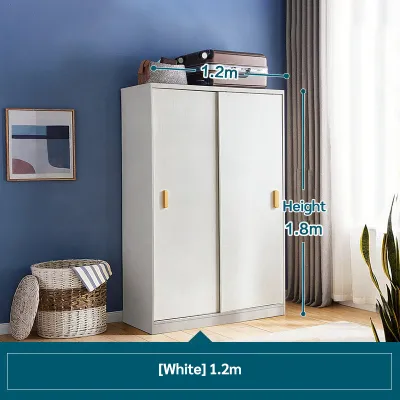
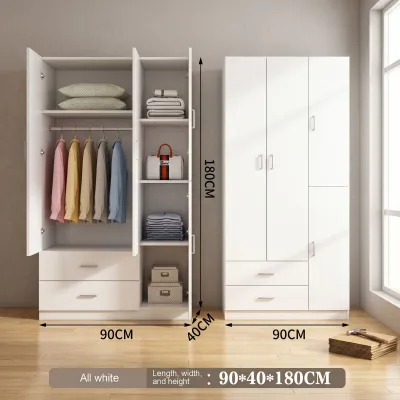
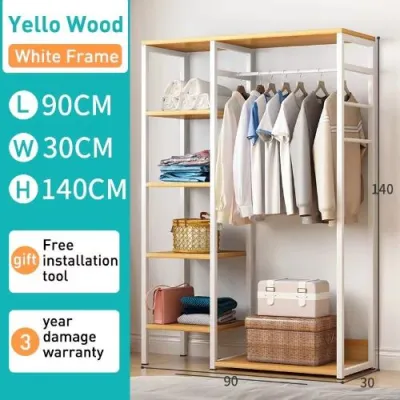
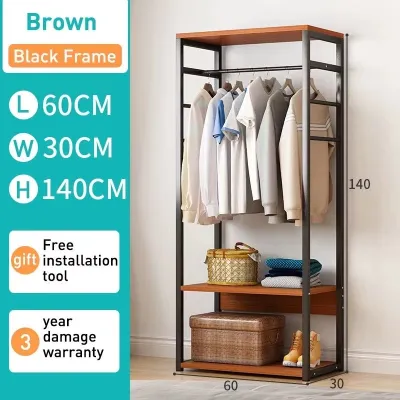
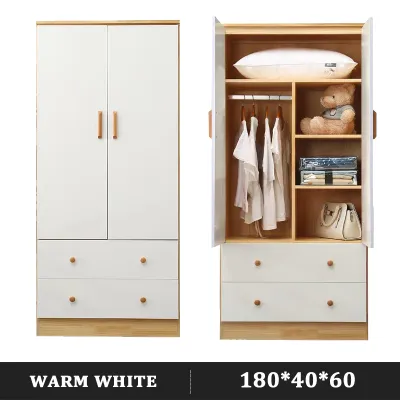
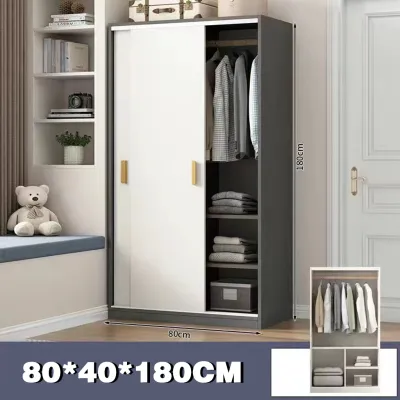
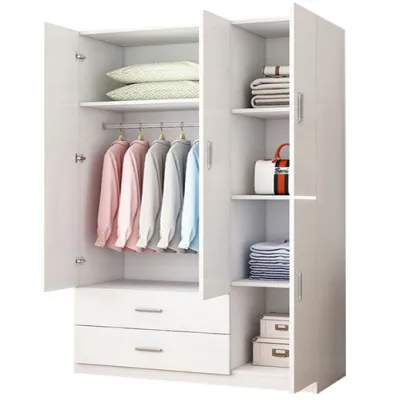
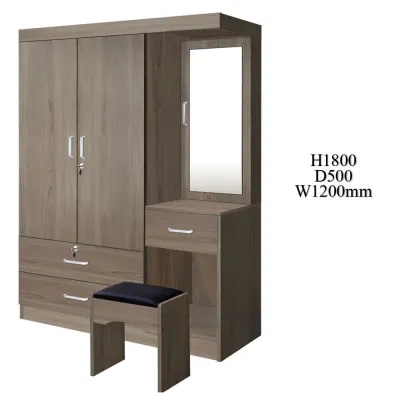
Prices are valid at publication and may change. Please refer to the product page for the latest price.
Furthermore, tropical environments host active populations of wood-boring pests, most notably subterranean and drywood termites (locally known as anay). Untreated or poorly finished wood provides an abundant food source for these insects, which can quietly hollow out the internal support panels of a wardrobe before any external damage becomes visible. Protecting your investment requires a proactive approach that prioritizes pest-resistant properties and robust surface finishes.
Key Wood Properties to Evaluate for Tropical Climates
When evaluating materials for a wardrobe, relying solely on popular wood names is rarely sufficient. A wood species name does not guarantee weather, moisture, scratch, or durability performance; instead, you must assess specific physical characteristics and manufacturing treatments.

First, consider the presence of natural oils and resins within the wood. Certain solid hardwoods naturally produce organic compounds that act as natural deterrents against termites and fungal decay. However, these properties can be compromised during processing, so it is essential to verify with the manufacturer whether these natural protective elements have been preserved in the final product.
Second, wood density and hardness play a critical role in moisture resistance. Denser woods generally possess smaller pore structures, which slows down the rate of water absorption. Rather than guessing based on appearance, ask the retailer or manufacturer for technical specifications regarding density grades or hardness ratings to compare options objectively.
Third, the quality of surface treatments and protective coatings often matters more than the raw wood species itself. Modern anti-fungal, anti-termite, and moisture-resistant finishes—such as high-grade polyurethane, specialized wood lacquers, and marine-grade sealants—create an impermeable barrier that prevents moisture and pests from reaching the wood fibers. Always review the manufacturer’s documentation regarding their finishing processes.
Finally, integrate practical installation factors into your evaluation framework. Consider the finished dimensions of the cabinet in relation to your available floor space and ceiling height. Ensure that the delivery path, including doorway clearances and condominium lift access, can accommodate the unit. For safety and longevity, verify the cabinet’s stability, load capacity, anchoring methods, and assembly conditions before making a final decision.
Selecting a Hanger Wood Cabinet for Clothes: Comparing Common Wood Options
Navigating the furniture market reveals a wide array of material compositions, each presenting distinct trade-offs in terms of cost, durability, and maintenance requirements.
Solid Hardwoods (e.g., Teak, Mahogany, Narra)
Solid hardwoods are traditionally favored for high-end furniture due to their strength, weight, and classic aesthetic. Species like teak and premium mahogany are highly regarded for their dense grain structures and natural oils, which provide inherent resistance to moisture and pests. Narra, a local hardwood, is similarly prized for its exceptional durability and stability under varying humidity levels.
However, these premium materials come with a substantial financial investment and significant structural weight. Prices for custom or high-quality solid wood wardrobes in the local market typically fall into premium price bands, often starting from ₱30,000 and reaching well over ₱100,000 depending on the size and craftsmanship. Additionally, solid wood is highly sensitive to moisture fluctuations if not processed correctly. You must verify that the manufacturer has properly kiln-dried the timber to an optimal moisture content (typically between 8% and 12%) before fabrication. Without proper kiln-drying, even the finest hardwood will warp or crack in a humid room. Always request legal wood sourcing certifications to ensure environmental compliance.
Engineered Woods (Plywood, MDF, Particleboard)
Engineered woods are widely used in modern furniture manufacturing due to their affordability, uniform surface, and design flexibility. However, their performance in humid environments varies dramatically by type. Standard medium-density fiberboard (MDF) and particleboard are highly susceptible to moisture; they absorb airborne water rapidly, leading to swelling, sagging, and eventual structural disintegration.
If you decide to purchase an engineered wood cabinet, high-grade plywood—specifically marine plywood or moisture-resistant (MR) plywood—is the superior choice. Plywood consists of cross-laminated wood veneers bonded under high pressure, which provides excellent dimensional stability and resistance to warping. When opting for any engineered wood product, inspect the integrity of the edge banding closely. Ensure that all edges are completely sealed with thick PVC or ABS banding to prevent raw core exposure, as any unsealed gap will allow humid air to penetrate and damage the panel.
Wood Alternatives and Composites
For areas of the home experiencing extreme humidity or persistent pest threats, wood-plastic composites (WPC) and synthetic wood alternatives offer a modern solution. These materials are manufactured by combining wood fibers with thermoplastic resins, resulting in a product that is entirely waterproof, rot-proof, and immune to termite attacks.
While these composites eliminate the risks of mold and decay, they present mechanical limitations that require careful inspection. Wood-plastic composites generally have lower structural rigidity and load-bearing capacity compared to solid wood or high-quality plywood. Before purchasing a WPC wardrobe, verify the load-bearing specifications of the shelving and the hanging rod support. Under the weight of heavy winter coats or dense clothing collections, unsupported composite panels can bow or sag over time.
Essential Features to Inspect Before Buying
A successful purchase depends on a meticulous physical inspection of the wardrobe’s construction details. Use this checklist to verify that the cabinet is engineered to survive a humid environment.
- Edge Banding and Sealing: Examine the back panel, the undersides of shelves, and all joints. Every exposed edge of engineered wood must be fully sealed with high-quality edge banding. Unsealed back panels are a common entry point for moisture and mold.
- Hardware and Hinges: Humid air accelerates metal corrosion. Ensure that all hinges, drawer slides, hanging rods, and assembly screws are made of rust-resistant materials, such as marine-grade stainless steel or galvanized metal. Corroded hardware can seize up and leave permanent rust stains on your garments.
- Ventilation Design: Air stagnation promotes mold growth. Look for wardrobes that incorporate active ventilation features, such as louvered doors, back-panel ventilation grilles, or small breathable gaps. These features allow air to circulate freely, keeping the interior dry.
- Structural Support and Stability: Inspect the mounting brackets and fixing methods for the hanging rod. A robust hanger wood cabinet for clothes should feature metal brackets securely screwed into solid structural panels rather than thin backing boards. Assess the overall stability of the unit and check if it includes hardware for wall anchoring to prevent tipping.
- Assembly and Access: Verify whether the cabinet is delivered fully assembled or flat-packed. Flat-packed units require precise assembly to ensure all joint seals remain intact. Confirm that the dimensions allow safe transit through your doorways, hallways, and stairwells.
Practical Maintenance to Protect Your Wooden Cabinet
Even the highest quality wood wardrobe requires consistent care to withstand tropical humidity over the long term. Implementing simple, preventative maintenance habits will protect both your furniture and your wardrobe investment.
First, actively manage the microclimate inside your cabinet. Place moisture-absorbing desiccants, silica gel packets, or hanging dehumidifier bags in the corners of the wardrobe, replacing them regularly as they fill with water. If your budget allows, running a room dehumidifier or air conditioning unit during the peak of the rainy season will significantly lower ambient humidity.
Second, position your wardrobe strategically to encourage air circulation. Avoid pushing the cabinet completely flush against concrete walls, which can transfer moisture directly to the wood; instead, leave a gap of at least two to three inches. Inside the cabinet, avoid overpacking the hanging rods and shelves. Leaving breathing room between garments allows air to circulate, preventing localized dampness.
Third, establish a regular cleaning and inspection routine. Wipe down the wooden surfaces with a soft, slightly damp microfiber cloth to remove dust, and follow immediately with a dry cloth to prevent moisture from lingering. Periodically empty the cabinet to inspect dark corners, joints, and the back panel for early signs of mold or termite activity. If you notice structural sagging, deep wood soft spots, or active insect infestations, stop using the cabinet immediately and consult a qualified pest control or furniture restoration professional.
Frequently Asked Questions (FAQ)
Is it safe to use MDF for a wardrobe in the Philippines?
Standard MDF is generally not recommended for wardrobes in high-humidity areas of the Philippines due to its high risk of moisture absorption, swelling, and mold colonization. It should only be considered if the manufacturer explicitly certifies that the material is a moisture-resistant grade (often green-core MDF), all edges are perfectly sealed with professional edge banding, and the room is kept consistently climate-controlled with active air conditioning or dehumidification.
How can I tell if a wooden cabinet is termite-resistant?
You cannot determine termite resistance simply by looking at a wood species or relying on its name. To verify termite resistance, request official documentation or treatment certifications from the manufacturer detailing the specific chemical or pressure-treated anti-termite applications used during production. Regardless of any material claims, performing regular visual inspections of the cabinet’s interior, base, and back panel remains essential to catch early signs of pest activity.
Community discussion
Share your experience or ask a question. Comments are reviewed before publication.