
Selecting the right wardrobe requires balancing aesthetics with environmental reality. In the Philippines, where relative humidity routinely exceeds 80 percent during the rainy season, furniture faces a constant battle against moisture. When selecting durable bedroom cabinets, wood furnitures for home clothes storage must be chosen with both material science and tropical weather in mind. The ideal cabinet must resist warping, swelling, and fungal growth while maintaining its structural integrity over decades of use.
While many buyers assume that choosing a specific wood species guarantees a lifetime of trouble-free use, the reality is more complex. A cabinet’s survival in a humid climate depends on a combination of material selection, proper seasoning, precise construction, and protective finishes. Understanding how different wood types behave under tropical conditions will help you make an informed investment that protects your garments from mold and preserves your home’s aesthetic.
How Humidity Affects Wood and What to Look For
Wood is a hygroscopic material, meaning it naturally absorbs and releases moisture to align with the surrounding atmosphere. In a tropical climate like the Philippines, this characteristic triggers a continuous cycle of expansion and contraction known as wood movement. During the humid monsoon months, wood fibers swell as they take in airborne moisture; during the dry season, they release this moisture and shrink. If this movement is uneven or excessive, it leads to structural damage that can ruin your furniture.
Products mentioned in this guide
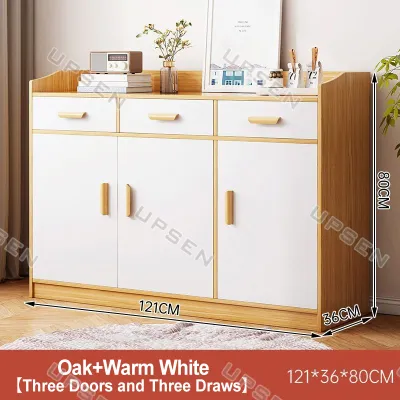
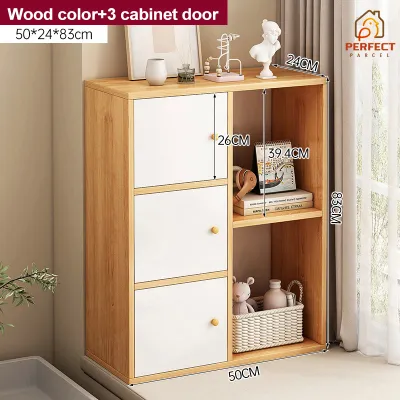
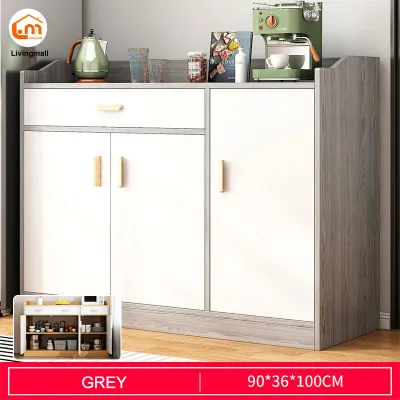
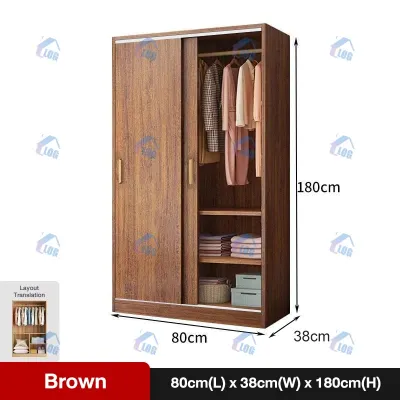
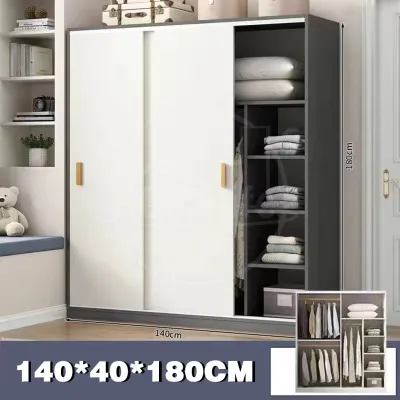
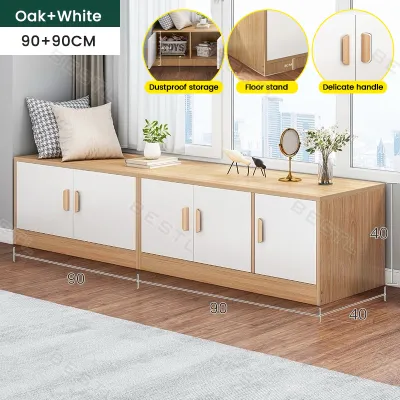
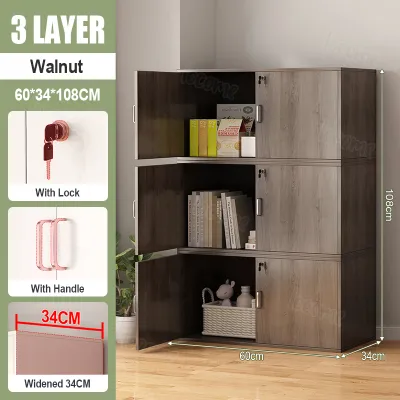
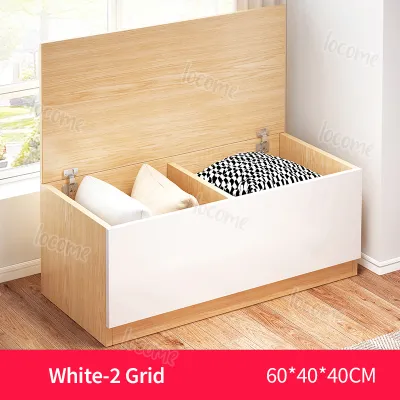
Prices are valid at publication and may change. Please refer to the product page for the latest price.
Observable signs of humidity damage often start small but escalate quickly if left unaddressed. You might first notice drawers that stick or doors that no longer align perfectly within their frames. Over time, severe moisture absorption causes warping—where boards bend or twist out of shape—and swelling that can split wood joints apart. Furthermore, stagnant, humid air inside a dark wardrobe creates the perfect breeding ground for mold and mildew, which can ruin clothes and produce persistent musty odors.
To avoid these issues, you must look beyond the simple marketing label of a wood species. A species or board type alone does not guarantee moisture resistance. When shopping for bedroom cabinets, you must verify the quality of the surface treatments, the precision of the edge banding, and the overall structural design. Proper sealing acts as a barrier that slows down moisture exchange, keeping the wood stable even when the weather shifts rapidly outside.
Solid Wood vs. Engineered Wood: Choosing the Best Cabinets Wood Furnitures for Home Clothes Storage
When browsing bedroom cabinets, you will primarily choose between solid wood and various forms of engineered wood. Each material reacts differently to the Philippine climate, and understanding these differences is key to making a lasting purchase.

Solid Wood and the Importance of Kiln-Drying
Solid wood possesses a classic appeal and unmatched longevity, but its natural origin makes it highly sensitive to humidity. To ensure a solid wood cabinet survives tropical conditions, you must verify that the lumber underwent proper kiln-drying. Raw timber contains high levels of moisture; kiln-drying carefully bakes the wood in a controlled oven to reduce its moisture content to an optimal level—typically between 8 and 12 percent for indoor furniture in Southeast Asia. If a manufacturer uses air-dried or uncured wood, the cabinet will inevitably warp, shrink, and crack as it adjusts to your bedroom’s environment.
Beyond seasoning, the joinery method is critical. Look for cabinets assembled with stable, traditional joinery such as dovetail, mortise-and-tenon, or dowel joints. These interlocking methods allow the wood to expand and contract naturally without pulling the cabinet frame apart. Avoid furniture held together solely by simple nails or cheap wood screws, as these fasteners easily loosen when the surrounding wood swells and shrinks.
Plywood: The Stable Alternative
Plywood is often the most reliable choice for bedroom wardrobes in humid regions. Unlike solid wood, which has a unidirectional grain, plywood is constructed by gluing thin layers of wood veneer together in a cross-grain pattern. This cross-lamination prevents the board from expanding or contracting significantly in any single direction, providing superior dimensional stability.
For maximum protection against moisture, look for cabinets built with marine-grade plywood or Type 1 moisture-resistant plywood. These variants use waterproof adhesives that will not delaminate even when exposed to high humidity or occasional water contact. However, even the highest-grade plywood requires properly sealed edges and surfaces to prevent moisture from slowly seeping into the inner veneers over time.
MDF and Particleboard: High-Risk Materials
Medium-density fiberboard (MDF) and particleboard (compressed wood chips) are popular in budget-friendly, flat-pack furniture. However, these materials are highly vulnerable to humidity. Because they consist of compressed wood fibers or particles held together by resin, they act like a sponge if moisture penetrates their outer layer. Once wet, MDF and particleboard swell unevenly, lose their structural strength, and cannot easily be repaired.
If you choose MDF or particleboard for your bedroom cabinet, you must inspect the specifications closely. Ensure the manufacturer uses moisture-resistant (MR) grade boards, which incorporate specialized resins designed to withstand humid environments. Additionally, verify that every square inch of the board is fully covered by a high-pressure laminate (HPL) or melamine finish, leaving no raw edges exposed to the air.
Construction and Finish Checklist for Humid-Resistant Cabinets
Before purchasing a cabinet, conduct a thorough physical inspection of its construction and finishing details. These small manufacturing choices make the difference between a wardrobe that lasts decades and one that sags within two years.
Surface Finishes
The finish is your cabinet’s primary shield against the elements. Look for cabinets that are fully sealed on all sides—this includes the back panel, the underside of shelves, the top of the cabinet, and the interior walls. If a manufacturer leaves the hidden underside or back of the cabinet raw and unsealed, moisture will enter through those exposed areas, rendering the front finish useless. High-quality protective coatings include polyurethane, acid-catalyzed lacquer, and high-pressure laminates (HPL). Polyurethane is particularly effective because it cures into a tough, plastic-like barrier that blocks moisture ingress.
Edge Banding
For any engineered wood cabinet, inspect the edge banding with care. Edge banding is the thin strip of material used to seal the raw, exposed edges of plywood, MDF, or particleboard. Ensure the cabinet features thick, seamless PVC or ABS edge banding (ideally 1mm to 2mm thick) that is hot-melt glued to the board. Any gaps, peeling corners, or thin paper-based edge banding will allow humid air to penetrate the core, leading to localized swelling and eventual delamination of the surface finish.
Hardware and Back Panels
The high humidity in the Philippines can quickly rust cheap metal hardware, leaving you with squeaky, sagging, or broken doors. Look for cabinets equipped with rust-resistant hardware, such as stainless steel hinges, drawer slides, and handles. Soft-close hydraulic hinges should have anti-rust coatings to ensure smooth operation over time.
Additionally, examine the back panel of the wardrobe. Many low-end cabinets use a thin sheet of unsealed fiberboard stapled directly to the back frame. This thin board easily warps and absorbs moisture from the wall behind it. Instead, choose cabinets where the back panel is made of thick, moisture-resistant plywood that is properly inset into a groove (a dado or rabbet joint) within the main frame. This design adds structural stability and prevents the back panel from bowing.
Ventilation Features
A sealed cabinet protects wood from external moisture, but it can also trap humidity inside, leading to musty clothes. Look for wardrobes that incorporate natural ventilation features. Louvered doors, breathable rattan or cane webbing inserts, or small, mesh-covered ventilation grommets on the back panel allow air to circulate freely. This airflow helps equalize the internal and external humidity levels, preventing stagnant air pockets where mold thrives.
Delivery and Installation Considerations
When purchasing large bedroom cabinets, always verify the finished dimensions against your available bedroom space. Ensure there is adequate clearance for delivery through your doorways, stairwells, or condominium lifts. Once inside, the cabinet must be placed on a level surface; look for furniture with adjustable leveling feet to ensure even weight distribution, which prevents the frame from warping under its own load capacity.
Placement and Maintenance to Prevent Mold and Warping
Even the best-constructed wooden cabinet requires proper placement and regular maintenance to survive the Philippine climate. Implementing a few simple habits will significantly extend the life of your furniture.
Strategic Placement
In many Philippine homes, concrete hollow block (CHB) exterior walls absorb significant heat and moisture from the tropical sun and rain. Avoid placing your wooden wardrobe directly against an exterior wall, as this moisture can easily transfer to the back of the cabinet. Similarly, keep the cabinet away from bathroom doors where steam escapes, and avoid placing it directly under or opposite air conditioning vents, as rapid temperature shifts can cause condensation to form on the wood’s surface.
Promoting Air Circulation
When positioning your cabinet, leave a gap of at least 2 to 5 centimeters between the back panel and the wall. This gap allows air to flow freely behind the cabinet, preventing moisture from becoming trapped and causing mold growth. Inside the wardrobe, avoid overstuffing the shelves and hanging rods. Leaving breathing room between your clothes ensures that air can circulate, keeping your garments dry and fresh.
Active Moisture Control
During the wet season (typically from June to November), passive ventilation may not be enough. Place disposable calcium chloride dehumidifier tubs or reusable silica gel packets inside your cabinet drawers and hanging sections to actively absorb excess moisture. If your bedroom is consistently humid, running a portable room dehumidifier for a few hours a day can dramatically lower the ambient humidity, protecting both your furniture and your health.
Safe Cleaning Practices
When cleaning your wooden cabinet, always use a slightly damp microfiber cloth—never a wet one. Wipe down the surfaces to remove dust, which can hold onto moisture and encourage mold spores, and immediately follow with a dry, clean cloth to remove any residual dampness. Avoid using harsh chemical cleaners, bleach, or abrasive polishes, as these can strip away the protective polyurethane or lacquer finish, exposing the raw wood beneath. If you encounter minor mold spots, wipe them immediately with a cloth lightly dampened with a diluted white vinegar solution, then dry the area completely.
Frequently Asked Questions (FAQ)
Is teak or mahogany necessary for bedroom cabinets in the Philippines?
No, expensive tropical hardwoods like teak or mahogany are not strictly necessary for indoor bedroom cabinets. While these species possess natural oils that resist pests and moisture, they can be highly expensive. High-quality marine plywood, kiln-dried local hardwoods like gmelina or acacia, or properly sealed moisture-resistant engineered woods can perform exceptionally well in a bedroom environment. The key factor is not just the wood species, but whether the material has been properly kiln-dried, assembled with stable joinery, and fully sealed with a durable protective finish like polyurethane to block moisture.
How can I tell if my existing wooden cabinet has moisture damage?
You can diagnose early moisture damage by looking for specific physical changes in your cabinet. Common signs include cabinet doors that scrape against the frame, drawers that become stiff or difficult to slide, or visible swelling along the bottom edges of the panels. Look closely at the corners and back panels for white, gray, or black mold spots, and check if the edge banding is starting to peel or bubble. A persistent musty odor inside the wardrobe is also a clear indicator of trapped moisture. If the wood is soft to the touch or structurally sagging, you may need to consult a professional for repair or consider replacing the unit.
Community discussion
Share your experience or ask a question. Comments are reviewed before publication.