
In the Philippines, choosing a wood bar cabinet requires more than just matching your dining room aesthetic. High relative humidity, which frequently climbs above 80% during the monsoon season, turns ambient moisture into a constant threat to wooden furniture. Without the right material and protective construction, a beautiful cabinet can quickly suffer from sticky doors, warped shelves, and mold growth.
To ensure your investment lasts, the most reliable choice is a wood bar cabinet constructed from dense tropical hardwoods like teak or mahogany, or high-quality moisture-resistant engineered wood with fully sealed edges. Equally critical is the protective surface finish, such as polyurethane or marine-grade varnish, which seals the pores of the wood against airborne moisture. Opting for designs with floating panel construction and fully finished interiors will allow the wood to breathe naturally without structural damage.
Why Tropical Humidity Damages Wood Cabinets
Wood is a highly hygroscopic, organic material, meaning it behaves like a sponge by constantly absorbing and releasing moisture from the surrounding air. In a tropical climate like the Philippines, where the weather transitions between intense dry heat and high-humidity rainy seasons, wood continuously tries to reach an equilibrium moisture content with its environment. When the air is saturated, the wood fibers swell; when the air dries out, they shrink.
Products mentioned in this guide
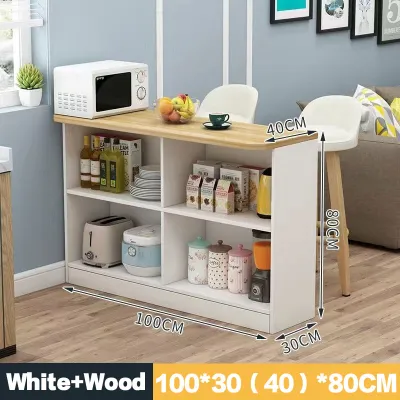
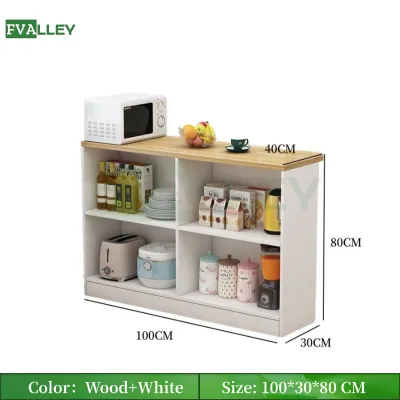
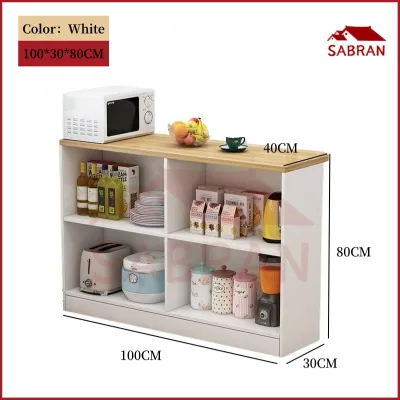
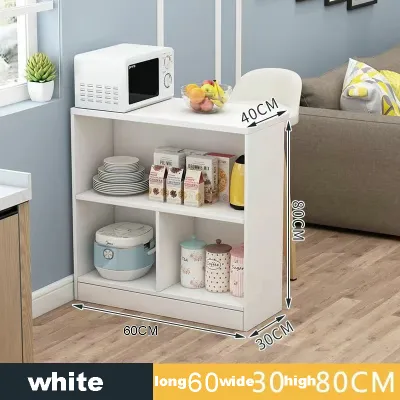
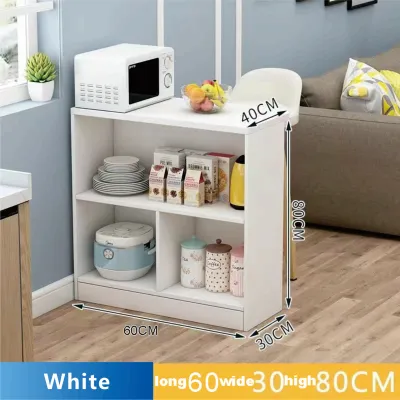
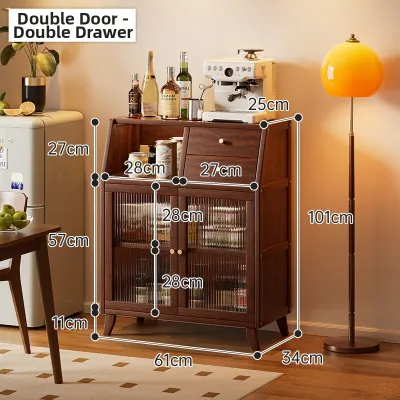
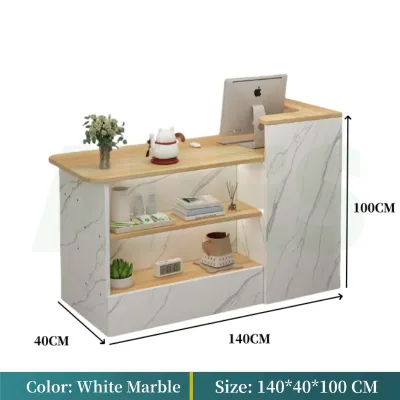
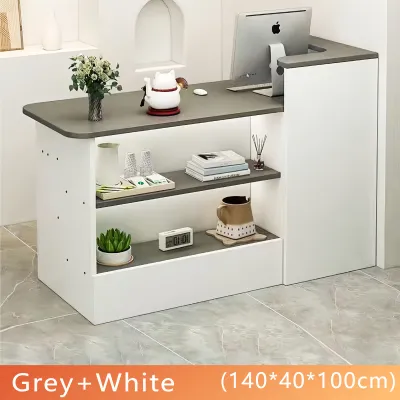
Prices are valid at publication and may change. Please refer to the product page for the latest price.
This constant cycle of expansion and contraction leads to visible, structural issues in poorly constructed bar cabinets. You might notice cabinet doors that no longer shut flush, drawers that stick or jam within their runners, or fine veneers that begin to blister and peel away from their core material. Furthermore, the dark, stagnant interiors of a bar cabinet—often loaded with glassware and bottles—create a perfect microclimate for mold and mildew to thrive if moisture becomes trapped inside.
Crucially, solid wood does not expand uniformly; it swells significantly more across the grain than along it. This uneven movement puts immense stress on the joints, glue lines, and fasteners of the cabinet. If the piece is built rigidly without allowing for this natural movement, or if the wood was not properly kiln-dried before manufacturing, the internal tension will eventually cause the wood to split, warp, or crack along its weakest points.
Best Wood Materials for a Bar Cabinet in the Philippines
Finding a wood bar cabinet that can withstand the local climate involves understanding the differences between solid hardwoods and engineered alternatives. Both options have distinct advantages, provided they are sourced and constructed with moisture resistance in mind.

Solid Tropical Hardwoods
For unmatched longevity and natural beauty, solid tropical hardwoods are the gold standard for a wood bar cabinet in the Philippines. Species such as teak, mahogany, and sustainably sourced local options like narra possess high density and tight grain structures that naturally resist water absorption. More importantly, these woods are rich in natural oils and resins that act as a built-in defense mechanism, repelling both moisture and destructive tropical pests like termites and wood-boring beetles (commonly known as bukbok).
While solid hardwood furniture represents a premium investment and is significantly heavier to move, its structural integrity is unmatched. Over decades, a solid wood piece can be sanded down and refinished multiple times to erase surface wear. When shopping, always verify the exact wood species on the product label or ask the manufacturer directly, as dark stains can easily make cheaper, highly susceptible softwoods look like premium mahogany.
Moisture-Resistant Engineered Wood
If you are looking for a more budget-friendly or lightweight alternative, engineered wood can be highly successful in humid climates, but only if you choose the correct grade. Standard particleboard and low-grade medium-density fiberboard (MDF) should be avoided, as they act like compressed paper and swell permanently upon contact with moisture. Instead, look for high-density, marine-grade plywood or moisture-resistant MDF (often color-coded with a green core by manufacturers) topped with a thick, real-wood veneer.
The absolute weak point of any engineered wood bar cabinet is its edge banding. If the edges of the panels are left exposed or are sealed with thin, poorly adhered tape, ambient moisture will seep into the core, causing the edges to puff up and ruin the cabinet’s clean lines. Ensure that all edges, especially those on the underside or back of the cabinet, are sealed with high-quality, thick PVC or solid wood edge banding to lock out moisture completely.
The Role of Finishes and Construction in Moisture Protection
Even the most resilient wood species will eventually succumb to tropical humidity if it lacks a high-quality protective finish and smart structural design. The finish acts as the primary barrier, slowing down the rate of moisture exchange so that the wood does not expand or contract too rapidly during sudden weather shifts.
When evaluating a wood bar cabinet, look for robust, impermeable topcoats such as polyurethane, catalyzed lacquers, or marine-grade varnishes. These finishes create a continuous, plastic-like shield over the wood fibers, preventing liquid spills and airborne humidity from penetrating the surface. Matte or satin polyurethane finishes are particularly popular because they preserve the natural look of the wood grain while offering excellent resistance to water rings from wet glassware.
Beyond the chemical finish, the physical construction of the cabinet determines how well it handles seasonal changes. Quality furniture makers employ floating panel construction, particularly in door panels and side walls. In this design, the central wood panel is not glued tightly to its surrounding frame; instead, it sits inside a groove, allowing it to expand and contract freely across its grain without pushing the frame apart or warping the door.
Finally, you must inspect the hidden parts of the cabinet. A common manufacturing shortcut is to leave the interior shelves, back panels, and bottom surfaces unfinished or raw. In the Philippines’ climate, this is a recipe for disaster; the unfinished side will absorb moisture much faster than the finished exterior, creating uneven tension that forces the panel to warp. A durable cabinet must be fully finished on all sides—inside, outside, top, and bottom.
Inspection and Low-Maintenance Care for Humid Climates
Protecting your investment starts at the showroom and continues with simple, consistent maintenance habits at home. By knowing what to look for before buying and how to care for the wood afterward, you can prevent structural damage before it starts.
Pre-Purchase Inspection Checklist Before finalizing your purchase of a wood bar cabinet, perform a hands-on quality check. Run your fingers along all edges and joints to ensure they are smooth, fully sealed, and free of rough patches where moisture could penetrate. Open and close every drawer and door several times; they should glide smoothly without rubbing or binding against the frame. Check the back panel to ensure it is securely fastened and completely sealed, as this is often where mold growth begins.
Strategic Placement in the Home Where you position your cabinet in your home plays a major role in its lifespan. Avoid placing the wood bar cabinet in direct sunlight, which can dry out the wood unevenly and fade the finish. Keep it away from air conditioning vents that blow cold air directly onto the surface, as the rapid temperature changes can cause the wood to crack. Additionally, ensure it is situated far from kitchen steam sources, open windows during the rainy season, or damp concrete walls that might transfer moisture.
Routine Care and Maintenance Maintaining a wood bar cabinet in a humid climate does not require intensive labor. For daily cleaning, simply dust the surfaces with a dry or slightly damp microfiber cloth to remove dust and condensation. Avoid using harsh chemical cleaners, ammonia-based sprays, or excessive water, as these can degrade the protective polyurethane coating over time. Never use steam cleaners on wooden furniture, as the heat and forced moisture will instantly penetrate the finish and cause irreversible wood swelling.
Frequently Asked Questions (FAQ)
Can I use a solid pine bar cabinet in a humid climate?
Pine is a softwood with low density and a highly porous structure, making it highly susceptible to absorbing moisture and warping in the Philippines’ climate. It also lacks the natural oils found in tropical hardwoods, leaving it vulnerable to pest infestations. While you can use pine, it requires an exceptionally thick, perfectly maintained protective coating and a climate-controlled room to prevent damage.
How do I fix a slightly swollen wooden cabinet door?
If a cabinet door begins to stick due to swelling, the safest approach is to lower the room’s humidity using a dehumidifier or air conditioning and allow the wood to dry out naturally over several days. Do not use heat guns, hair dryers, or aggressive sanding immediately, as these methods can crack the finish, warp the wood further, or expose raw fibers to even more moisture.
Is rattan or wicker a good alternative to wood for bar cabinets?
Rattan and wicker are excellent tropical materials because their breathable weave allows for natural airflow, which prevents moisture buildup and warping. However, they lack the heavy load capacity and structural rigidity needed to safely hold heavy liquor bottles and delicate glassware. Additionally, their intricate weaves require frequent dusting and vacuuming to prevent mold and dust from accumulating in the crevices.
Community discussion
Share your experience or ask a question. Comments are reviewed before publication.