
Selecting the right wood cabinet for clothes in the Philippines requires balancing aesthetics with structural resilience. The country’s tropical climate, characterized by high relative humidity and distinct wet and dry seasons, poses unique challenges to wooden furniture. Without the proper material and construction, a wardrobe can quickly warp, develop mold, or become a target for termites.
To protect your wardrobe and your garments, the optimal choice is high-quality marine plywood or thoroughly seasoned, kiln-dried tropical hardwood. While solid wood offers premium durability and natural beauty, plywood provides the most stable, warp-resistant, and cost-effective solution for humid environments. Standard, unsealed engineered woods like medium-density fiberboard (MDF) or particleboard should generally be avoided unless they are fully sealed with high-moisture-resistant coatings.
Understanding How Tropical Humidity Damages a Wood Cabinet for Clothes
In the Philippines, relative humidity levels frequently exceed 80 percent, especially during the rainy season. Wood is a hygroscopic material, meaning it naturally absorbs and releases moisture from the surrounding air to reach equilibrium. When ambient humidity rises, wood fibers expand; when the air dries out, they contract. This continuous cycle of expansion and contraction exerts immense physical stress on furniture, often resulting in severe warping, bowing, or splitting over time.
Products mentioned in this guide
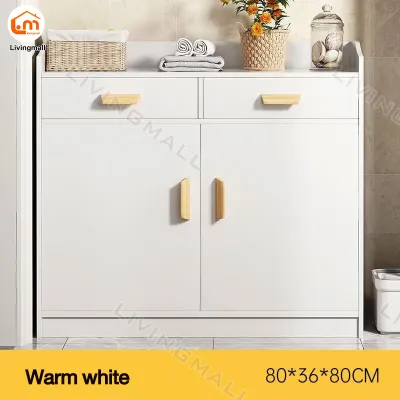
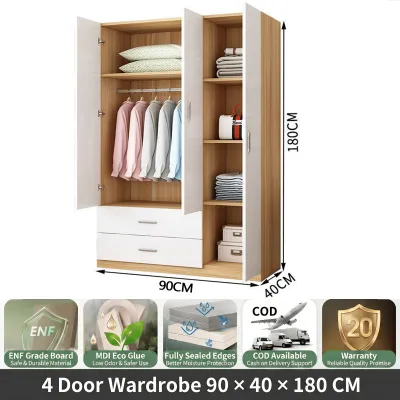
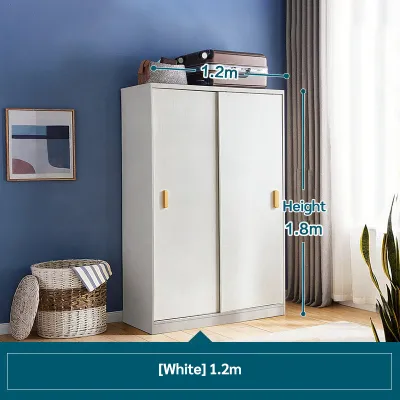
![[On Hand]Nordic Luxury Sliding Door Wardrobe Cabinet Wood Furniture Wardrobe Organizer 180cm Simple Assembly Wardrobe Organizer](https://img.lazcdn.com/g/p/4c34fd735d6a38d99b7f634b5b6882ab.jpg_400x400q80.jpg_.webp)
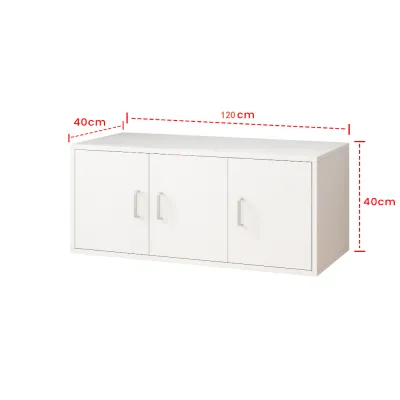
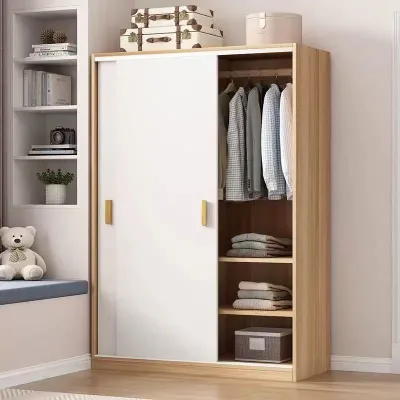
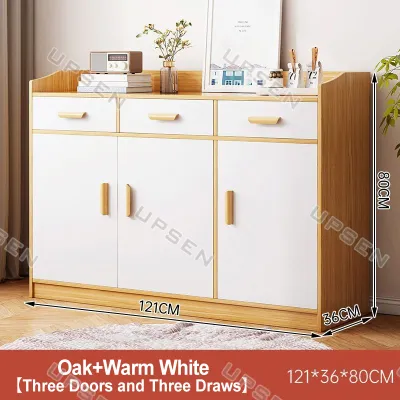
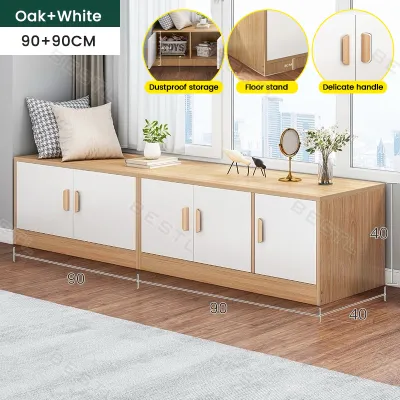
Prices are valid at publication and may change. Please refer to the product page for the latest price.
Closed wardrobes are particularly vulnerable because they trap pockets of stagnant, humid air inside. When damp air is sealed within a dark cabinet, it creates an ideal breeding ground for mold, mildew, and fungi. This not only damages the wood itself, leaving unsightly stains and structural rot, but also transfers musty odors and spores to your stored garments, linens, and accessories.
Furthermore, the warm, damp environment of a humid closet attracts wood-boring insects and termites, locally known as anay. Subterranean and drywood termites thrive in high-moisture conditions, feeding on the cellulose found in wood. If a cabinet is constructed from untreated or soft timber, a termite infestation can quietly hollow out the structural frame within months, rendering the entire unit unusable.
Ultimately, the longevity of a wardrobe depends on more than just the species of wood used. Real-world performance relies heavily on how the raw material is processed, treated, and sealed. A cabinet built with premium wood can still fail if the timber was not properly seasoned or if the joints and edges are left exposed to the elements.
Solid Wood vs. Plywood vs. Engineered Wood in High Humidity
To find the most reliable wood cabinet for clothes, you must evaluate the three primary material categories used in modern furniture manufacturing. Each material behaves differently when exposed to tropical moisture, temperature fluctuations, and structural loads.

Solid Wood: Premium but Prone to Warping
Solid wood is highly valued for its organic grain patterns, exceptional structural strength, and long-term repairability. If a solid wood wardrobe suffers minor surface scratches or localized water stains, it can easily be sanded down, resealed, and restored to its original condition. This makes premium solid wood a highly durable investment for those who prefer classic craftsmanship.
However, solid wood is highly reactive to atmospheric changes. If the lumber is not properly kiln-dried to match the local equilibrium moisture content (EMC) of approximately 12 to 14 percent in the Philippines, it will warp, crack, or suffer joint failure as it adjusts to the humid air. Proper seasoning is a meticulous process that significantly increases the manufacturing cost.
When choosing solid wood, dense tropical hardwoods like mahogany, acacia, and tanguile are far more resilient than imported softwoods like pine. Hardwoods possess tighter grain structures that naturally resist moisture absorption and pest penetration. Nonetheless, even the finest hardwood requires a high-quality surface sealant, such as polyurethane, to block humidity and prevent natural movement.
Plywood: The Stable Middle Ground
Plywood is constructed by gluing together thin layers of wood veneer in an alternating, cross-grain pattern under intense heat and pressure. This cross-laminated structure distributes physical tension evenly in all directions. As a result, plywood exhibits excellent dimensional stability, making it highly resistant to warping, shrinking, or expanding, even when exposed to severe humidity.
For areas prone to high moisture, marine-grade plywood (Type I) offers the highest level of protection. It is manufactured using waterproof phenolic glues that prevent the individual wood layers from delaminating or separating when wet. While marine plywood is highly durable, it carries a premium price and is often reserved for high-moisture zones like kitchens or bathrooms. For a standard bedroom wardrobe, high-quality commercial-grade plywood (Type II) is usually sufficient, provided it is properly finished.
When purchasing a plywood wardrobe, always inspect the quality of the surface veneer and the core layers. Ensure there are no visible voids or hollow pockets along the cut edges, as these gaps can trap moisture and weaken the structure. All exposed plywood edges must be completely sealed to prevent humidity from seeping into the inner layers.
Engineered Wood (MDF/Particleboard): High Risk Unless Fully Sealed
Medium-density fiberboard (MDF) and particleboard are budget-friendly materials made from compressed wood fibers or wood chips mixed with synthetic resins. Because they are highly uniform and lack natural grain patterns, they provide a smooth surface for laminates and veneers. However, these materials are highly susceptible to moisture damage.
If humidity penetrates the protective laminate of an MDF or particleboard cabinet, the internal wood fibers will rapidly absorb water, swell, and lose their binding strength. This leads to sagging shelves, crumbling corners, and loose hinges that can no longer hold screws. In poorly ventilated rooms or ground-floor bedrooms, standard engineered wood cabinets can deteriorate within a few rainy seasons.
Engineered wood should only be considered if it is specifically rated as Moisture-Resistant (MR) or exterior-grade, and if every surface is protected by high-quality, professionally applied edge banding. For buyers on a strict budget, these cabinets can serve well, but only if they are placed in dry, well-ventilated rooms where humidity levels are carefully managed.
Construction Features That Actually Prevent Moisture Damage
Evaluating a wood cabinet for clothes requires looking beyond the raw material name. The manufacturing techniques, protective finishes, and hardware choices are what truly determine if a wardrobe can survive a humid climate.
- Edge Banding: For plywood and engineered wood cabinets, high-quality edge banding is critical. Ensure the manufacturer uses thick PVC or ABS edge banding (ideally 1mm to 2mm thick) applied with industrial hot-melt adhesives. This creates a hermetic seal over raw, exposed edges, blocking moisture from entering the vulnerable core.
- Surface Finishes: Raw or poorly sealed wood will quickly absorb atmospheric moisture. Look for cabinets finished with protective coatings like polyurethane (PU), UV-cured lacquers, or high-pressure laminates (HPL). These synthetic barriers seal the wood pores, making the surface easy to clean and highly resistant to water penetration.
- Ventilation Design: Air circulation is essential for preventing mold growth inside a dark wardrobe. Opt for cabinets featuring louvered doors, slatted panels, or built-in ventilation grilles. If the cabinet has solid doors, ensure there is a small gap at the top or back panel to allow continuous airflow.
- Hardware Selection: Humid air accelerates the oxidation and rusting of metal components. Check that the cabinet uses rust-resistant hardware, such as grade 304 stainless steel hinges, drawer slides, and handles. High-quality hydraulic soft-close hinges with anti-corrosion platings will ensure doors continue to open and close smoothly without sagging.
- Structural Dimensions and Stability: Before purchasing, verify the finished dimensions of the cabinet to ensure it fits your room while leaving at least a 2-to-3-inch gap from the wall for ventilation. Measure your doorways, stairwells, and elevator access to avoid delivery issues. For tall wardrobes, check the unit's overall stability and ensure it includes wall-anchoring hardware to prevent accidental tip-overs on uneven floors.
Daily Maintenance to Prevent Mold and Termite Damage
Even a well-constructed wood cabinet for clothes requires regular care to withstand the challenges of a tropical climate. Implementing a few simple maintenance habits will protect your furniture and keep your garments fresh.
To control internal humidity, place disposable dehumidifier tubs containing calcium chloride, hanging silica gel packets, or rechargeable mini-dehumidifiers inside the cabinet. These products actively extract excess moisture from the air. Be sure to replace or recharge them regularly, especially during the wet season when they fill up quickly.
Preventing mold begins with how you store your clothes. Never hang damp, sweat-stained, or unwashed garments inside the wardrobe, as organic matter and moisture accelerate mold growth. If you notice a musty odor or spot small mold colonies, empty the cabinet and wipe down all interior surfaces with a clean cloth dampened in a mild solution of white vinegar and water. Allow the interior to dry completely before replacing your clothes.
To protect your wardrobe from termite infestations, position the cabinet at least 2 to 3 inches away from bedroom walls. This gap prevents termites from traveling directly from damp concrete walls into the wood, while also improving air circulation. Periodically inspect the back corners, baseboards, and bottom panels of the cabinet for mud tubes, wood dust, or soft spots. If you detect active termites, consult a licensed pest control professional immediately to apply safe, indoor-approved treatments.
Finally, establish a routine inspection schedule. Every few months, check the integrity of the edge banding, joint connections, and bottom panels. Catching minor issues early—such as a peeling edge band or a slightly loose hinge—allows you to make quick repairs before moisture causes irreversible structural damage.
Frequently Asked Questions (FAQ)
Can I use MDF or particleboard cabinets if my bedroom is fully air-conditioned?
While running an air conditioner reduces ambient humidity and cools the room, relying on it entirely can create unexpected moisture problems. When the air conditioning is turned off, the temperature inside the room rises rapidly, causing warm, humid air to collide with the cold surfaces of the cabinet. This temperature differential can lead to localized condensation on both the exterior and interior panels.
Over time, this repeated cycle of condensation and drying can cause unsealed MDF or particleboard to swell, warp, and develop mold. Therefore, even in air-conditioned bedrooms, it is highly recommended to choose cabinets constructed with moisture-resistant (MR) cores and flawless, professionally sealed edge banding to ensure long-term durability.
Community discussion
Share your experience or ask a question. Comments are reviewed before publication.