
Finding the perfect wooden headboard for queen size bed setups in the Philippines involves balancing tropical climate resilience, spatial constraints, and local design aesthetics. A queen-size bed, typically measuring 60 by 75 inches in the local market, serves as the anchor of the master bedroom. The right headboard elevates it from a simple mattress base to a polished focal point. Whether you prefer the rich grains of locally sourced hardwoods or the clean lines of modern engineered veneers, selecting a headboard requires careful attention to mounting types, wood treatments, and structural stability. This guide walks you through the essential purchasing factors, top design styles, and critical maintenance practices to ensure your investment stands up to the country’s high humidity.
How to Choose a Wooden Headboard for Queen Size Bed Setups
To ensure a cohesive look, start by understanding standard dimensions. In the Philippines, a standard queen mattress measures 60 inches wide by 75 inches long (152 cm x 190 cm). A well-proportioned wooden headboard for queen size bed frames should extend slightly beyond the mattress edges, typically measuring between 60 to 64 inches in width. This subtle overhang prevents the bed sheets and blankets from looking squeezed. The height of the headboard is largely a matter of personal preference and room scale, but most standard models range from 48 to 60 inches from the floor to the top edge, ensuring the wood remains visible even when pillows are propped up.
Beyond size, you must decide how the headboard will be supported. The three primary mounting styles offer distinct structural trade-offs:
Products mentioned in this guide
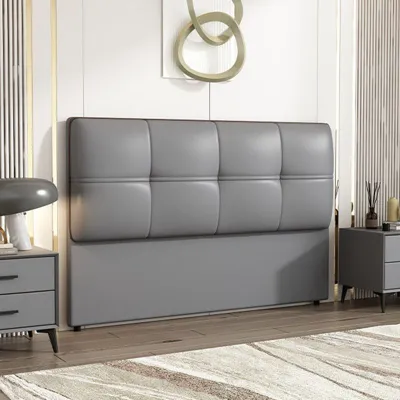

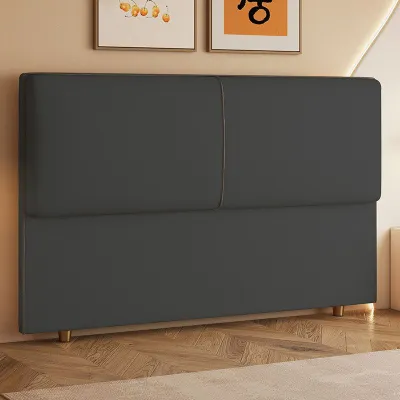
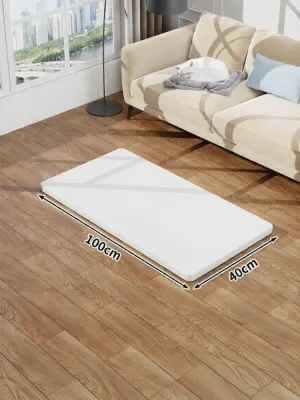
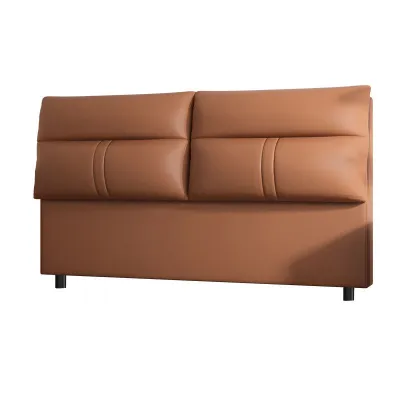
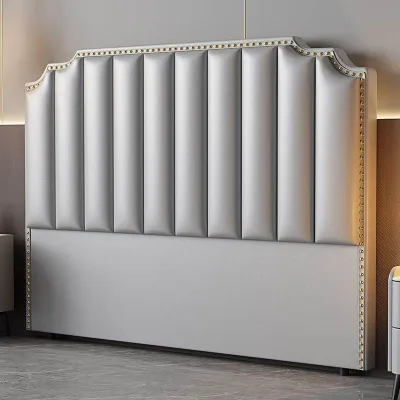
Prices are valid at publication and may change. Please refer to the product page for the latest price.
- Freestanding headboards: These units stand independently, resting their weight directly on the floor. They are often secured by pushing the bed frame tightly against them and the wall, making them highly versatile and easy to move during room rearrangements.
- Wall-mounted headboards: Anchored directly into the wall using heavy-duty brackets or French cleats, these models save valuable floor space and offer exceptional stability. They are ideal for minimalist setups but require drilling into your walls.
- Bed-frame-attached headboards: These bolt directly to the back of your existing bed frame using pre-drilled holes and brackets. This creates a single, unified piece of furniture that moves as one unit, though it requires precise alignment between the frame and the headboard struts.
Weight and structural stability are critical safety considerations, particularly when choosing between heavy solid wood and lighter engineered alternatives. Solid wood headboards can weigh upwards of 30 to 50 kilograms, requiring a robust bed frame or secure wall anchoring to prevent wobbling or joint strain. Engineered wood options are significantly lighter and easier to handle during assembly, but they may require extra care to ensure the joints do not loosen over time under daily pressure.
Before making a purchase, run through this basic structural checklist to avoid delivery-day surprises:
- Verify room clearance: Measure the height of nearby windows, the location of electrical outlets, and the swing radius of wardrobe doors or bedroom entryways.
- Check frame compatibility: Inspect your existing bed frame to see if it has pre-drilled headboard brackets or if you will need to purchase adapter plates.
- Assess the finish quality: Run your hand along the wood surfaces to check for rough spots, uneven lacquer, or exposed joints that could snag bedding or scratch your skin.
Top Wooden Headboard Styles to Consider for Your Queen Bed
The material composition of your headboard dictates not only its visual character but also its durability, weight, and long-term maintenance requirements. In the local market, buyers generally choose among three prominent categories: solid hardwood, engineered wood with veneer, and hybrid wood-frame upholstered designs.

Solid Hardwood Headboards
Solid hardwood headboards represent a premium, lifetime investment. In the Philippines, popular local and imported hardwoods include Mahogany, Acacia, and Mango wood. These species are celebrated for their dense grain patterns, rich natural coloration, and exceptional structural longevity. A solid wood headboard brings an organic warmth to the bedroom, and because the material is uniform throughout, it can be sanded down and refinished years later to match changing decor styles.
However, solid timber is highly reactive to environmental shifts. When shopping, it is absolutely vital to verify with the manufacturer or retailer that the wood has been properly kiln-dried. Kiln-drying extracts deep-seated moisture from the raw lumber under controlled conditions, stabilizing the wood fibers. Without this crucial treatment, solid wood headboards are highly susceptible to warping, twisting, or cracking as they adjust to the seasonal humidity shifts of the tropical climate.
Additionally, keep in mind that solid hardwood is heavy and commands a higher price point. You must ensure that your bedroom floor is level and that your bed frame is sturdy enough to support the substantial top-heavy load without creaking or shifting. If you reside in a rental property or anticipate frequent moves, the weight of solid hardwood can make transport and handling significantly more challenging.
Engineered Wood and Veneer Headboards
For budget-conscious homeowners, renters, or those who enjoy updating their interior design every few years, engineered wood and veneer headboards offer an appealing balance of cost-efficiency and style. These headboards typically feature a core made of Medium-Density Fiberboard (MDF) or high-density particleboard, which is then covered with a thin layer of real wood veneer or a high-quality decorative laminate. This construction mimics the appearance of premium solid wood grains at a fraction of the weight and cost.
One of the practical advantages of engineered wood is its dimensional stability. Because the internal fibers are bonded with resins in alternating directions, engineered wood does not expand, contract, or warp in response to temperature and humidity fluctuations the way solid timber does. This makes it highly resilient in tropical environments. Furthermore, engineered headboards are lightweight, making them much easier to unbox, carry up stairwells, and assemble without professional assistance.
To ensure you receive a durable engineered wood headboard, pay close attention to the manufacturing details:
- Inspect the edge banding: Examine the edges and corners of the headboard closely. The veneer or laminate should be seamlessly bonded to the core without any visible gaps, lifting, or glue residue, as loose edges allow moisture to penetrate and cause the core to swell.
- Check veneer thickness: Opt for high-quality wood veneers over thin paper laminates. Thicker veneers can withstand routine dusting and light cleaning without peeling or wearing away over time.
Wood-Frame Upholstered Headboards
If you enjoy sitting up in bed to read, watch television, or work on a laptop, a wood-frame upholstered headboard provides the perfect hybrid of structural beauty and cushioned comfort. These designs feature an exposed outer frame made of solid wood or high-grade engineered wood, which frames a central padded panel wrapped in fabric, linen, or leatherette. This style delivers the visual warmth of natural wood grain while offering a soft, supportive backrest.
When evaluating a hybrid headboard, look beyond the outer aesthetics and inquire about the internal frame construction. High-quality models utilize solid wood or multi-layered plywood to support the upholstered panel, whereas cheaper alternatives may rely on thin cardboard or low-grade fiberboard backings that can sag or puncture over time. Press firmly on the upholstered section to ensure the padding is dense, resilient, and securely attached to the frame without shifting.
The choice of upholstery material is equally important in a tropical climate. Look for breathable fabrics such as linen blends or treated polyester that do not trap body heat or moisture. If you prefer the sleek look of leather, opt for premium, easy-to-clean leatherette or polyurethane (PU) materials that can be wiped down with a damp cloth, as natural untreated leather can degrade or develop mold quickly in high-humidity environments.
How to Protect Your Wooden Headboard in a Humid Climate
The tropical climate of the Philippines presents unique challenges for wooden furniture. High ambient moisture and seasonal temperature swings can cause untreated wood to absorb water vapor from the air, leading to swelling, joint separation, and the growth of mold or mildew. Protecting your wooden headboard for queen size bed setups requires a combination of smart purchasing decisions and proactive home care.
When selecting a headboard, always prioritize pieces finished with protective, moisture-sealing coatings. Solid wood surfaces should be sealed with polyurethane, lacquer, or marine-grade varnishes. These finishes create an impermeable barrier over the wood pores, slowing down the rate of moisture exchange and preserving the natural color of the timber. If you prefer a more natural look, oil or wax finishes can be used, but they require more frequent reapplication to maintain their protective qualities.
To keep your headboard in pristine condition, implement a routine, low-risk maintenance schedule:
- Dust regularly: Use a dry, clean microfiber cloth to remove dust and debris. Dust can attract moisture and provide a breeding ground for mold spores if left undisturbed.
- Avoid direct sunlight: Position your bed away from windows where harsh afternoon sunlight can fade the wood finish, dry out the natural oils, and cause uneven discoloration.
- Ensure proper ventilation: Keep your bedroom well-ventilated. Use ceiling fans, open windows during dry days, or run an air conditioner or dehumidifier during the rainy season to keep indoor humidity levels within a safe range (ideally between 45% and 60%).
Additionally, pay attention to where the headboard is positioned relative to your room’s architecture. Avoid placing a wooden headboard directly against damp exterior concrete walls, especially during the monsoon season. Concrete walls can hold significant moisture, which can transfer directly to the back of the headboard, leading to hidden mold growth. Leave a small gap of at least one to two inches between the headboard and the wall to allow for continuous airflow.
Space Planning and Safe Installation for Queen Headboards
A successful headboard installation relies on meticulous space planning and secure mounting to prevent structural damage or physical injury. Before purchasing, map out your bedroom layout to ensure the queen headboard fits harmoniously within the space. Measure the available wall width, taking into account the placement of bedside tables, electrical outlets, and light switches. A standard queen headboard is roughly 5 feet wide; ensure your nightstands do not overlap with the headboard’s outer edges, which can make drawers inaccessible or create an awkward, cramped layout.
Do not overlook the logistical journey of the furniture from the delivery truck to your bedroom. Measure the width and height of all entryways, narrow hallways, stairwell turns, and elevator doors. Because a queen headboard is a large, flat panel, it can be difficult to maneuver around tight corners. If your home has restricted access, consider purchasing a headboard that arrives flat-packed and requires on-site assembly, or opt for a multi-panel design that is easier to transport.
When it comes to installation, safety must be your primary focus. If you are installing a wall-mounted headboard, you must use mounting hardware appropriate for your wall type. In the Philippines, most residential walls are constructed from concrete hollow blocks (CHB) or solid concrete, which require heavy-duty masonry screws and plastic or metal expansion shields. If you are mounting onto a drywall partition, you must locate the wooden or metal studs and secure the mounting brackets directly to them, or use heavy-duty toggle bolts. Never rely on simple adhesive strips or standard nails to hold a heavy headboard.
For tall freestanding or bed-frame-attached models, tipping hazards are a serious concern, particularly in regions prone to seismic activity. If your freestanding headboard is tall or top-heavy, use anti-tip furniture straps or brackets to anchor the top of the headboard securely to the wall behind it. This simple precaution prevents the unit from tipping forward during an earthquake or if someone pulls on it while adjusting pillows.
Frequently Asked Questions (FAQ)
Can I attach any wooden headboard to my existing queen bed frame?
Universal compatibility is rare in bedroom furniture. Whether a headboard can be attached to your existing bed frame depends entirely on the design of the mounting brackets and the spacing of the bolt holes. Most manufacturers use standard vertical slots, but measurements can still vary by a few centimeters. Before buying, measure the horizontal distance between the outer mounting brackets on your bed frame and compare them to the pre-drilled holes or struts on the headboard. If they do not align, you may need to purchase separate modification plates or adapters to bridge the gap.
How do I clean and maintain a wooden headboard?
For daily maintenance, wipe the surface with a soft, dry microfiber cloth to remove dust. If the wood has accumulated smudges or light grime, use a slightly damp cloth wrung out with water, followed immediately by a dry cloth to prevent water spots. Avoid using harsh chemical cleaners, bleach, ammonia, or abrasive scrubbing pads, as these can strip away the protective lacquer or polyurethane finish. Additionally, avoid silicone-based furniture polishes, which can leave a sticky residue that attracts dust and ruins the natural texture of the wood over time.
Community discussion
Share your experience or ask a question. Comments are reviewed before publication.