
Upgrading a single bed with a wooden headboard is one of the most practical and visually impactful ways to elevate a bedroom’s design without replacing the entire bed frame. In the Philippines, where compact bedrooms, studio condominiums, and multi-purpose guest spaces are common, a single bed is a highly popular choice. Adding a wooden headboard to this setup provides a sturdy backrest for sitting up to read or work, protects the wall from friction and body oils, and serves as a visual anchor that defines the sleeping zone.
Beyond aesthetics, a wooden headboard offers tangible functional benefits. Many homes in the Philippines feature concrete or hollow-block interior walls, which can feel cold and hold dampness during the rainy season. A wooden headboard acts as an insulating barrier, preventing your pillows and head from resting directly against a cold wall. It also keeps pillows from slipping into the gap between the mattress and the wall, ensuring a more comfortable and uninterrupted sleep.
Choosing the right wooden headboard requires balancing material durability, climate resilience, and spatial constraints. Because a headboard is a long-term investment, understanding how different wood species and construction methods perform in local conditions is essential for making a confident purchase.
Products mentioned in this guide

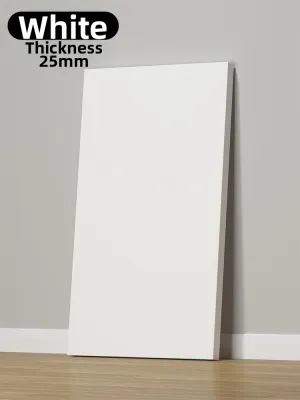
Prices are valid at publication and may change. Please refer to the product page for the latest price.
How to Choose the Right Wood for a Tropical Climate
The tropical climate of the Philippines—characterized by high temperatures, intense humidity, and distinct wet and dry seasons—presents unique challenges for wooden furniture. High humidity can cause wood to absorb moisture and expand, while dry periods can cause it to contract. This constant movement can lead to warping, cracking, and joint separation if the material is not selected and finished correctly.
Solid Hardwoods vs. Engineered Woods
When shopping for a headboard, you will primarily choose between solid hardwoods and engineered wood products. Each has distinct characteristics under tropical conditions:
- Solid Hardwoods: Local and imported hardwoods such as Mahogany, Acacia, Narra, and Mango wood are highly prized for their strength and natural grain patterns. Mahogany and Acacia are widely available and offer excellent structural stability when properly seasoned. Narra is a premium, highly stable hardwood but is rare and costly, requiring verification of legal sourcing. Mango wood is a sustainable option with beautiful, varied grain, though it is naturally more susceptible to moisture damage if not thoroughly sealed. For all solid woods, durability depends on whether the timber was kiln-dried before manufacturing to reduce its internal moisture content.
- Engineered Woods: Medium-Density Fiberboard (MDF) and particleboard finished with wood veneers are popular, budget-friendly alternatives. They do not warp or contract like solid wood, making them highly stable in terms of shape. However, engineered wood is highly vulnerable to moisture. If high humidity or water leaks penetrate the protective veneer or laminate layer, the underlying wood fibers will swell, bubble, and eventually crumble.
Moisture Resistance and Structural Stability Checks
To ensure your headboard withstands local humidity, inspect the quality of the construction and joints. Look for mortise-and-tenon or dowel joints rather than simple glued-and-nailed edges. Check that all edges of engineered wood frames are completely sealed with high-quality edge banding to prevent moisture from seeping into the core.
Protective Finishes to Look For
A bare piece of wood will quickly degrade in a humid environment. Always verify that the headboard has been treated with a protective topcoat. The most reliable finishes for tropical climates include:
- Polyurethane: Provides a hard, plastic-like protective barrier that is highly resistant to moisture, scratches, and stains. It is available in matte, satin, and high-gloss finishes.
- Marine Varnish: Often used for outdoor furniture or in coastal areas, this finish contains ingredients that protect against moisture absorption and UV damage from sunlight streaming through bedroom windows.
- Sealed Lacquers: Offer a smooth, professional finish that highlights the wood grain while providing moderate moisture protection, suitable for air-conditioned bedrooms where humidity is controlled.
Termite-Treatment Verification
Termites (locally known as anay) are a common household issue in the Philippines. Do not assume that a headboard is naturally pest-proof just because it is made of solid wood. When purchasing, ask the manufacturer or retailer if the wood underwent chemical pre-treatment or specialized kiln-drying to eradicate insect larvae. For ongoing protection, choose finishes that completely seal the wood fibers, making it harder for boring insects to penetrate the surface.
Top Wooden Headboard Styles for Single Beds
Selecting a headboard style involves matching your bedroom’s aesthetic while considering space efficiency and airflow. Because single beds are often placed in smaller rooms, the visual weight and physical footprint of the headboard are key factors.

Minimalist Solid Wood Panels
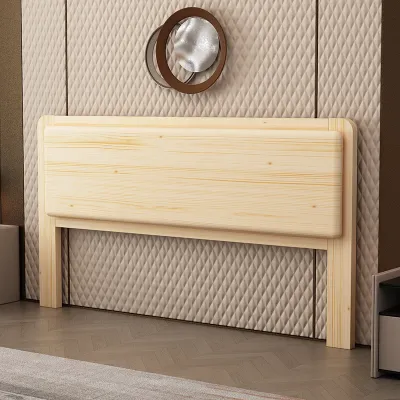
Minimalist solid wood panels feature clean lines, flat surfaces, and a low visual profile. These designs prioritize the natural beauty of the wood grain without unnecessary ornamentation or bulk.
This style is ideal for modern, Scandinavian, or minimalist bedrooms where maximizing floor space is a priority. Because these panels are typically slim—often measuring less than two inches in depth—they do not push the bed frame far forward, preserving valuable walkway space at the foot of the bed.
While highly durable and easy to clean with a simple wipe of a dry cloth, minimalist panels do not offer built-in storage or soft cushioning. If you enjoy sitting up for long periods, you will need to support your back with extra pillows.
Wood and Rattan Combinations
Wood and rattan headboards combine a solid wood outer frame with woven rattan or cane webbing inserts, often utilizing traditional Filipino weaving patterns like solihiya.
This style is highly suited for tropical modern, bohemian, or Japandi-themed interiors. The open-weave rattan allows air to circulate freely behind the bed, which prevents hot air and moisture from getting trapped against the wall—a common cause of mold growth in humid regions. Additionally, the woven inserts significantly reduce the overall weight of the headboard, making it easier to move and install.
When evaluating a wood and rattan headboard, gently press on the woven section to check its tension. The weave should feel taut and securely fastened to the wooden frame. Loose or sagging rattan will stretch further over time and may eventually pull away from the frame under pressure.
Industrial Wood and Metal Frames
Industrial headboards blend the warmth of natural wood with the structural rigidity of black powder-coated iron or steel frames. This style often incorporates reclaimed wood textures or distressed finishes.
These headboards frequently feature built-in functional elements, such as a narrow top shelf or integrated ledges. In a small single-bed room, this built-in shelving can eliminate the need for a separate bedside table, saving valuable floor space. The metal frame also provides excellent structural stability and a secure connection to the bed frame.
Because of high humidity, it is crucial to verify that the metal components have been treated with an anti-rust or powder-coated finish. Untreated iron or steel can quickly develop rust spots, especially in coastal provinces or non-air-conditioned rooms.
Freestanding Wooden Screens and Panels
Freestanding wooden screens consist of tall, decorative panels that stand independently on the floor, held in place by the weight of the bed frame pushed against them.
This is an excellent, damage-free solution for renters or individuals who like to rearrange their furniture frequently. Because they do not require drilling into concrete walls or bolting to a specific bed frame, they can be installed in minutes and easily packed up during a move.
However, freestanding panels rely entirely on a snug fit between the mattress base and the wall to remain upright. If the bed frame shifts, the panel can wobble or tip forward. To ensure safety, look for models with a wide, stable base or utilize adhesive anti-tip wall straps that secure the panel without damaging the paint.
Sizing and Space Planning for Single Beds
Before purchasing a headboard, precise measurements are required to ensure the piece fits your bed frame and aligns with your room’s layout.
Standard Single Bed Dimensions in the Philippines
In the Philippines, mattress and bed frame sizes can vary slightly depending on whether the manufacturer uses local standard sizing or imported dimensions.
- Standard Single: Typically measures 36 inches wide by 75 inches long (approximately 91 cm x 190 cm).
- Twin / Single Extra: Often measures 39 inches wide by 75 inches long (approximately 99 cm x 190 cm).
- Semi-Double: Measures 48 inches wide by 75 inches long (approximately 122 cm x 190 cm).
- Headboard Width Alignment: A headboard designed for a standard single bed should ideally match the width of your bed frame exactly, or overhang by no more than 1 to 2 inches on each side. A headboard that is too wide will look disproportionate and may interfere with nearby bedroom furniture.
Selecting the Right Height
The height of your headboard should be determined by your ceiling height and how you use your bed. Low-profile headboards (measuring 38 to 45 inches from the floor to the top of the headboard) work best in rooms with low ceilings, attic bedrooms, or bunk bed setups, as they prevent the room from feeling cramped. Taller headboards (measuring 48 to 60 inches from the floor) create a strong visual focal point and provide adequate back support when sitting upright, especially if you use a thick mattress.
To calculate the visible portion of the headboard, use this formula:
$$\text{Visible Headboard Height} = \text{Total Headboard Height} – (\text{Bed Frame Height} + \text{Mattress Thickness})$$
Ensure that at least 12 to 18 inches of the headboard is visible above your mattress and pillows to preserve the design impact and provide functional back support.
Checking Headboard Thickness and Room Clearance
In tight spaces, every inch of floor space matters. Headboards can range in thickness from a slim 1-inch panel to a 6-inch bookshelf design. Measure the distance from the head of your bed to adjacent wardrobe doors, windows, and walkways. A thick headboard might push your bed frame forward just enough to block a closet door from opening fully or narrow a walkway below the recommended minimum clearance of 24 inches.
Access Planning for Delivery
Solid wood headboards are rigid and cannot be disassembled. Before ordering a pre-assembled solid wood piece, measure the width and height of your front door, hallway corners, stairwell clearances, and elevator doors. This is particularly important for high-rise condominium residents, where tight service elevators and narrow corridors can make transporting large furniture pieces difficult.
Installation Methods and Safety Checks
How you secure your headboard affects both the stability of your bed and the condition of your bedroom walls. There are three primary installation methods, each with specific requirements:
Frame-Attached Headboards
Frame-attached headboards bolt directly to the back legs or frame of your existing bed base. This creates a unified, self-contained unit that moves with the bed.
- Compatibility Check: Before buying, inspect the back of your bed frame for pre-drilled holes or mounting brackets. Measure the distance between these holes (center-to-center) and compare them with the mounting slots on the headboard legs.
- Hardware: Use the correct bolt sizes (usually standard M6 or M8 bolts) and always include flat washers and lock washers to prevent the bolts from loosening over time due to the natural movement of the bed.
Wall-Mounted Headboards
Wall-mounted or “floating” headboards hang directly on the wall using interlocking brackets, such as French cleats or flush-mount clips. This method completely isolates the headboard from the bed frame, eliminating wobbling and squeaking.
- Wall Type Identification: In the Philippines, most interior walls are made of solid concrete, concrete hollow blocks (CHB) finished with plaster, or gypsum drywall over metal studs.
- Concrete/CHB Walls: You must use a masonry drill bit to create holes, insert plastic expansion wall plugs (commonly referred to as tox), and secure the mounting brackets with heavy-duty steel screws.
- Drywall/Gypsum Walls: Never mount a heavy solid wood headboard directly to drywall without securing the brackets to the underlying metal or wooden studs. If the studs do not align with your bracket placement, you must use specialized heavy-duty toggle bolts.
- Safety Warning: If you are unsure of your wall's load-bearing capacity or lack the necessary tools, consult a professional carpenter or handyman. A poorly secured solid wood headboard poses a serious fall hazard.
Freestanding Headboards
Freestanding headboards stand on the floor on their own legs and are held in place by sandwiching them tightly between the wall and your bed frame.
- Stability Check: Ensure your bed frame is heavy enough to hold the headboard firmly against the wall. Lightweight metal frames or simple plastic divan bases may slide forward when you lean back, causing the headboard to wobble or tilt.
- Wall Protection: Apply adhesive felt pads to the back of the headboard legs and panel where they contact the wall. This prevents the wood from scratching your wall paint or leaving dark scuff marks over time.
Frequently Asked Questions (FAQ)
Can I attach a wooden headboard to any single bed frame?
No, not all single bed frames are designed with headboard mounting brackets. While many standard wooden and metal frames include pre-drilled holes, simple platform bases, divans, and some minimalist frames do not. If your frame lacks these holes, you can purchase universal headboard modification plates (mod-plates) to adapt your frame, choose a wall-mounted headboard, or opt for a freestanding design that does not require a direct physical connection to the bed.
How do I protect a wooden headboard from termites and humidity?
To protect your investment from termites (anay) and moisture damage, conduct visual inspections every few months. Look for tiny piles of wood dust, hollow-sounding spots, or mud tubes along the baseboards. Keep your bedroom well-ventilated; use exhaust fans or open windows during dry days, and consider running a dehumidifier during the peak of the rainy season. Clean the headboard using a dry or slightly damp microfiber cloth, avoiding harsh chemical cleaners that can strip the protective polyurethane or lacquer finish. If you suspect an active termite infestation, contact a licensed pest control professional immediately rather than relying on unverified DIY chemical sprays.
What is the ideal height for a single bed wooden headboard?
For basic wall protection and visual balance, the top of the headboard should sit at least 12 to 14 inches above the top of your mattress. If you frequently sit up in bed to read, watch television, or use a laptop, choose a taller headboard that extends 24 to 30 inches above the mattress. This ensures your upper back and head have adequate support when propped up with pillows, preventing your head from resting against the hard wall.
Community discussion
Share your experience or ask a question. Comments are reviewed before publication.