
Finding the perfect sala seat wood frame that comfortably accommodates a large family of three to five people requires balancing spatial planning, structural integrity, and material resilience. In the Philippines, the living room—or sala—is the focal point of daily family life, hosting multi-generational gatherings, active children, and seasonal celebrations. A wooden sofa set offers a timeless aesthetic and robust support, but selecting the wrong frame can lead to premature sagging, warping, or joint failure under heavy daily use.
To make an investment that lasts for decades, you must look beyond surface aesthetics and evaluate how the furniture is constructed, treated, and configured. This guide breaks down the essential criteria for choosing a durable wooden sala set, explores the most practical layouts for large households, and outlines critical space-planning and maintenance steps tailored for the tropical climate.
Key Features to Look for in a Durable Wooden Sala Set
Selecting a high-quality wooden sofa requires understanding that durability is a result of material preparation and construction rather than the name of the wood species alone. When evaluating different options, prioritize the following structural and material features to ensure your investment stands up to heavy, multi-person use.
Products mentioned in this guide
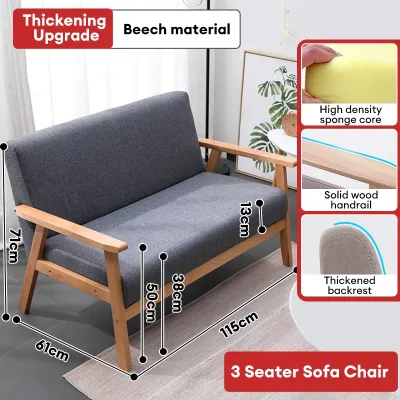
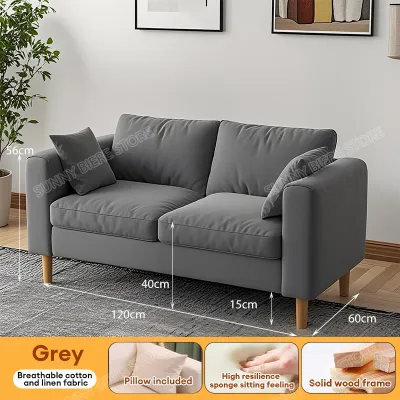
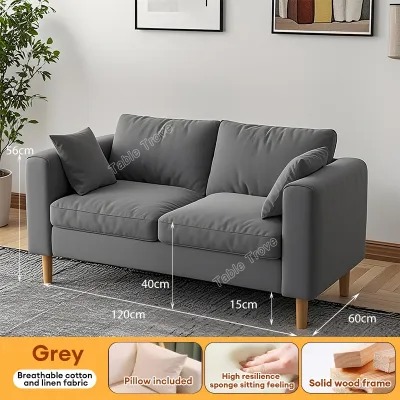
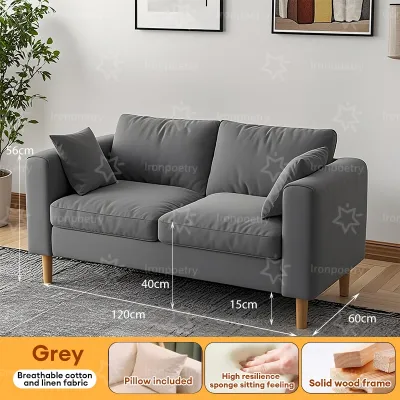
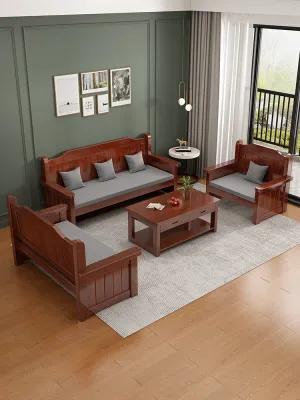
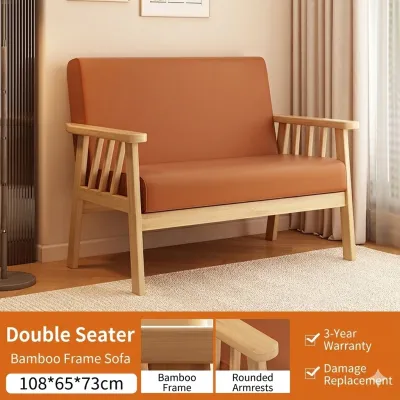
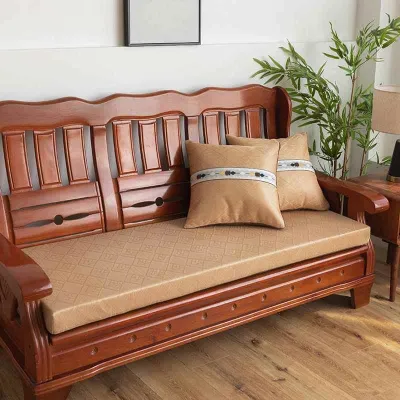
Prices are valid at publication and may change. Please refer to the product page for the latest price.
Wood Selection and Treatment While solid hardwoods like mahogany, teak, tanguile, and acacia are naturally dense and highly resistant to physical wear, their longevity depends heavily on how they were processed. Unprocessed or poorly dried wood contains high levels of moisture, which will inevitably evaporate in dry seasons and reabsorb during the humid monsoon months. This continuous cycle causes the wood to warp, twist, split, or crack, compromising the entire frame. Always verify with the manufacturer or retailer that the wood used in your sala set is kiln-dried (KD) to a stable moisture level, typically between 10% and 12% for tropical environments. Engineered woods, such as medium-density fiberboard (MDF) or standard plywood, are highly susceptible to moisture absorption and delamination in humid climates, making solid, properly treated hardwood the superior choice for large families.
Joinery and Construction The method used to connect the wooden pieces of a sofa frame determines its weight capacity and resistance to wobbling over time. High-quality wooden furniture utilizes traditional joinery techniques, such as mortise-and-tenon joints, dowel joints, or corner blocks glued and screwed into place. These methods distribute weight and lateral stress across a larger surface area of the wood itself. In contrast, cheap frames held together solely by basic nails, staples, or standard wood screws will quickly loosen under the dynamic weight of three to five active family members. When shopping, gently shake the sofa frame from the armrest; any noticeable sway, creaking, or flexing indicates weak joinery that will fail prematurely.
Seat Support Systems The foundation beneath the cushions is just as critical as the external wooden frame. For a 3-to-5-seater sofa, look for a support system consisting of thick, solid wood slats spaced closely together (no more than 2 to 3 inches apart) to prevent the cushions from sagging. Alternatively, heavy-duty, tightly woven elastic webbing or high-tensile steel S-springs (sinuous springs) can provide excellent weight distribution and a more cushioned feel. Ensure that any wooden slats are at least 2 centimeters thick and securely anchored to the side rails. If the support system yields or bends significantly when you apply localized pressure with your hands, it will not support a large family over years of daily lounging.
Cushion Compatibility A wooden sofa frame must be designed to hold its cushions securely in place during active use. Look for frames that feature a recessed seating platform, a retaining wooden lip, or built-in wooden slats on the sides to prevent the cushions from sliding forward or shifting sideways. For homes with energetic children or pets, choose cushions that come with non-slip backing material or integrated tie-down straps that secure directly to the wooden spindles. Additionally, ensure the cushions utilize high-density polyurethane foam (ideally with a density rating of 28 kg/m³ or higher) so they retain their shape and do not bottom out against the hard wooden support slats below.
Recommended Wooden Sofa Configurations for 3 to 5 People
The ideal layout for your wooden sala set must balance maximum seating capacity with comfortable traffic flow. Because solid wood frames are rigid and heavy, selecting a configuration that aligns with your room’s dimensions and your family’s daily habits is essential for long-term satisfaction.

L-Shaped Wooden Sectionals with Chaise
An L-shaped wooden sectional is highly effective for maximizing seating capacity in corner spaces or open-concept living areas. This configuration easily accommodates four to five people, providing a continuous seating surface that encourages relaxed, side-by-side lounging. The extended chaise lounge portion offers a comfortable space for one family member to stretch out completely without blocking the seating space of others.
Before purchasing an L-shaped wooden sectional, always check whether the chaise lounge is reversible or fixed to one side. A fixed chaise limits your room arrangement options and cannot be adjusted if you move to a new home or decide to rearrange your living room layout. If you opt for a fixed model, carefully measure your space to ensure the extended lounge does not block major walkways or natural light sources.
Modular Wooden Sofas
Modular wooden sofas consist of individual, freestanding seating units—such as armless chairs, corner pieces, and ottomans—that can be arranged in various layouts. This flexibility is incredibly valuable for large Filipino families who frequently host extended relatives, celebrate holidays, or rearrange their living spaces for different activities. You can easily push the modules together to form a large, cohesive U-shape for movie nights, or separate them into a 3-seater sofa and independent accent chairs to facilitate conversation during formal gatherings.
When selecting a modular wooden set, it is vital to inspect the connection system. Look for models equipped with heavy-duty metal interlocking brackets or gator clips installed beneath the frames to lock the units securely together. Without these connectors, the individual wooden modules will slide apart on smooth tile or polished wood floors, creating uncomfortable gaps and potential tipping hazards for young children or elderly family members.
Traditional 3-Seater with Matching Accent Chairs
The classic sala set configuration comprises a single, solid 3-seater wooden sofa paired with one or two matching wooden armchairs. This layout provides a formal, structured look that works exceptionally well in rectangular or narrower living rooms where a bulky sectional would overwhelm the space. It allows family members to sit facing each other, which is highly conducive to conversation and hosting guests.
A major practical advantage of this configuration is its ease of delivery and maneuverability. Because the set is broken down into smaller, individual pieces, transporting them through narrow doorways, tight hallways, or up winding staircases is significantly easier than trying to navigate a single, massive L-shaped wooden frame. This makes the traditional setup an excellent choice for families living in multi-story townhouses, condominiums, or homes with restricted entryways.
Space Planning and Delivery Access for Large Sofas
Purchasing a large wooden sofa set requires careful spatial planning to ensure the furniture fits harmoniously into your home and can actually be delivered through your doorways. Unlike upholstered sofas that have compressible backs and arms, a solid wooden frame has zero flexibility, making precise measurements mandatory.
Room Measurement and Clearance Begin by measuring the length and width of your living room, noting the locations of windows, electrical outlets, light switches, and built-in fixtures. When planning the layout of your new sala set, ensure you leave at least 18 to 24 inches of clear walkway space around the furniture to maintain comfortable traffic flow. If you plan to place a coffee table in front of the sofa, allow 12 to 18 inches of clearance between the edge of the seat and the table to give family members adequate legroom. Additionally, account for the swing radius of nearby doors, the placement of standing fans or air coolers, and ensure the sofa does not block access to wall-mounted air conditioning units or television consoles.
Delivery Access Checks Before finalizing your purchase, you must map out and measure the entire delivery path from the delivery vehicle to the final spot in your living room. Measure the height and width of all entry gates, front doors, interior door frames, and hallway turns. If you live in a condominium or multi-story home, measure the interior dimensions of the elevator cabin (including the door opening width and ceiling height) and the clearance of stairwell landings, paying close attention to low-hanging pipes, light fixtures, or structural beams. Because a solid wooden frame cannot bend, even a single inch of clearance shortage can result in a failed delivery and costly return fees.
Floor Protection Solid wooden sofas are exceptionally heavy, and this weight is concentrated onto four or six relatively small leg points. When multiple family members sit down, the downward pressure increases significantly, which can easily scratch, dent, or crack delicate flooring materials like hardwood, laminate, or ceramic tiles. To prevent this damage, plan to install heavy-duty, self-adhesive felt pads or durable rubber caster cups to the bottom of every wooden leg. For added protection and stability, place the entire wooden sala set on a large, heavy-weave area rug, which distributes the weight more evenly and prevents the furniture from sliding when people sit down or stand up.
Caring for Wooden Frames in a Tropical Climate
The tropical climate of the Philippines, characterized by high humidity, intense heat, and seasonal fluctuations, presents unique challenges for maintaining wooden furniture. Implementing a consistent, low-risk care routine will preserve the structural integrity and beautiful finish of your wooden sala set for generations.
Routine Cleaning For daily maintenance, dust the wooden frame regularly using a clean, dry, or slightly damp microfiber cloth. Dust contains abrasive particles that can scratch the protective finish over time if allowed to build up. If the frame requires a deeper clean to remove sticky fingerprints or spills, use a soft cloth lightly dampened with water and a tiny drop of mild, pH-neutral dish soap. Immediately follow with a dry microfiber cloth to remove any residual moisture. Never use harsh chemical cleaners, bleach, ammonia-based sprays, or abrasive scouring pads, as these will strip the protective lacquer, polyurethane, or wax finish, leaving the raw wood vulnerable to moisture and stains.
Climate and Placement Position your wooden sala set away from direct, prolonged sunlight, as ultraviolet rays will fade the wood’s natural color, dry out the fibers, and cause the finish to crack or peel. Similarly, avoid placing the wooden frame directly in the path of cold air-conditioning vents or right next to large windows that receive intense afternoon heat. Rapid, localized fluctuations in temperature and humidity cause the wood to expand and contract unevenly, which puts immense stress on the joinery and can lead to structural warping or split joints.
Pest Prevention Wood-boring beetles (commonly known as bukbok) and termites thrive in warm, humid environments and can cause catastrophic structural damage to wooden furniture. Routinely inspect the hidden areas of your sofa frame, such as the underside of the seat slats and the back of the legs, for early warning signs of infestation. Look for tiny, clean-cut circular exit holes or accumulation of very fine, powdery wood dust (frass) on the floor beneath the frame. If you detect any of these signs, stop using the furniture immediately, isolate it from other wooden items if possible, and consult a professional pest control service to treat the infestation before it spreads to the rest of your home.
Finish Maintenance The type of protective finish on your wooden sofa determines its long-term maintenance requirements. Refer to the manufacturer’s care instructions to identify whether your frame has a polyurethane, lacquer, oil, or wax finish. Polyurethane and lacquer finishes are highly durable and generally only require regular dusting and occasional polishing with a finish-compatible product. In contrast, oil- or wax-treated wood may require periodic re-application of specialized furniture oil or paste wax every six to twelve months to prevent the wood from drying out. Never mix finish types—such as applying furniture oil over a sealed polyurethane finish—as this will create a sticky, dust-attracting residue that is difficult to clean.
Frequently Asked Questions (FAQ)
Review these common questions and practical answers to help you select, evaluate, and maintain a high-quality wooden sala set for your home.
What is the most durable wood for a sala set in the Philippines?
Properly treated, kiln-dried solid hardwoods are generally preferred for their high density, structural strength, and resistance to physical damage. Species like mahogany, teak, and tanguile are highly valued because their tight grain patterns make them naturally resilient against dents and wear. However, the wood species alone does not guarantee a lifetime of durability. You must verify with the seller that the timber has undergone a proper kiln-drying process to stabilize its moisture content, has been treated to resist wood-boring pests, and is sealed with a high-quality protective topcoat suitable for humid tropical environments.
How much weight can a standard 3-seater wooden sofa hold?
The weight capacity of a three-seater wooden sofa varies significantly depending on the thickness of the frame, the quality of the joinery, and the design of the underlying seat support slats. A well-constructed, solid hardwood frame with traditional joinery can typically support a total weight of 300 to 450 kilograms (approximately 100 to 150 kilograms per seating section). Rather than relying on general estimates, always check the manufacturer’s specified weight limit for the exact model you are considering. For large families, look for frames that feature reinforced center support legs and thicker crossbeams, which distribute heavy, dynamic loads safely to the floor without bowing.
Community discussion
Share your experience or ask a question. Comments are reviewed before publication.