
Finding the right wooden sofa bed frame for a compact condominium bedroom in the Philippines requires balancing space efficiency, comfort, and material durability. In tropical climates where humidity levels fluctuate, the choice of wood and frame construction directly impacts how well your furniture performs over time. A well-chosen wooden sofa bed serves as a stylish seating area by day and a supportive sleeping surface by night, making it an essential investment for studio and one-bedroom condo layouts.
To make an informed purchase, you must evaluate how the frame fits your daily routine, how its mechanism operates within your floor plan, and how to verify its structural integrity. By focusing on practical measurements and material checks, you can find a durable piece of furniture that maximizes your limited square footage without sacrificing comfort.
How to Match a Wooden Sofa Bed to Your Bedroom Layout
Before browsing designs, clarify how the sofa bed will be used. If it serves as your primary bed for daily sleep, prioritize a frame that accommodates a standard, high-quality mattress and features a robust support system. For occasional guest use, you can focus more on seating comfort, fabric aesthetics, and how easily the frame transitions back into a sofa to keep your living space tidy.
Products mentioned in this guide
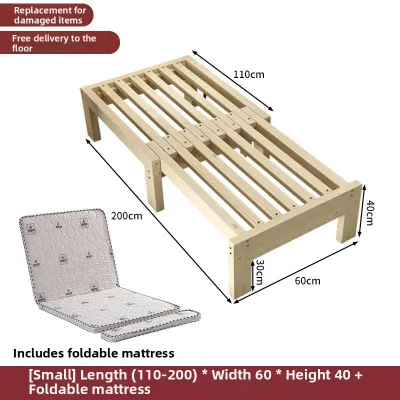
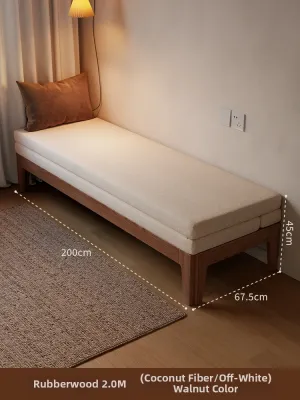

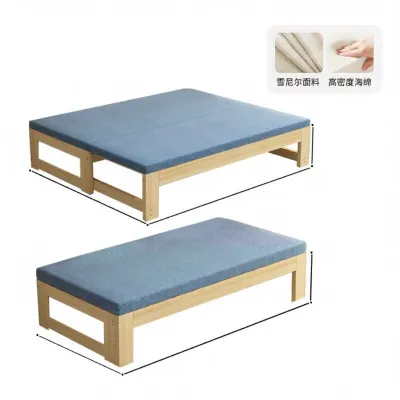
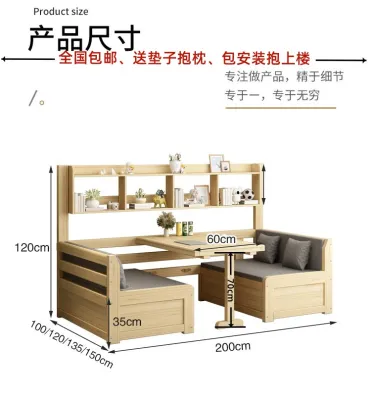
Prices are valid at publication and may change. Please refer to the product page for the latest price.
Condo bedrooms in urban centers often have narrow footprints. You must map out the clearance required for the frame when it is fully extended. Ensure that unfolding the bed does not block access to built-in wardrobes, bathroom doors, or the balcony entrance. Maintaining a clear walking path of at least 60 centimeters around the extended bed is crucial for comfortable daily movement.
Storage is a premium commodity in small condo units. Wooden sofa beds with built-in under-bed drawers offer a convenient place to store extra linens, pillows, and seasonal items. Alternatively, a minimalist, open-leg wooden frame provides a lighter visual profile, making a small room feel more spacious. Open frames also facilitate better under-bed airflow, which helps prevent moisture buildup and mold in humid tropical environments.
Comparing Space-Saving Mechanisms for Tight Spaces
Click-clack and futon designs feature a backrest that folds down flat to align with the seat cushion. They are highly favored for their simplicity and minimal moving parts, which reduces the risk of mechanical failure over years of use. However, because the backrest tilts backward to flatten, you must position the frame a few inches away from the wall, or be prepared to slide the frame forward slightly every time you convert it into a bed.

Pull-out mechanisms feature a secondary frame nested beneath the main seat that rolls forward on wheels or tracks. This design is excellent for narrow bedrooms because it expands forward rather than outward to the sides. Trundle frames often allow you to keep a thicker, more supportive mattress in place, making them highly comfortable for daily sleep. The trade-off is that they require significant front clearance, meaning you must clear away coffee tables, rugs, or floor cushions before extending the bed.
Some wooden daybeds feature adjustable side armrests that fold down flat to extend the sleeping surface. This style is ideal for single sleepers or studio apartments where the sofa bed serves as a multi-angle lounging spot during the day. Because only the sides expand, these frames maintain a very compact depth, making them easy to position against long, narrow walls without encroaching on the center of the room.
Evaluating Wood Materials and Frame Stability
When reviewing product specifications, look closely at the materials used for the load-bearing components. Solid hardwoods like rubberwood, acacia, or mahogany offer excellent structural integrity and natural resistance to warping, provided they are properly treated. Engineered woods, such as medium-density fiberboard (MDF) or plywood, are common in budget-friendly frames. If opting for engineered wood, ensure it features a high-quality veneer or moisture-resistant laminate to protect the inner fibers from swelling during the humid rainy season.
The longevity of a sofa bed depends heavily on how the frame is put together. Look for frames assembled with heavy-duty metal-to-metal bolts, dowels, or corner blocks. Avoid frames that rely solely on wood glue, staples, or simple nails at critical stress points. Because converting a sofa bed puts repetitive physical stress on the joints, robust hardware is essential to prevent the frame from wobbling or squeaking over time.
Always check the manufacturer’s rated weight capacity for both seating and sleeping configurations. A reliable frame should clearly state its maximum load limit. Keep in mind that the weight capacity must account for both the weight of the mattress and the sleepers. For a double or queen-sized sofa bed, look for a frame rated to support at least 200 to 250 kilograms to ensure safe, long-term use.
Examine the support system beneath the mattress. A sturdy wooden sofa bed should feature closely spaced slats—ideally no more than 7.5 centimeters apart—to prevent the mattress from sagging. For double or queen-sized frames, verify the presence of a central support beam equipped with adjustable center legs. These extra legs distribute weight evenly to the floor, preventing the wooden frame from bowing or cracking under pressure.
Essential Measurements Before You Buy
Do not rely on visual estimates when shopping online or in showrooms. Measure your bedroom’s available floor space and compare it against the manufacturer’s exact dimensions for both the folded (sofa) and unfolded (bed) configurations. Use masking tape on your bedroom floor to outline the physical footprint of the fully extended bed. This simple exercise helps you visualize whether you will have enough space to walk around the bed or open nearby doors.
A common mistake is purchasing a beautiful wooden frame only to find it cannot fit through the building’s entry points. Measure the height and width of your condo building’s elevator doors, as well as the internal elevator cabin dimensions. If your unit is accessible only via stairs or has tight hallway turns, measure these clearances carefully. Delivery teams require sufficient turning radius to maneuver long, heavy boxes around corners.
Measure the width and height of your main unit entrance and the specific bedroom doorway. Compare these measurements against the packaged box dimensions provided by the retailer. If the frame arrives fully assembled, ensure the doorway clearance exceeds the sofa’s narrowest depth or height. For flat-packed frames, verify that the longest box can safely clear your ceiling height when tilted during transport through your hallway.
Frequently Asked Questions (FAQ)
Do wooden sofa bed frames require special floor protection?
Yes, protecting your condo’s flooring is essential to avoid damage and preserve your security deposit or property value. Most condo units in the Philippines feature laminate wood, vinyl planks, or ceramic tile flooring, all of which can be scratched by heavy wooden legs or moving metal parts.
Apply heavy-duty, self-adhesive felt pads to the bottom of all stationary wooden legs. These pads cushion the weight and allow you to slide the frame slightly during cleaning without scratching the floor.
If your sofa bed features a pull-out trundle, ensure the wheels are made of soft polyurethane or rubber rather than hard, rigid plastic. Hard plastic wheels can easily dent vinyl or scratch laminate floors over time.
Placing a low-pile area rug under the front section of the sofa bed provides an extra layer of protection and helps define the seating area visually.
How can I improve mattress comfort on a wooden sofa bed?
Improving sleep quality on a sofa bed does not require replacing the entire wooden frame. You can significantly enhance comfort by focusing on the mattress and support layers.
Before buying a new mattress or topper, check the frame’s manual for the maximum allowable mattress thickness. Many folding mechanisms will not close properly if the mattress exceeds 10 to 15 centimeters in thickness.
Adding a removable high-density memory foam or natural latex topper is an excellent way to soften a firm sofa bed. You can easily roll up and store the topper in a closet when the frame is folded back into a sofa.
If you can feel the wooden slats through a thin mattress, place a breathable fabric mattress protector or a thin bunkie board over the slats. This helps distribute body weight more evenly and prevents the mattress from sinking between the gaps.

Community discussion
Share your experience or ask a question. Comments are reviewed before publication.