
Maximizing bedroom space in modern homes or high-rise condominiums requires smart, multi-functional furniture. When selecting a durable bed wood frame with integrated storage, the best option is one that aligns perfectly with your room’s layout, clearance zones, and daily habits. For exceptionally tight rooms, a hydraulic lift-up wooden bed offers deep, continuous under-bed storage without requiring any extra floor clearance to open. Conversely, if your room has open side pathways, a drawer-based wooden bed frame provides quick, organized access to everyday essentials. By turning the footprint of your bed into a highly efficient storage unit, you can eliminate the need for bulky dressers and keep your small bedroom organized and clutter-free.
How to Measure Your Small Bedroom for a Storage Bed
Before purchasing any storage furniture, precise physical measurements are essential to ensure your new bed frame is fully functional. A common mistake is measuring only the mattress size rather than the finished outer dimensions of the wooden frame, which are often significantly larger due to headboards, footboards, and side paneling.
Begin by measuring the total floor space of your bedroom using a standard tape measure. To maintain comfortable movement, you should allocate a clear walking path of at least 60 centimeters around any open sides of the bed. This clearance prevents the room from feeling cramped and ensures you do not have to squeeze past walls or other furniture to make the bed or change the sheets.
Products mentioned in this guide
![[Really To Ship] 36-70 Inch Solid Wood Bed Width Modern Simple Family Single Double Bed Economy Bedroom Furniture Bed 2M Long Bed Queen Bed King Bed Full Double Bed](https://img.lazcdn.com/g/p/66f1f27f8dcaf497396251b9acf94b36.jpg_400x400q80.jpg_.webp)
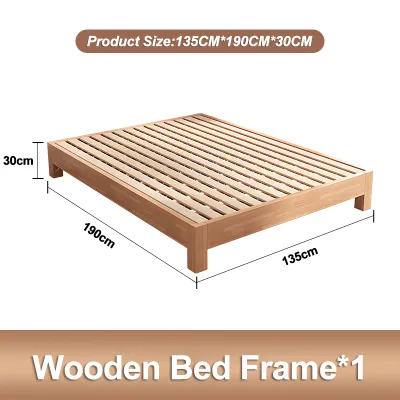
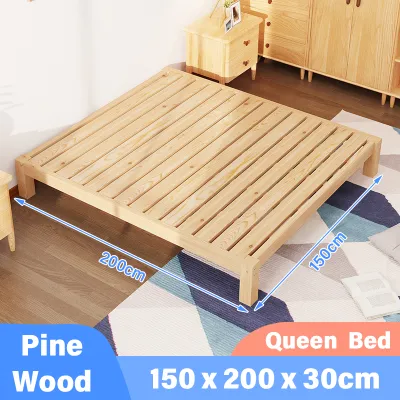
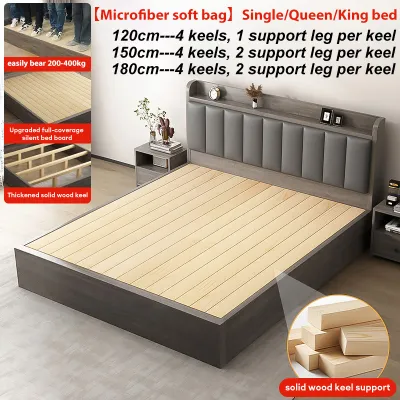
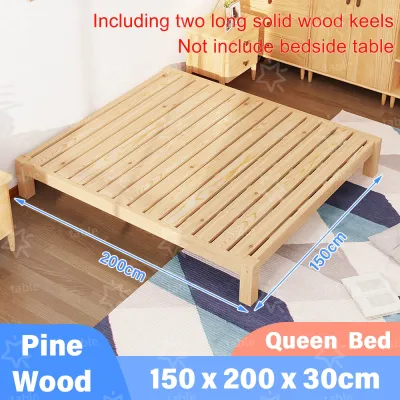
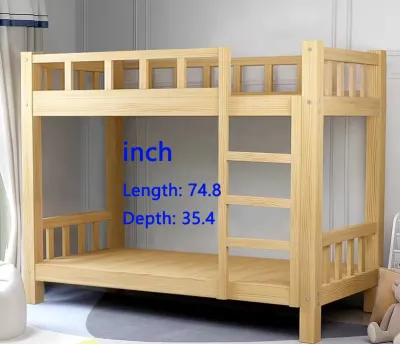
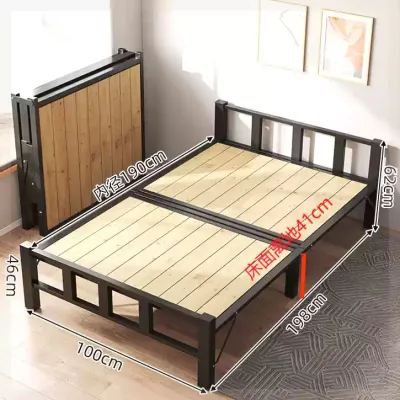
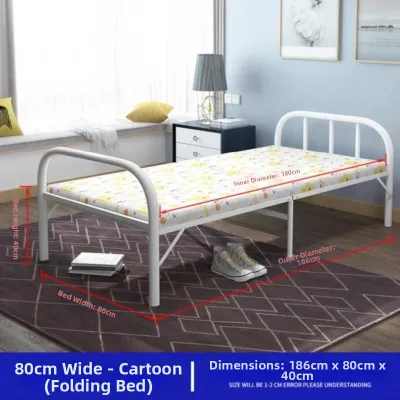
Prices are valid at publication and may change. Please refer to the product page for the latest price.
Next, carefully map out the swing paths of all existing fixtures and doors in the room. This includes the main bedroom entryway door, built-in wardrobe doors, and window casings. A storage bed that blocks a closet door from opening fully defeats the purpose of space-saving design. If your room features low windows, verify that the headboard height does not block natural light or interfere with window handles.
Vertical clearance is equally critical if you are considering a wooden bed frame with a tall headboard, built-in overhead shelving, or integrated reading lights. Measure the height of your ceiling and check for any wall obstructions such as wall-mounted air conditioning units, light switches, electrical outlets, or decorative molding that could prevent the headboard from sitting flush against the wall.
Finally, do not overlook the logistics of the delivery route. Measure the width and height of all stairwells, elevators, corridors, and bedroom doorways in your home or condominium building. Wooden storage beds are often heavy and shipped in large, flat-packed sections or pre-assembled panels. Ensuring these components can safely clear every tight corner during delivery prevents costly return fees and delivery day headaches.
Types of Bed Wood Storage Frames for Compact Spaces
Selecting the ideal storage mechanism depends heavily on how much clear floor space you have surrounding the bed. Different designs utilize space in distinct ways, making some configurations far more suitable for specific room layouts than others.

Drawer-Based Storage Beds
Drawer-based wooden bed frames feature built-in pull-out drawers integrated directly into the sides, the footboard, or both. This design is highly practical for organizing smaller, frequently used items such as bed linens, clothing, and accessories. Because the drawers slide out horizontally, they allow you to access specific items quickly without disturbing the mattress or the bedding.
However, drawer-based frames have a significant spatial limitation: they require substantial open floor space to operate. You must ensure there is enough clearance on the sides of the bed to pull the drawers completely open, which typically requires an additional 50 to 70 centimeters of unobstructed space beyond the bed frame itself. If your bed is positioned against a corner wall or placed immediately next to a bedside table, those drawers will become inaccessible.
Hydraulic Lift-Up Beds
For ultra-compact bedrooms where side clearance is non-existent, hydraulic lift-up wooden beds are an exceptional solution. These frames utilize a specialized gas-lift mechanism that allows you to effortlessly raise the entire mattress platform, revealing a deep, continuous storage compartment underneath. This design utilizes the absolute maximum volume of the bed’s footprint, making it ideal for storing large, seasonal items like luggage, extra pillows, heavy blankets, or storage boxes.
Because the mattress lifts vertically, this option requires zero lateral clearance. You can place the bed directly against walls or right next to nightstands without compromising your access to the storage area. The primary trade-off is that accessing this storage requires lifting the mattress platform, making it slightly less convenient for items you need to retrieve multiple times a day.
Headboard and Footboard Shelving
Another highly effective configuration for small bedrooms is a wooden bed frame featuring integrated shelving in the headboard or footboard. These built-in cubbies, shelves, or sliding compartments provide a dedicated place to store books, phones, glasses, and decorative items.
By utilizing the vertical plane of the headboard, this design completely eliminates the need for separate bedside tables. This saves valuable floor space on either side of the bed, allowing you to opt for a larger mattress size or simply enjoy a more open, breathable room layout. Footboard shelving can also serve as a low bookcase or shoe storage area, maximizing utility at the opposite end of the frame.
Key Specifications to Verify Before Buying
When investing in a wooden storage bed, verifying the technical specifications is crucial to ensure long-term durability, smooth operation, and safety. Because storage beds bear both the weight of the sleepers and the mechanical stress of drawers or lift systems, material quality and hardware standards cannot be overlooked.
Wood Types and Finishes Always check the manufacturer’s product labels to distinguish between solid wood and engineered wood, such as medium-density fiberboard (MDF) or particleboard. Solid wood frames generally offer superior structural integrity and joint strength, though they are heavier and typically sit in a higher price band. If opting for engineered wood, ensure it features high-quality edge banding and a durable laminate or veneer finish. For humid tropical climates, verify that the wood has been treated with a moisture-resistant sealant or protective lacquer to prevent warping, swelling, and structural degradation over time.
Hardware and Mechanisms The performance of a storage bed relies heavily on its moving parts. For hydraulic lift-up beds, verify the gas lift cylinders’ weight rating and ensure they match the weight of your specific mattress. If the pistons are underpowered, lifting the bed will be difficult and unsafe; if they are overpowered, the platform may spring up too aggressively. For drawer-based beds, look for heavy-duty metal drawer slides—ideally with ball-bearing designs or soft-close mechanisms—which ensure smooth, quiet operation even when the drawers are fully loaded.
Weight Capacity A reliable manufacturer should clearly state the maximum load capacity of the bed frame. When calculating your requirements, add the weight of your mattress, the combined weight of the sleepers, and the estimated weight of the items you plan to store inside. Ensure the total falls safely below the frame’s rated limit to prevent joint strain, cracking, or structural failure.
Ventilation and Base Design Under-bed storage compartments can restrict natural airflow around your mattress. Inspect the base design to see if it uses a solid platform or a slatted wooden system. While solid platforms offer excellent stability, slatted bases promote better air circulation. Adequate ventilation is essential to prevent moisture accumulation, which can lead to mold, mildew, and unpleasant odors under the mattress—especially in humid environments.
Common Sizing and Placement Mistakes to Avoid
Avoiding common installation and layout mistakes will ensure your wooden storage bed remains fully functional and does not damage your bedroom environment.
One frequent error is placing bedroom rugs, nightstands, or accent chairs too close to the bed frame. A thick pile rug can obstruct the path of under-bed drawers, causing them to catch, scratch, or fail to open smoothly. Similarly, placing a traditional nightstand directly beside a drawer-style bed will block the drawers closest to the headboard, rendering them useless.
Another common mistake is neglecting the weight and thickness of your mattress when purchasing a hydraulic lift bed. If you pair a heavy, high-density latex or thick pocket-spring mattress with standard hydraulic pistons, the lifting mechanism may be incredibly difficult to operate, or it may fail to stay open safely during use. Always check the mattress weight recommendations provided by the bed frame manufacturer.
Overloading the storage compartments is also a risk. While it is tempting to pack the under-bed cavity tightly, packing items too high can interfere with the closing mechanism of a lift-up bed, potentially damaging the wooden frame or bending the metal brackets. For drawer systems, overloading can cause the drawer bottoms to sag, scrape against the floor, or derail from their tracks.
Lastly, always account for baseboards or skirting boards along your bedroom walls. If your wooden bed frame has a completely flush back, the baseboards will prevent it from sitting tight against the wall, leaving a small gap where pillows or small items can fall. Look for frames designed with a slight baseboard cutout or adjust your measurements to accommodate this small gap.
Frequently Asked Questions (FAQ)
Do wooden storage beds attract termites?
Wooden furniture can be susceptible to pests, but proper material selection and maintenance greatly reduce this risk. When purchasing, check the manufacturer’s specifications to see if the wood has undergone kiln-drying or chemical treatments designed to deter insects. To protect your investment, maintain low humidity levels in your bedroom, ensure good ventilation, and perform regular inspections around the base and corners of the bed frame. If you notice any signs of wood dust or structural softening, consult a pest control professional immediately.
Can I use a memory foam mattress on a wooden storage bed?
Yes, you can use a memory foam mattress, but compatibility depends heavily on the bed’s base design. Memory foam requires consistent, flat support to prevent sagging and preserve its shape. If your wooden storage bed features a slatted base, check the mattress manufacturer’s guidelines regarding slat spacing—typically, slats should be spaced no more than 7 to 8 centimeters apart. If the gaps are too wide, you may need to place a bunkie board or a thin plywood sheet over the slats to provide a uniform, supportive surface.
Community discussion
Share your experience or ask a question. Comments are reviewed before publication.