
Designing a Japandi-style living room requires balancing minimalist aesthetics with functional comfort, and the 3-seater sofa is typically the anchor of this space. Because Japandi relies heavily on natural materials, clean lines, and high-quality textures, understanding where your money goes is crucial. This guide breaks down the cost drivers, accessory allocations, and hidden fees to help you build a realistic budget for your renovation without relying on guesswork.
To establish a practical budget, a balanced allocation typically divides the total cost into 70% for the main 3-seater sofa and 30% for essential styling accessories like rugs, lighting, and side tables. In the local market, setups can range from budget-conscious configurations using engineered wood and synthetic linen blends to premium investments featuring solid imported hardwoods and high-density down-blend cushions. Planning this budget requires looking beyond the initial price tag to account for tropical climate demands, delivery logistics, and long-term maintenance.
Building Your Japandi Sofa Budget Framework
Before browsing online marketplaces or visiting local showrooms, establishing a clear financial boundary is essential. The 3-seater sofa is the largest and most frequently used piece of furniture in your living room, making it the natural centerpiece of your design. Setting a hard spending ceiling beforehand prevents emotional impulse buys and ensures you allocate your funds logically across the entire seating area rather than exhausting your resources on a single item.
Products mentioned in this guide
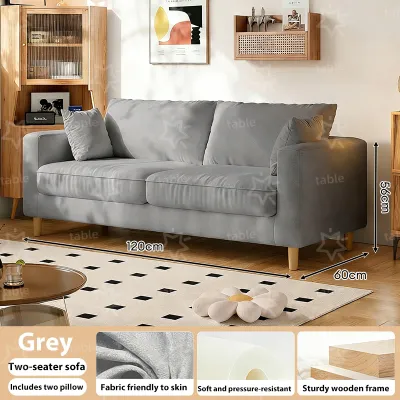
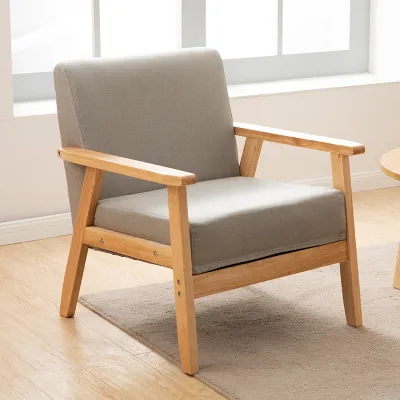
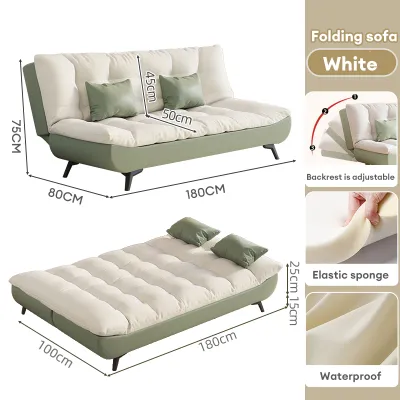
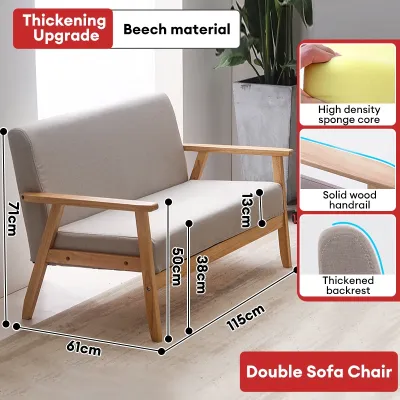
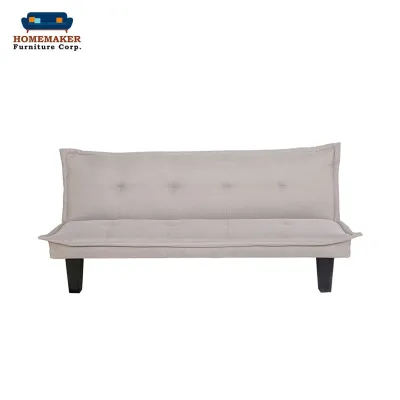
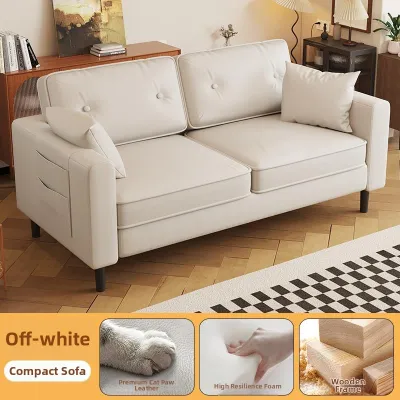

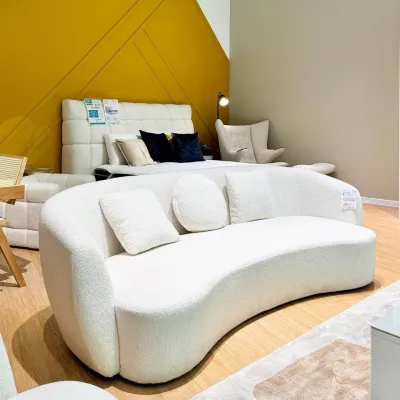
Prices are valid at publication and may change. Please refer to the product page for the latest price.
To achieve a cohesive Japandi look, apply a percentage-based split to your total budget. Allocating approximately 70% of your funds to the main 3-seater sofa ensures you secure a durable, comfortable piece that anchors the room. The remaining 30% should be reserved for styling accessories such as textiles, lighting, and small tables. This disciplined division guarantees that your sofa does not sit in an empty, uninviting room, while also ensuring you do not compromise on the quality of the primary seating.
When allocating your sofa budget, prioritize structural longevity and frame quality over temporary aesthetic trends. A cheap frame made from low-grade materials may look appealing in photos, but it is highly susceptible to sagging, warping, and joint failure within a few years. Investing in a robust, well-constructed frame ensures long-term value, saving you money on premature replacements or repairs. In Japandi design, where simplicity and functionality reign, the true value lies in the invisible craftsmanship of the furniture.
What Drives the Cost of a Japandi 3-Seater Sofa?
Understanding the specific materials and construction methods that influence pricing will help you make informed trade-offs. The frame material is the primary driver of both cost and durability. Solid hardwoods, such as imported ash, oak, or high-quality local mahogany, offer exceptional strength and natural beauty, but they command a premium price. Engineered alternatives, such as furniture-grade plywood or medium-density fibreboard (MDF) with wood veneers, are more budget-friendly but require careful inspection of the joints and overall stability.

Upholstery choices also significantly impact the price point and daily maintenance requirements. Natural fibers like pure linen and cotton blends are highly sought after in Japandi design for their breathable, organic texture. However, they tend to be more expensive, prone to wrinkling, and sensitive to stains. Performance synthetics, such as polyester-linen blends, offer a highly practical alternative; they replicate the slubby texture of natural linen while providing superior stain resistance, easier cleaning, and greater durability at a lower cost.
Cushion fillings dictate both the comfort level and the long-term shape of your 3-seater sofa. High-density polyurethane foam is a reliable, cost-effective option that provides firm, resilient support and retains its shape well over time. Premium down or feather blends offer a luxurious, sink-in softness but require regular fluffing and come with a much higher price tag. Many mid-range sofas utilize a hybrid construction, wrapping a high-density foam core in a layer of soft fiber or down to balance comfort, shape retention, and cost.
Finally, the minimalist design details characteristic of Japandi style can influence manufacturing costs. Creating clean lines, low-profile silhouettes, and visible, elegant joinery requires precise carpentry and high-quality wood selection. Unlike traditional fully upholstered sofas where structural imperfections can be hidden beneath thick padding and fabric, Japandi designs often expose the wooden base and legs. This level of craftsmanship and attention to detail adds a manufacturing premium that is reflected in the retail price.
Budgeting for Essential Japandi Styling Accessories
To complete the Japandi aesthetic, you must budget for the secondary elements that bring warmth and balance to the space. Textiles play a crucial role in softening the clean lines of a wooden-framed 3-seater sofa. Allocate a portion of your accessory budget to high-quality, textured throw pillows and woven blankets. Opt for neutral, earthy tones—such as oatmeal, stone, terracotta, or muted sage—in tactile fabrics like waffle-weave cotton, chunky knits, or bouclé to introduce subtle visual interest without cluttering the room.
Surfaces around the sofa are essential for both functionality and style. Plan to include a low-profile coffee table or a set of minimalist nesting side tables. Pieces made from light-colored woods like rubberwood, oak, or ash complement the sofa frame and keep the room feeling airy. Look for simple geometric shapes, rounded edges, and slender legs that maintain a sense of spaciousness, ensuring these surfaces do not overwhelm the visual flow of your living area.
Floor coverings and lighting are the final components needed to ground your Japandi setup. A subtle, natural-fiber area rug—such as flat-woven jute, sisal, or a low-pile wool blend—helps define the seating zone and adds organic texture underfoot. Pair this with warm, diffused ambient lighting to create a cozy, inviting atmosphere. A minimalist paper lantern floor lamp or a sleek wooden table lamp with a fabric shade will provide the soft, glare-free illumination that is central to the peaceful, balanced feel of Japandi design.
Hidden Costs to Factor Into Your Living Room Renovation
When planning your budget, it is easy to overlook the expenses that occur after you select your furniture. Logistics fees can quickly add up, especially for bulky items like a 3-seater sofa. Before finalizing your purchase, verify the delivery fees to your specific location. Be sure to ask if the service includes carrying the heavy pieces up stairs—particularly if you live in a walk-up apartment or a condominium with tight elevator clearances—and whether professional on-site assembly is included or requires an extra fee.
Maintenance costs should also be factored into your long-term budget. Natural wood finishes require occasional conditioning with specialized oils or waxes to prevent drying and cracking, especially in air-conditioned environments. Similarly, delicate upholstery fabrics may require specialized cleaning solutions or professional deep cleaning services over time. Budgeting for these small, recurring maintenance items helps preserve the appearance and structural integrity of your setup for years to come.
In the humid tropical climate of the Philippines, protecting your furniture from moisture is a critical consideration. High humidity can encourage the growth of mold or mildew on natural fibers and wood. Applying a professional fabric guard treatment at the time of purchase or investing in moisture-absorbing products for your living room adds an upfront cost but provides essential protection. This preventive measure safeguards your investment against climate-related damage and premature wear.
Lastly, always review the retailer’s return policies and warranty limitations before making a commitment. This is especially important for custom-made, upholstered-to-order, or imported pieces, which may carry strict return conditions or high restocking fees. Clarify who covers the shipping costs in the event of a return or warranty claim. Understanding these policies beforehand protects you from unexpected expenses if the sofa arrives with manufacturing defects or does not fit your space as expected.
Smart Strategies to Achieve the Japandi Look on a Budget
Achieving a beautiful Japandi living room does not require unlimited spending; it requires strategic decision-making. One of the most effective approaches is to mix and match your investments. Allocate the majority of your budget to a high-quality, durable 3-seater sofa frame, as this piece experiences the most physical wear. You can then save money by sourcing affordable, easily replaceable accessories—such as paper lamps, woven storage baskets, and simple cotton throws—from local craft markets or budget-friendly home stores.
Another smart strategy is to look for high-quality material alternatives. If solid oak or ash is beyond your current financial limit, seek out furniture constructed from sustainable rubberwood or high-grade engineered wood finished with real wood veneers. These options provide the warm, organic look of solid wood at a fraction of the cost. For upholstery, choose durable polyester-linen blends that mimic the slubby, textured appearance of pure linen while offering better stain resistance and a more accessible price point.
Exploring custom routes can also yield excellent results while supporting local industries. Consider collaborating with local carpenters to build a simple, minimalist wooden sofa frame based on your design specifications. You can then source high-density foam cushions locally and have them upholstered in a neutral canvas or linen-look fabric. This custom approach often allows you to control the exact dimensions and material quality of your sofa while keeping costs highly competitive.
If you already own a structurally sound 3-seater sofa, you do not necessarily need to buy a new one to achieve the Japandi look. A well-fitted, neutral-toned slipcover in a textured cotton or linen-look fabric can instantly transform your existing furniture. This simple update hides worn upholstery and introduces the clean, minimalist aesthetic of Japandi style at a fraction of the cost of a brand-new sofa, allowing you to redirect your budget toward high-quality accessories or other renovation needs.
Frequently Asked Questions (FAQ)
Is it more cost-effective to buy a pre-styled Japandi set or piece it together?
Buying a pre-styled furniture set can offer convenience and potential bundle discounts from retailers, ensuring all pieces match perfectly. However, piecing the setup together individually allows for better quality control, personalized curation, and the flexibility to distribute your budget over time. Curation prevents your living room from looking like a showroom catalog and lets you invest more heavily in the 3-seater sofa while finding unique, budget-friendly accessories elsewhere.
How do I maintain natural linen sofas in a humid climate?
Maintaining natural linen in a humid tropical climate requires regular care to prevent moisture retention and mold. Vacuum the upholstery weekly using a soft brush attachment to remove dust and allergens. Keep the living room well-ventilated, use dehumidifiers during the rainy season, and always check the manufacturer’s care label before applying any liquid cleaners or fabric protectors to avoid staining or shrinking the fibers.
Community discussion
Share your experience or ask a question. Comments are reviewed before publication.