
Building a serene, minimalist living space in the Philippines often leads homeowners to the timeless elegance of Japandi design. This aesthetic style seamlessly blends the rustic, warm simplicity of Japanese wabi-sabi with the clean, functional lines of Scandinavian interiors. At the heart of this design movement in tropical homes is the classic rattan sofa sala set, a furniture choice that perfectly bridges the gap between natural warmth and airy minimalism.
In the Philippine market, building or purchasing a complete Japandi rattan sofa sala set typically requires a budget ranging from as low as ₱15,000 for basic local artisan pieces to upwards of ₱150,000 for premium, custom-designed setups. The final cost is determined by several critical factors, including the authenticity of the materials, the complexity of the hand-woven patterns, the quality of the supporting wood frames, and the custom upholstery choices. Understanding these variables allows you to make informed decisions, ensuring you invest in pieces that offer both aesthetic beauty and long-term structural durability.
Understanding the Cost of a Japandi Rattan Sofa Sala Set
To budget effectively, you must first understand how the Japandi style translates into physical furniture. Unlike traditional, heavily ornate Filipino rattan furniture, Japandi-style rattan features clean profiles, low-slung frames, and an emphasis on negative space. The goal is to create an uncluttered, peaceful environment where air and light can circulate freely—a design philosophy that is highly practical for the warm, humid climate of the Philippines.
Products mentioned in this guide
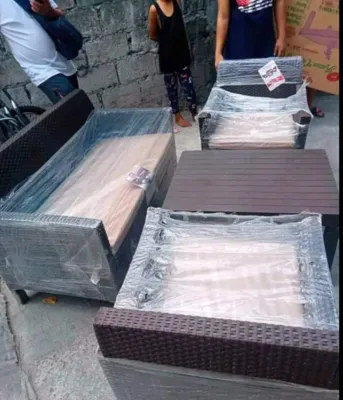
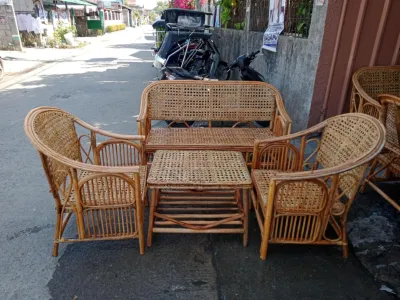
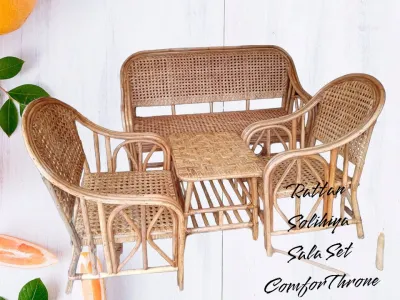
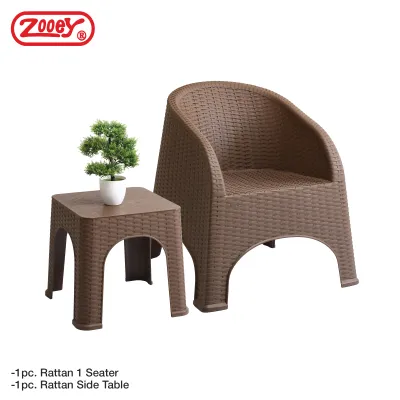
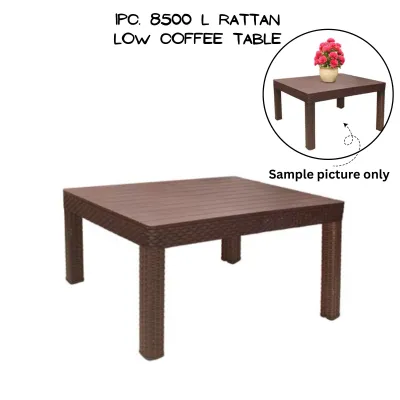
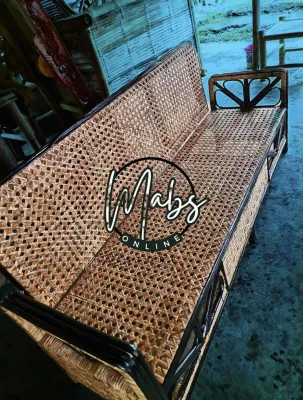
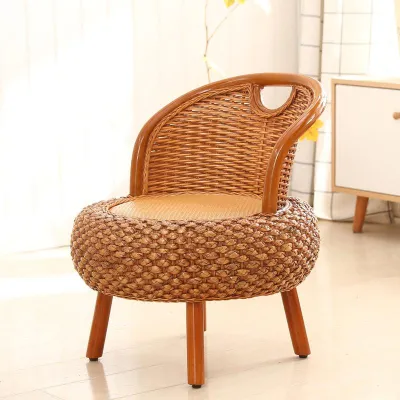
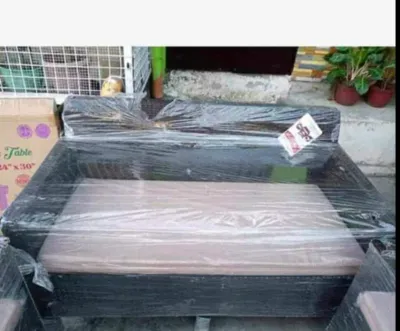
Prices are valid at publication and may change. Please refer to the product page for the latest price.
A complete sala set generally consists of a primary two-seater or three-seater sofa, one or two accent chairs, a low-profile coffee table, and subtle styling accessories like neutral cushions and a textured area rug. Because these pieces serve as the focal point of your daily living space, your budgeting mindset should focus on structural integrity and comfort rather than simply seeking the lowest price tag on the market.
To help you visualize your options, the table below breaks down the estimated price ranges and typical specifications for different budget tiers in the Philippine market:
| Budget Tier | Estimated Price Range (PHP) | Core Components Included | Material & Construction Quality |
|---|---|---|---|
| Entry-Level / Local Workshop | ₱15,000 – ₱35,000 | 2-seater sofa, simple coffee table, basic foam cushions | Lightweight natural rattan or synthetic PE rattan; simple open-weave patterns; basic softwood frames. |
| Mid-Range / Specialized Boutique | ₱35,000 – ₱75,000 | 3-seater sofa, 1 accent chair, solid wood coffee table, high-density cushions | Seasoned natural rattan; solid hardwood frames (mahogany or acacia); tight solihiya weave; breathable linen-blend covers. |
| Premium / Designer Custom | ₱75,000 – ₱150,000+ | 3-seater sofa, 2 premium accent chairs, designer coffee table, custom performance cushions | Premium thick-pole natural rattan; teak or imported ash wood frames; intricate custom weaving; high-resiliency foam; stain-resistant fabrics. |
Key Factors That Influence Rattan Furniture Prices
When comparing quotes from local manufacturers or browsing retail showrooms, you will find a wide variance in pricing. These price differences are rarely arbitrary; instead, they reflect specific choices in materials, construction methods, and labor.

Material Type and Treatment
Natural rattan is harvested from climbing palms native to tropical regions. It is highly prized for its organic texture, unique color variations, and flexibility. However, high-quality natural rattan must undergo thorough seasoning and treatment to protect it against moisture, mold, and wood-boring beetles, locally known as bukbok. This treatment process adds to the production cost but is vital for the furniture’s survival in humid Philippine climates.
Conversely, synthetic polyethylene (PE) rattan is a plastic-based alternative. While PE rattan is highly weather-resistant, affordable, and excellent for outdoor patios, it lacks the matte finish, tactile warmth, and authentic organic feel required for a true indoor Japandi aesthetic. Choosing natural rattan means paying a premium for authentic craftsmanship and material preparation.
Frame Construction and Joinery
The durability of a rattan sofa depends heavily on the skeleton underneath the weaving. Premium-tier rattan sofas utilize sturdy solid hardwoods, such as mahogany, acacia, or gmelina, for their primary load-bearing frames. The joints are secured with heavy-duty screws and wrapped tightly with wet-shrunk natural rattan peel to ensure maximum stability.
In contrast, budget-friendly options often use softer woods, thin plywood, or lightweight metal frames. These cheaper frames are prone to warping, cracking, or rusting when exposed to seasonal humidity shifts. Always ask your supplier about the specific wood species used in the frame and inspect the joints to ensure they do not rely solely on staples or weak adhesives.
Weaving Complexity and Labor
The style of the weave directly impacts both the look of your sofa and its price. Intricate, tight weaving patterns, such as the traditional Filipino solihiya (a hexagonal double-weave pattern), require exceptional skill and many hours of manual labor. This level of craftsmanship naturally commands a higher price.
Simpler, open-spaced reed patterns or linear vertical pole designs require less time to assemble and are generally more cost-effective. For a Japandi look, simpler or more open weaves often work beautifully, as they emphasize lightness and allow light to filter through the furniture, making small living rooms feel more spacious.
Custom vs. Ready-Made Pieces
Sourcing your furniture from local artisan hubs in provinces like Pampanga, Laguna, or Cebu allows you to customize the exact dimensions, wood stains, and fabric colors of your sala set. While custom-made furniture ensures a perfect fit for your home, it carries a premium price and longer lead times, often taking four to eight weeks to complete.
Ready-made showroom items offer immediate delivery and lower upfront costs due to standardized production lines. However, they limit your ability to select specific cushion densities or adjust frame dimensions to fit tight spaces.
How to Allocate Your Budget for a Complete Living Room
Achieving a cohesive Japandi aesthetic requires a strategic approach to spending. Instead of buying a cheap, complete matching set that may degrade quickly, allocate your funds systematically to prioritize comfort and longevity.
Prioritizing the Core Pieces: Sofa and Coffee Table
You should allocate approximately 60% to 70% of your total budget to your primary seating and the coffee table. The sofa is the most heavily used item in the room, making its comfort and structural integrity paramount.
When shopping, test the cushion density. Look for high-resiliency (HR) foam with a density rating of at least 30 kg/m³. Cheap, low-density foam will sag within a few months of daily use, forcing you to pay for expensive reupholstery. Ensure the cushion covers are removable and made of breathable, washable fabrics like linen or heavy canvas, which perform exceptionally well in warm weather.
Your coffee table should complement the sofa’s height and material. A low-slung, solid wood coffee table with clean, rounded edges provides a grounding element that balances the lightweight texture of the rattan sofa. Ensure the table has a stable base and a protective, moisture-resistant matte sealer to prevent water rings from cold drinks.
Budgeting for Styling and Accessories
The remaining 30% to 40% of your budget should be reserved for accent seating and styling elements that complete the Japandi atmosphere. Because accessories do not bear heavy daily wear, this is an excellent area to save money or build up your collection gradually.
Cushions and Throw Pillows: Opt for neutral, earthy tones such as cream, beige, olive green, or terracotta. Choose natural fibers like cotton or linen to maintain the organic feel.
Area Rugs: A large textured rug helps define the seating area. Jute, sisal, or flat-weave cotton rugs are affordable, durable, and perfectly match the natural aesthetic of rattan.
Lighting: Soft, warm lighting is essential for creating a cozy atmosphere. Look for paper floor lamps or woven rattan pendant lights that cast gentle shadows across the room.
Greenery and Storage: Incorporate low-maintenance indoor plants in simple ceramic pots, and use woven seagrass baskets to hide clutter, keeping the space functional and tidy.
Where to Shop and What to Verify Before Checkout
Finding the right pieces at the right price requires exploring different sourcing channels and keeping a close eye on hidden logistical expenses.
Sourcing Channels in the Philippines
- Provincial Artisan Hubs: Traveling to furniture-making municipalities in Pampanga or Laguna allows you to buy directly from workshops. This option offers the best value for genuine, high-quality natural rattan and supports local communities, though you must arrange your own transport.
- Specialized Design Boutiques: Curated home stores in urban centers offer beautifully finished, pre-selected Japandi designs. While they provide convenient delivery and reliable customer service, their prices reflect significant retail markups.
- Online Marketplaces: Buying from independent makers via online marketplaces or social media business pages offers convenience and competitive pricing. However, you must exercise caution, as you cannot physically test the comfort or verify the frame quality before purchasing.
Factoring in Hidden Costs
Bulky furniture delivery can add a substantial amount to your final bill. Shipping a full sala set from a provincial workshop to a home in Metro Manila can cost anywhere from ₱2,000 to ₱8,000, depending on the vehicle size and distance.
Additionally, verify if the delivery service includes carrying the items up to your specific floor, especially if your building lacks a service elevator. Some delivery teams charge extra handling fees for high-rise apartments or tight stairwells. Finally, consider purchasing shipping insurance for long-distance transits to protect your investment against scratches, dents, or fabric stains during travel.
Pre-Purchase Verification Checklist
Before finalizing your order or paying a deposit, run through this practical checklist:
- Confirm Finished Dimensions: Measure your living room layout carefully. Ensure there is at least 60 to 75 centimeters of walking clearance around all sides of your sofa and coffee table to maintain an open, uncluttered flow.
- Check Doorway and Lift Clearances: Rattan sofa frames are typically fully assembled and cannot be flat-packed. Measure your entry doors, hallway turns, and elevator dimensions to guarantee the pieces can physically enter your home.
- Verify Stability and Weight Capacity: Sit on the sofa and gently shift your weight. The frame should feel solid, silent, and completely stable, with no creaking or flexing.
- Inspect the Finish: Run your hand along the rattan poles. The surface should be smooth, free of sharp splinters, and sealed with a consistent matte or satin protective coat.
- Clarify the Warranty: Ask the seller for a written warranty covering structural frame defects. A reputable maker should offer at least a 1-year warranty on the wood and rattan framework.
Smart Strategies to Maximize Your Budget
If your dream Japandi living room exceeds your immediate budget, you do not have to compromise on quality. Use these practical strategies to lower your upfront costs:
- Adopt a Phased Purchasing Plan: Start by purchasing only the core 3-seater rattan sofa and a simple coffee table. Live with these primary pieces for a few months to understand how you use the space before spending money on additional accent chairs, side tables, or expensive rugs.
- Mix Materials Creatively: You do not need an all-rattan furniture set. Pair a high-quality natural rattan sofa with a minimalist solid wood or high-quality veneered MDF coffee table. Mixing textures—such as smooth oak, rough jute, and woven rattan—adds visual depth and is highly encouraged in Japandi design.
- Upcycle Vintage Rattan Frames: Search local secondhand markets, thrift shops, or online classifieds for vintage rattan furniture. High-quality natural rattan poles can last for decades if kept dry. You can often purchase a structurally sound secondhand frame for a fraction of the cost of new furniture. Sand it down, apply a fresh coat of clear matte wood sealer, and use your savings to order custom-made, high-density foam cushions wrapped in premium linen fabrics. This approach gives you a bespoke, high-end look at a highly budget-friendly price.
Frequently Asked Questions (FAQ)
Is natural rattan suitable for humid climates?
Yes, natural rattan is highly suitable for the tropical, humid climate of the Philippines. Because it is a porous, fibrous material, it breathes naturally and does not trap body heat, making it incredibly comfortable to sit on during hot days. However, you must keep it indoors or in well-ventilated, covered spaces. Avoid exposing it to direct rainwater or prolonged, harsh sunlight, as excessive moisture can trigger mold growth, while extreme dry heat can make the fibers brittle and prone to cracking.
How do I clean and maintain a rattan sofa?
Regular, low-risk maintenance is simple but vital for preserving your sofa’s appearance. Dust the woven surfaces weekly using a soft-bristled brush or a vacuum cleaner equipped with a soft brush attachment to remove dust from the crevices. For minor spills, immediately wipe the area with a soft cloth slightly dampened with mild, soapy water. Always dry the wet areas thoroughly with a clean towel or a fan, as trapped water can weaken the natural fibers and encourage mildew. Avoid using harsh chemical solvents or abrasive scrubbers, which can damage the protective protective lacquer finish.
Community discussion
Share your experience or ask a question. Comments are reviewed before publication.