
Buying a standalone duyan stand—referred to as a “duyan stand only”—allows you to preserve a beloved handwoven hammock or upgrade an existing setup without purchasing an entirely new bundle. In the tropical climate of the Philippines, where high humidity, sudden downpours, and salty coastal air can rapidly degrade outdoor furniture, selecting the right stand requires careful attention to material finishes, structural stability, and exact physical dimensions. The primary challenge is ensuring absolute compatibility between your existing duyan and the new frame, as a mismatch in length or suspension style can render the setup unusable or unsafe.
To make a successful purchase, you must evaluate the physical dimensions of your current hammock, the structural limits of the stand, the durability of its protective coatings, and the safety of its connection hardware. This guide outlines the essential compatibility checks, material evaluations, and structural assessments needed to find a reliable standalone frame that fits your space and lifestyle.
Verifying Hammock Compatibility and Dimensions
The most critical step when purchasing a duyan stand only is verifying that the physical dimensions of your existing hammock align with the geometry of the new frame. Hammocks are not standardized, and a stand that is too short will cause your duyan to drag on the ground, while a stand that is too long or tall may overstretch the fabric and make entry difficult. Begin by laying your hammock completely flat on the floor and measuring its total end-to-end length, including the suspension ropes or loops, when fully extended but not under extreme tension.
Products mentioned in this guide

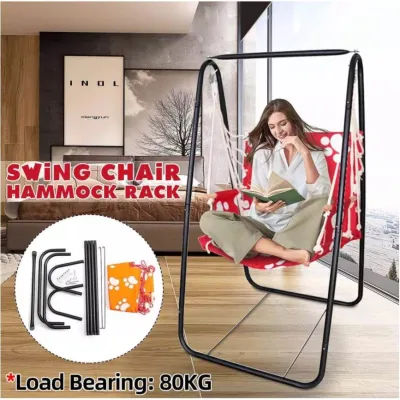
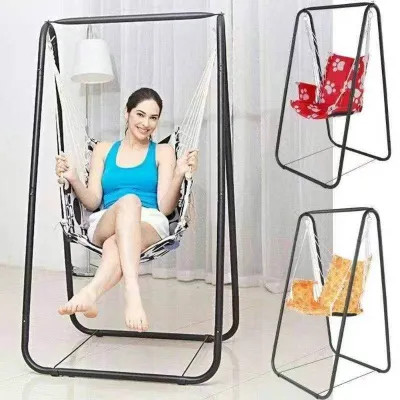
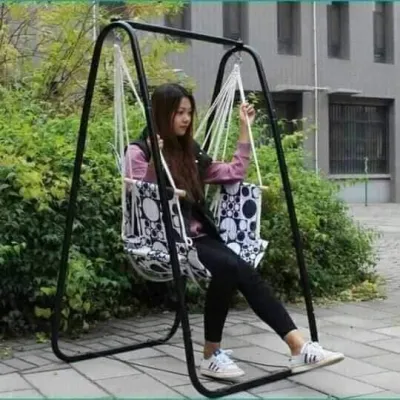
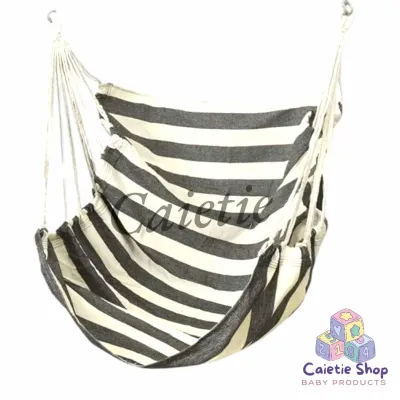
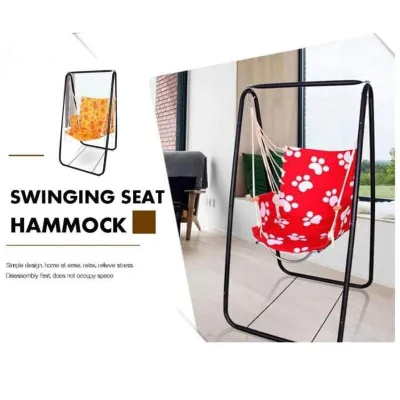
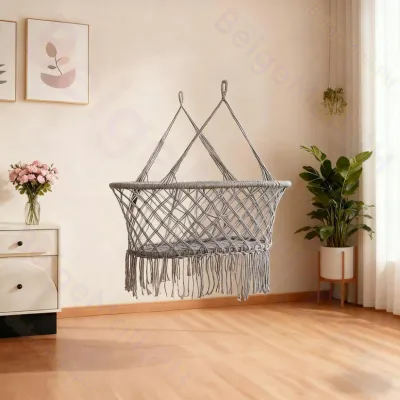
Prices are valid at publication and may change. Please refer to the product page for the latest price.
Compare this total length to the stand’s specified hook-to-hook distance, which is the maximum distance between the two attachment points. As a general rule of thumb, a standalone stand should be at least 30 to 60 centimeters longer than the total length of your hammock to allow for proper suspension and adjustment. If the stand is too short, you will not have enough clearance to hang the hammock; if it is too long, you can often bridge the gap using heavy-duty extension chains or S-hooks, provided the stand’s height allows for it.
The suspension style of your duyan—whether it is a traditional gathered-end style or a spreader-bar style—heavily dictates the required shape and height of the stand. Gathered-end duyans, which naturally sag in the middle to cocoon the user, require a taller stand with a steeper angle to maintain a comfortable curve and keep the fabric off the ground. Conversely, spreader-bar hammocks, which use wooden or metal bars to keep the fabric flat and taut, require a longer, lower stand with a wider footprint to prevent tipping and maintain the correct flat tension.
Finally, evaluate the physical footprint of the stand in relation to your intended setup area, whether it is a narrow veranda, a living room corner, or a grassy backyard. Measure the finished width and length of the stand’s base to ensure it does not block walkways or doorways, and verify that you have at least one meter of clear space on either side of the stand to accommodate safe swinging. If you plan to move the stand between indoor and outdoor spaces, check the overall height to ensure it can easily clear standard door frames and ceiling heights without requiring complete disassembly.
Evaluating Frame Materials and Outdoor Suitability
Selecting the right frame material is essential for ensuring the longevity of your duyan stand, especially when dealing with the intense sun, heavy rains, and high humidity characteristic of tropical environments. Steel is the most common material for standalone frames due to its high strength and affordability, but its weight can make relocation difficult if you frequently move your duyan between the garden and the living room. Aluminum frames offer a lightweight, highly portable alternative that naturally resists rust, making them excellent for coastal areas, though they may feel less rigid under heavy loads compared to thick-walled steel.

Wooden stands, often crafted from treated larch, eucalyptus, or bamboo, provide a warm, organic aesthetic that complements garden landscapes, but they require a higher level of maintenance and are generally much heavier and harder to move. Regardless of the base material, you must never assume a metal or wood stand is inherently weather-resistant without verifying its protective finish. For metal frames, look for a thick, evenly applied powder coating, which acts as a physical barrier against moisture and oxygen to prevent rust; inspect the joints, weld points, and interior tube walls, as these are the most vulnerable areas where moisture can accumulate and initiate corrosion.
For wooden stands, check the manufacturer’s specifications to confirm the wood has been treated with a weather-resistant sealant, UV inhibitors, or outdoor-grade varnish to prevent warping, cracking, and rot under intense sun and rain. Review the manufacturer’s care instructions carefully to understand the long-term maintenance requirements, such as periodic reapplication of protective oils or sealants. During the heavy monsoon season, even the most durable outdoor finishes can degrade if left in standing water, so prioritize stands that are easy to disassemble for dry, indoor storage or those that can be easily covered with a heavy-duty waterproof tarp.
Checking Weight Capacity and Structural Stability
Ensuring structural stability and an adequate weight capacity is paramount to preventing accidents, structural bowing, or sudden joint failures during use. Always locate the manufacturer’s officially stated maximum weight limit, which should be clearly printed on the product packaging, user manual, or structural label. Never estimate or assume a stand’s capacity based solely on its visual thickness or material type, as wall thickness, joint design, and hardware quality play a much larger role in overall strength than external dimensions.
When reviewing weight capacity, it is vital to distinguish between static load and dynamic load. Static load refers to the weight of a stationary object or person resting quietly in the duyan, while dynamic load accounts for the additional forces generated by movement, swinging, or the sudden impact of sitting down. Because swinging increases the stress on the frame’s joints and attachment points, you should choose a stand with a static weight capacity that comfortably exceeds the combined weight of the intended users by at least 20 to 30 percent to ensure a safe structural margin.
The design of the stand’s base is the primary factor governing its resistance to tipping during entry and exit, which are the moments of highest instability. Look for stands with wide, flared legs, non-slip rubber feet, and low centers of gravity that distribute weight evenly across the ground. If you plan to place the stand on soft surfaces like grass or sand, check if the frame includes ground anchors, stakes, or wide base plates that prevent the legs from sinking unevenly into the soil, which can compromise the level alignment of the frame and lead to tipping.
Understanding Attachment Mechanisms and Hardware
The hardware connecting your existing duyan to the new stand is the critical link that ensures safety and ease of adjustment. Inspect the stand’s designated connection points, which typically consist of welded steel loops, integrated hooks, or pre-drilled holes designed for carabiners or chains. Ensure these connection points are smooth, free of sharp edges that could fray your hammock’s ropes, and constructed from heavy-gauge metal that matches the overall weight rating of the frame.
Check the product description carefully to determine whether compatible attachment hardware—such as adjustable chains, S-hooks, carabiners, or heavy-duty ropes—is included with the stand only, or if you must source these components separately. Adjustable chains are highly recommended for standalone stands, as they allow you to easily fine-tune the tension and height of your duyan to accommodate different users or compensate for fabric stretching over time. If you must purchase hardware separately, ensure every component, from the carabiners to the chains, has a certified load rating that meets or exceeds the weight capacity of the stand itself.
Before hanging your existing duyan on a new stand, thoroughly inspect the condition of your hammock’s integrated hardware, end loops, and suspension ropes. Look for signs of fraying, dry rot, rust, or metal fatigue in old S-hooks or chains, as pairing a brand-new, sturdy stand with worn-out suspension hardware creates a severe point of failure. If your hammock uses fabric loops or ropes, consider adding metal thimbles or heavy-duty carabiners to protect the fibers from direct friction against the stand’s metal hooks, which can rapidly wear down the material during swinging.
Building Your Duyan Stand Shortlist
To make a confident and secure purchase, compile a structured shortlist of potential duyan stands and evaluate them against a strict set of non-negotiable criteria. Start by listing your absolute physical constraints: the exact maximum footprint your space can accommodate, the minimum hook-to-hook length required for your hammock, and the minimum weight capacity needed for your household. Any stand that does not meet these baseline specifications should be immediately eliminated from your search, regardless of price or aesthetic appeal.
Next, investigate the practical aspects of ownership, starting with the assembly requirements and the tools needed for setup. Prioritize stands that feature tool-free assembly, such as spring-pin locking mechanisms, which allow you to quickly assemble and disassemble the frame for seasonal storage or transport without searching for specialized wrenches. Additionally, verify the manufacturer’s warranty coverage, looking specifically for guarantees against structural defects, weld failures, or premature rust, and check the return policy of the retailer to ensure you can return the stand if it proves incompatible with your hammock upon delivery.
Finally, read user feedback on online marketplaces and furniture forums, focusing specifically on long-term performance rather than initial impressions out of the box. Look for recurring comments regarding joint stability over months of use, whether the powder coating chips easily under tropical weather conditions, and how well the frame resists wobbling or squeaking during active swinging. By systematically filtering your options through these physical, practical, and user-verified criteria, you can select a standalone duyan stand that provides a safe, durable, and comfortable retreat for years to come.
Frequently Asked Questions (FAQ)
Can I use a spreader bar hammock on a gathered-end duyan stand?
Using a spreader bar hammock on a stand designed specifically for gathered-end duyans is generally not recommended due to significant differences in geometry and tension. Gathered-end stands are typically shorter and taller, designed to let the hammock sag deeply into a banana shape, whereas spreader bar hammocks require a much longer, flatter suspension to keep the fabric taut and level. Attempting to force a spreader bar hammock onto a short, tall stand will result in extreme tension that makes the hammock highly unstable, significantly increasing the risk of the hammock flipping over or the stand tipping when you attempt to lie down.
Do I need to buy new chains or ropes when purchasing a stand only?
Whether you need to purchase new chains or ropes depends entirely on what is included with the new stand and the condition of your existing suspension setup. Many standalone stands do not include hanging hardware, meaning you will need to source load-rated chains, S-hooks, or carabiners to bridge any length gaps between your hammock and the frame’s hooks. Even if your old hardware physically fits, you should replace any ropes or metal connectors that show signs of rust, fraying, or wear, ensuring that all new hardware is explicitly rated to support your stand’s maximum weight capacity.
Community discussion
Share your experience or ask a question. Comments are reviewed before publication.