
Selecting the right wooden headboard for a single bed involves more than just picking an appealing design. To make a successful purchase, you must evaluate the exact dimensions of your bed frame, the structural integrity of the wood, the mounting compatibility, and how the piece handles local environmental factors like high humidity. Because single beds are typically placed in smaller rooms, guest bedrooms, or studio apartments, the headboard must balance aesthetic presence with spatial efficiency. By focusing on precise measurements and material quality, you can find a headboard that enhances your bedroom’s style while remaining secure and durable for years to come.
Understanding Single Bed Dimensions and Headboard Sizing
Before browsing designs, you must measure your actual bed frame width rather than relying solely on generic size labels. While a standard single bed mattress is typically 36 inches wide, actual frame dimensions can vary significantly between standard, extra-long, and customized wooden or metal frames. Measuring the outermost edges of your existing frame ensures you do not purchase a headboard that is too narrow to align with the mounting points or too wide for the bed base.
Once you have the exact frame width, you can decide between a flush-fit headboard or an overhanging design. A flush-fit headboard aligns perfectly with the outer edges of the bed frame, making it an excellent choice for tight corners, narrow rooms, or beds placed directly against a side wall. An overhanging headboard extends a few inches past the frame on each side, creating a more substantial, integrated look. However, you must verify that this extra width does not block electrical outlets, light switches, or the placement of bedside tables.
Products mentioned in this guide
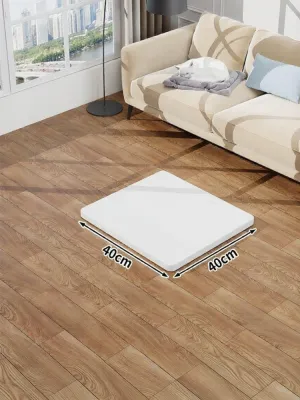
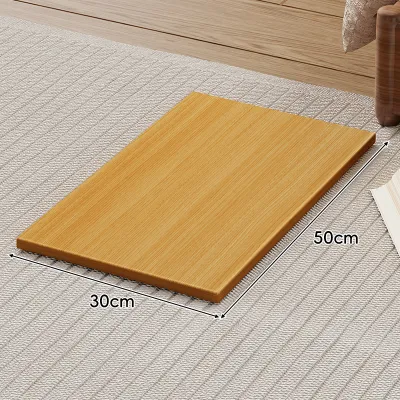
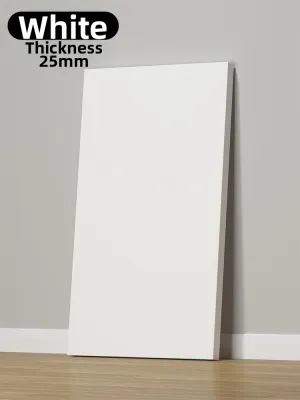
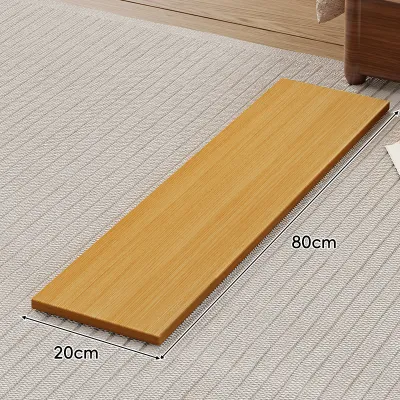
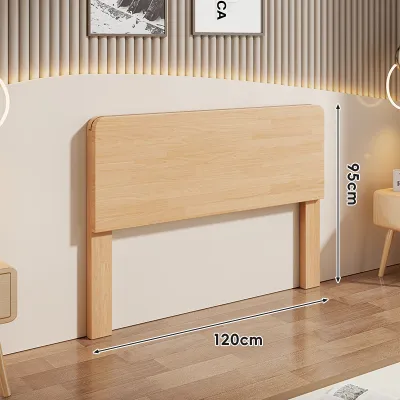

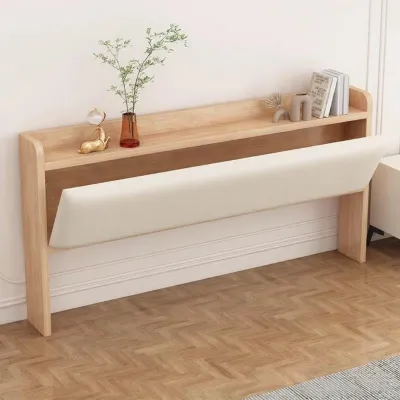

Prices are valid at publication and may change. Please refer to the product page for the latest price.
Height proportions require equal attention, as a headboard that is too tall can make a single bed look visually top-heavy, while one that is too short will disappear behind your bedding. To determine the ideal height, measure from the top of your mattress to your desired peak on the wall. Consider your mattress thickness and pillow-stacking habits; a thicker mattress or a plush array of pillows will cover more of the headboard’s lower panel, requiring a taller design to keep the wood visible.
Finally, consider the overall ceiling height of your bedroom. In rooms with low ceilings, a tall, solid wooden headboard can make the space feel cramped and confined. Opting for a lower profile or a slatted design allows more wall space to remain visible, which helps maintain an open, airy feel in smaller bedrooms. Conversely, high-ceilinged rooms can accommodate taller, more dramatic headboards without overwhelming the space.
Evaluating Wood Types and Construction Quality
When assessing wooden headboards, you must carefully differentiate between solid wood, engineered wood, and wood veneers by reading manufacturer specifications. Solid wood offers exceptional longevity and a natural grain pattern, but it is also heavier and more expensive. Engineered wood, such as medium-density fiberboard (MDF) or particleboard, is a budget-friendly alternative that resists warping, though it generally lacks the long-term durability of solid timber. Wood veneers feature a thin layer of real wood over an engineered core, offering the appearance of solid wood at a lower weight and cost.

In tropical climates like the Philippines, high humidity levels and seasonal temperature shifts can cause wood to expand, contract, or warp. If you choose solid wood, look for species that are naturally stable or have been thoroughly kiln-dried to minimize moisture movement. Engineered wood products must be completely sealed on all sides, including the back and bottom edges, to prevent humid air from penetrating the core and causing the material to swell or crumble over time.
Structural integrity depends heavily on the joinery methods used to assemble the headboard. High-quality wooden headboards utilize traditional joinery such as mortise-and-tenon or dowel joints, which provide strong, interlocking connections capable of withstanding daily pressure. When shopping, inspect product images or showroom models for these sturdy joints, and avoid headboards that rely primarily on basic staples, thin nails, or excessive glue, as these connections can loosen and squeak over time.
Surface treatments and finishes are your headboard’s primary defense against wear and environmental damage. Review the product specifications for protective coatings, such as polyurethane, lacquer, or specialized wood oils, which shield the wood from scratches, moisture, and UV fading. Always check the manufacturer’s care instructions to ensure the finish does not require highly specialized maintenance that conflicts with your cleaning routine.
Choosing the Right Mounting and Installation Method
How you mount your headboard affects both its stability and the ease of installation. Frame-mounted headboards attach directly to the back of your existing single bed base using bolts and brackets. Before purchasing, you must verify that the pre-drilled holes on the headboard struts align perfectly with the mounting slots on your bed frame. While many manufacturers use standard spacing, variations exist, so measuring the distance between your frame’s mounting holes is a crucial step.
Wall-mounted headboards are secured directly to the wall behind the bed, usually using interlocking metal brackets or French cleats. This method offers excellent stability and allows you to adjust the mounting height independently of the bed frame. However, you must assess your wall composition before drilling. In many homes, walls are constructed from solid concrete or concrete hollow blocks, which require a hammer drill, masonry drill bits, and heavy-duty wall plugs to mount the headboard safely. If you are dealing with drywall or gypsum board, you must locate the wooden or metal studs to secure the mounting hardware, as hollow drywall anchors cannot safely support the weight of a heavy wooden headboard.
Freestanding or floor-standing headboards stand on the floor and are sandwiched between the bed frame and the wall. These designs are incredibly stable because their weight is supported directly by the floor, making them easy to install without drilling into your walls. When choosing a floor-standing option, check the base stability and weight distribution to ensure it does not wobble. Additionally, verify that the headboard design includes a cutout or sufficient clearance at the bottom to accommodate your room’s skirting boards, allowing the headboard to sit flush against the wall.
Regardless of the mounting method, safety should be your primary concern. A poorly secured headboard can tip forward, damage your wall, or cause injury. If you are unsure about your wall’s load-bearing capacity or lack the tools required for concrete drilling, it is always best to consult a professional installer to complete the mounting process securely.
Design, Finish, and Bedroom Compatibility
The visual design of your wooden headboard should complement both the physical size of your bedroom and your existing decor. For compact rooms, space-saving profiles like flat panels, slim vertical slats, or open spindle designs work best because they occupy minimal physical depth and maintain visual openness. Thick, deeply carved, or heavily paneled headboards require more physical clearance and can make a small single bedroom feel overcrowded.
Safety is another critical factor, particularly if the single bed is placed in a narrow walkway, a child’s room, or a shared guest space. Inspect the edge treatments of the headboard before buying. Rounded corners and smooth, chamfered edges prevent painful bumps and snags as you move around the bed. Avoid designs with sharp, unfinished corners or protruding decorative elements that could pose a hazard in tight spaces.
Coordinating the wood stain or paint finish with your existing bedroom furniture helps create a cohesive interior design. If you cannot find an exact color match, look for finishes that share similar undertones, such as pairing warm honey oak with warm walnut, or cool gray-toned woods together. Many manufacturers offer physical wood swatches or detailed digital color guides, which you should use to compare finishes under your bedroom’s specific lighting conditions before making a final decision.
Pre-Purchase Checklist and Measurement Guide
To ensure a seamless delivery and installation process, complete this step-by-step verification checklist before finalizing your purchase:
- Verify Bracket Compatibility: Measure the distance between the mounting slots on your bed frame and cross-reference them with the headboard's pre-drilled holes or bracket specifications.
- Measure Delivery Pathways: Measure the width and height of all entryways, including front doors, narrow hallways, stairwells, and elevator doors. Ensure the packaged headboard can navigate these spaces, especially in multi-story homes or condominium buildings.
- Assess Wall and Floor Space: Confirm that the headboard's total width does not block light switches, power outlets, or bedside tables, and check that floor-standing models clear your skirting boards.
- Review Retailer Policies: Read the retailer's return policy, warranty terms, and assembly requirements. Ensure the warranty covers structural defects, wood splitting, or finish peeling under normal indoor conditions.
Taking the time to complete these checks prevents the frustration of receiving a headboard that cannot be delivered to your room, does not fit your frame, or requires mounting hardware incompatible with your walls.
Frequently Asked Questions (FAQ)
Can I attach a wall-mounted wooden headboard to a rented apartment wall?
Attaching a wall-mounted wooden headboard in a rental apartment depends entirely on your lease agreement and wall type. Drilling into concrete or drywall to install heavy-duty anchors will leave noticeable holes that must be patched and painted when you move out. If your landlord prohibits drilling, or if you want to avoid wall damage, a freestanding or frame-mounted headboard is a much better alternative. These options provide the look of a wooden headboard without requiring permanent wall alterations.
How do I clean and maintain an unfinished or matte wood headboard?
Unfinished or matte-finished wood headboards require gentle cleaning to avoid damaging the natural surface or stripping the protective seal. Dust the headboard weekly using a dry, soft microfiber cloth to prevent dust buildup in the wood grain. Avoid using wet cloths, harsh chemical cleaners, or silicone-based polishes, as these can seep into unfinished wood, causing staining, warping, or sticky residue. If a spill occurs, blot it immediately with a dry cloth, and use only a slightly damp cloth with mild, diluted soap for stubborn spots, drying the area completely afterward.

Community discussion
Share your experience or ask a question. Comments are reviewed before publication.