
Finding the perfect hammock outdoor with net requires balancing comfort, durability, and insect protection. In tropical climates like the Philippines, where high humidity and persistent mosquitoes are year-round realities, choosing the wrong specifications can turn a relaxing afternoon into a hot, itchy ordeal. To make an informed purchase, you must look beyond flashy marketing claims and focus on the technical labels that dictate fabric breathability, mesh density, and suspension safety.
Quick Guide: Core Specs for Outdoor Hammocks with Nets
When shopping for a hammock outdoor with net, three core specifications determine whether a model is worth your investment. First, prioritize a breathable, quick-drying fabric that prevents sweat buildup in warm weather. Second, look for high-density “no-see-um” mesh to keep out even the smallest biting insects. Finally, ensure the system features a robust weight capacity paired with wide, tree-friendly suspension straps. Understanding these three pillars will help you navigate the sea of options available on local ecommerce platforms.
Fabric and Weather Resistance: Decoding Material Labels
The body of your hammock is its primary structural element, and its material directly influences your comfort. When browsing specifications, you will frequently encounter terms like “70D nylon” or “210T polyester.” The letter “D” stands for denier, which measures the weight and thickness of individual threads, while “T” stands for thread count, representing the density of the weave. A higher denier or thread count generally indicates a thicker, more tear-resistant fabric, though it also adds to the total packed weight of your gear.
Products mentioned in this guide
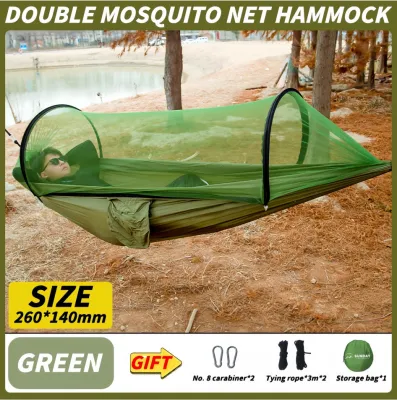
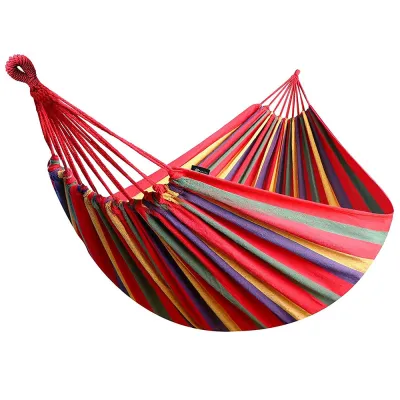
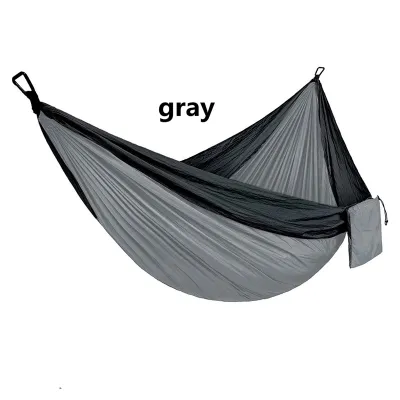
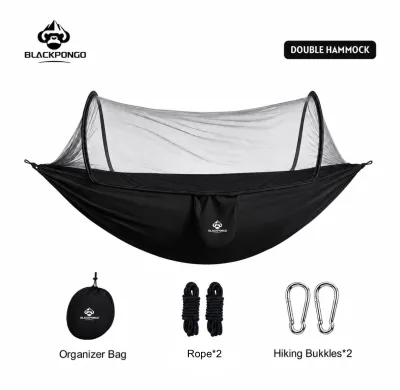
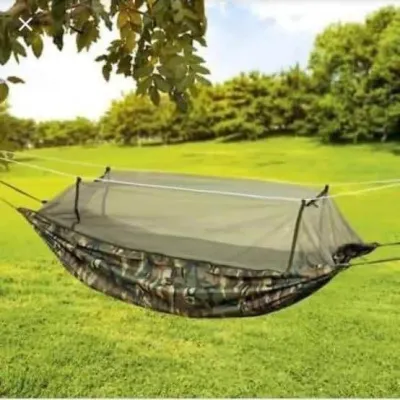
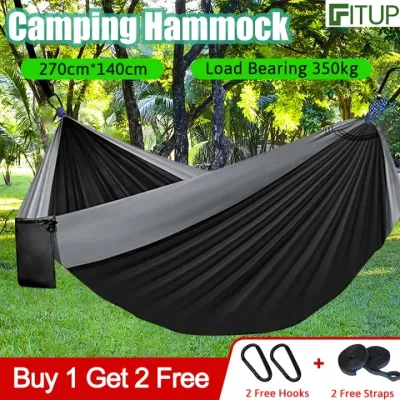
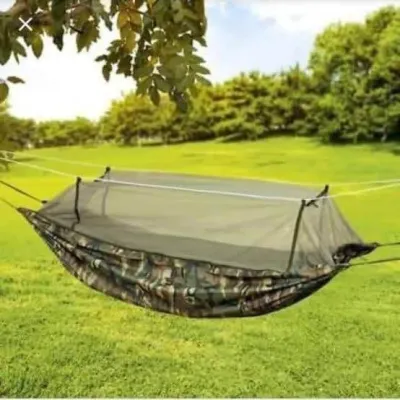
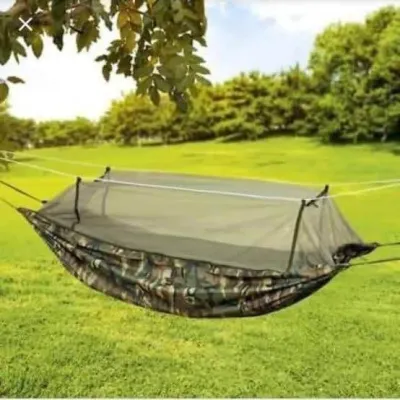
Prices are valid at publication and may change. Please refer to the product page for the latest price.

Parachute nylon is the most popular choice for outdoor hammocks due to its exceptional strength-to-weight ratio and soft texture. It stretches slightly to contour to your body, which helps distribute your weight evenly and reduces pressure points. Polyester, on the other hand, is less stretchy and holds its shape more rigidly over time. While polyester is slightly heavier, it tends to resist UV degradation better than standard nylon when exposed to prolonged sunlight.
In humid climates, avoid hammocks labeled as completely “waterproof.” A waterproof coating prevents air from circulating, trapping your body heat and sweat against the fabric, creating an uncomfortable, sticky environment. Instead, look for fabric specifications that emphasize “breathability” and “quick-dry” properties. These features allow moisture to evaporate rapidly, keeping you cool during warm tropical afternoons.
It is also important to recognize that claims of “mildew resistance” or “rot proofing” are not permanent guarantees. In damp environments, any fabric can develop mold if stored while wet. To protect your investment, always check the manufacturer’s care instructions regarding drying and storage. Make it a habit to air out your hammock completely before packing it into its compression sack.
Mosquito Net Design: Mesh Density and Enclosure Types
An effective netting system is what separates a peaceful rest from a frustrating battle with insects. The density of the mesh is typically measured in holes per square inch, with “no-see-um” mesh being the gold standard for outdoor protection. This ultra-fine netting features a dense weave that blocks tiny biting midges, gnats, and mosquitoes while still allowing air to flow freely. Standard utility netting may have larger openings that let smaller insects slip through, rendering your protection useless in buggy areas.
The way the net attaches to the hammock body also affects usability. Integrated zippered nets offer a 360-degree seal, completely enclosing you in a protective bubble. This design is highly secure and prevents insects from crawling up from underneath the fabric. Alternatively, top-draped nets hang over the hammock and are secured with elastic or drawstrings at the bottom. While draped nets are often easier to remove when bugs are not a threat, they can leave small gaps if not adjusted perfectly.
If you choose an integrated zippered model, pay close attention to the zipper specifications. Look for double-sided zippers that allow you to open and close the net easily from both the inside and the outside. Snag-free zipper tracks and durable pull tabs are essential, as a stuck or broken zipper can ruin the entire netting system. Examine the seams where the mesh meets the nylon fabric; double-stitching in this high-tension area prevents the net from tearing away under pressure.
Weight Capacity, Dimensions, and Suspension Hardware
Safety and comfort depend heavily on the physical dimensions and structural ratings of your setup. Weight capacity ratings typically range from 400 lbs (approximately 181 kg) to 500 lbs (approximately 226 kg) or more. Opting for a higher weight rating is not just about supporting more mass; it also ensures the fabric remains taut and stable under your weight. A hammock pushed to its absolute limit will sag excessively, making it difficult to find a comfortable sleeping angle.
The dimensions of the hammock body dictate how you lie inside it. For the most comfortable, flat lay, you should lie diagonally across the fabric rather than straight down the middle. Single hammocks are typically narrower, making them lighter but offering less room to stretch out. Double hammocks provide extra width, allowing you to lie at a more pronounced diagonal angle, which prevents the fabric from wrapping tightly around your shoulders like a cocoon.
Your suspension hardware is the only thing keeping you off the ground, so high-quality straps are non-negotiable. Look for suspension kits that include “tree-friendly” straps that are at least 1 inch (2.5 cm) wide. Wide webbing distributes your weight across a larger surface area, protecting the tree’s bark from friction damage. Avoid thin ropes or cords, which can slice into the tree and are often banned in managed parks and campsites.
Finally, evaluate the carabiners included with the suspension system. Aluminum wiregate carabiners are highly favored by backpackers because they are incredibly lightweight yet exceptionally strong. Heavy-duty steel carabiners are also reliable and often found in budget-friendly kits, but they add noticeable weight to your pack. Ensure any carabiner you use is rated for climbing or heavy loads, and never rely on cheap accessory clips.
Overhyped Specs and Features You Can Safely Ignore
When shopping online, it is easy to get distracted by marketing buzzwords designed to justify higher price tags. Terms like “military-grade,” “tactical,” or “survival-rated” are frequently used but rarely correspond to any standardized testing for consumer hammocks. These labels are often applied to standard nylon fabrics to make them sound more durable than they actually are. Focus instead on verifiable specifications like denier, weight capacity, and real consumer feedback regarding seam quality.
Similarly, do not let minor accessories dictate your purchase decision. Built-in storage pockets, attached pillows, and excessive external gear loops might seem convenient, but they are easily replaced by separate, higher-quality accessories. An attached pillow, for example, is often positioned poorly for a diagonal lay and can be uncomfortable. It is far better to invest in a hammock with superior fabric and suspension, then customize your setup with your own lightweight camping pillow or gear organizer.
Frequently Asked Questions (FAQ)
Do I need a rain fly if my outdoor hammock has a mosquito net?
Yes, you will still need a separate rain fly or tarp if you plan to use your hammock in wet or highly exposed conditions. Mosquito nets are designed solely to block insects and provide zero protection against rain, wind, or direct sunlight. When pairing a rain fly with your netted hammock, check the length of your hammock’s structural ridgeline to ensure the tarp provides adequate coverage at both ends.
How do I clean a hammock with an integrated mosquito net?
To clean your hammock safely, first check the manufacturer’s care label for specific washing instructions. If hand-washing, submerge the hammock in a basin of cool water with a mild, non-detergent soap, gently agitating the fabric and mesh with your hands. Avoid using bleach, fabric softeners, or harsh chemical cleaners, as these can degrade the delicate fibers of the mosquito net and weaken the fabric’s strength. Rinse thoroughly and hang the hammock to air-dry completely in a shaded area out of direct sunlight before storing.
Community discussion
Share your experience or ask a question. Comments are reviewed before publication.