
Which Cabinet Clothes Organizer Is Right for You?
An organized wardrobe can transform your daily routine, but finding the right cabinet clothes organizer requires looking closely at your current wardrobe setup. The best choice is never a single product; instead, it is a system that matches your cabinet’s physical layout—such as hanging rods, open shelves, or built-in drawers—with the specific garments you wear. In the Philippines, where high tropical humidity can affect how clothes are stored, selecting the right organizer also means choosing materials that promote proper airflow and resist moisture buildup.
Hanging organizers, shelf dividers, and drawer inserts each serve a distinct structural purpose. Hanging organizers maximize unused vertical space directly beneath your closet rods, making them ideal for homes with tall closets but limited shelving. Shelf dividers act as vertical boundaries on open shelves, preventing tall, unstable stacks of t-shirts or denim from toppling over. Drawer inserts compartmentalize deep drawers, keeping small accessories, undergarments, and delicate items from shifting into a chaotic pile. By understanding how these three options compare, you can design a functional wardrobe that keeps your clothes clean, accessible, and in excellent condition.
Assessing Your Wardrobe Space and Clothing Types
Before purchasing any cabinet clothes organizer, you must conduct a thorough physical assessment of your wardrobe. Buying organizers based on visual appeal alone often leads to wasted space, doors that cannot close, or sagging shelves. Start by using a tape measure to record the exact interior dimensions of your cabinet. Note the length of the hanging rods, the height clearance from the rod to the bottom of the cabinet, the depth and width of open shelves, and the interior height, width, and depth of any drawers. These finished dimensions will dictate the maximum size of any organizer you can install.
Products mentioned in this guide
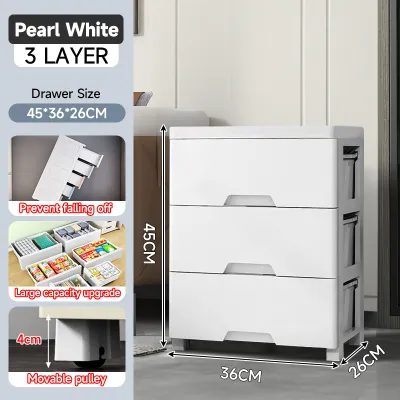
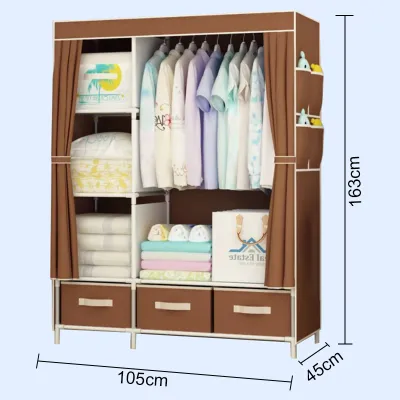
Prices are valid at publication and may change. Please refer to the product page for the latest price.

Next, group your clothing into distinct categories based on how they should be stored. Heavy items like denim jeans, thick cotton sweaters, and linens are best suited for flat shelving where they will not stretch out of shape. Delicate garments, such as linen barongs, silk blouses, and structured dresses, must remain on high-quality hangers to prevent deep creases. Lightweight foldables, including activewear, casual t-shirts, and shorts, can go either on shelves or in hanging compartments. Finally, small accessories like socks, underwear, belts, and handkerchiefs require dedicated containment to prevent them from getting lost in larger storage zones.
In a tropical climate, air circulation is a critical factor when organizing your wardrobe. Densely packed shelves and tightly sealed organizers trap moisture, creating an environment where mold and mildew thrive. When planning your layout, aim to leave at least a small gap between stacks and cabinet walls. Verifying your cabinet’s physical clearances and matching them to your clothing types ensures that your organizers will fit perfectly while maintaining the structural integrity of your furniture.
Hanging Organizers: Maximizing Vertical Space
Hanging organizers are versatile, vertical storage units that suspend directly from your closet’s horizontal rod. They typically feature multiple open fabric cubbies, acting as instant, lightweight shelves in wardrobes that lack built-in wooden shelving.
Ideal Use Cases and Limitations
Hanging organizers are highly effective for storing lightweight, foldable garments such as t-shirts, gym wear, shorts, and casual footwear. They are particularly useful in tall, single-rod wardrobes where the lower half of the cabinet remains empty and underutilized. By hanging one of these organizers, you instantly convert vertical air space into usable compartments without needing to assemble heavy wooden furniture.
However, these organizers have clear physical limitations. Because they are typically constructed from fabric, canvas, or lightweight plastics, the shelves can sag significantly when loaded with heavy items like denim jeans, thick jackets, or heavy linens. This sagging distorts the shape of the organizer and can cause items to slide out. Additionally, hanging organizers occupy valuable horizontal space along your closet rod. If your wardrobe is already packed with hanging clothes like dresses, suits, or delicate barongs, adding a wide hanging organizer will crowd these garments, leading to wrinkles and restricted airflow. In high-humidity environments, fabric organizers can also absorb ambient moisture if closet doors remain closed for extended periods, making regular ventilation essential.
Installation and Weight Capacity Checks
Before installing a hanging organizer, you must verify the load capacity of your wardrobe’s hanging rod and its supporting wall brackets. Closet rods made of thin metal or lightweight plastic can bow or snap under excessive weight. If you plan to use a multi-tier organizer, ensure your rod is securely anchored to the cabinet walls or ceiling.
To maintain stability and prevent damage, always distribute weight evenly across the organizer’s tiers. Place your lightest items, such as socks or activewear, in the top compartments, and reserve the middle tiers for t-shirts. If you must store slightly heavier items like light cotton trousers, place them in the bottom tier to lower the center of gravity. Avoid overloading the unit beyond the manufacturer’s specified limits, and regularly inspect the hanging straps or hooks for signs of fraying or stress. Finally, measure the distance from the bottom of the organizer to the cabinet floor to ensure it does not drag on the ground or interfere with sliding door tracks.
Shelf Dividers: Keeping Stacked Clothes Neat
Shelf dividers are simple vertical panels that clip, slide, or mount onto existing cabinet shelves. They act as sturdy barriers, allowing you to stack folded clothes higher and neater without the risk of piles leaning into one another.
Ideal Use Cases and Limitations
Shelf dividers are the ideal solution for wide, deep, or tall open shelves where folded clothes naturally tend to tip over. They are exceptionally well-suited for separating heavy denim jeans, thick cotton towels, bed sheets, and folded knitwear. By keeping these heavy items in distinct vertical columns, you can pull a single item from the bottom of a stack without causing the entire pile to collapse.
The primary limitation of shelf dividers is that they do not create new storage space. They strictly organize the existing footprint of your shelves. If your cabinet is already at maximum capacity, dividers will not help you fit more clothes; instead, they will simply organize what is already there. Furthermore, dividers do not protect clothes from dust or humidity, meaning items stored on open shelves remain exposed to the surrounding air.
Sizing and Mounting Considerations
When choosing shelf dividers, accurate measurements are essential. You must measure the exact depth of your shelves and the thickness of the shelf boards. Most clip-on or slide-on dividers are designed for specific shelf thicknesses, typically ranging from 1.5 cm to 2.5 cm. Forcing a tight divider onto a thick shelf can chip the laminate finish, crack particleboard, or scratch solid wood.
You will also need to choose between different mounting styles. Freestanding dividers sit on the shelf surface and are highly flexible, though they can slide around if pushed by heavy stacks. Clip-on and tension-mounted dividers offer greater stability but place physical pressure on the shelf boards. If your wardrobe features glass shelves, avoid high-pressure tension dividers, as the outward force can crack or shatter the glass. Always inspect the shelf material and refer to the wardrobe manufacturer’s care guidelines before applying adhesives or drilling holes for screw-in dividers.
Drawer Inserts: Organizing Small Items and Accessories
Drawer inserts are compartmentalized trays, boxes, or strips that fit inside your wardrobe drawers. They turn large, open drawer spaces into organized grids, ensuring that every small accessory has a designated home.
Ideal Use Cases and Limitations
Drawer inserts are essential for managing small, loose items that easily become cluttered, such as socks, underwear, swimwear, belts, ties, watches, and jewelry. Without inserts, these items shift every time you open or close the drawer, turning the space into a disorganized mess. Inserts allow you to implement organization methods like file-folding, where every garment is visible at a glance, saving you time during busy mornings.
However, drawer inserts require you to have existing, functional drawers in your cabinet. They also consume a small portion of your drawer’s interior volume. Inserts with thick wooden or plastic walls can reduce the usable width and depth of the drawer, which may be a disadvantage in compact wardrobes. If the insert compartments are too shallow or too small, they will not accommodate bulkier items like thick winter socks or folded activewear, rendering those specific slots useless.
Modular vs. Fixed Configurations
When shopping for drawer inserts, you will encounter modular and fixed-grid configurations. Fixed-grid inserts, such as fabric honeycomb organizers or molded plastic trays, are excellent for uniform items like rolled socks or underwear. They are highly structured but offer zero flexibility if your storage needs change over time.
Modular inserts, such as spring-loaded wooden drawer dividers or interlocking plastic bins, allow you to adjust the size of each compartment. This flexibility is highly beneficial if you want to store a mix of small accessories and larger folded items in the same drawer. Regardless of the style you choose, measure the interior length, width, and depth of your drawer before purchasing. A snug, edge-to-edge fit is crucial; if the inserts are too small, they will slide around when the drawer is operated, allowing small items to slip underneath the dividers and become trapped.
Quick Comparison: Hanging Organizers vs Shelf Dividers vs Drawer Inserts
To help you decide which organizer type best fits your wardrobe layout and storage habits, the table below summarizes the key differences, requirements, and limitations of each option.
| Organizer Type | Best For | Cabinet Requirement | Main Limitation | Ideal Clothing Items |
|---|---|---|---|---|
| Hanging Organizers | Maximizing vertical air space in tall, open cabinets | Sturdy hanging rod with sufficient vertical clearance | Can sag under heavy weight; consumes horizontal rod space | T-shirts, activewear, shorts, light shoes |
| Shelf Dividers | Keeping tall stacks of folded clothes neat and upright | Open, flat wooden or laminate shelves | Does not add new space; leaves clothes exposed to dust | Denim jeans, sweaters, linens, thick cottons |
| Drawer Inserts | Segmenting small accessories and undergarments | Existing built-in wardrobe drawers | Reduces usable interior drawer volume; requires precise sizing | Socks, underwear, belts, ties, delicate jewelry |
How to Choose the Right Organizer for Your Wardrobe
Selecting the perfect cabinet clothes organizer involves matching your wardrobe’s physical layout with your daily clothing choices. Rather than relying on a single organizer type, most functional wardrobes utilize a combination of all three to address different storage challenges. Use the following conditional framework to guide your purchasing decisions:
- Choose Hanging Organizers if your wardrobe has ample vertical hanging space but lacks built-in shelves or drawers, and you need an affordable way to store lightweight, foldable everyday wear like t-shirts and activewear. Budget-friendly options range from under ₱500, while premium models can cost more.
- Choose Shelf Dividers if you have deep, open wooden shelves where stacks of heavy denim, knitwear, or bed linens constantly lean, topple, or merge into one another.
- Choose Drawer Inserts if you have existing wardrobe drawers that quickly become cluttered with small accessories, undergarments, socks, or delicate items.
- Verify first if your wardrobe's structural components can safely support your chosen organizers. Check that hanging rods can bear the extra weight of a loaded hanging unit, ensure shelf boards can handle the pressure of clip-on or tension dividers, and confirm that drawer interiors have the necessary clearance to open and close smoothly. In the humid Philippine climate, prioritize materials like breathable fabrics, treated wood, or easy-to-clean plastics to prevent moisture buildup and protect your clothing investment.
Frequently Asked Questions (FAQ)
Can I use tension-mounted shelf dividers on glass wardrobe shelves?
You should exercise extreme caution when considering tension-mounted dividers for glass wardrobe shelves. Glass is fragile and sensitive to concentrated edge pressure; high-pressure tension mounts can easily scratch, chip, or shatter the shelf. Always check your wardrobe manufacturer’s weight limits and care guidelines first. If you want to organize glass shelves, it is highly recommended to use freestanding dividers with soft rubber padding or non-slip felt bases, which stand upright without applying outward pressure to the glass edges.
How do I prevent hanging organizers from swinging when I open the closet?
To stabilize a swinging hanging organizer, you can lower its center of gravity by placing slightly heavier, stable items—such as folded jeans or lightweight shoes—in the bottom compartments, while keeping very light items at the top. Alternatively, look for hanging organizers that feature both top hanging straps and bottom anchor loops, allowing you to secure the base of the unit to a lower closet rod or shelf. You can also place the organizer flush against the side wall of your wardrobe to limit its lateral movement when opening or closing doors.
Community discussion
Share your experience or ask a question. Comments are reviewed before publication.